Laser cutting has emerged as a transformative force in modern manufacturing, offering unparalleled precision and efficiency for processing sheet metals. By leveraging high-intensity light beams to vaporize material, this technology allows industries to move beyond the limitations of mechanical shearing, enabling the creation of complex geometries with microscopic accuracy.
Across the globe, the shift toward automated fabrication has made these systems indispensable. From aerospace components to intricate architectural facades, the ability to execute rapid prototyping and high-volume production within a single workflow has redefined industrial productivity and reduced the reliance on costly custom tooling.
Understanding the technical nuances of Laser cutting is essential for any business looking to optimize its production line. By integrating advanced CNC controls and high-power fiber sources, manufacturers can significantly reduce material waste and eliminate the need for extensive post-processing.

The Fundamentals of Laser Cutting Technology
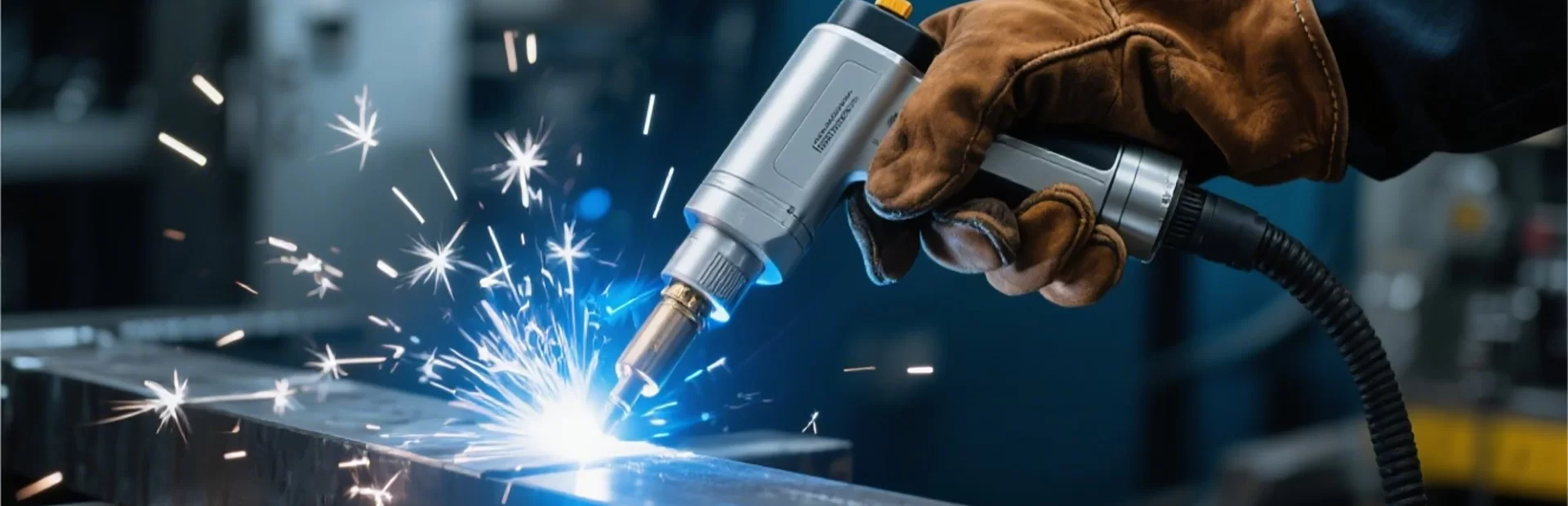
At its core, this technology operates by focusing a high-intensity laser beam through a specialized nozzle, concentrating thermal energy to melt or vaporize steel, aluminum, and other alloys. This process is essentially a non-contact method of fabrication, meaning there is no mechanical pressure exerted on the workpiece, which prevents the deformation and scratches common in traditional punching or shearing.
The precision of the process is governed by the spot size of the laser, which allows for an incredibly narrow kerf. This capability is vital for "nesting," where parts are arranged closely together on a single sheet of metal to minimize scrap and maximize material utilization, directly contributing to more sustainable production practices.
Core Components of High-Precision Systems
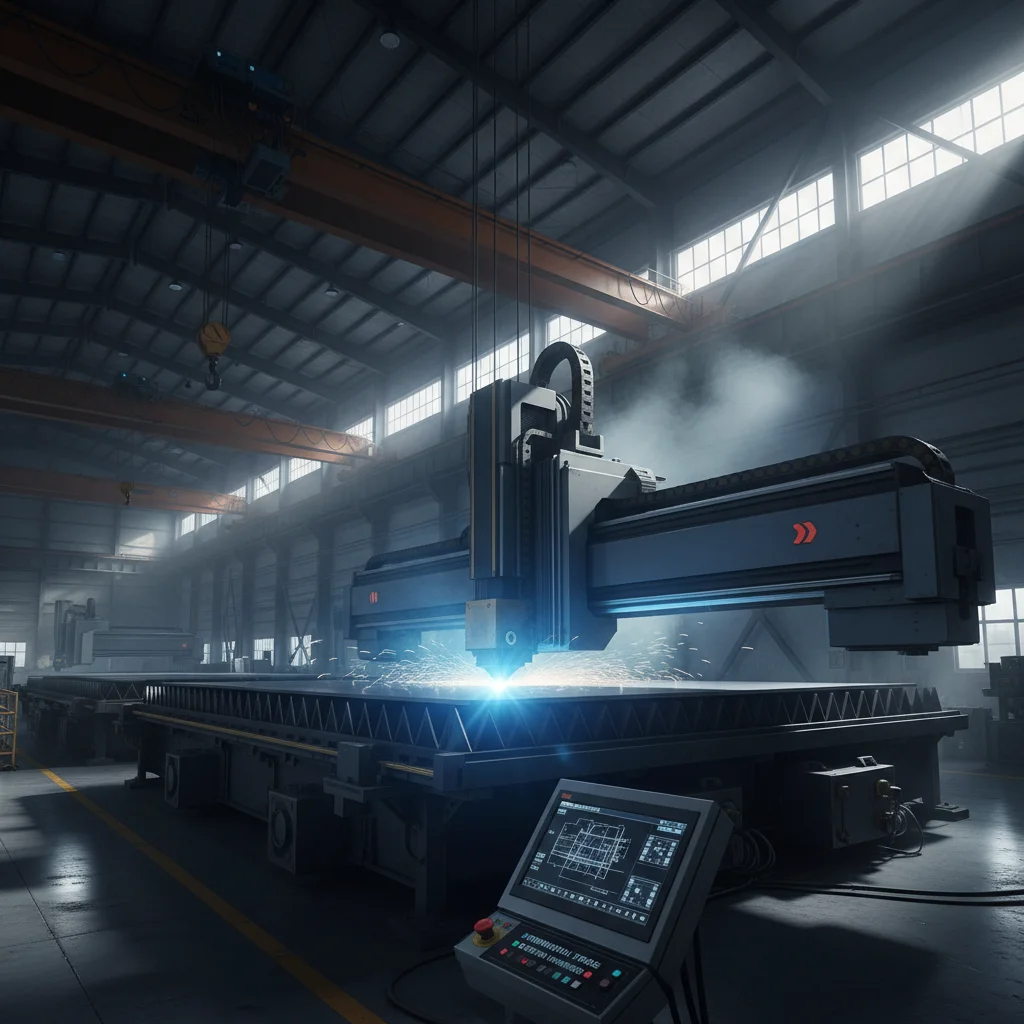
The architecture of a high-end machine involves several integrated systems working in perfect harmony. The laser source, typically a fiber laser for metal applications, generates the beam, while the CNC (Computer Numerical Control) system acts as the brain, translating complex digital designs from software like Solidworks or AutoCAD into precise X, Y, and Z-axis movements.
Supporting the movement are high-grade hardware components, including Japanese SHIMPO reducers and Leadshine servo motors, which ensure the gantry moves with absolute stability. The use of German Vastun racks further enhances the linear accuracy, allowing the machine to achieve tolerances as tight as 0.05mm, which is a non-negotiable requirement for aerospace and medical electronics.
Finally, the assist gas system plays a critical role in the final quality of the cut. By utilizing Oxygen, Nitrogen, or compressed air, the machine blows away molten material to create a clean, burr-free edge. This synergy between the light source, mechanical drive, and gas pressure ensures that the structural integrity of the metal is preserved throughout the process.
Material Compatibility and Processing
One of the greatest strengths of modern Laser cutting is its wide compatibility. By simply adjusting the laser parameters or changing the assist gas, a single machine can process a vast array of metals and non-metals. Carbon steel, for instance, is often cut with Oxygen to utilize an exothermic reaction for speed and efficiency.
Stainless steel presents a different challenge due to its high melting point and corrosion-resistant properties. In these cases, high-pressure Nitrogen is used for "fusion cutting," which prevents oxidation of the cut edge. This ensures that the stainless steel retains its shiny, mirror-like finish without the need for secondary polishing or grinding.
Beyond heavy industry, these systems are equally adept at handling fragile or thin sheets. Because the heat-affected zone (HAZ) is so localized, the surrounding material remains stable, making it ideal for delicate components in the electronics sector or decorative patterns in the furniture industry where surface blemish-free results are mandatory.
Efficiency Metrics in Industrial Fabrication
Efficiency in a production environment is measured by throughput and the reduction of waste. With maximum moving speeds of 100m/min and acceleration rates of 1.0G, modern systems dramatically increase the number of parts produced per shift. The ability to run for 16 hours a day with minimal downtime transforms the bottleneck of a factory into a streamlined flow.
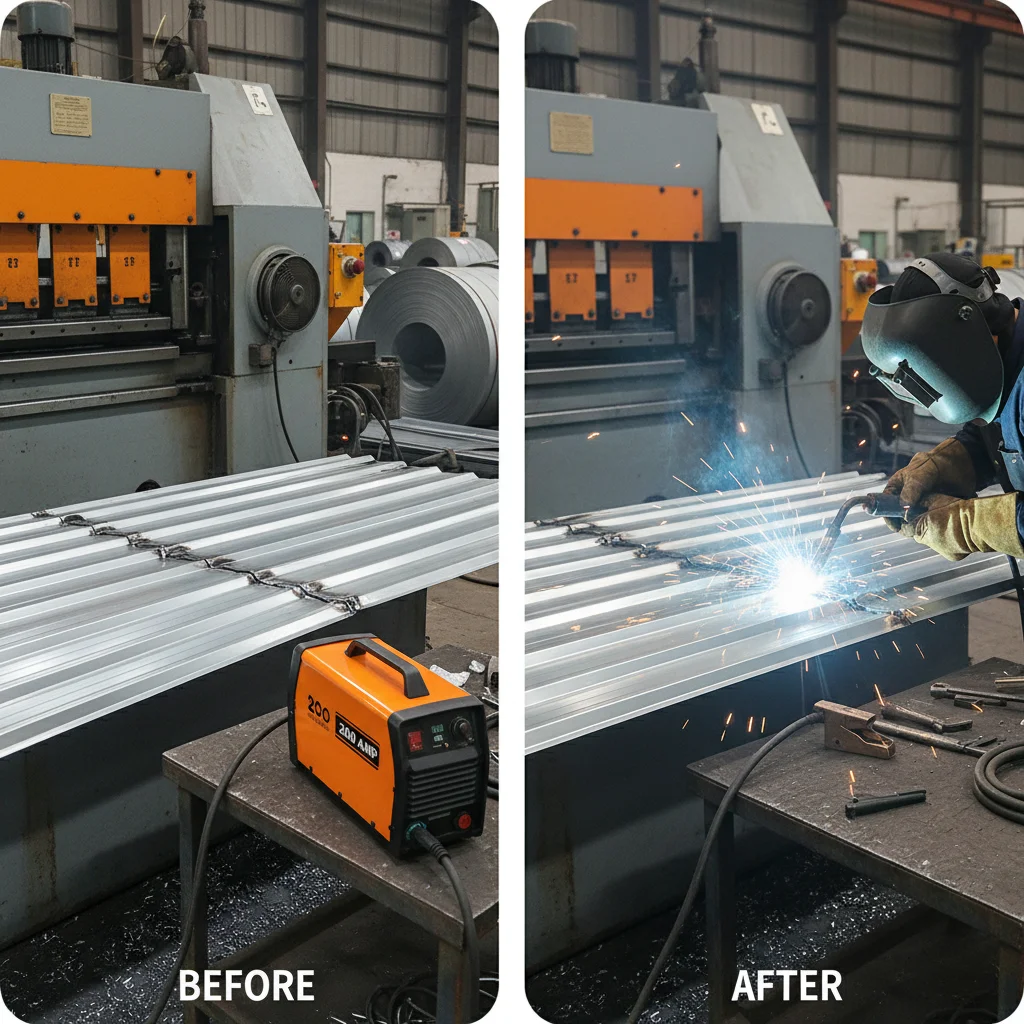
Furthermore, the reduction in post-processing provides a significant cost advantage. Unlike mechanical cutting, which often leaves rough edges requiring secondary grinding, the precision of the beam ensures parts are ready for immediate assembly or painting, lowering the operational cost per part.
Performance Comparison of Laser cutting Methods
Global Applications Across Key Industries
The versatility of these machines allows them to serve diverse global markets. In the automotive sector, lightweight aluminum components are produced using high-power fiber lasers to improve fuel efficiency. In the medical field, the precision of the beam is used to create surgical instruments and implants that require extreme accuracy and biocompatible finishes.
Additionally, the advertising and decoration industry utilizes these systems for personalized processing. The ability to quickly upload a CAD file and execute a complex design without custom dies allows small-batch production and rapid iteration, enabling creative agencies to offer bespoke metal signage and artistic installations with minimal lead times.
Advantages of Non-Contact Processing
The most significant technical advantage of this method is the complete absence of mechanical force. Traditional punching and shearing exert physical pressure that can warp thin materials or leave unsightly marks on mirror-finish surfaces. By using light as the tool, the material remains completely undisturbed, ensuring the structural integrity of the sheet metal is preserved.
This non-contact nature also extends to tool longevity. Unlike mechanical blades that dull over time and require frequent sharpening or replacement, a laser beam remains perfectly sharp. This eliminates the downtime associated with tool changes and ensures that the first part produced in a shift is identical in quality to the last.
From an environmental perspective, the localized heat application means less energy is wasted heating the entire workpiece. Combined with high-efficiency nesting software, manufacturers can reduce material scrap by up to 30%, contributing to a more sustainable and cost-effective manufacturing ecosystem.
Future Trends in OEM Laser Solutions
The role of the OEM supplier is evolving from a mere equipment provider to a full-service solution partner. Future trends are leaning toward the integration of AI-driven nesting and real-time monitoring systems that can automatically adjust cutting parameters based on material thickness and temperature, further reducing human error and increasing precision.
Sustainability is also driving innovation, with the development of lower-power, higher-efficiency laser sources and improved filtration systems to capture abrasive dust. As global power grids modernize, OEM manufacturers are creating machines that are compatible with varying electrical standards (380V/50Hz/60Hz), allowing for seamless deployment in any international market.
Ultimately, the democratization of this technology means that even small workshops can now access high-performance tools. By reducing the overhead costs associated with custom tooling and maintenance, the industry is enabling a new era of distributed manufacturing where precision and customization are accessible to all.
Comparison of Laser cutting Specifications by Application
| Application Sector |
Primary Material |
Key Requirement |
Efficiency Score (1-10) |
| Aerospace |
Titanium/Aluminum |
Extreme Tolerance |
10 |
| Medical Devices |
Stainless Steel 316 |
Burr-free Edges |
9 |
| Automotive |
Carbon Steel |
High Volume Speed |
9 |
| Architecture |
Brass/Copper |
Complex Aesthetics |
8 |
| Furniture |
Mild Steel |
Cost Efficiency |
7 |
| Electronics |
Thin Alloys |
Miniaturization |
8 |
FAQS
Fiber lasers are specifically designed for metals, offering higher power efficiency and a smaller spot size, which results in faster cutting speeds and tighter tolerances. CO2 lasers are more versatile for non-metallic materials like acrylic or wood, but they generally lack the cutting speed and efficiency required for high-volume industrial metal fabrication.
Assist gas serves two purposes: removing molten material and protecting the nozzle. Oxygen is typically used for carbon steel to speed up the process via an exothermic reaction. Nitrogen is used for stainless steel to prevent oxidation, ensuring a clean, shiny edge. Compressed air is a cost-effective alternative for thinner materials.
In most cases, yes. While punching is very fast for simple holes in massive quantities, laser cutting offers far greater flexibility. It eliminates the need for custom dies, allows for complex organic shapes, and prevents material deformation, making it the superior choice for prototypes and complex parts.
Fiber lasers have significantly lower maintenance than CO2 systems because they have no mirrors to align. Key maintenance includes regularly cleaning the protective windows, ensuring the water cooler is operating at the correct temperature, and maintaining the auto-oil injection system for the linear guides.
Depending on the power of the laser source (e.g., 6000W), machines can typically cut carbon steel up to 25mm and stainless steel up to 18mm. Thinner sheets are processed at incredibly high speeds, while thicker plates require slower feed rates and higher gas pressure to maintain edge quality.
Most industrial systems are compatible with standard CAD/CAM software. They can import files from Pro/E, UG, and Solidworks. The software then converts these designs into G-code, which the CNC system uses to guide the laser head along the X, Y, and Z axes.
Conclusion
The adoption of Laser cutting represents a fundamental leap in manufacturing capability, combining the speed of automation with the precision of light. By eliminating mechanical stress and reducing the need for post-processing, these systems allow manufacturers to achieve higher quality standards while significantly lowering material waste and operational costs.
As we look toward a future of smarter, greener factories, the integration of AI and energy-efficient laser sources will only further enhance these capabilities. For businesses seeking to scale their production and maintain a competitive edge in the global market, investing in a high-performance laser solution is no longer an option—it is a necessity for industrial growth. Visit our website: www.topstarlasers.com