SHIJIAZHUANG TOPSTAR INTERNATIONAL TRADING CO., LTD.
Shijiazhuang Topstar
International Trading Co., Ltd.
Get In Touch
welded wire mesh machine factory

Industrial Fiber laser marking machine for Precision Engraving

0%

Table of Contents

In the modern landscape of industrial manufacturing, the demand for precision and permanent identification has led to the widespread adoption of advanced laser technologies. Among these, the fiber laser marking machine stands out as a transformative tool, enabling manufacturers to etch high-contrast, indelible marks on a vast array of materials. By leveraging a high-energy-density beam, this technology ensures that critical data, branding, and traceability codes remain legible even under the harshest industrial conditions.

The shift toward automation and "Industry 4.0" has amplified the need for marking solutions that offer both speed and flexibility. Traditional methods, such as chemical etching or mechanical stamping, often struggle with high-volume production and the requirement for zero consumables. The introduction of fiber-based systems has solved these challenges, providing a non-contact processing method that eliminates mechanical stress on delicate workpieces while maintaining microscopic accuracy.

Whether it is for medical surgical instruments requiring sterile annealing or automotive parts needing deep engraving, the Fiber laser marking machine provides an unparalleled balance of efficiency and durability. By understanding the technical nuances of this equipment, businesses can significantly reduce operating costs and enhance their product traceability across global supply chains.

Fiber laser marking machine

Technical Fundamentals of Fiber Laser Marking

Fiber laser marking machine

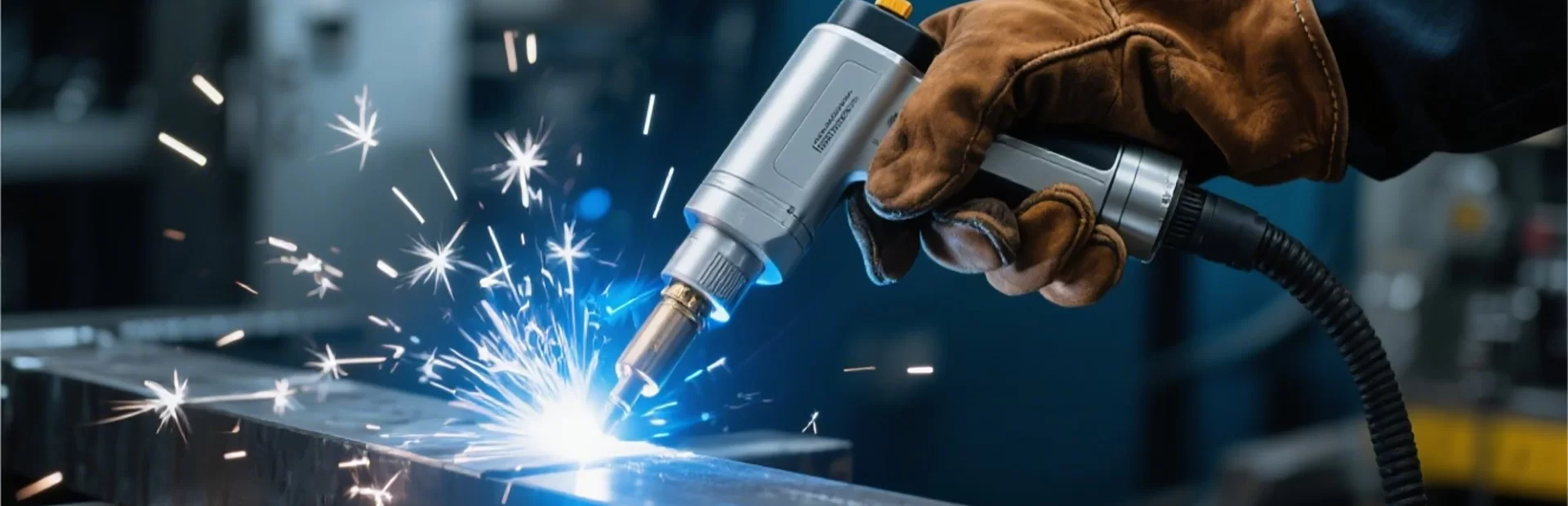
A fiber laser marking machine operates by generating a highly concentrated laser beam through an optical fiber. This beam is expanded and collimated before being directed by a high-speed galvanometer, which consists of two reflective lenses controlling the X and Y axes. A final field lens focuses the beam onto the workpiece, creating a high-energy-density spot that triggers physical or chemical changes such as ablation or vaporization.

This precise control allows for the creation of permanent patterns, serial numbers, and QR codes without physical contact. The result is a marking that is resistant to heat, corrosion, and abrasion, making it an ideal choice for industrial components that must survive extreme environments.

Core Operational Features and Benefits

One of the most significant advantages of these systems is their extreme processing efficiency. Marking processes typically occur in milliseconds, allowing for seamless integration into online mass production lines. This speed ensures that high-volume throughput is maintained without creating bottlenecks in the manufacturing sequence.

Flexibility is another cornerstone of the technology. Because the marking content is edited via software, there is no need for expensive physical molds or dies. This allows operators to instantly change serial numbers, date codes, or logos, achieving a "zero consumables" workflow that supports highly customized production batches.

Furthermore, the non-contact nature of the laser prevents mechanical stress or damage to the workpiece. This makes the technology particularly suitable for fragile parts, such as integrated circuits or medical instruments, where any physical pressure could compromise the structural integrity of the component.

Material Compatibility and Interaction

The versatility of the Fiber laser marking machine is most evident in its ability to handle a wide spectrum of metals. For stainless steel, the system can perform laser annealing—heating the surface just below the melting point to create a permanent black mark without damaging the protective oxide layer.

When dealing with aluminum, the Fiber laser marking machine can either remove anodized dye layers to reveal the silver substrate or create a white marking effect on raw alloys. This level of control allows for high-contrast branding on everything from aerospace components to consumer electronics like laptops.

Beyond metals, these machines are effective on plastics and polymers such as ABS, PC, and PP. By adjusting the pulse frequency and power, the laser can create crisp marks on electronic housings and IC chips, ensuring that safety warnings and brand identities remain permanent.

Performance Metrics and Efficiency Analysis

To evaluate the efficiency of various marking modalities, it is essential to look at processing speed and precision. Fiber laser technology far exceeds traditional dot peen or inkjet methods, particularly in terms of minimum character height and repeat accuracy, which can reach as low as ±0.002mm.

The integration of a high-speed galvanometer allows the beam to move at speeds up to 10,000mm/s. This capability transforms the marking process from a standalone station into an integrated part of the assembly line, significantly reducing the total cycle time per part.

Performance Rating of Marking Technologies

Industrial Applications and Use Cases

In the automotive and mechanical sectors, these machines are used extensively for creating nameplates and marking tools. Deep engraving on carbon steel or aluminum alloys ensures that serial numbers remain legible even after years of exposure to oil, grease, and physical abrasion.

The electronics industry relies on the laser's ability to handle miniaturization. For printed circuit boards (PCBs) and integrated circuits, the laser can apply microscopic Data Matrix codes that are essential for traceability in smart factories, all while avoiding any heat-induced damage to the sensitive components.

Long-term Economic and Environmental Value

From a financial perspective, the transition to fiber laser technology represents a significant reduction in long-term operating costs. Aside from electricity, there are virtually no consumables such as inks, solvents, or replacement needles. This "zero consumable" model provides a rapid return on investment for high-volume manufacturers.

Maintenance requirements are also remarkably low. Because the laser source has a working life of approximately 100,000 hours and there are no moving mechanical parts in contact with the workpiece, downtime is minimized, ensuring consistent production schedules.

Environmentally, the process is far superior to chemical etching or inkjet printing. It produces no hazardous waste, requires no chemical solvents, and emits no volatile organic compounds (VOCs), aligning industrial operations with modern green manufacturing standards.

Technical Parameter Specifications

Selecting the right model depends on the required output power and the nature of the material. For instance, a 20W system is ideal for shallow engraving and plastics, while a 60W system is necessary for deep engraving on hard metals like stainless steel or copper.

The beam quality (M²) and pulse repetition frequency are critical factors that determine the fineness of the line. With a minimum marking line width of 0.1mm, these machines can produce text and graphics with a level of detail that was previously impossible with mechanical tools.

The integration of the Fly control system allows for "marking on the fly," meaning the laser can sync with a moving conveyor belt. This removes the need to stop the part, further increasing the overall equipment effectiveness (OEE) in an automated plant.

Core Technical Specifications for Fiber Laser Marking Series

Model Series Output Power Engraving Speed Typical Application
K200/K201 20W 10000mm/s Plastic Housings, IC Chips
K300/K301 30W 10000mm/s Anodized Aluminum, Tooling
K500 50W 10000mm/s Deep Metal Engraving
K600 60W 10000mm/s Heavy-duty Industrial Plates
Standard Fiber Variable High Speed General Metal Marking
Custom Series Custom Variable Specialized Medical Tools

FAQS

What materials can a fiber laser marking machine actually mark?

Fiber lasers are strongest in metal applications, including stainless steel, carbon steel, aluminum, copper, and brass. However, they are also highly effective on certain plastics (ABS, PC, PP, PE) and coated materials such as anodized aluminum or painted surfaces. The result varies from deep ablation for industrial tools to subtle color changes for medical instruments.

How does laser annealing differ from deep engraving?

Laser annealing is a thermal process that creates a high-contrast black mark by forming an oxidation layer beneath the surface without removing material, keeping the surface smooth and corrosion-resistant. Deep engraving vaporizes the material to create a physical recess (intaglio), which is ideal for parts that will be painted over or subject to extreme wear.

Is the operation of a fiber laser marking machine expensive over time?

No, it is exceptionally cost-effective. Once the initial investment is made, the only ongoing cost is electricity. Unlike inkjet or chemical marking, there are no inks, solvents, or dyes to purchase. The laser source is rated for approximately 100,000 hours of use, resulting in very low maintenance costs and high long-term value.

Can these machines be integrated into an existing automated assembly line?

Yes, thanks to the high-speed galvanometer and Fly control systems, these machines can perform "marking on the fly." This means they can apply codes to products as they move along a conveyor belt without requiring the production line to stop, making them perfect for high-speed mass production environments.

What is the minimum size of text that can be marked?

The precision of fiber laser technology is microscopic. Most professional systems can achieve a minimum marking line width of 0.1mm and a minimum character height of 0.15mm. This allows for legible marking on tiny electronic components and integrated circuits where space is extremely limited.

Is laser marking environmentally friendly compared to traditional methods?

Absolutely. Laser marking is a clean, pollution-free technology. It eliminates the need for harsh chemical etchants and toxic ink solvents used in traditional printing. Because it is a dry process with no consumables, it significantly reduces the industrial waste footprint of the marking stage.

Conclusion

The fiber laser marking machine has redefined the standards of industrial identification by combining extreme precision, high-speed execution, and permanent durability. From its ability to anneal medical-grade stainless steel to its capacity for deep-engraving heavy industrial parts, this technology provides a versatile solution that eliminates the costs and environmental hazards of traditional marking. By removing the need for consumables and reducing maintenance downtime, it offers a strategic advantage to any manufacturer focused on quality and efficiency.

As we move toward a more digitized and automated manufacturing future, the role of high-precision laser marking will only grow in importance. Companies that adopt these systems today will benefit from enhanced traceability and a leaner production process. To explore the best options for your production needs, we invite you to visit our website: www.topstarlasers.com.

Ethan Rodriguez

Ethan Rodriguez

Ethan Rodriguez serves as a Product Manager for mesh making equipment at Shijiazhuang Topstar. He’s responsible for overseeing the design, production, and customization of mesh solutions for diverse applications. With a background in manufacturing engineering and a keen eye for detail, Ethan collaborates closely with both the engineering and sales teams to ensure products meet the highest quality standards and client specifications. He's adept at understanding client needs and translating them into effective mesh solutions, contributing to Topstar's reputation for tailored service. He enjoys staying abreast of new developments in mesh technology and its expanding potential.
Previous Advanced Laser cutting Technology for Modern Manufacturing
Next High Performance Portable Air Compressor for Sale Guide
Subscribe to Our Newsletter
Your E-mail Address
Subscribe Now

If you are interested in our products, you can choose to leave your information here, and we will be in touch with you shortly.