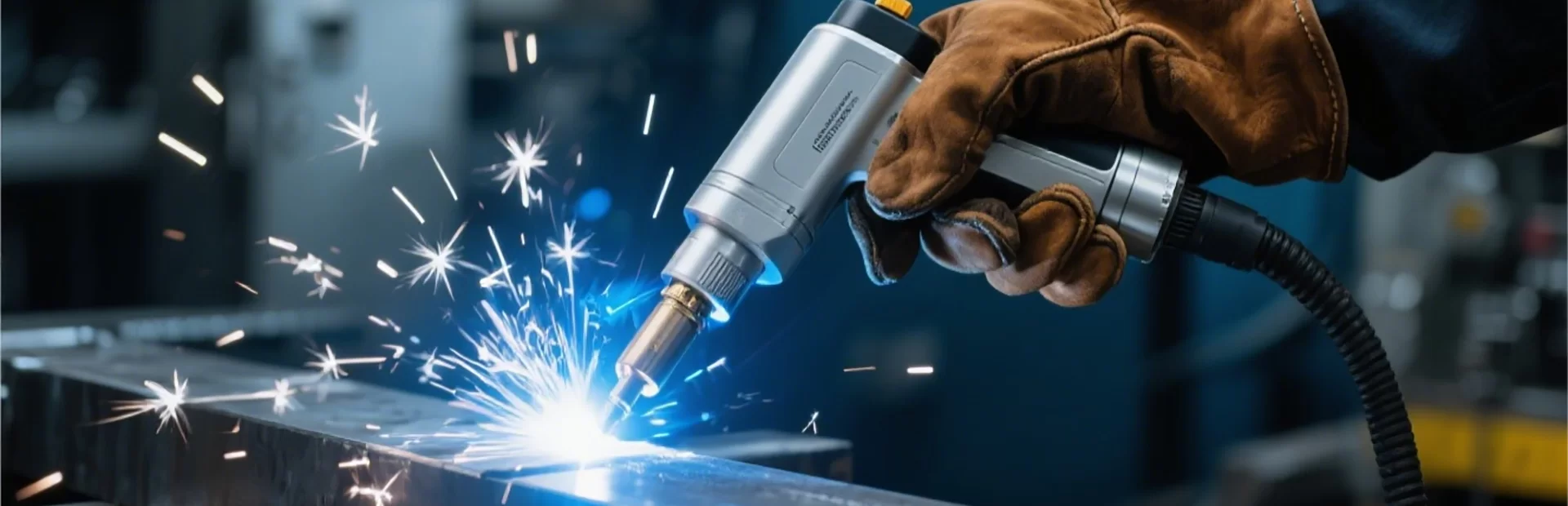
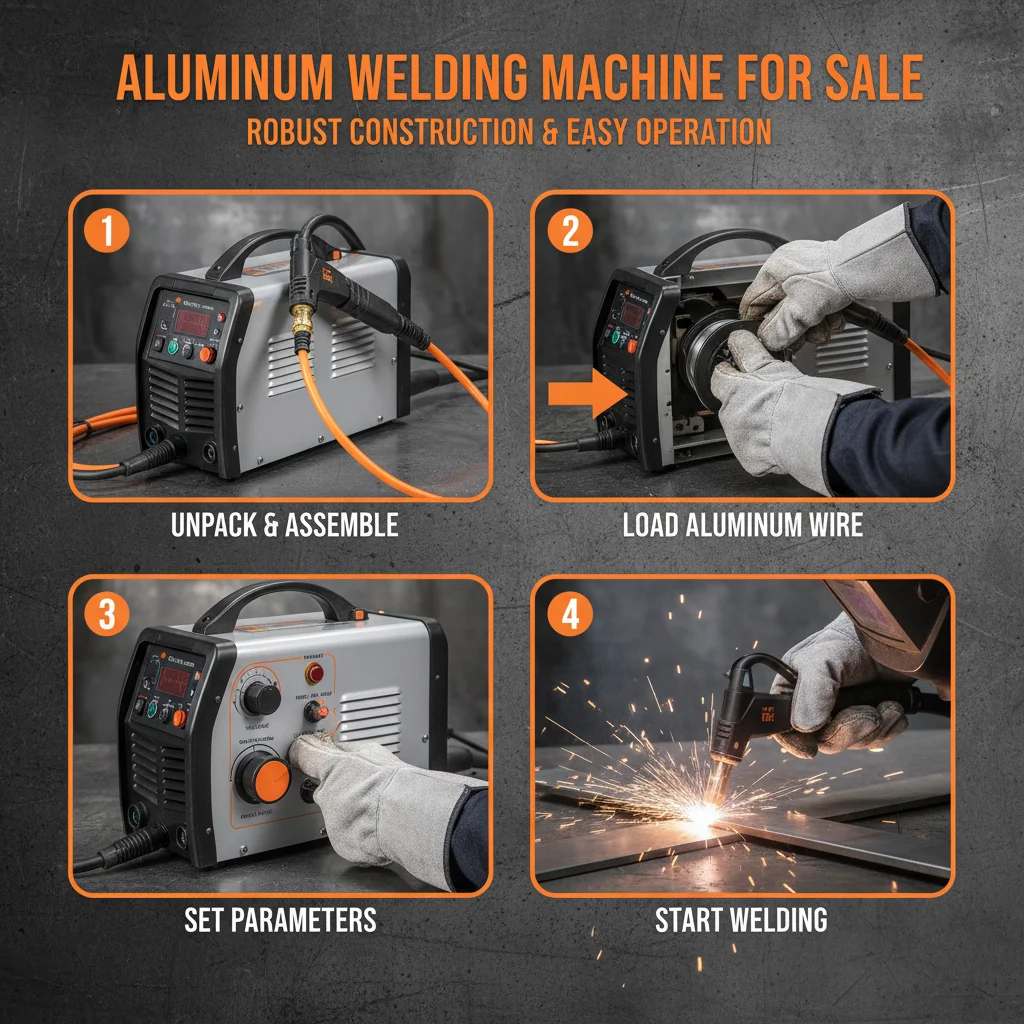
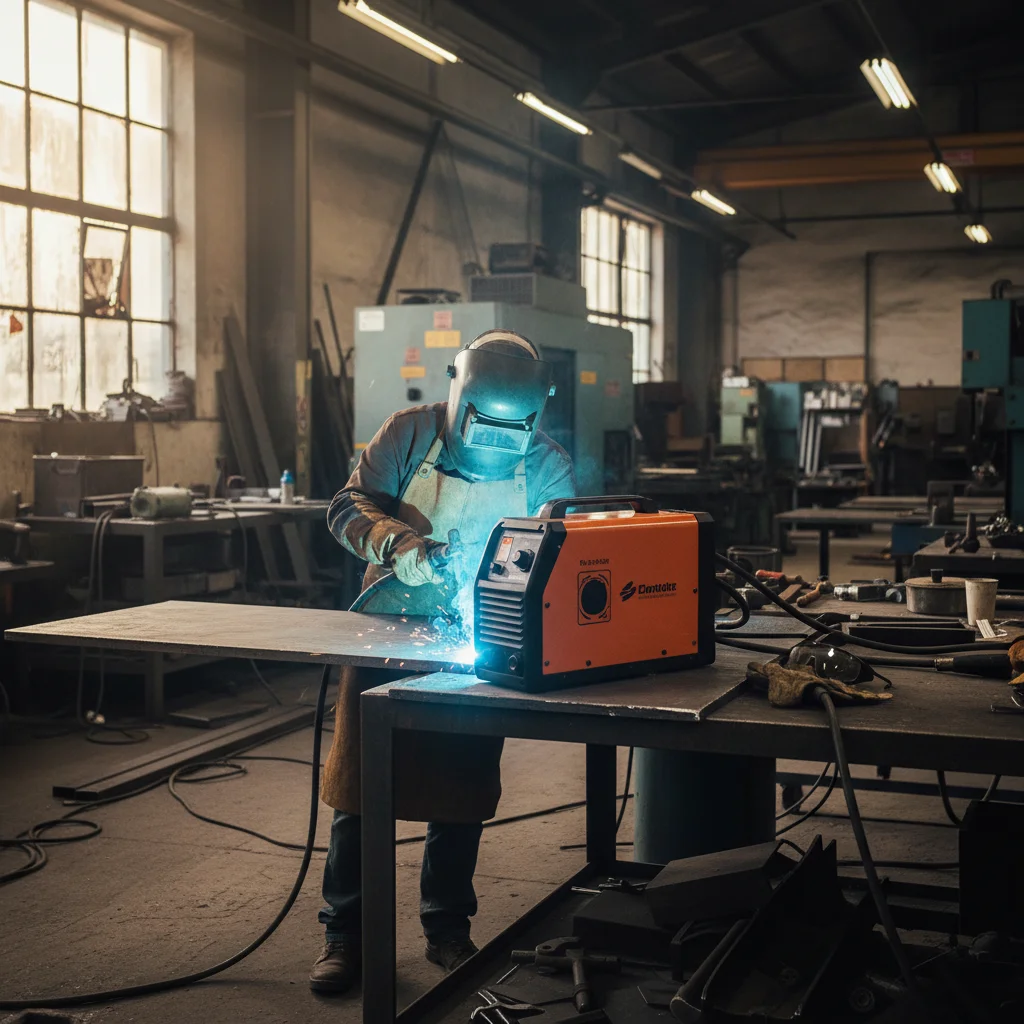
The 200 amp welding machine represents the "sweet spot" of industrial fabrication, offering a versatile balance between portable convenience and high-performance output. For professionals in the gas compression machinery and general equipment sectors, having a machine that can handle medium-thickness materials without requiring massive industrial power grids is essential for maintaining operational agility.
Globally, the demand for mid-range welding solutions has surged as decentralized manufacturing and on-site repair become the norm. Whether it is maintaining complex valve systems or assembling compressed air manifolds, the 200 amp welding machine provides the necessary thermal energy to ensure deep penetration and structural integrity, reducing the reliance on oversized, immobile equipment.
Understanding the nuances of this specific amperage range allows shop managers and independent contractors to optimize their workflow, lowering energy costs while maximizing weld quality. By bridging the gap between lightweight DIY tools and heavy-duty industrial plants, these machines empower a wide array of technical applications from automotive repair to heavy machinery maintenance.
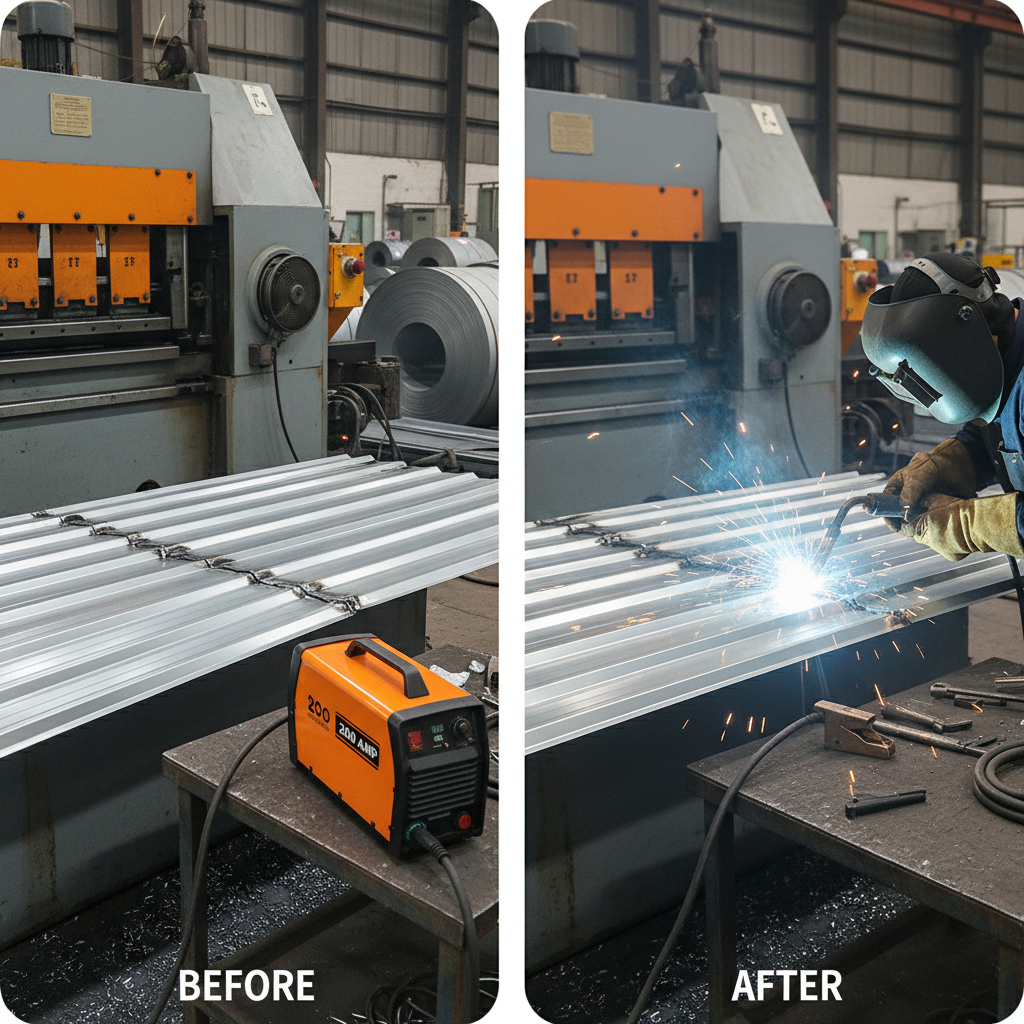
Global Industrial Relevance of 200 Amp Welding Machines
In the current global manufacturing landscape, the 200 amp welding machine serves as a critical tool for maintaining infrastructure. According to ISO standards for welding quality and structural safety, the ability to maintain a consistent arc at 200 amps allows for the fabrication of steel components that are essential for the energy and transport sectors, particularly in regions expanding their industrial footprint.
The primary challenge facing many workshops today is the "power gap"—the struggle between using underpowered machines that result in cold laps and expensive, power-hungry units that inflate utility bills. A 200 amp system solves this by providing enough headroom for 1/4" to 3/8" plate steel while remaining compatible with most standard industrial power outlets.
Defining the Technical Scope of 200 Amp Systems
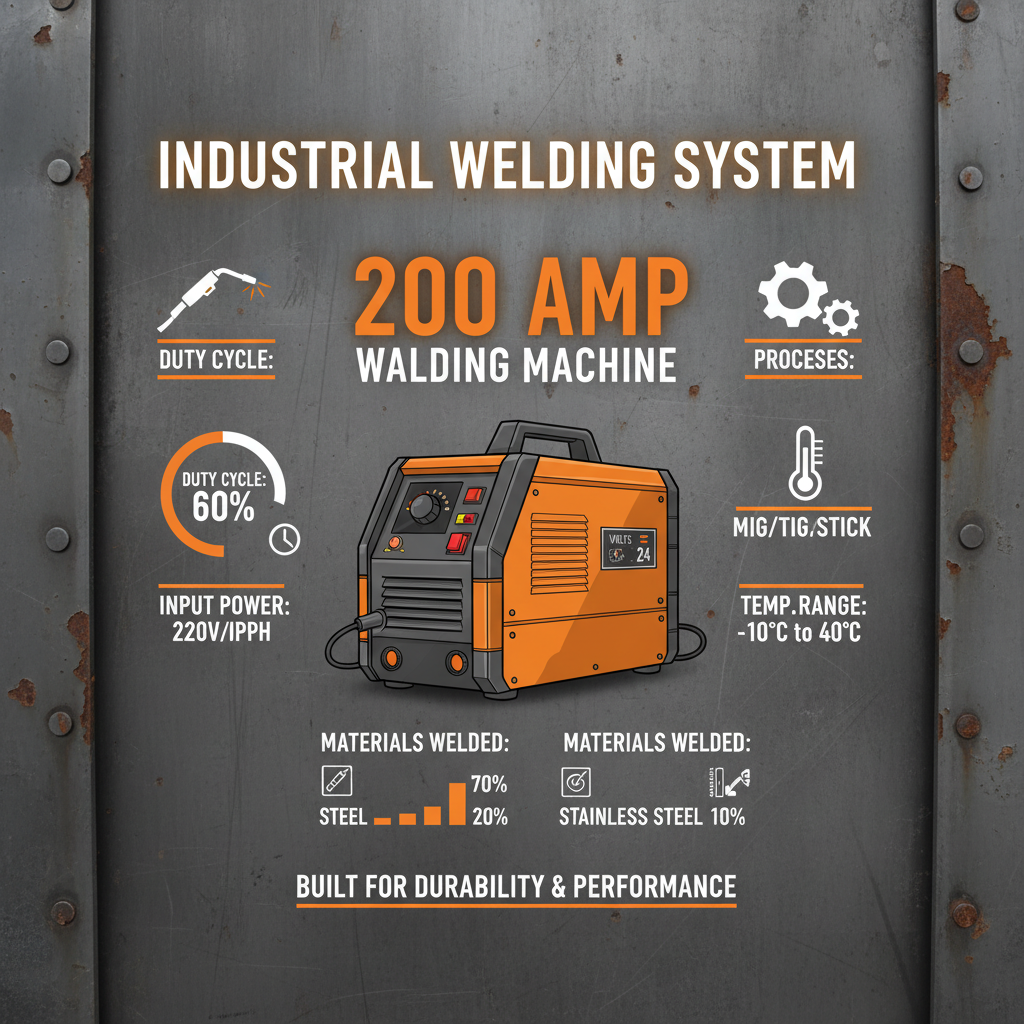
At its core, a 200 amp welding machine is a power source designed to convert incoming electrical current into a controlled arc of heat. This specific amperage rating defines the machine's capacity to melt base metals and filler rods, making it ideal for MIG, TIG, or Stick welding depending on the internal circuitry. It is not merely about the "peak" number, but the "duty cycle"—how long the machine can operate at 200 amps before needing to cool down.
In the context of modern humanitarian and industrial needs, these machines are often deployed in rapid-response repair kits. When a critical pipeline valve or a compressed air tank support fails in a remote zone, the portability of a 200 amp unit ensures that structural repairs can be made on-site without transporting the entire assembly back to a central factory, significantly reducing downtime.
Furthermore, the evolution from heavy transformer-based units to inverter-based technology has redefined what a "200 amp" machine looks like. Modern units are smaller, more energy-efficient, and offer digital controls that allow the operator to fine-tune the arc, ensuring that the heat input is precise enough to prevent warping in thinner gauges of stainless steel.
Core Components for Maximum Weld Integrity
The efficiency of a 200 amp welding machine depends heavily on its internal power regulation. High-quality capacitors and IGBT (Insulated Gate Bipolar Transistor) modules are the heart of the system, ensuring that the current remains stable even when the input voltage fluctuates, which is common in industrial environments.
Thermal management is equally crucial; an advanced cooling system featuring oversized heat sinks and variable-speed fans prevents the 200 amp welding machine from overheating during prolonged use. This reliability is what separates professional-grade equipment from consumer-grade tools, directly impacting the safety and longevity of the welded joint.
Finally, the user interface and electrode control systems allow for scalability. Whether the operator is performing a delicate tack weld or a full-bead structural weld, the precise adjustment of the 200 amp welding machine ensures that the heat-affected zone (HAZ) is minimized, preserving the mechanical properties of the base metal.
Performance Metrics Across Welding Methodologies
Choosing the right process for a 200 amp welding machine involves analyzing the trade-off between speed and precision. For instance, MIG welding at 200 amps provides rapid deposition rates for high-volume production, while TIG welding at the same capacity allows for surgical precision on aluminum or thin-walled tubing.
To better understand how different configurations of these machines perform, we look at ratings based on penetration depth, arc stability, and ease of use. The following data illustrates the comparative strengths of various 200 amp configurations.
Comparative Efficiency of 200 Amp Welding Machine Configurations
Real-World Applications in Heavy Machinery
In the manufacturing of gas compressors and pumps, the 200 amp welding machine is indispensable for assembling housings and brackets. Because these components often face high vibrational stress, the welds must be deep and devoid of porosity, a task perfectly suited for the focused energy output of a 200 amp system.
Beyond the factory floor, these machines are vital in remote industrial zones, such as oil rigs or mining sites. In these high-stakes environments, the ability to perform a high-strength repair on a structural beam or a pneumatic line using a portable 200 amp welding machine can prevent catastrophic failures and save millions in potential lost production.
Long-Term Economic and Structural Value
The investment in a professional 200 amp welding machine yields significant long-term dividends through reduced waste and lower energy overheads. By utilizing inverter technology, shops can reduce their electricity consumption by up to 30% compared to older transformer models, while achieving superior bead quality that requires less post-weld grinding.
From a safety perspective, the consistency provided by modern 200 amp systems minimizes the risk of structural failure in welded joints. This reliability fosters a culture of trust between the manufacturer and the end-user, ensuring that equipment like air compressors or laser cutting machine frames are built to last for decades.
Ultimately, the value lies in versatility. A single 200 amp machine can often replace three smaller, specialized units, simplifying the workshop layout and reducing the cost of spare parts and maintenance. This consolidation allows businesses to scale their operations without proportionally increasing their capital expenditure.
Future Innovations in Inverter Welding Technology
The future of the 200 amp welding machine is inextricably linked to the digital transformation of the industry. We are seeing the rise of "Smart Welders" that utilize AI to suggest the optimal amperage and wire speed based on the metal thickness and joint type, effectively removing the guesswork for junior technicians.
Sustainability is also driving innovation, with new machines being designed for "Green Energy" compatibility, allowing them to run efficiently on solar-powered battery arrays in off-grid locations. This shift ensures that industrial repair capabilities are not limited by the availability of a traditional power grid.
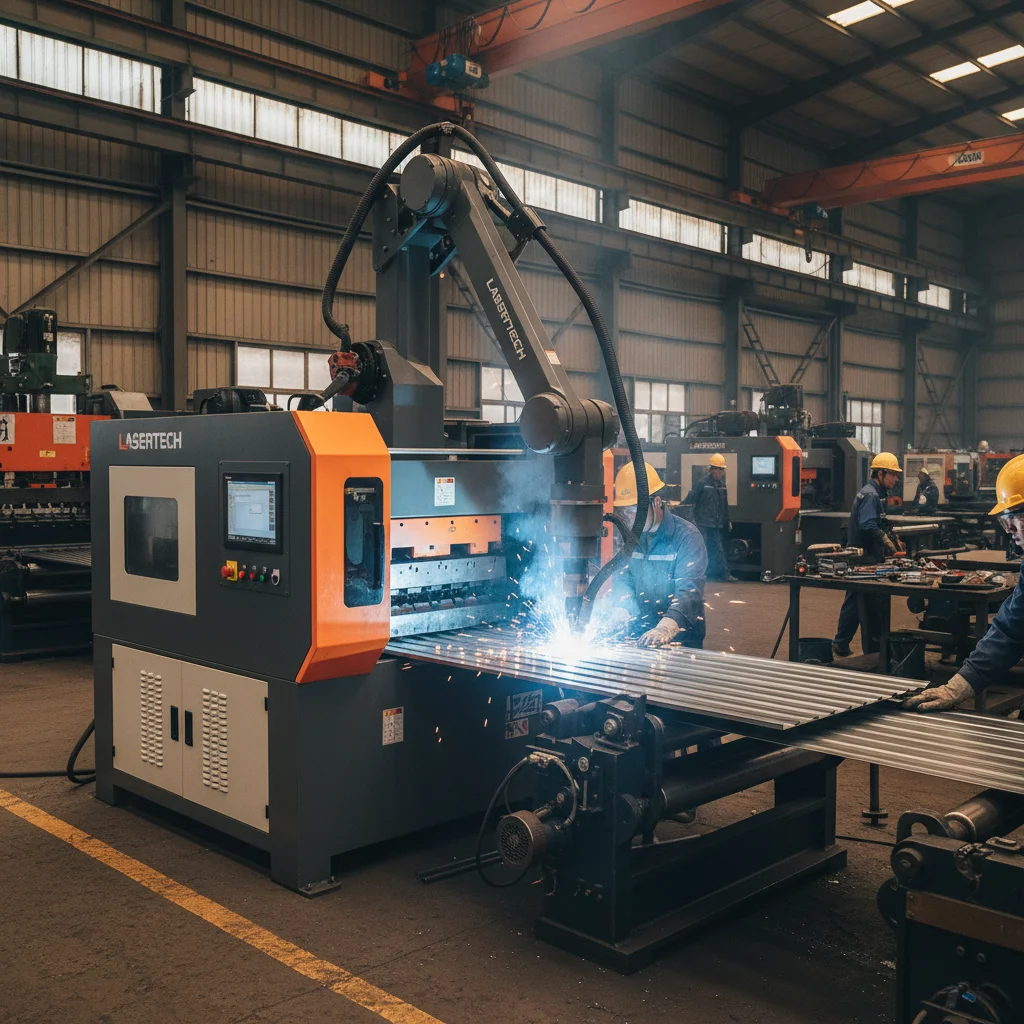
As automation continues to permeate the mid-sized fabrication market, we expect 200 amp systems to integrate more seamlessly with collaborative robots (cobots). This will combine the flexibility of a 200 amp machine with the repeatability of robotics, ushering in a new era of precision manufacturing for general equipment.
Comparison of 200 Amp Welding Machine Technical Specifications by Type
|
Machine Type
|
Duty Cycle @ 200A
|
Energy Efficiency
|
Primary Application
|
| Inverter MIG |
60% |
High |
Rapid Fabrication |
| Transformer Stick |
40% |
Low |
Heavy Construction |
| Digital TIG |
50% |
Very High |
Precision Piping |
| Multi-Process |
45% |
Medium |
General Repair |
| Flux-Core Portable |
30% |
Medium |
Outdoor Field Work |
| Industrial Hybrid |
70% |
High |
24/7 Production |
FAQS
Yes, for most general fabrication, a 200 amp welding machine is sufficient for steel plates up to 3/8 of an inch. However, for thicker materials, you may need to perform multi-pass welding or bevel the edges to ensure full penetration. For industrial-scale heavy plating, a higher amperage unit may be required, but for 90% of shop work, 200 amps is the ideal balance.
It depends on the machine's input requirements. Many modern inverter-based 200 amp welding machines are designed for 110V/220V dual voltage. While they can run on 110V, you typically cannot reach the full 200 amp output without a 220V connection. Always check your circuit breaker capacity to avoid tripping the power during a heavy weld.
A 200 amp MIG machine uses a continuously fed wire electrode and is built for speed and ease of use. A 200 amp TIG machine uses a non-consumable tungsten electrode and provides far more control over the heat and the weld pool, making it better for thinner materials and aesthetic finishes. Many "multi-process" machines combine both capabilities in one unit.
The duty cycle tells you how many minutes out of a 10-minute period the machine can weld at its maximum rating without overheating. If a machine has a 40% duty cycle at 200 amps, it can weld for 4 minutes and must cool for 6. If you are doing heavy, continuous production, look for a machine with a higher duty cycle to avoid forced downtime.
Generally, yes. Inverter machines are significantly lighter, more energy-efficient, and offer a smoother, more stable arc. Transformer machines are more "rugged" and can be more durable in extremely harsh environments with poor power quality, but they are cumbersome and consume more electricity. For most modern shops, inverters are the superior choice.
For stainless steel, you should use a matching filler wire (such as ER308L for MIG or TIG). Ensure you use a high-purity shielding gas—typically a mix of Argon and CO2 for MIG or pure Argon for TIG—to prevent oxidation and "sugar" on the backside of the weld, ensuring the corrosion resistance of the stainless steel remains intact.
Conclusion
The 200 amp welding machine stands as a cornerstone of modern industrial fabrication, offering a perfect synthesis of power, portability, and precision. From the assembly of complex gas compression machinery to urgent on-site structural repairs, these machines provide the reliability and versatility required to maintain global infrastructure. By integrating advanced inverter technology and digital controls, they not only improve weld quality but also contribute to operational efficiency and sustainability in the workshop.
As we move toward an era of smarter, greener manufacturing, the evolution of mid-range welding equipment will continue to empower technicians and engineers. Investing in a high-quality 200 amp system is more than just a purchase—it is a commitment to durability, safety, and technical excellence. To explore the best tools for your industrial needs, visit our website: www.topstarlaser.com.