Shijiazhuang Topstar
International Trading Co., Ltd.


Get In Touch
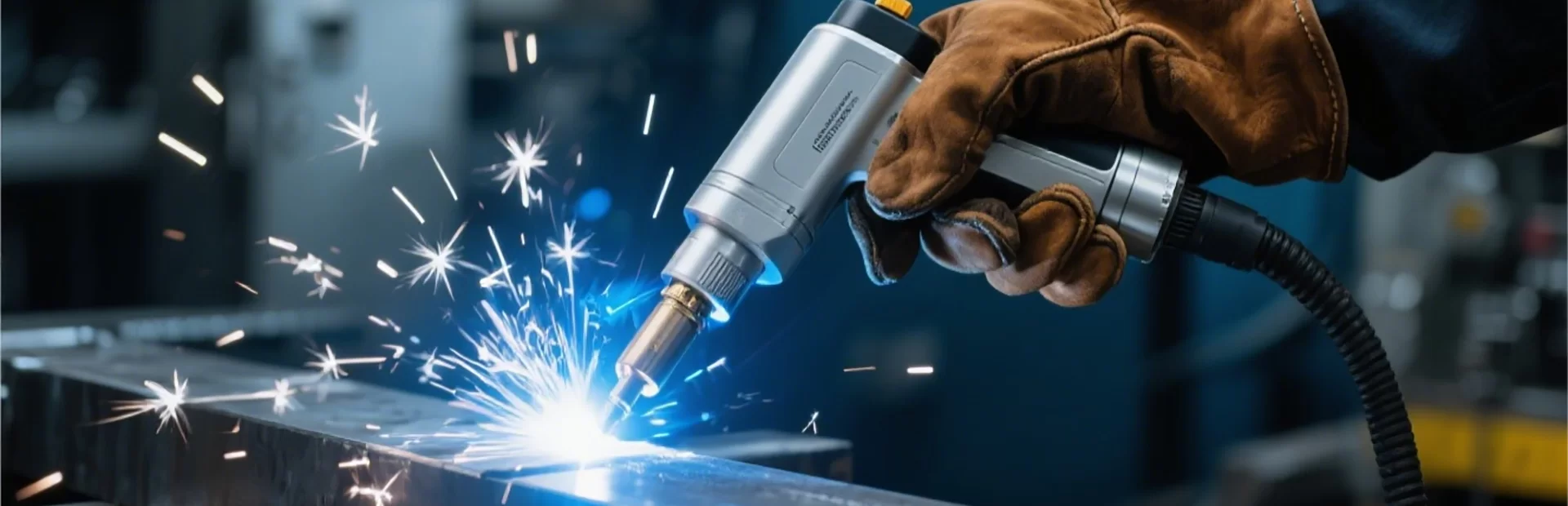
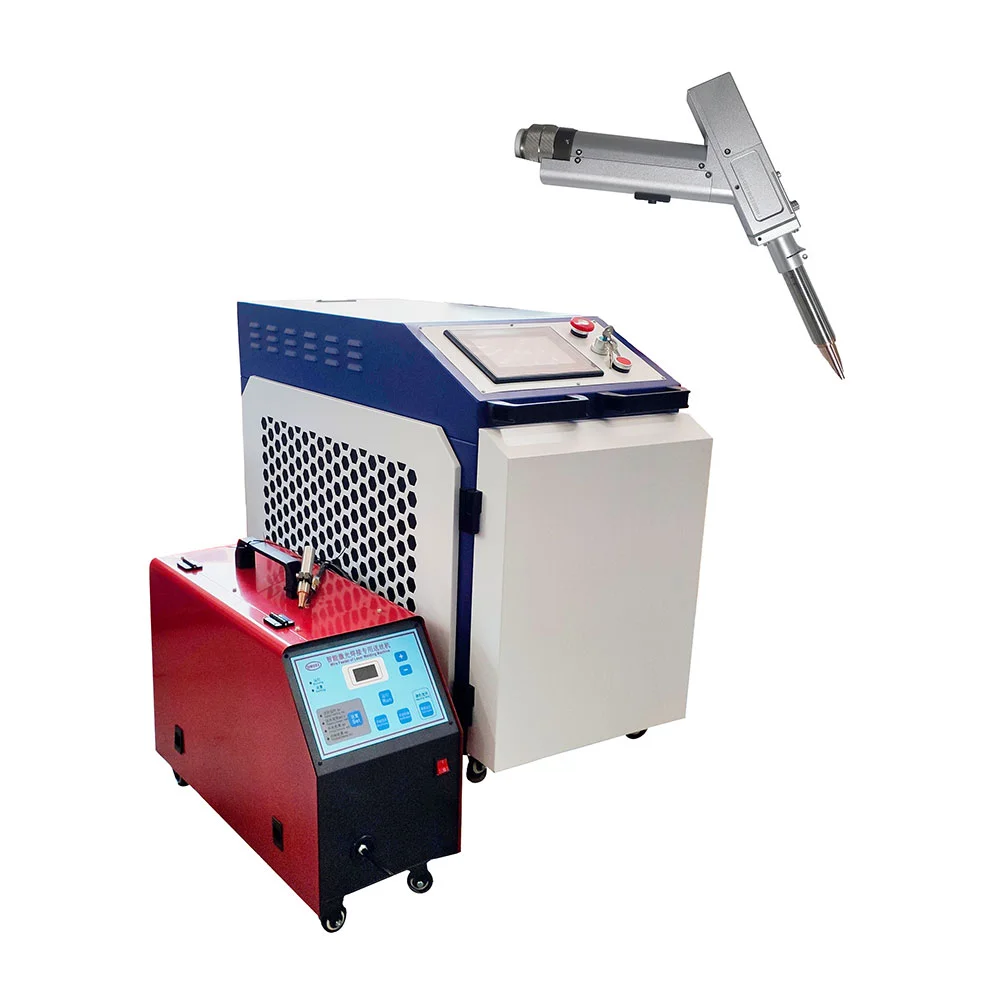
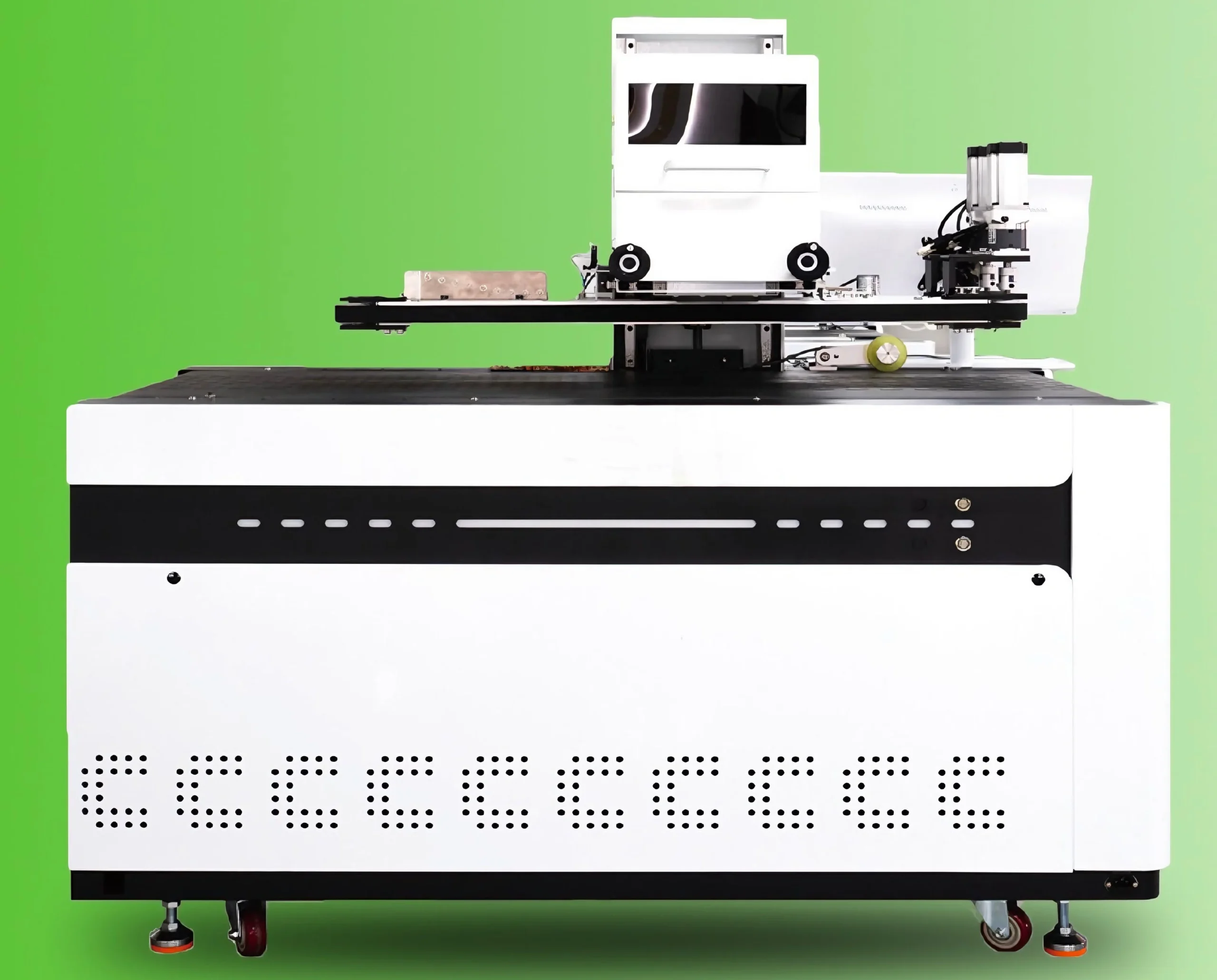
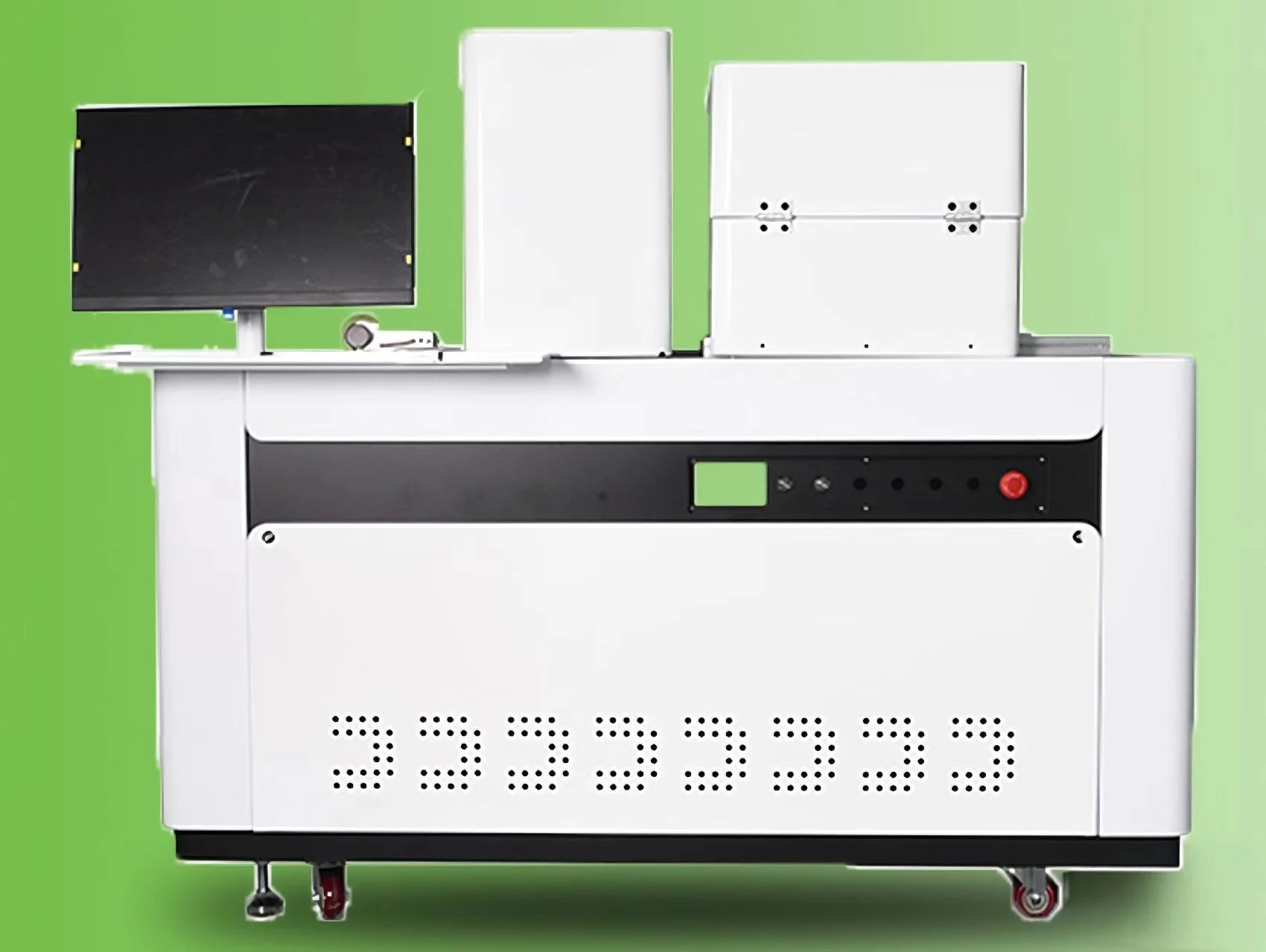
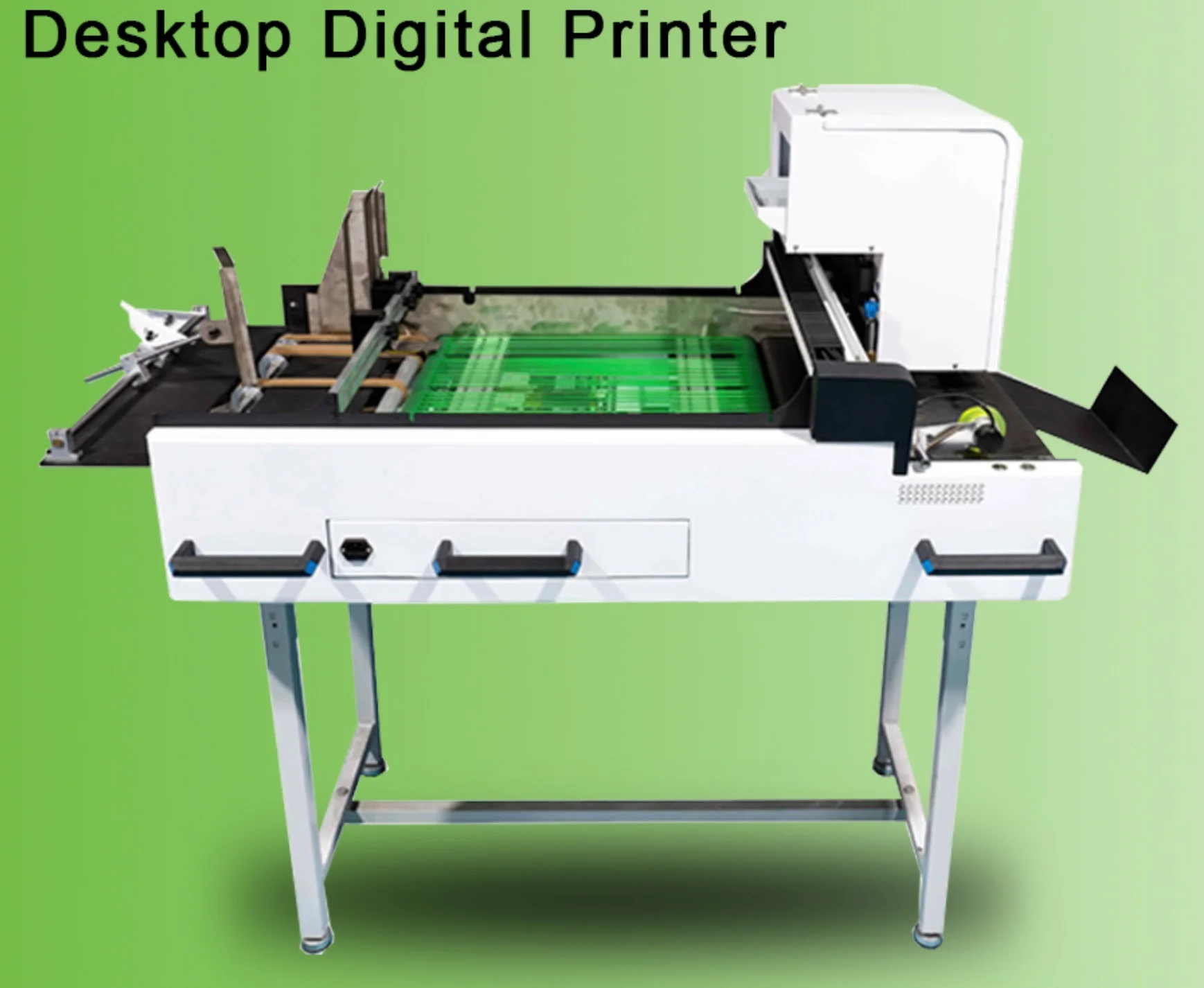
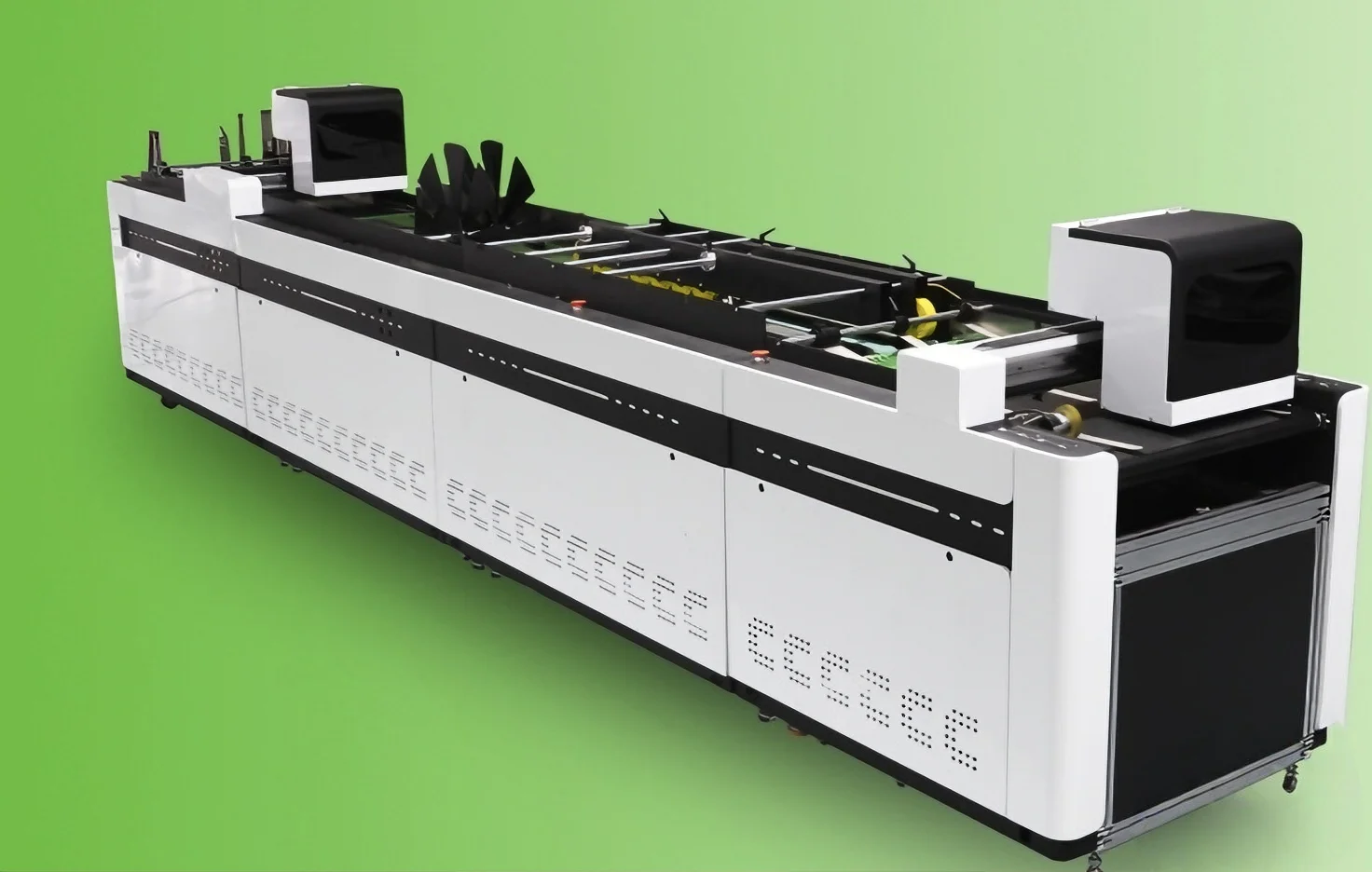
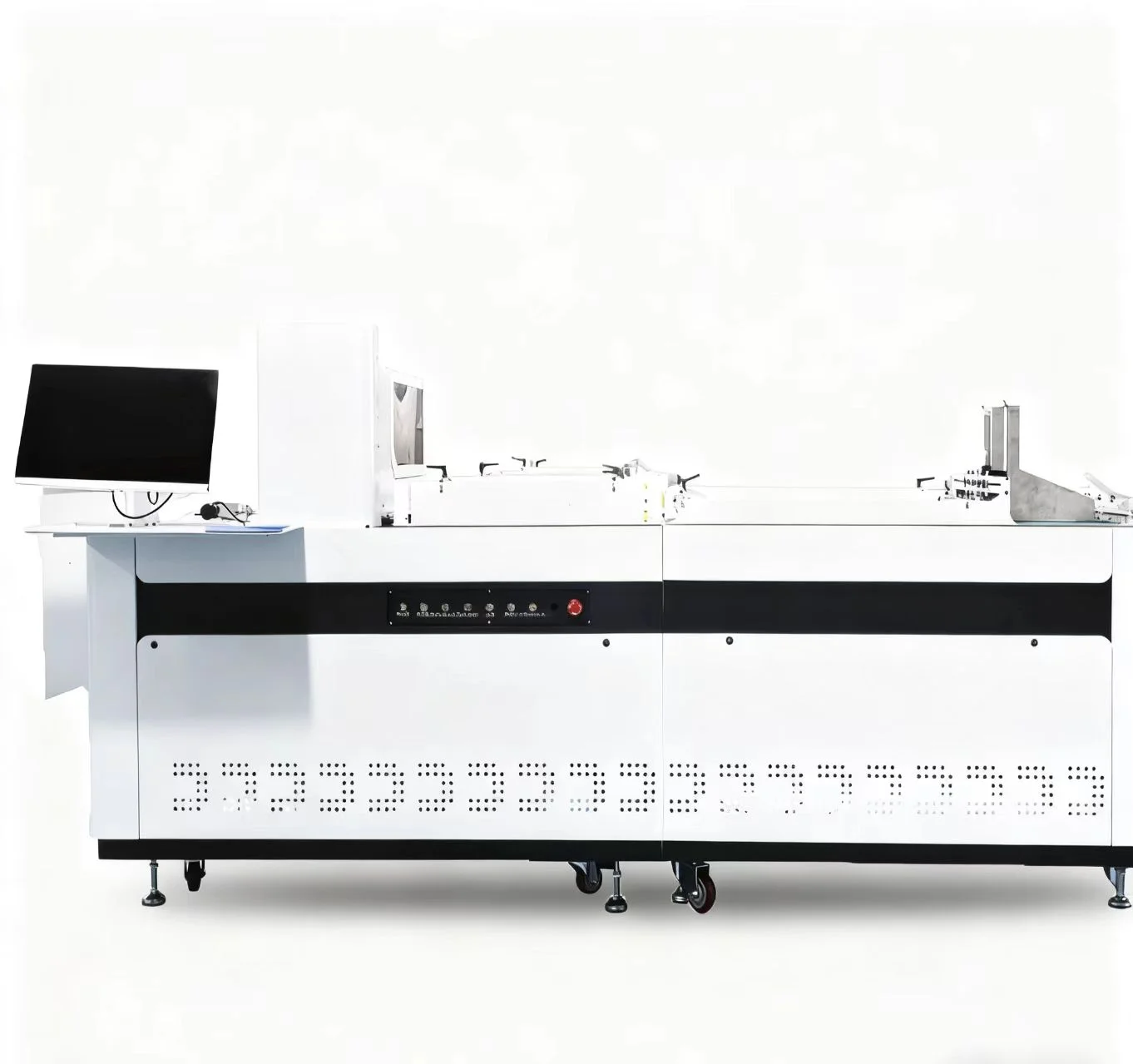
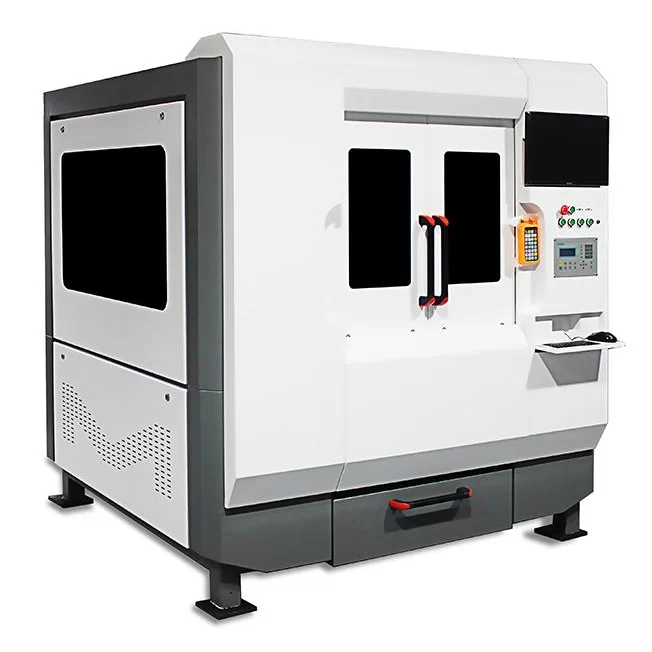
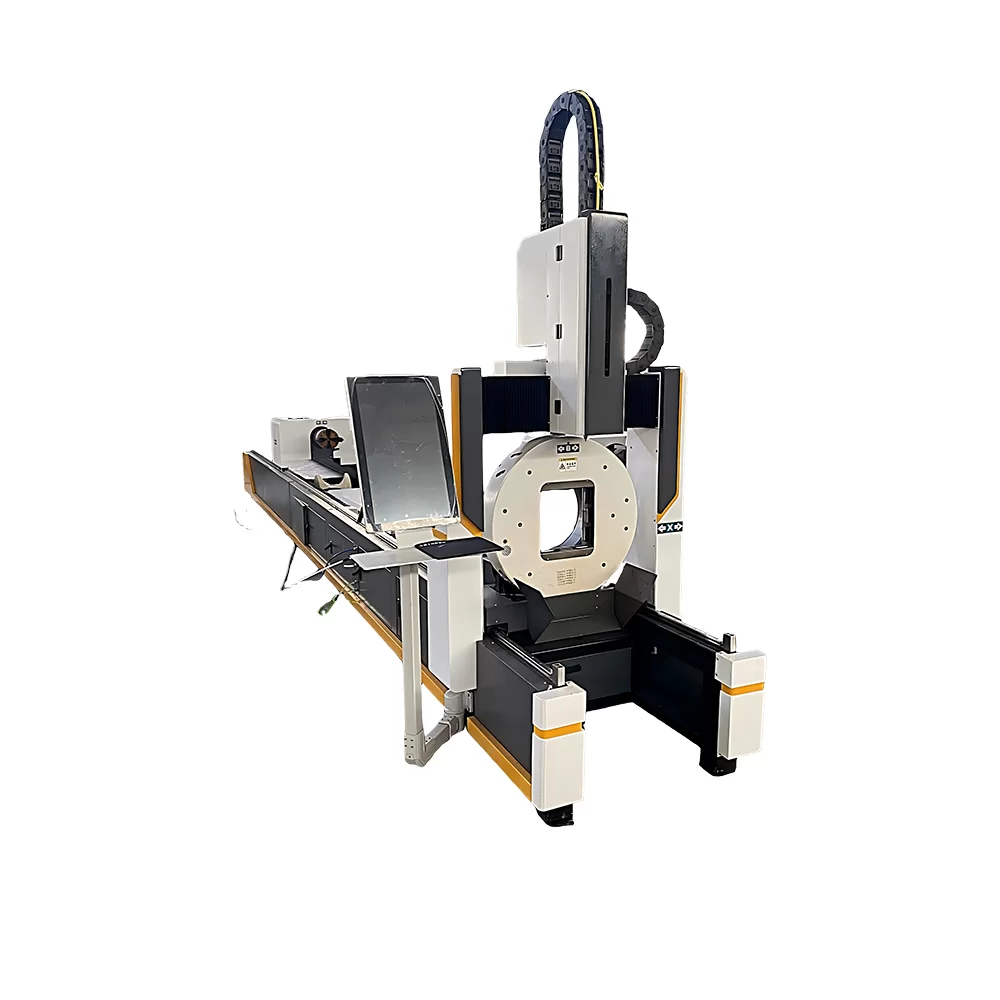
In the realm of modern manufacturing and fabrication, laser cutting machines have emerged as indispensable tools. These machines offer precision, speed, and versatility, making them ideal for a wide range of applications across numerous industries. Understanding the details of a laser cutting machine – its components, types, and capabilities – is crucial for making informed decisions. This guide will provide an in-depth exploration of these details, helping you navigate the world of laser cutting technology and determine the best solution for your needs.
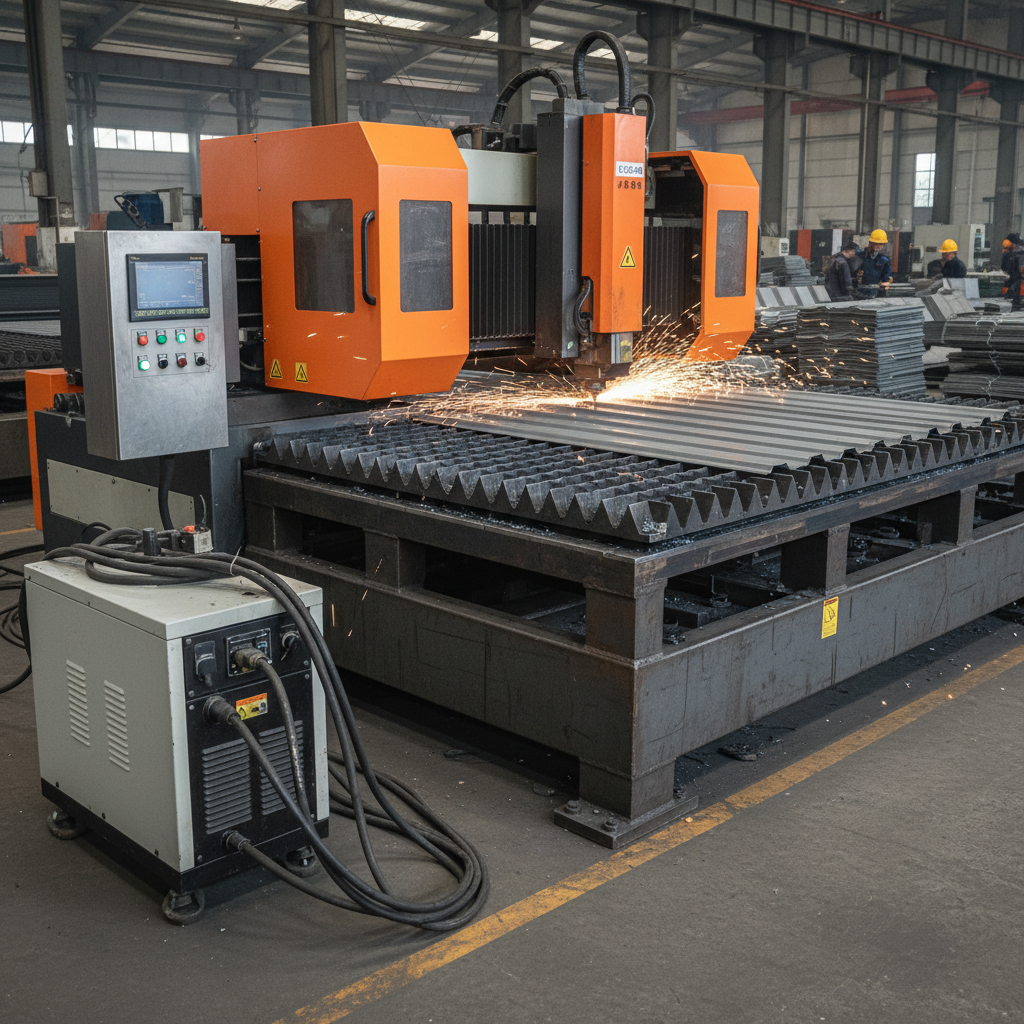
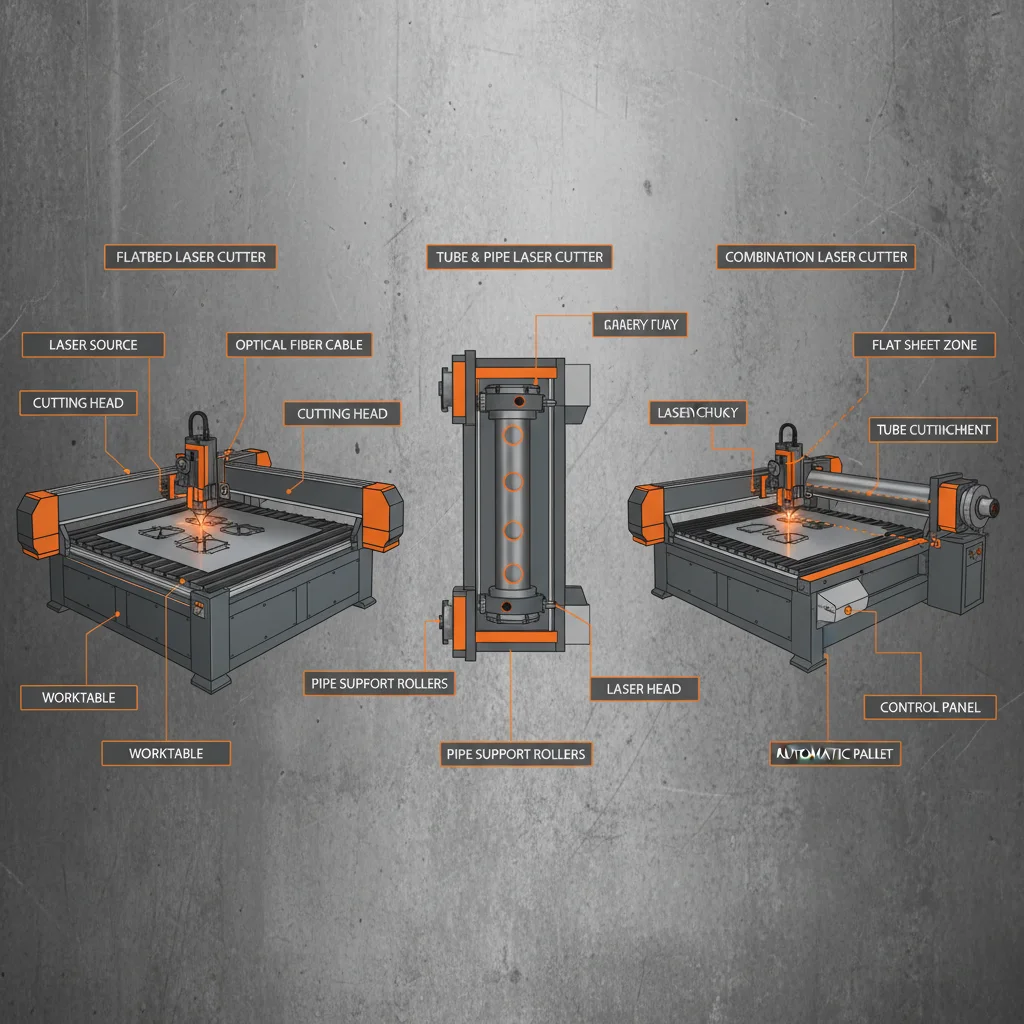
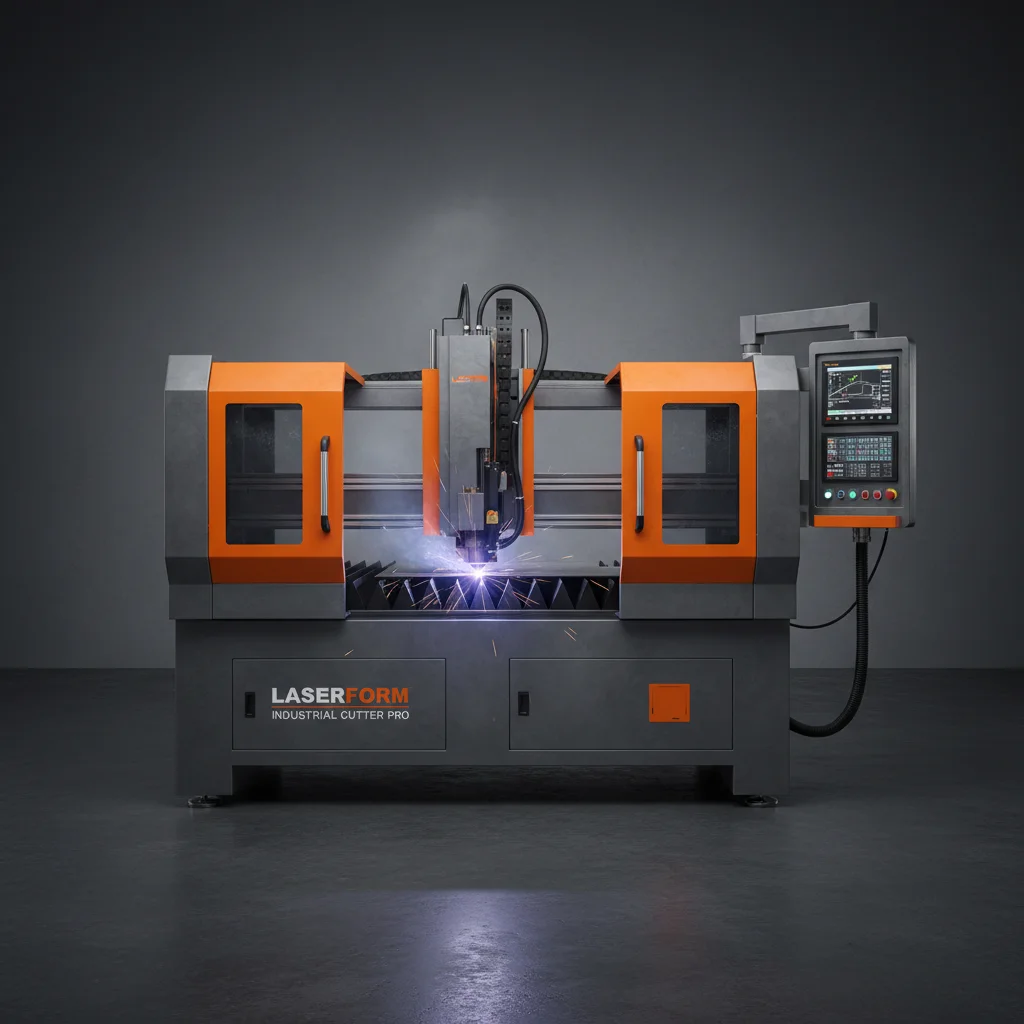
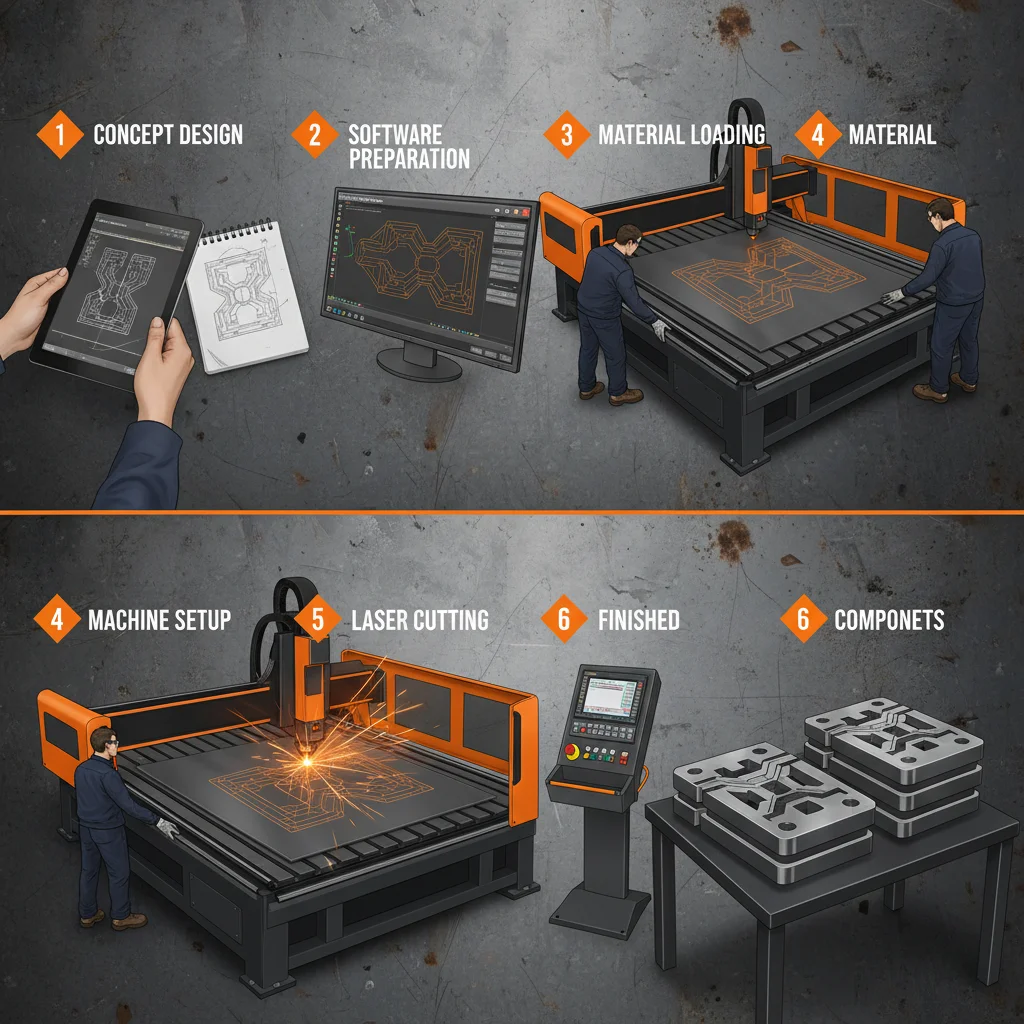
A laser cutting machine isn't just a single unit; it's a sophisticated system built from several key components. The laser source is the heart of the machine, generating the high-powered beam used for cutting. Common laser sources include CO2, Fiber, and Nd:YAG lasers, each with its strengths and weaknesses. The motion system, consisting of motors, rails, and controllers, precisely moves the laser head across the material. The control system, often a CNC (Computer Numerical Control) interface, translates design files into instructions for the motion system. Finally, the exhaust system removes fumes and debris generated during the cutting process, ensuring a safe working environment. Each component plays a vital role in the overall performance and accuracy of the machine.
Key Components at a Glance: The precision of a laser cutting machine relies on the seamless integration of its core components – laser source, motion system, control system, and exhaust system.
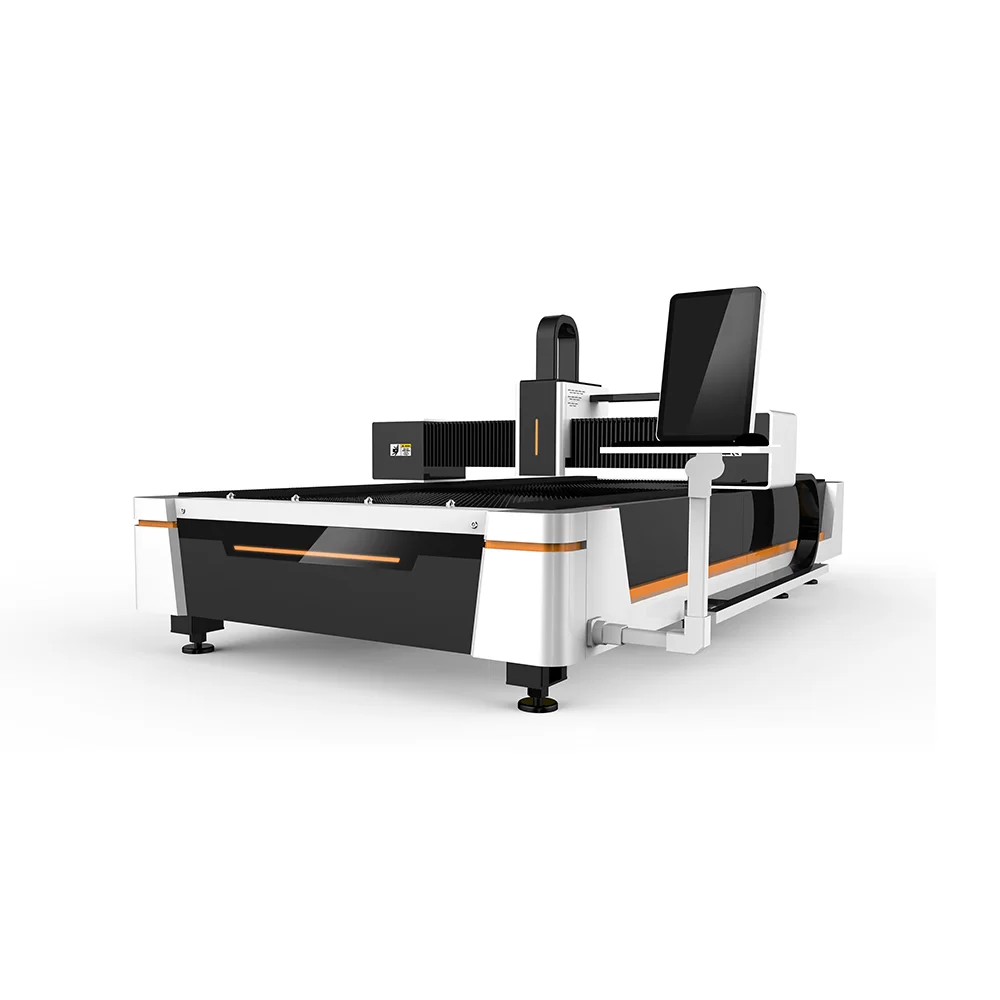
Laser cutting machines come in various types, tailored to specific materials and applications. CO2 laser cutters are highly versatile, capable of cutting a wide range of non-metallic materials like wood, acrylic, and fabric. Fiber laser cutters are ideal for metals, offering high precision and speed. Nd:YAG laser cutters can handle both metals and some non-metals, but generally require higher maintenance. The choice of machine depends on your material needs and desired cutting quality. For example, a business specializing in metal fabrication will likely benefit from a fiber laser, while a craft workshop may find a CO2 laser more suitable. Topstar Laser offers a diverse range of machines to suit various applications.
Laser Cutting Machine Types:
• CO2 Laser: Versatile for non-metals.
• Fiber Laser: High-precision metal cutting.
• Nd:YAG Laser: Handles both metals and non-metals.
Choosing the right laser source is paramount. Here’s a comparison to help you decide:
Beyond the type of laser source, several other factors influence your choice. Consider the working area needed for your projects. Larger projects require a machine with a larger cutting bed. The material thickness you'll be cutting is also crucial. Some machines are limited to thinner materials. The power of the laser impacts cutting speed and material compatibility. Finally, don't overlook the software and automation features, as these can significantly streamline your workflow. Topstar Laser provides expert guidance to help you navigate these considerations.
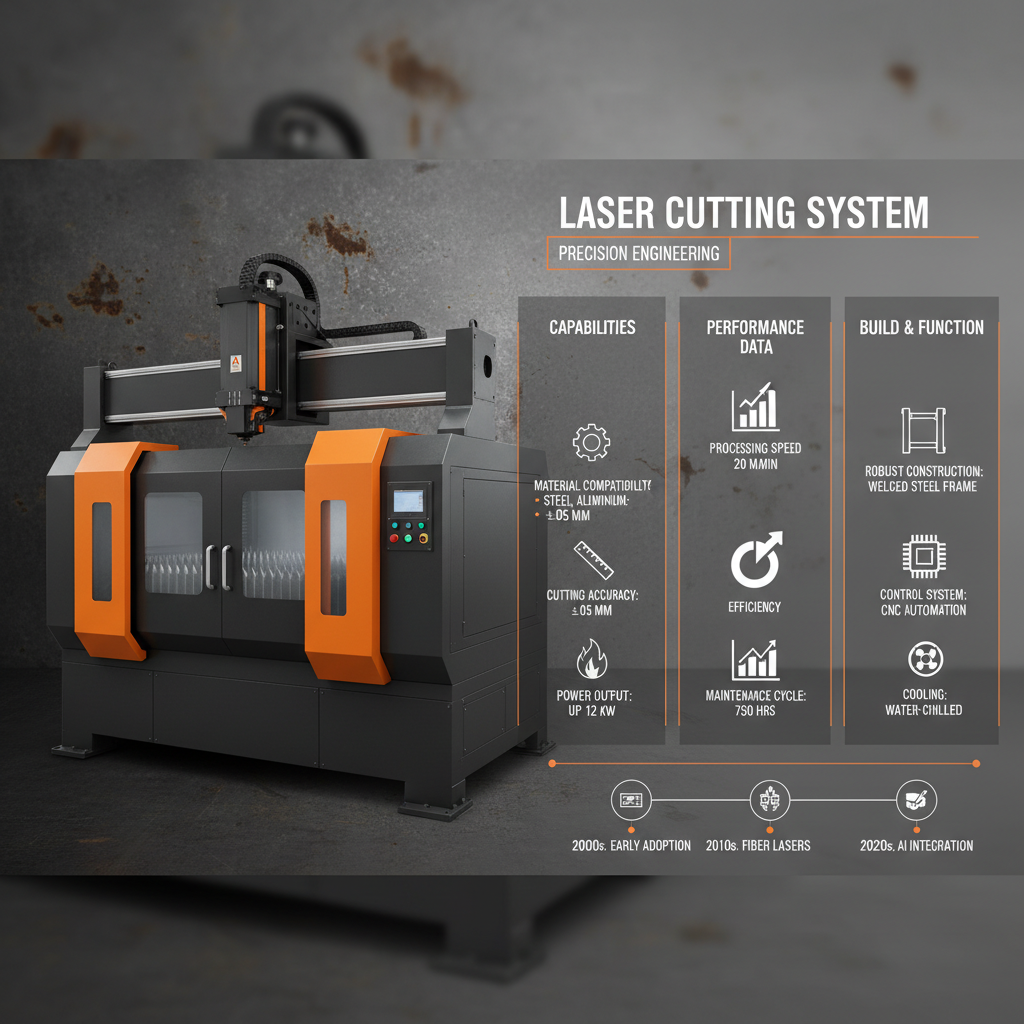
Here's a detailed look at the specifications for the Topstar Laser TSL-1390, a popular CO2 laser cutting machine:
Choosing the right laser cutting machine is a significant investment. By understanding the core components, types of lasers, and key considerations outlined in this guide, you can make an informed decision that aligns with your specific needs and budget. Topstar Laser is committed to providing high-quality machines and expert support to help you succeed.
CO2 laser cutting machines are exceptionally versatile and can cut a wide range of non-metallic materials. These include wood, acrylic, plastics (such as polypropylene and polyethylene), fabric, leather, paper, cardboard, and even some types of rubber. However, they are not suitable for cutting metals directly. Their ability to engrave on certain metals is limited, and generally only works on coated metals. The wavelength of CO2 lasers doesn't interact effectively with most metals.
The exhaust system is critical for safety and maintaining a clean working environment. During the laser cutting process, fumes and particles are generated. These fumes can be hazardous to breathe and can also coat the machine’s optics, reducing performance. A properly functioning exhaust system removes these fumes, protecting the operator and extending the life of the machine. It often includes filters to remove particulate matter and a fan to create suction.
Fiber laser cutting machines generally require less maintenance compared to CO2 or Nd:YAG lasers. They don’t require regular gas refills or extensive optics cleaning. However, routine maintenance still includes cleaning the cutting head, checking the nozzle for wear, and inspecting the beam path for obstructions. The fiber cable itself needs periodic inspection. Overall, the lower maintenance demands contribute to reduced downtime and operational costs.
Several software options are commonly used to control laser cutting machines. Popular choices include LightBurn, RDWorks, and CorelDRAW with a laser plugin. These software packages allow you to import design files (typically in formats like DXF, SVG, or AI), adjust cutting parameters (power, speed, frequency), and control the motion of the laser head. The software translates your design into a set of instructions the machine can understand.