Shijiazhuang Topstar
International Trading Co., Ltd.


Get In Touch
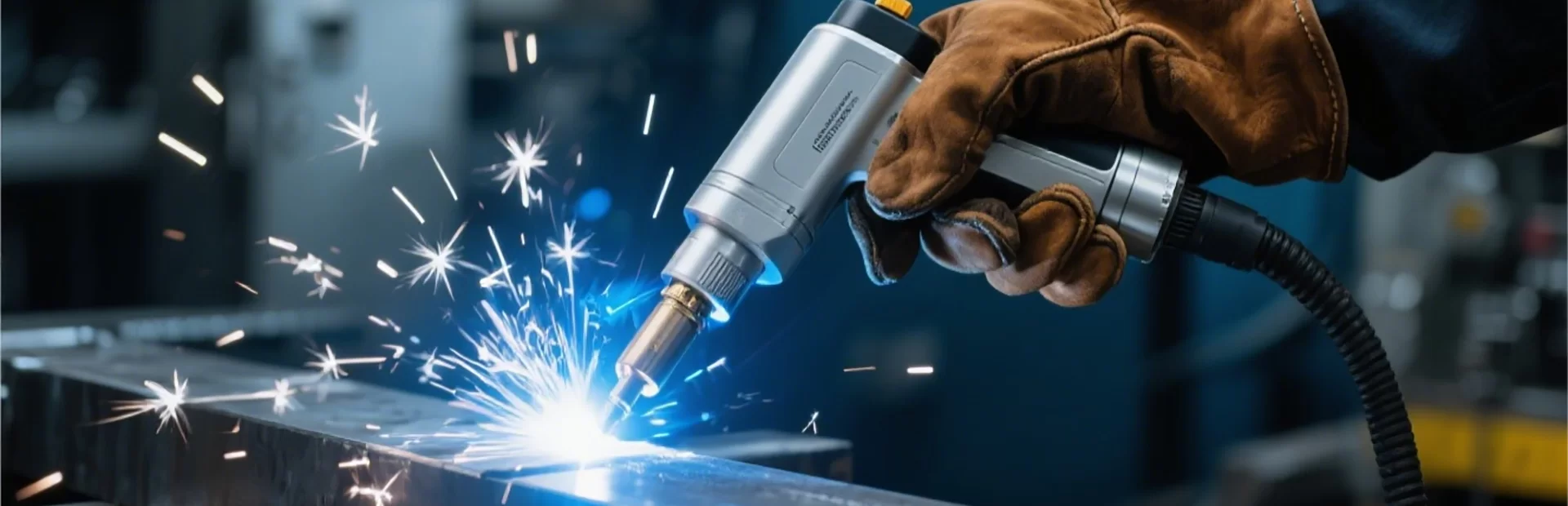
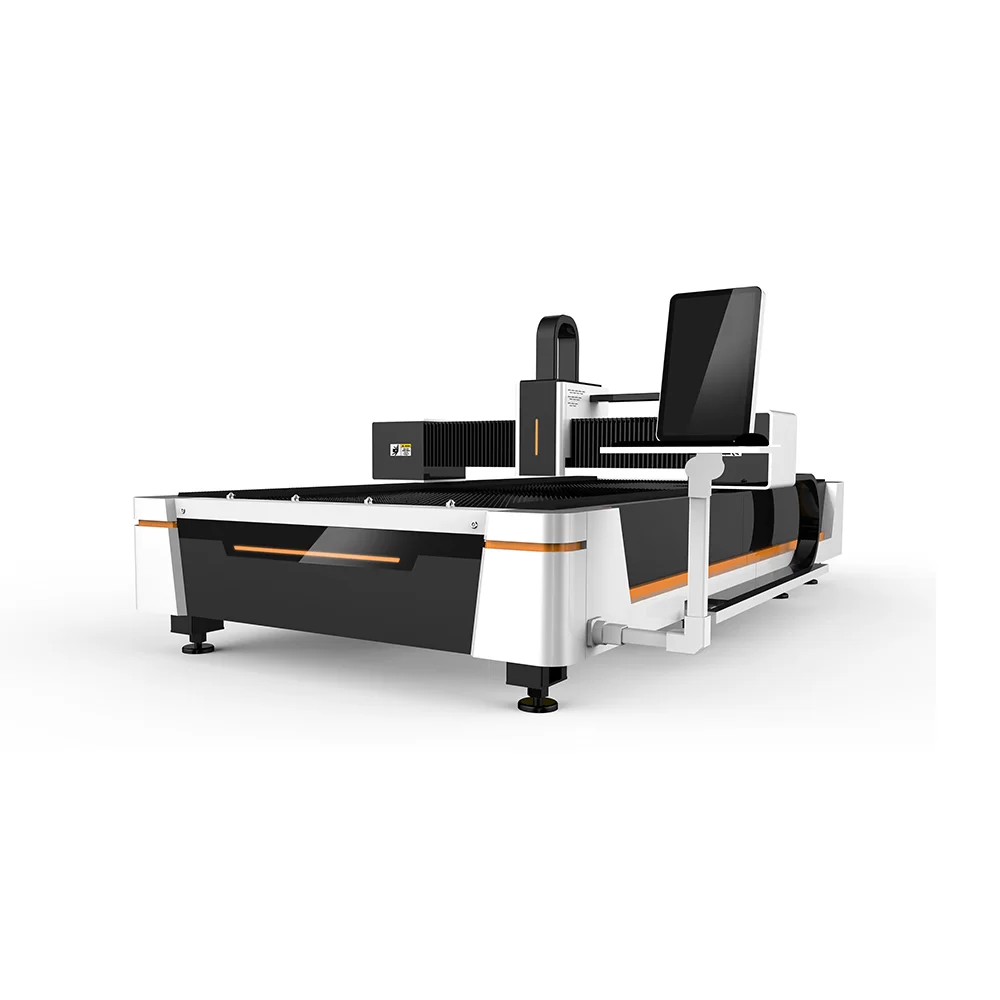
The global manufacturing sector is currently experiencing a profound shift in how raw materials are transformed into finished products. At the heart of this transformation is the laser—a concentrated beam of light that has replaced saws, blades, and mechanical bits as the primary instrument of precision. The transition toward light-based fabrication has allowed for levels of complexity and speed that were once considered physically impossible. As businesses strive for higher efficiency and lower waste, the focus has narrowed significantly on the most efficient medium for processing alloys. This demand has positioned the fiber laser cutting machine for metal as the cornerstone of the modern industrial workshop, fundamentally altering the economics of production.
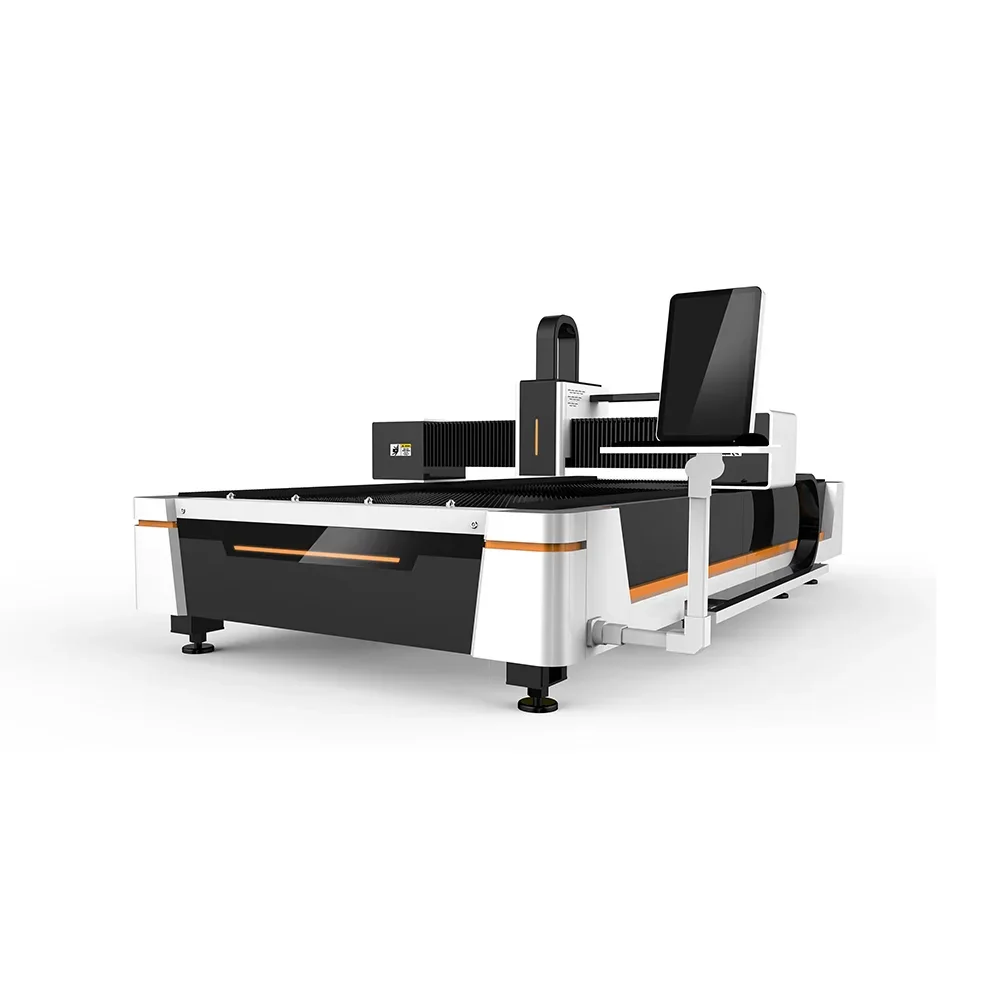
To understand why the industry has moved away from traditional methods, one must examine the specific physics behind the fiber laser cutting machine for metal. Unlike older gas-based systems that use a mixture of carbon dioxide to create a beam, a fiber laser generates its light through an active gain medium consisting of an optical fiber doped with rare-earth elements such as ytterbium. This light is then delivered through a flexible fiber optic cable directly to the cutting head.
The primary advantage of this technology is the wavelength of the light produced. Fiber lasers operate at a wavelength of approximately 1.06 microns, which is significantly shorter than the 10.6 microns produced by CO2 systems. This shorter wavelength is absorbed much more readily by metallic surfaces. When the beam hits a sheet of stainless steel or brass, the energy is instantly converted into heat, vaporizing the metal with minimal reflection. This efficiency allows a fiber laser cutting machine for metal to cut through thin materials at speeds two to three times faster than a CO2 machine of equivalent power.
Beyond speed, the maintenance profile of fiber technology is a major draw for industrial users. Traditional lasers require internal mirrors that must be perfectly aligned and cleaned, as well as a constant supply of high-purity laser gases. Fiber lasers, being solid-state, have no moving parts or mirrors in the light-generating source. This "fit and forget" nature results in a machine that boasts a much higher uptime and a lower total cost of ownership over its lifespan. For a high-output factory, the switch to fiber is not just a technological upgrade; it is a strategic move to ensure continuous, high-speed production.
The proliferation of this advanced technology would not be possible without the massive scale and innovation brought forth by a specialized fiber laser cutting machine manufacturer. These entities have taken on the role of system integrators, combining complex laser sources, cooling chillers, and precision CNC controllers into a single, cohesive unit. In the current global market, the competition between manufacturers has reached a fever pitch, resulting in rapid-fire iterations of hardware and software.
A leading fiber laser cutting machine manufacturer does not merely assemble parts; they conduct rigorous research into the thermodynamics of the cutting process. This research has led to the development of "smart" cutting heads that can automatically adjust their focal point based on the thickness of the material detected. This automation reduces the reliance on highly skilled labor, as the machine itself can compensate for variations in the metal.
Furthermore, these manufacturers have pioneered the move toward ultra-high-power systems. While a 3kW or 6kW system was considered industry-standard only a few years ago, manufacturers are now routinely shipping 12kW, 20kW, and even 30kW systems to heavy industry clients. These high-power units allow for "bright surface cutting" of thick stainless steel, leaving a finish so smooth that it requires no secondary polishing or grinding. By lowering the price point through mass production and improving the accessibility of the technology, the modern fiber laser cutting machine manufacturer has effectively democratized high-precision engineering for shops of all sizes.
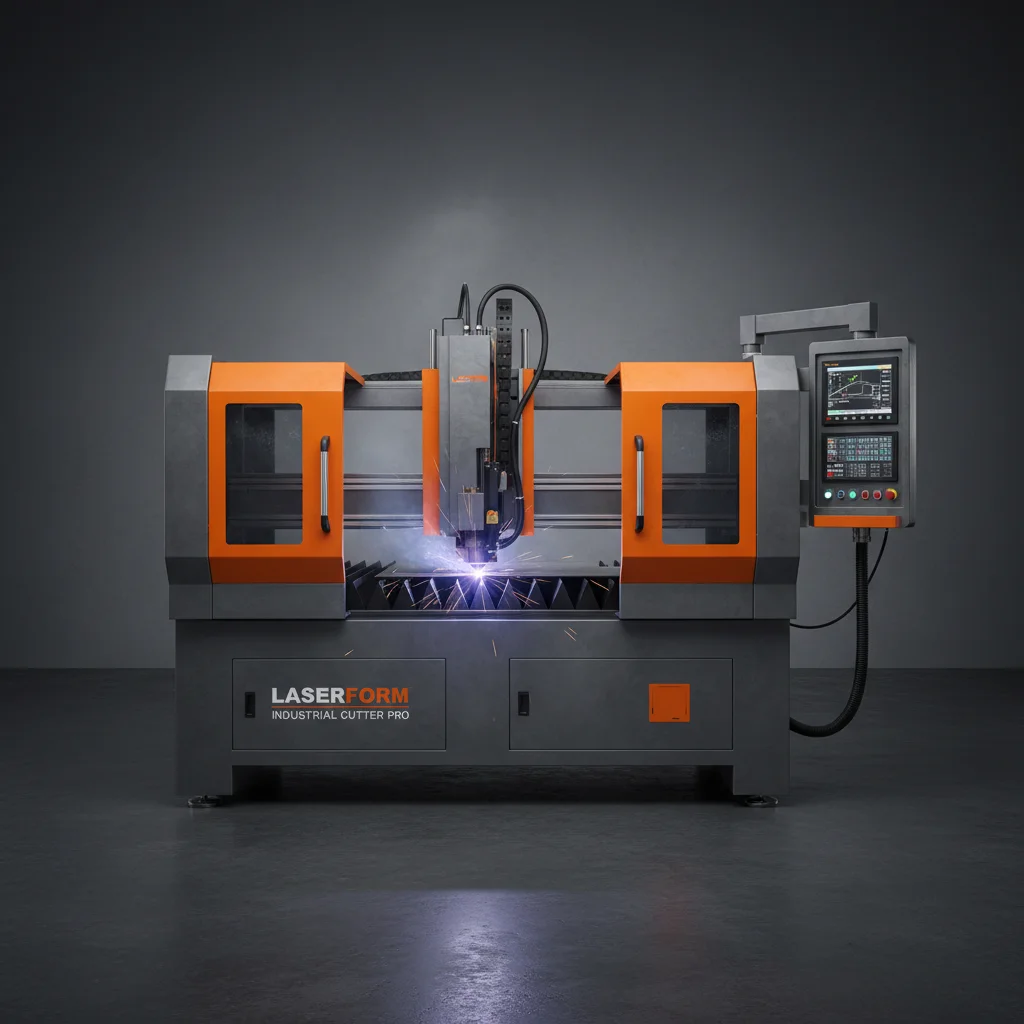
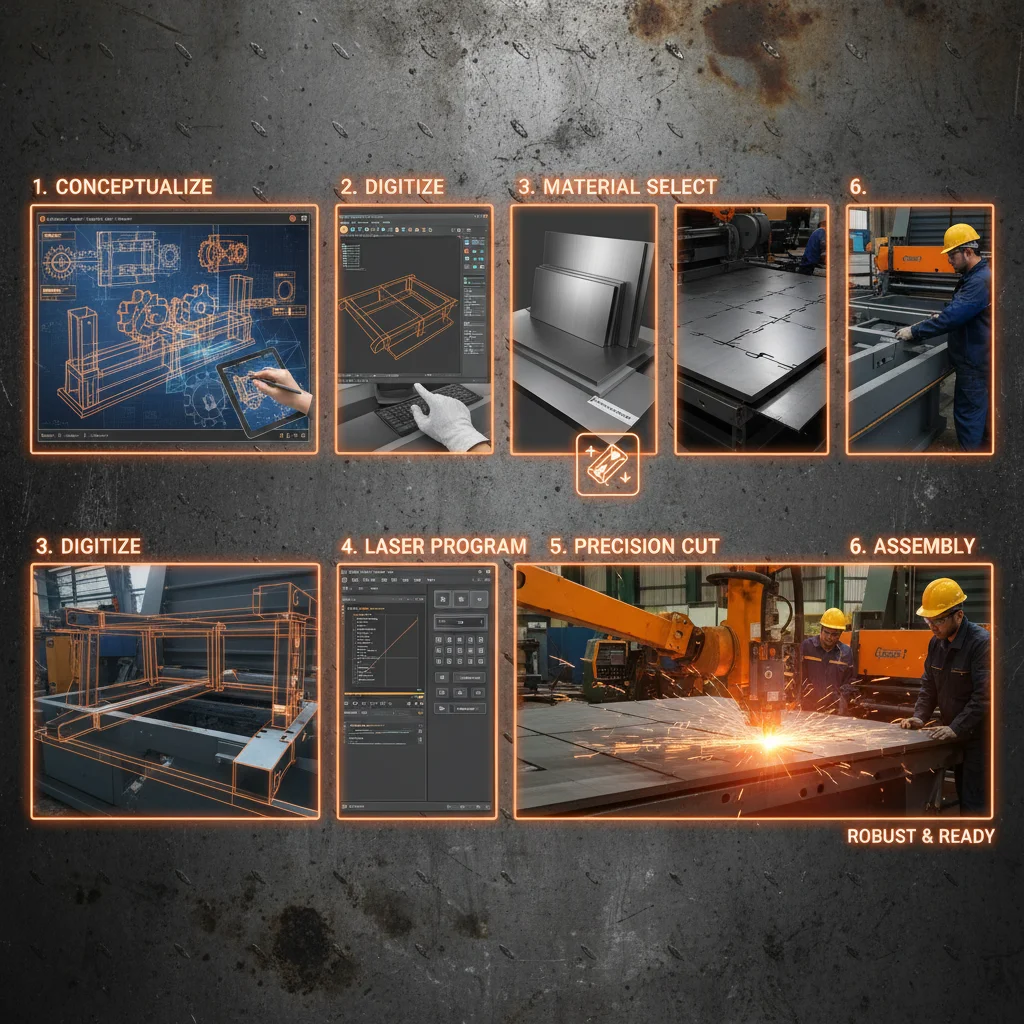
The performance of any laser system is ultimately capped by its physical structure, commonly referred to in the industry as the laser cutting machine design. A laser beam is a tool of extreme delicacy, and any vibration or thermal expansion within the machine’s frame can lead to imperfections in the cut. Therefore, the engineering behind the bed and the gantry is as critical as the laser source itself.
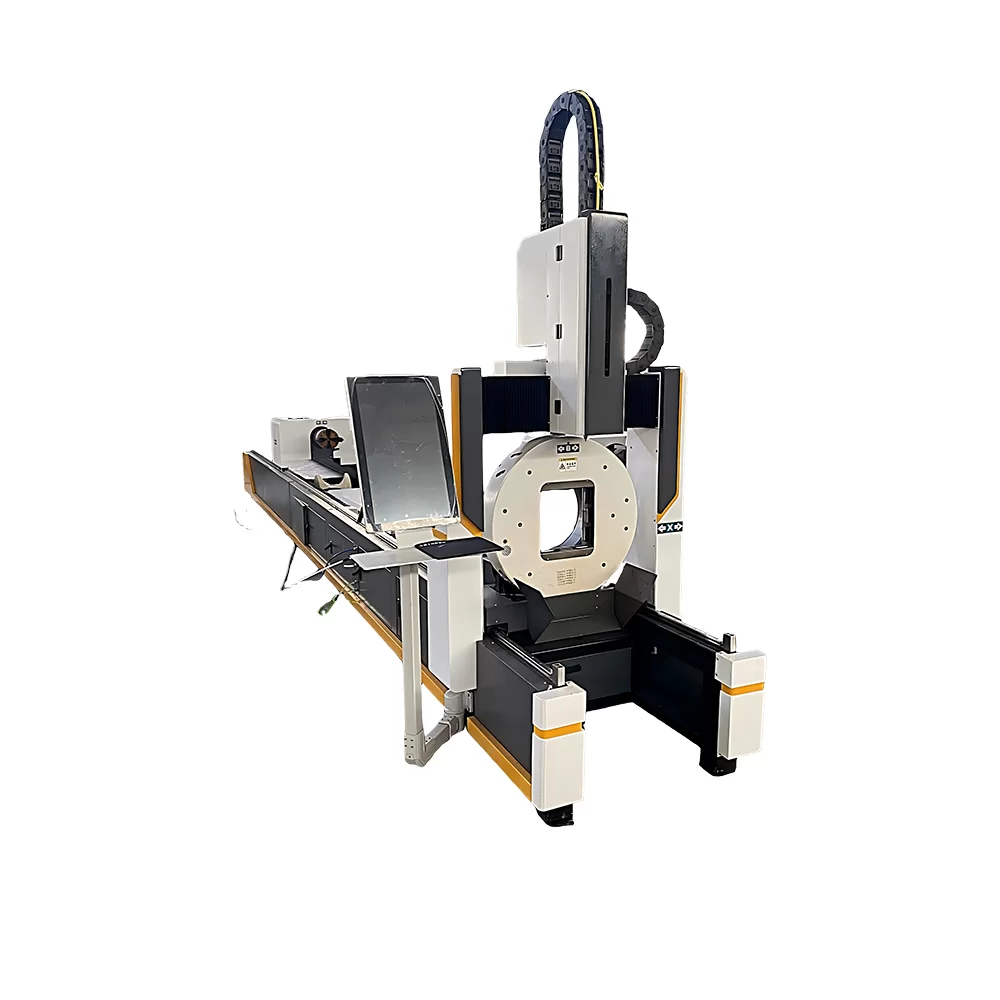
In a professional laser cutting machine design, the bed is often made from heavy, welded steel that has been "stress-relieved" through a heat-treatment process. This ensures that the frame will not warp or shift over years of use. For the motion system, many designers opt for a "gantry" made from aviation-grade extruded aluminum. Aluminum provides the perfect balance of rigidity and low mass, allowing the motors to accelerate the cutting head at several Gs without losing accuracy.
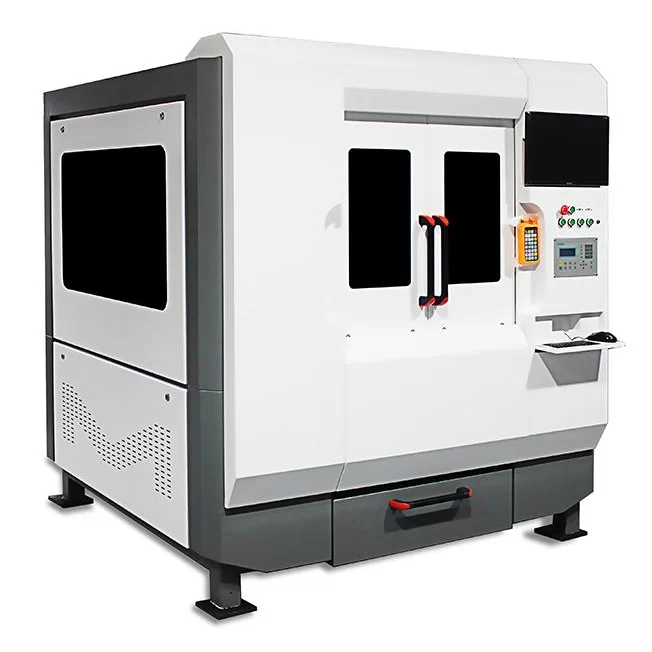
The design must also address the environmental impact of the cutting process. When metal is vaporized, it creates fine dust and potentially toxic fumes. Advanced laser cutting machine design incorporates a "zoned" dust extraction system. This means that the vacuum suction is only active in the specific area where the laser is currently cutting, which maximizes the efficiency of the fume extraction and keeps the workshop air clean. Additionally, safety is woven into the design through fully enclosed cabins with OD6+ rated safety glass, protecting operators from the invisible but dangerous infrared light. A holistic approach to design ensures that the machine is not only a fast cutter but a safe, stable, and long-lasting asset for the manufacturing floor.
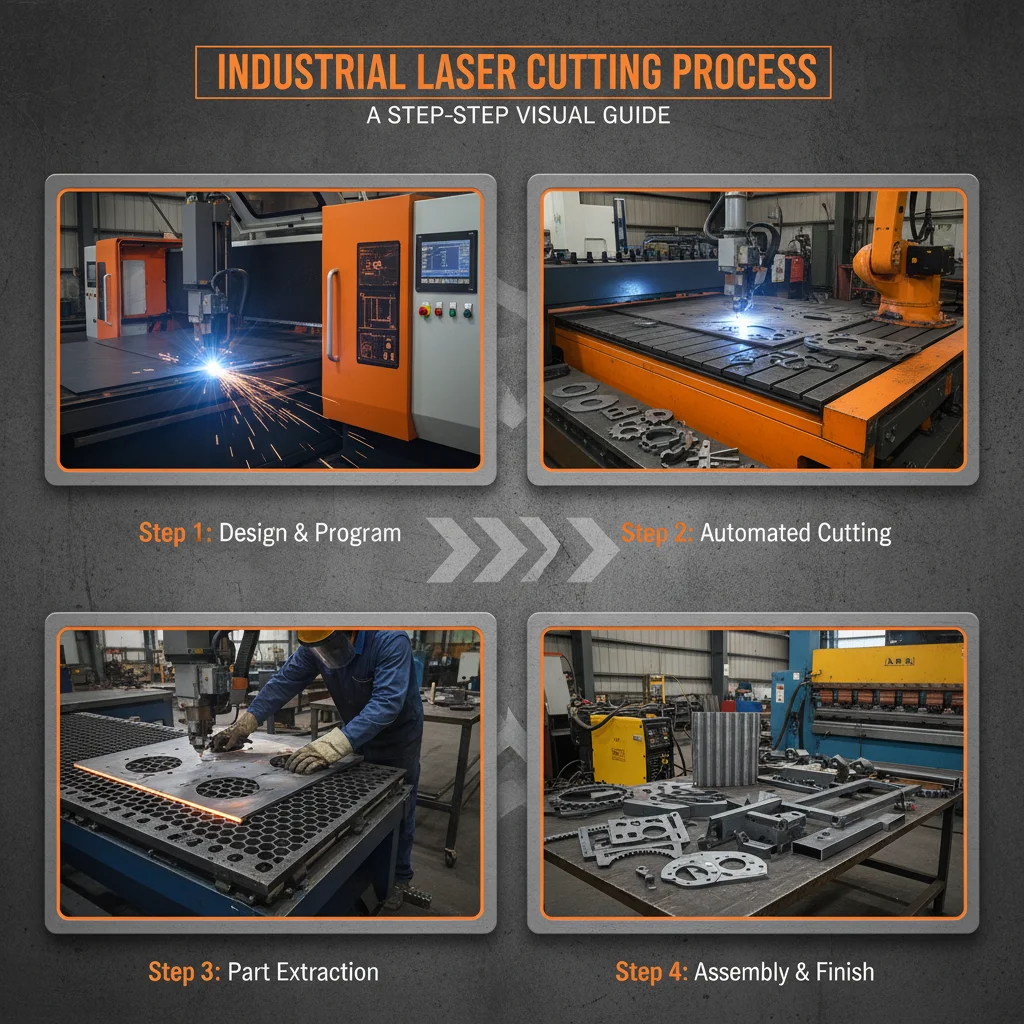
The widespread adoption of the industrial laser cutting machine has fundamentally changed the design language of modern products. In the past, designers were limited by the capabilities of punch presses or waterjets, which often struggled with intricate geometries or required expensive custom tooling. Today, the laser has removed those boundaries, allowing for the creation of lightweight, high-strength components that were previously impossible to manufacture.
The automotive and aerospace industries are perhaps the greatest beneficiaries of the industrial laser cutting machine. By utilizing high-power lasers, these sectors can process advanced high-strength steels and aerospace alloys with zero mechanical stress on the material. Because the laser is a non-contact tool, there is no tool wear, and the heat-affected zone is kept to an absolute minimum. This preserves the structural integrity of the metal, which is critical for safety-sensitive components like car chassis or aircraft wing ribs.
Beyond heavy industry, the industrial laser cutting machine has found a home in the architectural and decorative sectors. Intricate facades, custom metal screens, and personalized signage can now be produced in minutes rather than days. The flexibility of the software allows an operator to switch from cutting a 20mm thick structural plate to a 1mm thick decorative sheet with just a few clicks. This versatility is the hallmark of the modern industrial age: a single machine capable of serving multiple markets with uncompromising precision.