Shijiazhuang Topstar
International Trading Co., Ltd.


Get In Touch
The global manufacturing landscape is currently undergoing a profound technological shift, often referred to as the Fourth Industrial Revolution. At the heart of this transformation is the rapid advancement of laser technology, which has redefined the standards for speed, precision, and cost-effectiveness in metal processing. For business owners and workshop managers, the challenge is no longer whether to adopt laser technology, but rather how to navigate the complex marketplace to find the equipment that best fits their operational scale. From massive factory floor installations to the emerging market of portable units, the choices made today will determine a company’s competitiveness for the next decade.
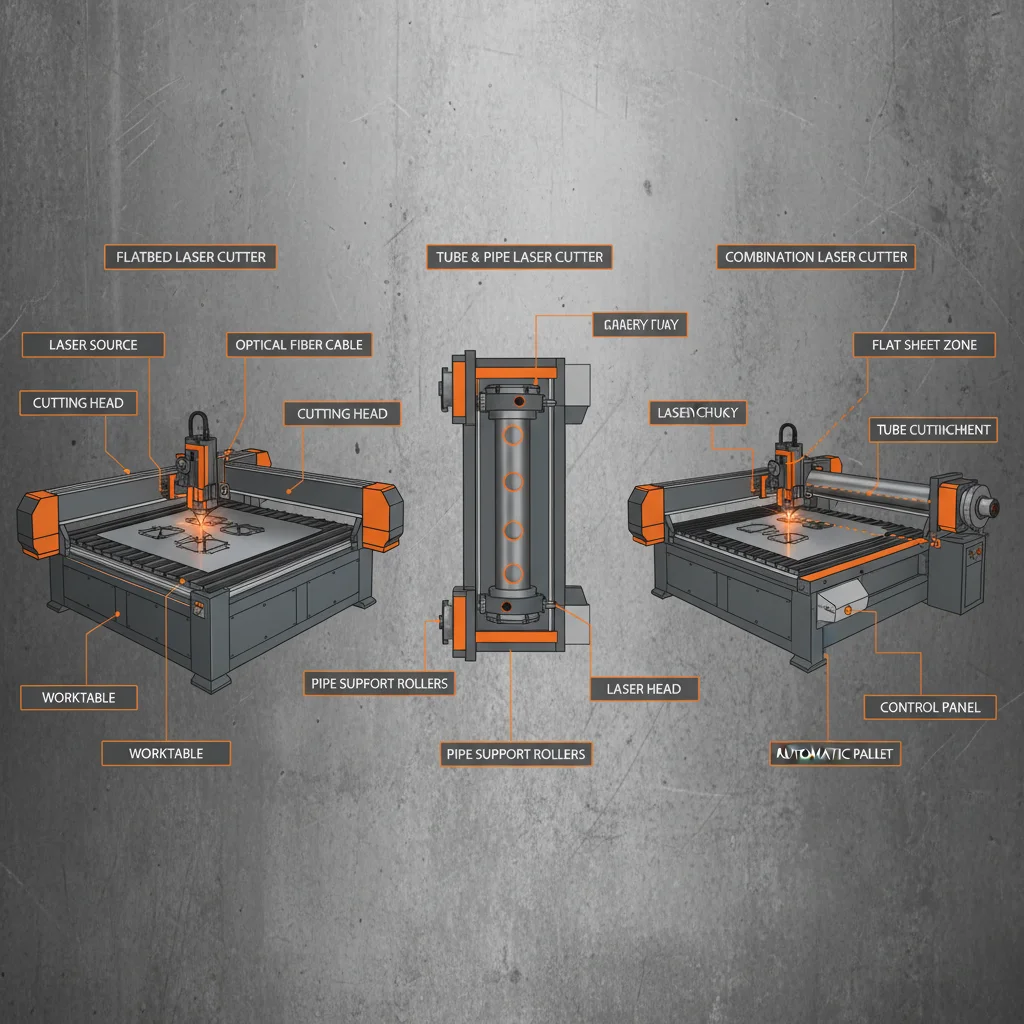
To make an informed investment, one must first master the taxonomy of the industry by understanding the different types of laser cutters available. While all laser cutters use a concentrated beam of light to melt or vaporize material, the method of generating that light creates distinct performance profiles.
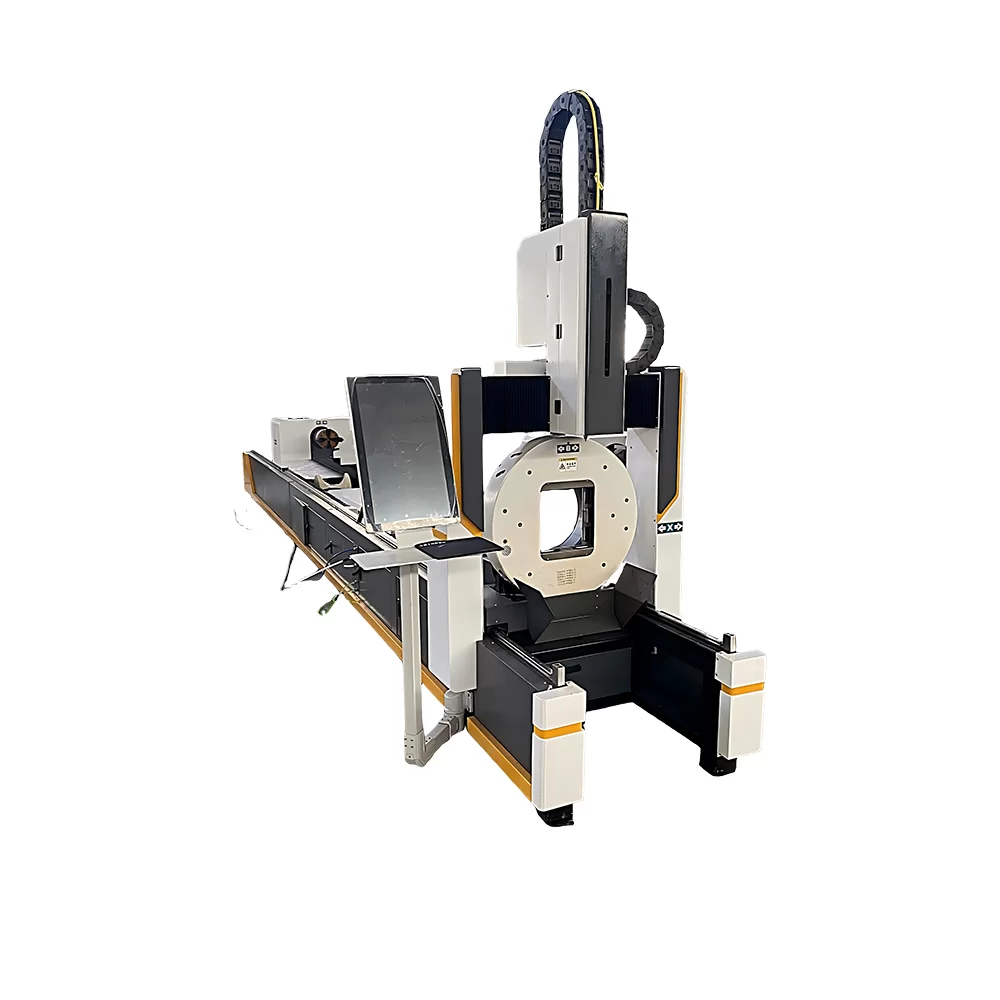
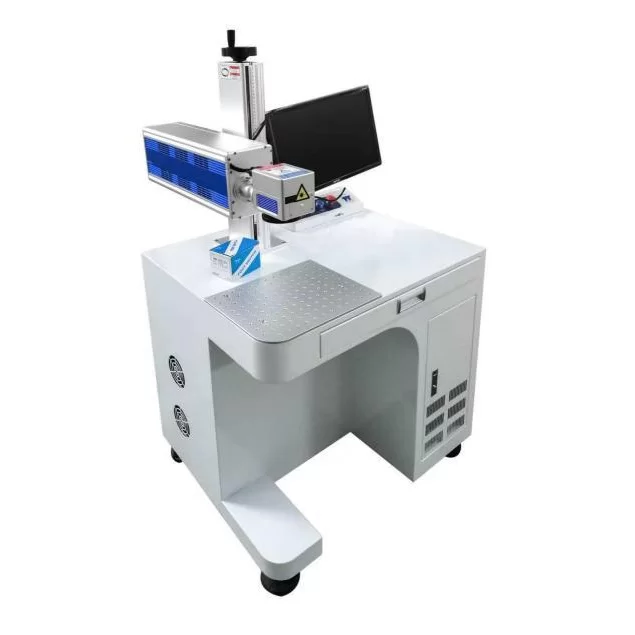
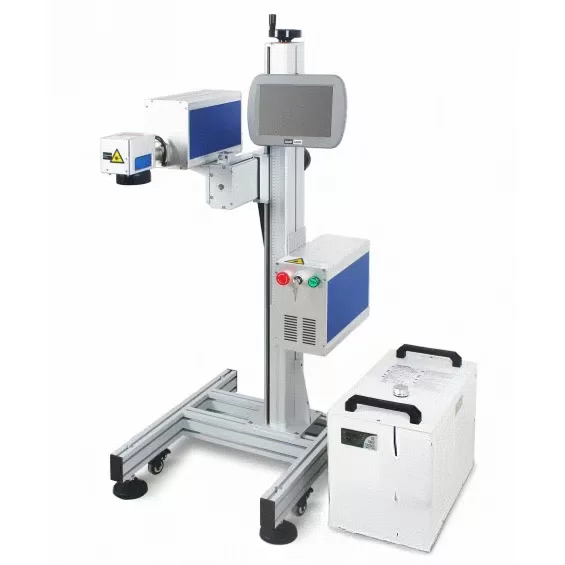
The two primary contenders in the metal world are CO2 and Fiber lasers. CO2 lasers, which use a gas mixture stimulated by electricity, were the industry standard for decades. They excel at cutting thick materials and offer a very smooth edge finish on carbon steel. However, they are increasingly being replaced by Fiber lasers for metal applications due to the latter's superior energy efficiency and speed. There are also Nd:YAG lasers, often used for micro-machining and drilling due to their high peak power. Beyond the power source, different types of laser cutters are also categorized by their motion systems. "Flying Optics" machines move the cutting head over a stationary sheet, while "Moving Bed" systems move the material under a stationary head. Understanding these mechanical differences is vital because they dictate the maximum weight of the workpiece and the overall footprint of the machine in your facility.
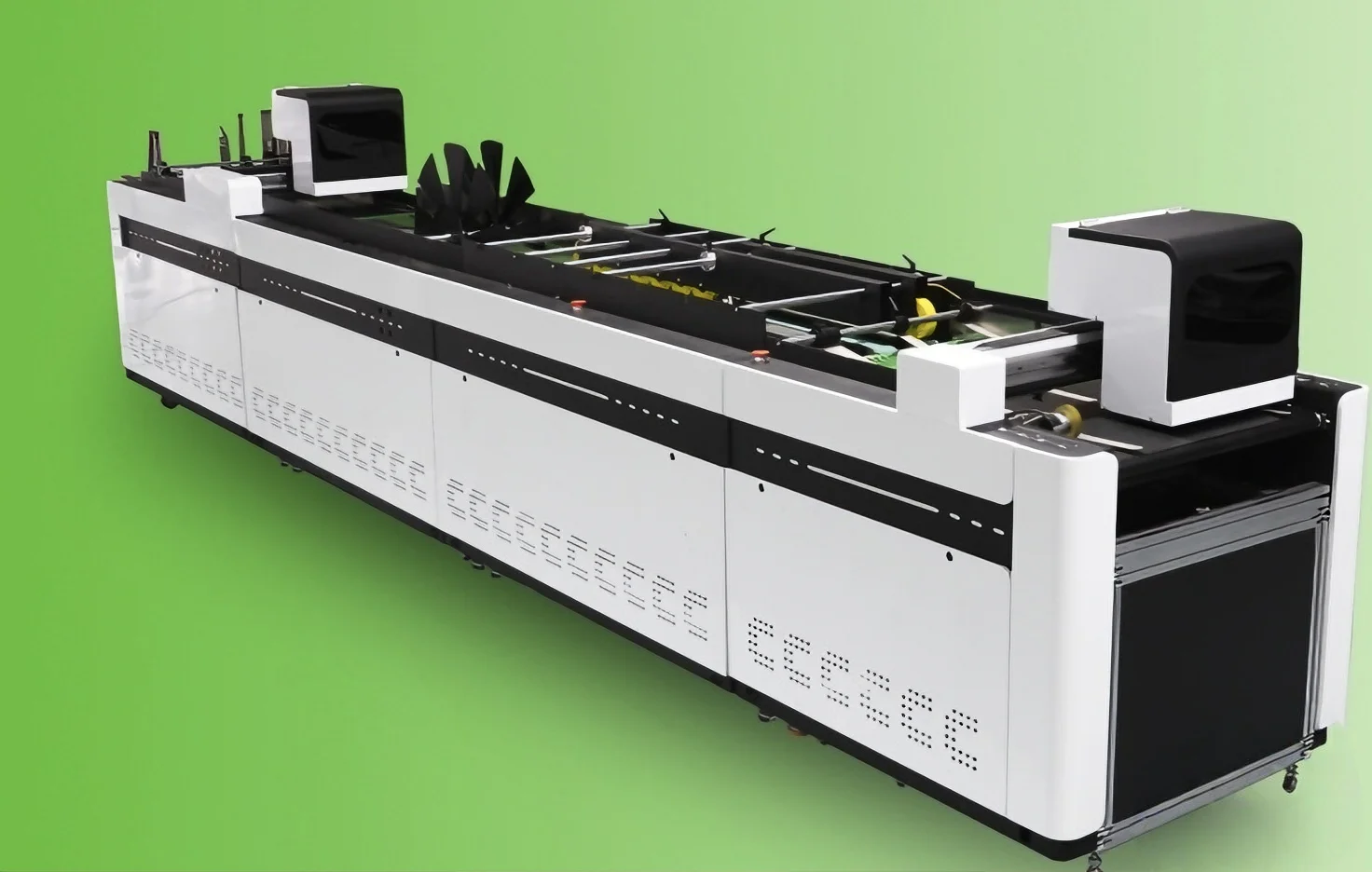
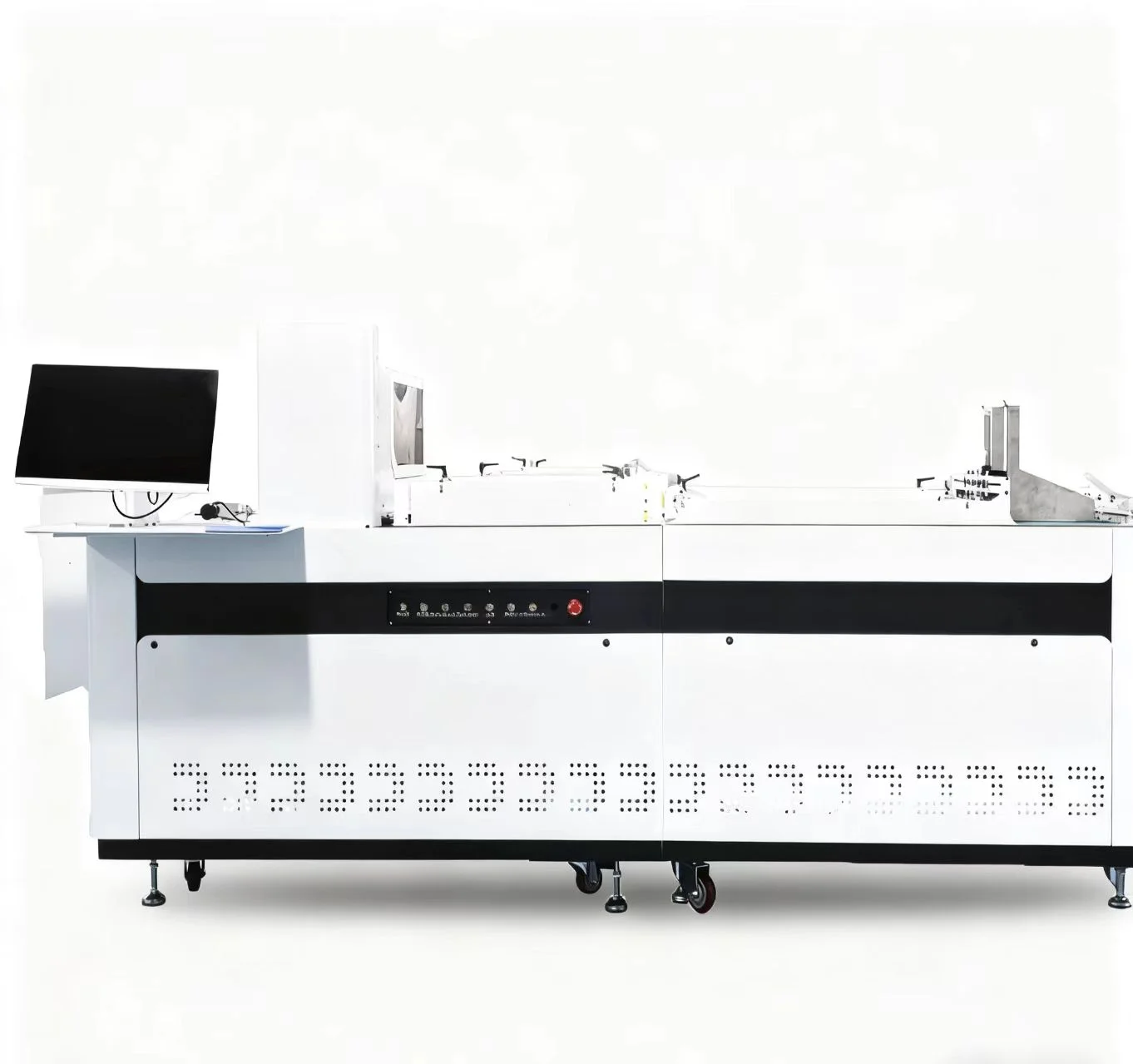
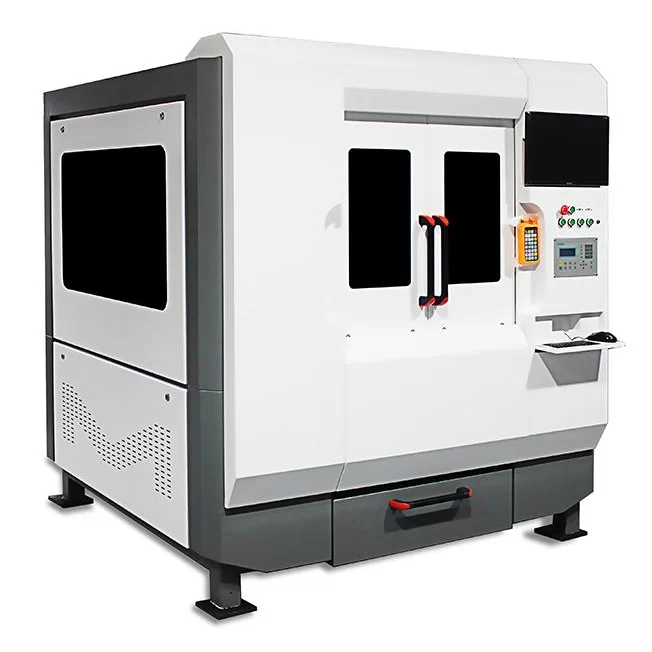
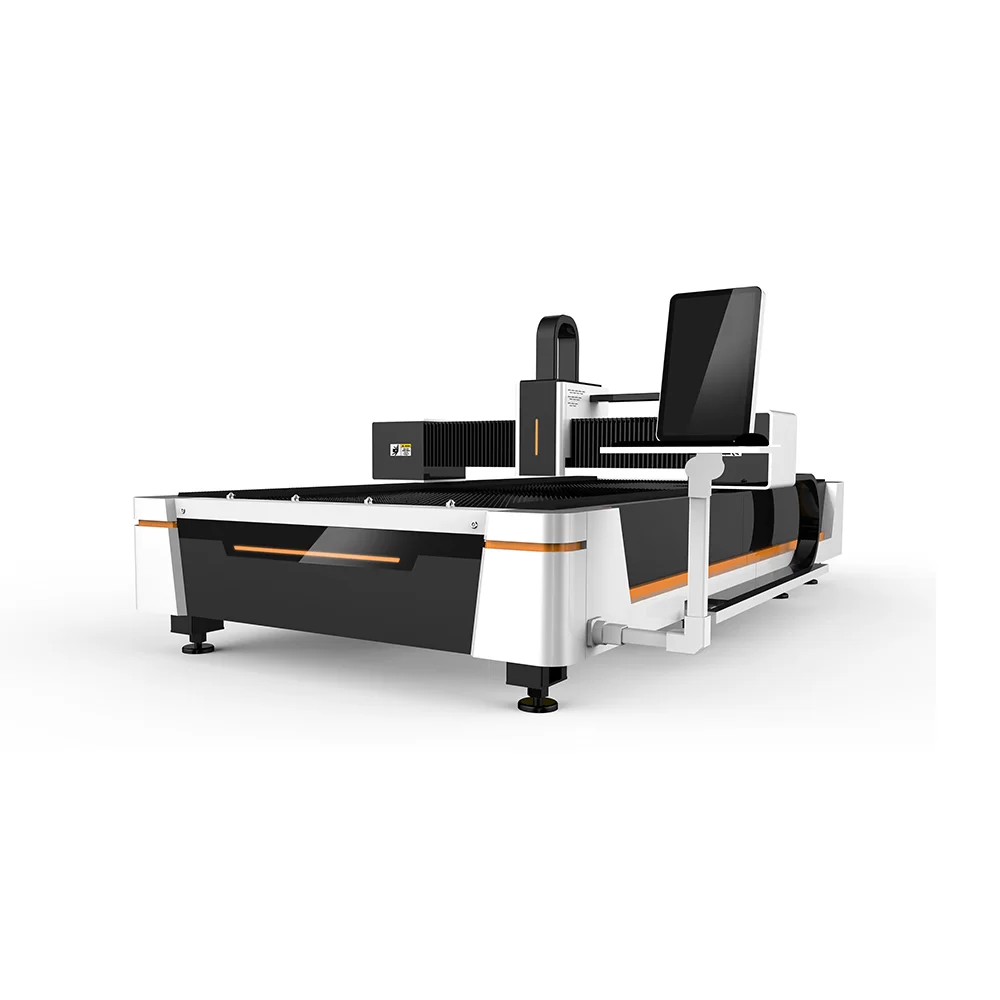
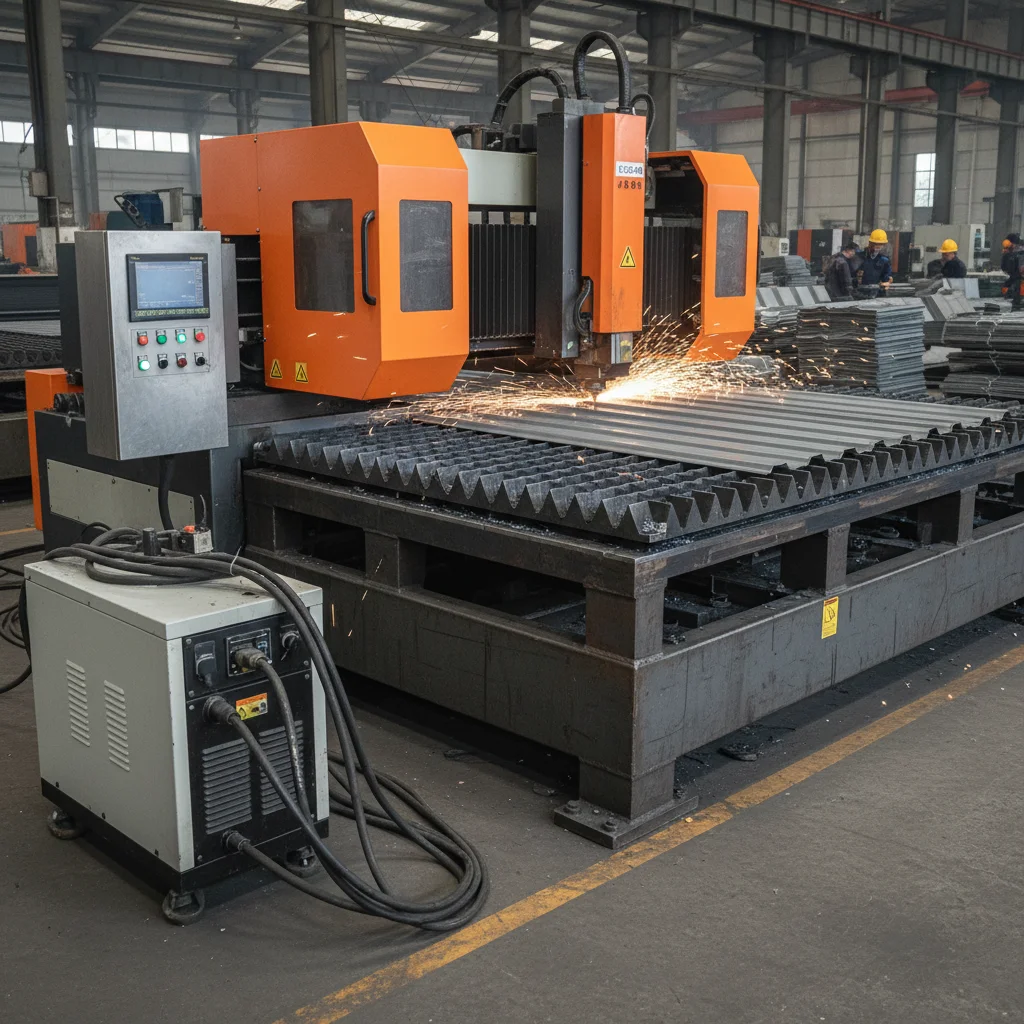
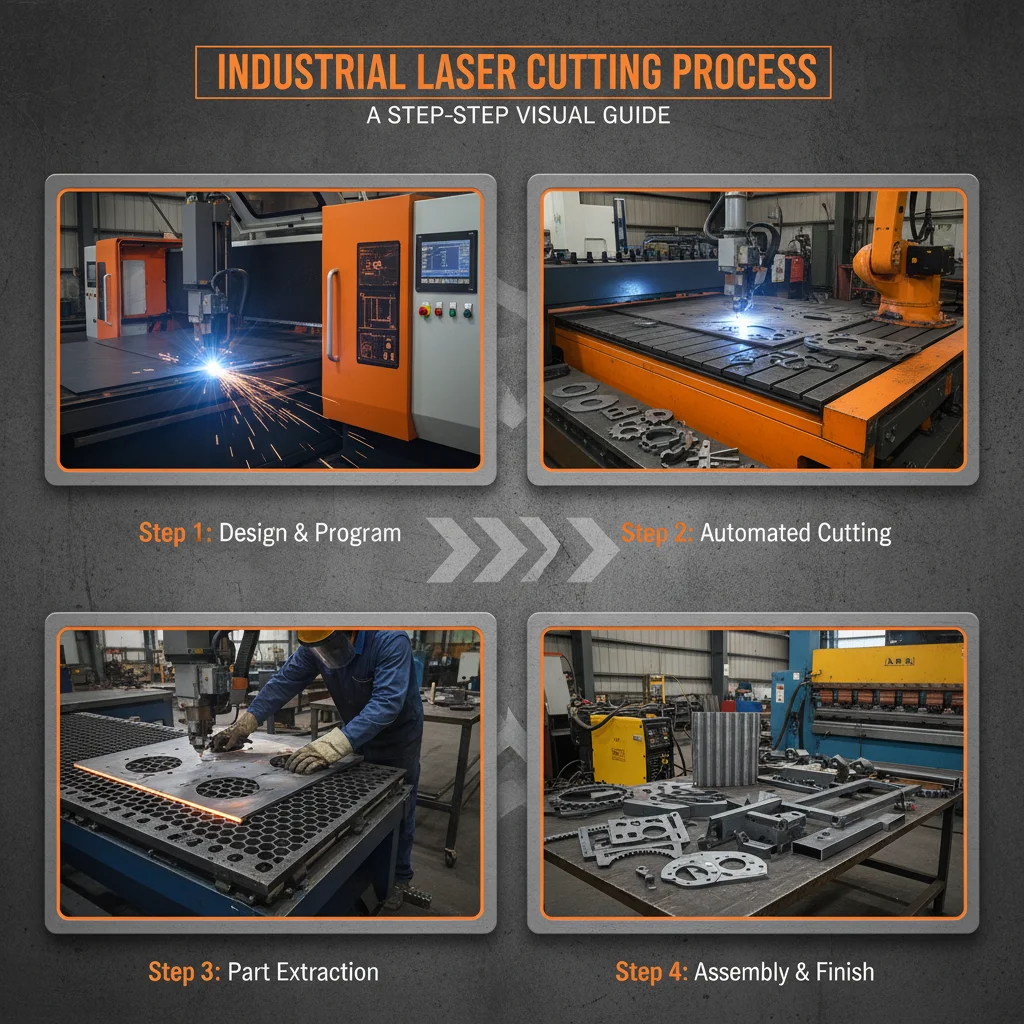
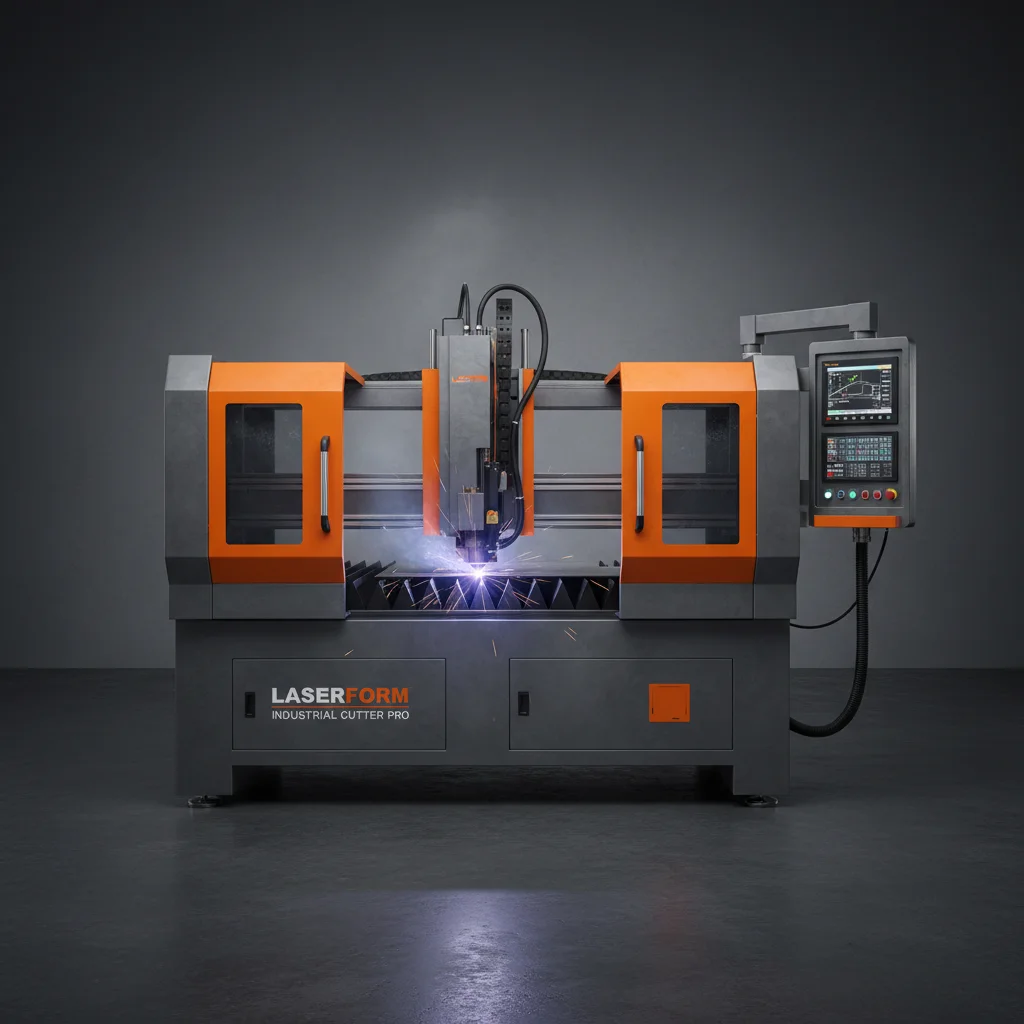
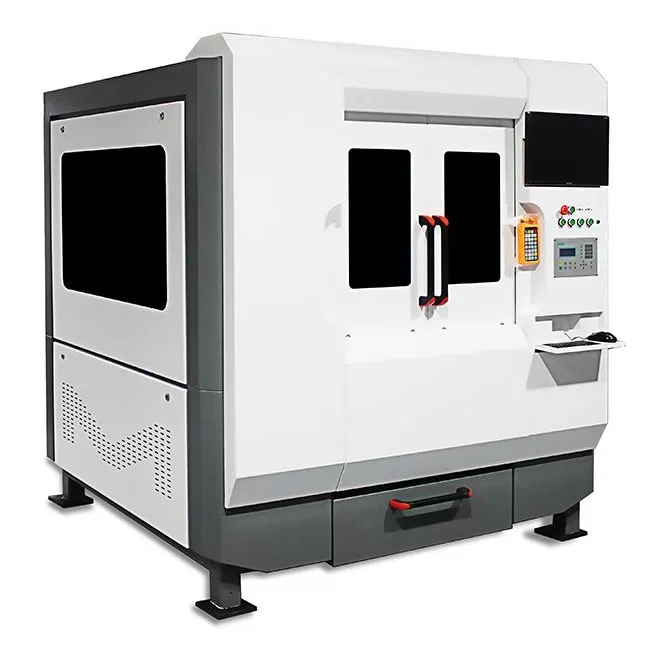
When a business moves from custom prototyping to high-volume production, the requirements for equipment change drastically. This is where the industrial laser cutting machine becomes the indispensable core of the workshop. Unlike entry-level "hobbyist" or light-duty machines, an industrial-grade system is built for 24/7 operation. These machines feature heavy, heat-treated frames—often weighing several tons—to dampen vibrations and ensure that the laser can maintain micron-level accuracy even when moving at speeds exceeding 100 meters per minute.
An industrial laser cutting machine is also defined by its integration into the wider factory ecosystem. Modern units are equipped with sophisticated CNC (Computer Numerical Control) systems that can communicate with ERP software, providing real-time data on gas consumption, power usage, and part counts. One of the most significant advantages of an industrial system is the inclusion of an automated pallet changer. This allows the machine to cut one sheet of metal while the operator safely unloads the finished parts from another, effectively doubling the machine's duty cycle. For industries such as automotive manufacturing or heavy machinery, the throughput provided by a high-wattage industrial laser cutting machine (now reaching 20kW or 30kW) allows for the replacement of multiple older plasma or waterjet tables, consolidating production into a smaller, more efficient footprint.
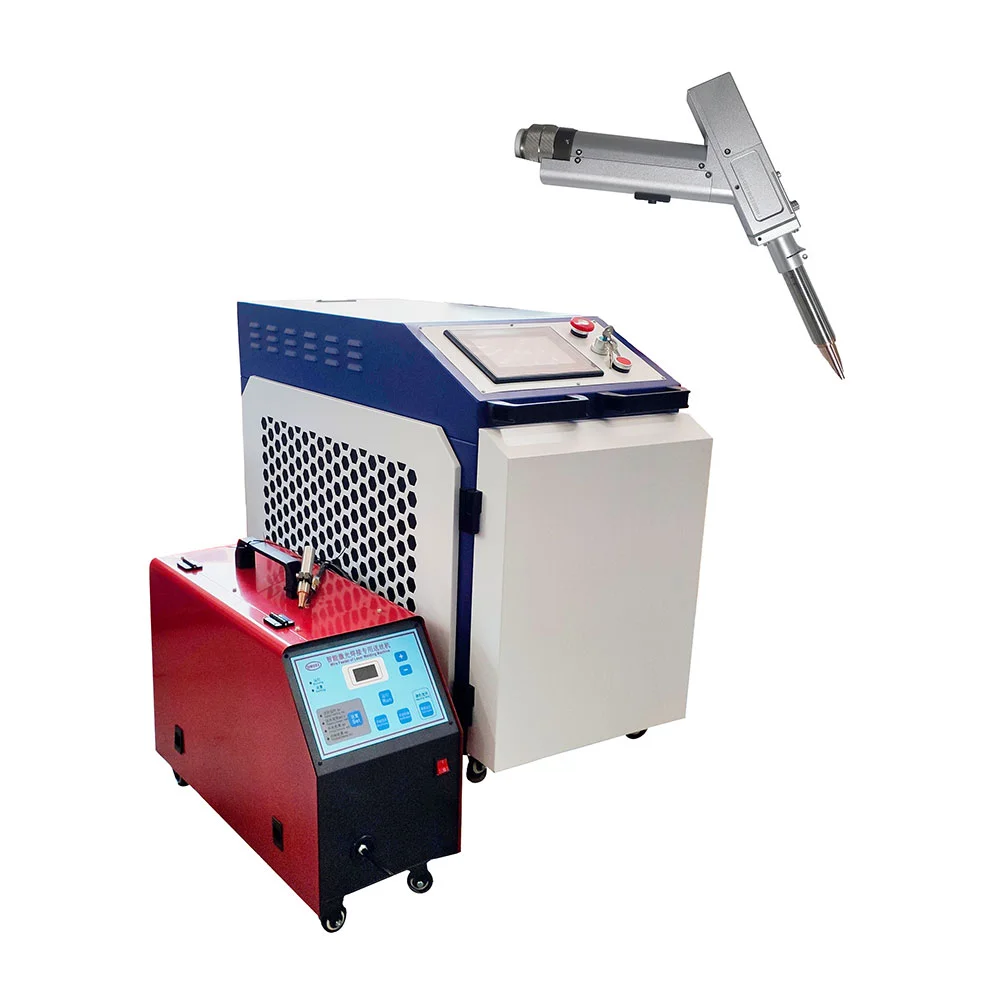
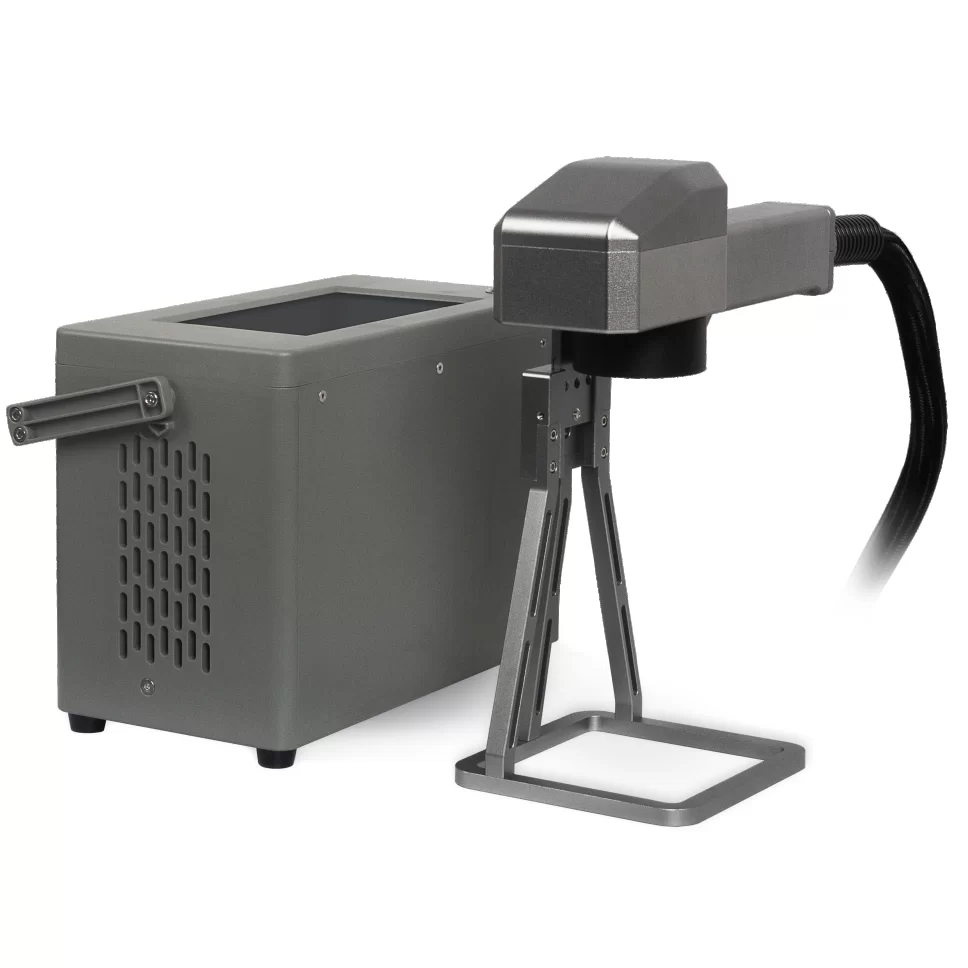
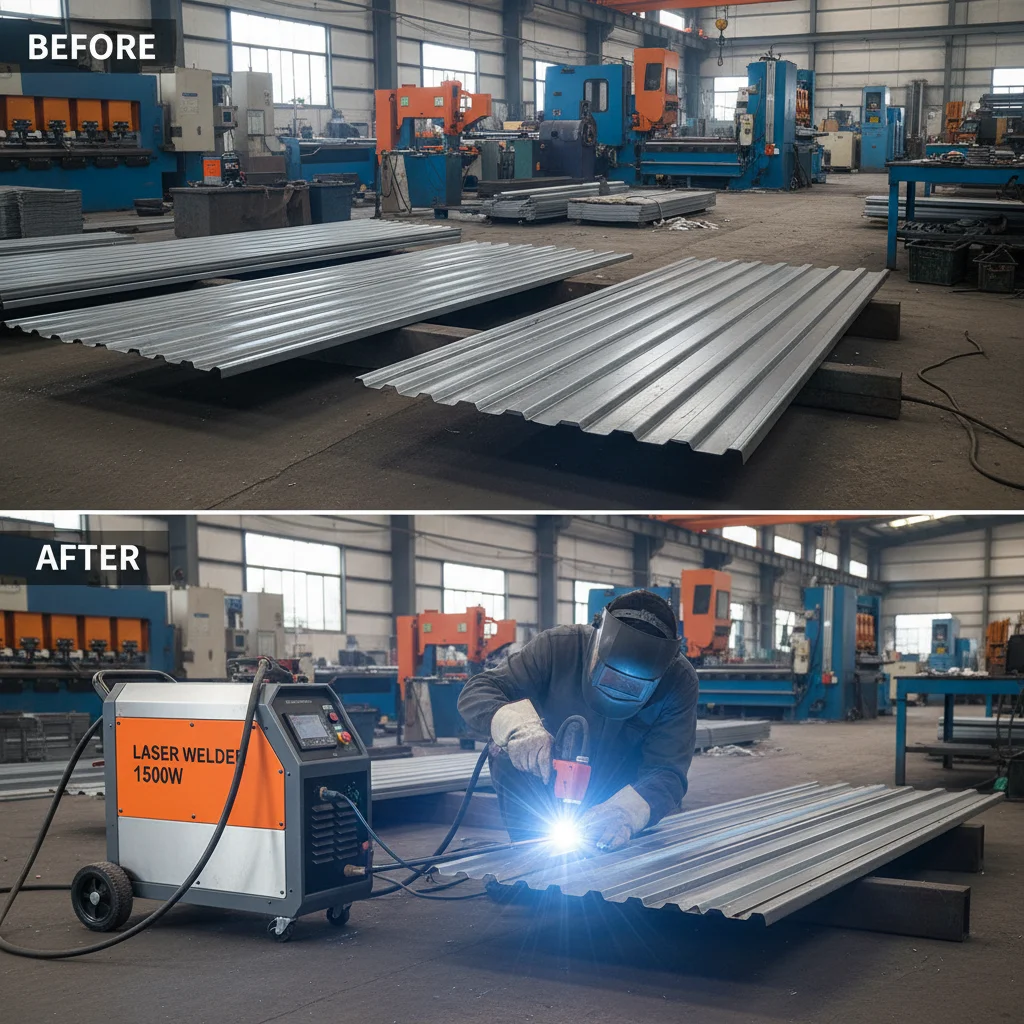
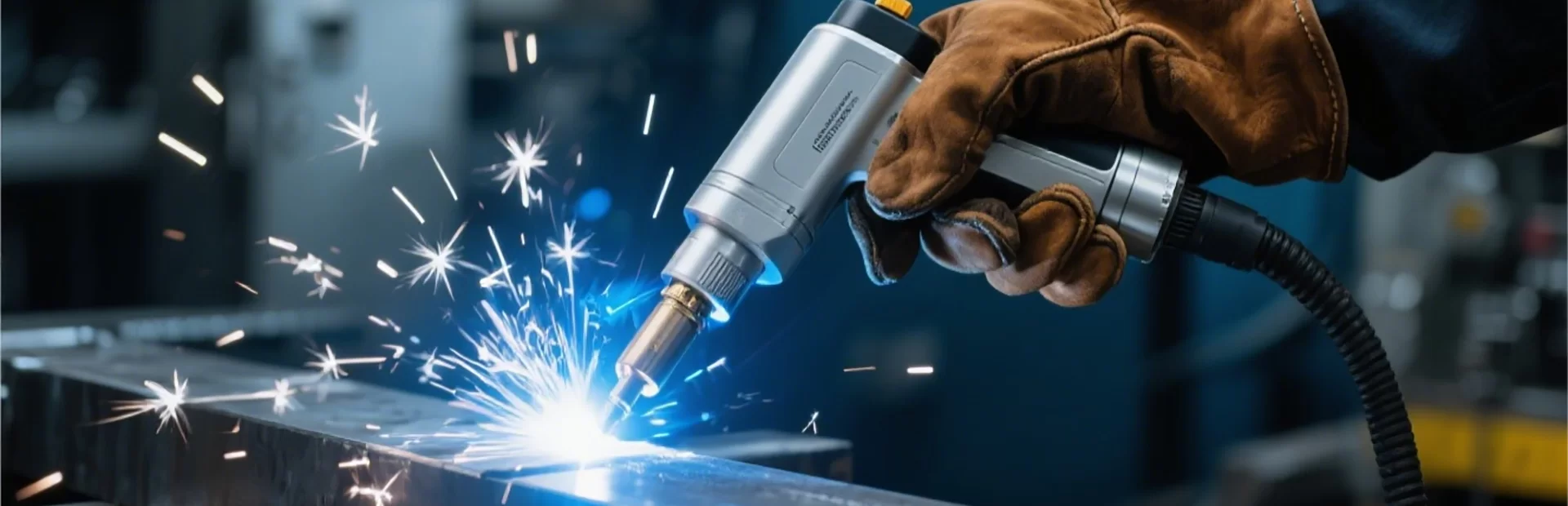
While massive CNC machines are ideal for flat sheets, they struggle with three-dimensional objects, pre-installed structures, or complex repair work. This gap in the market has led to a surge in demand for a handheld laser metal cutter for sale. Only a few years ago, the idea of a person holding a multi-kilowatt laser in their hand was considered science fiction due to the size of the cooling units and the danger of the beam. However, miniaturization in fiber laser sources and chiller technology has made these units a reality.
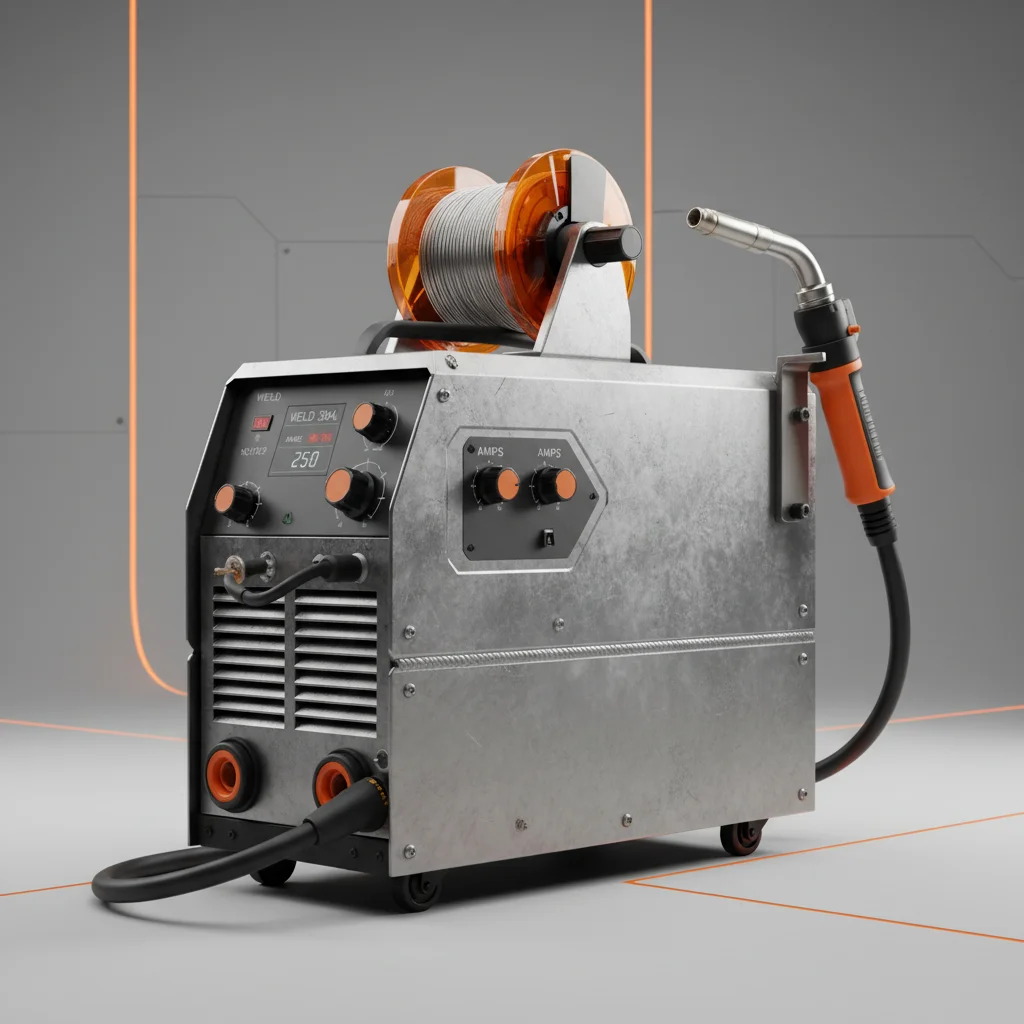
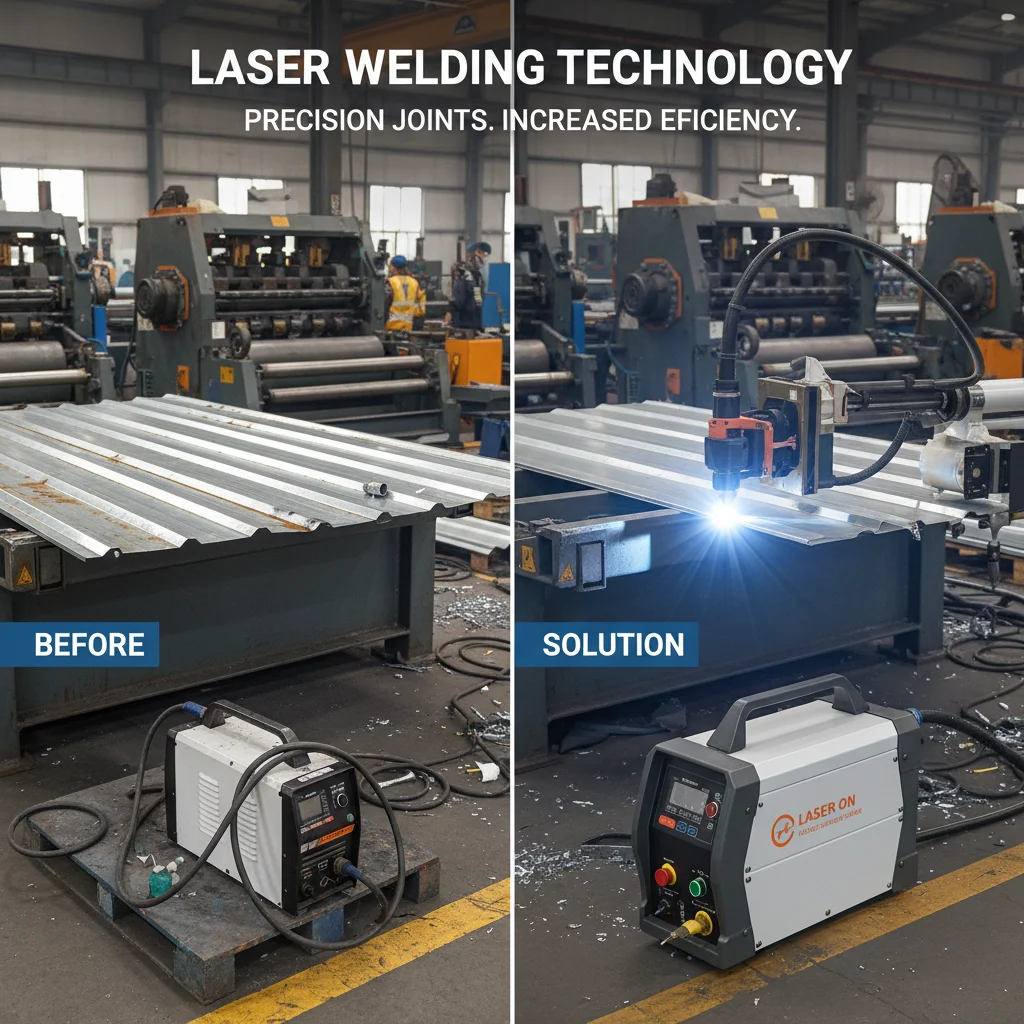
When browsing for a handheld laser metal cutter for sale, buyers will find that these machines are surprisingly versatile. Most units are "3-in-1" systems, capable of laser cutting, laser welding, and even laser cleaning (removing rust or paint). This portability is a game-changer for the shipbuilding, construction, and heavy equipment repair industries. Instead of bringing a massive, damaged component to a machine, the worker can bring the laser to the component. However, the "handheld" nature means that the precision is dependent on the operator's steady hand rather than a computer-guided gantry. Therefore, these tools are best suited for trimming, rough cutting, and on-site modifications rather than high-precision part manufacturing. Prospective buyers must also invest heavily in safety infrastructure, such as specialized laser-safe enclosures and high-OD (Optical Density) eyewear, as a stray reflection from a handheld unit can be hazardous to everyone in the vicinity.
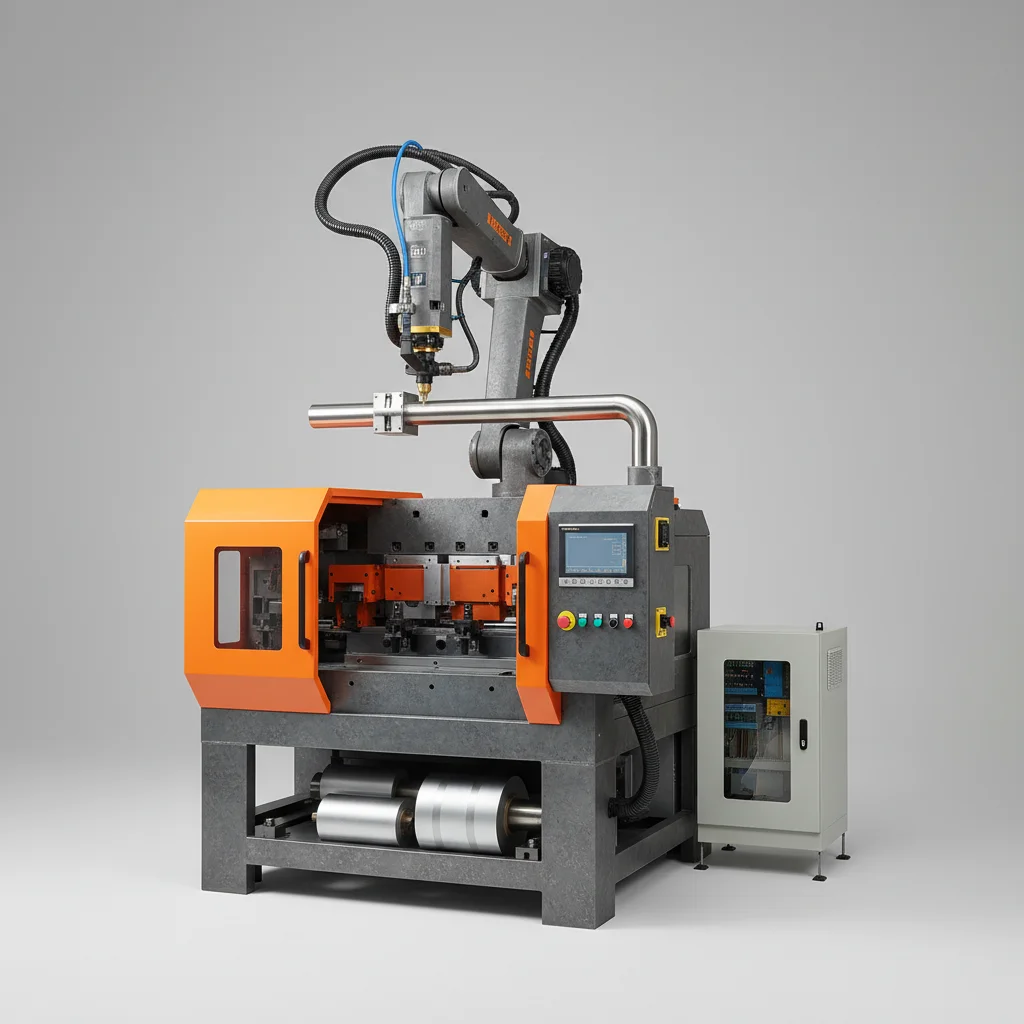
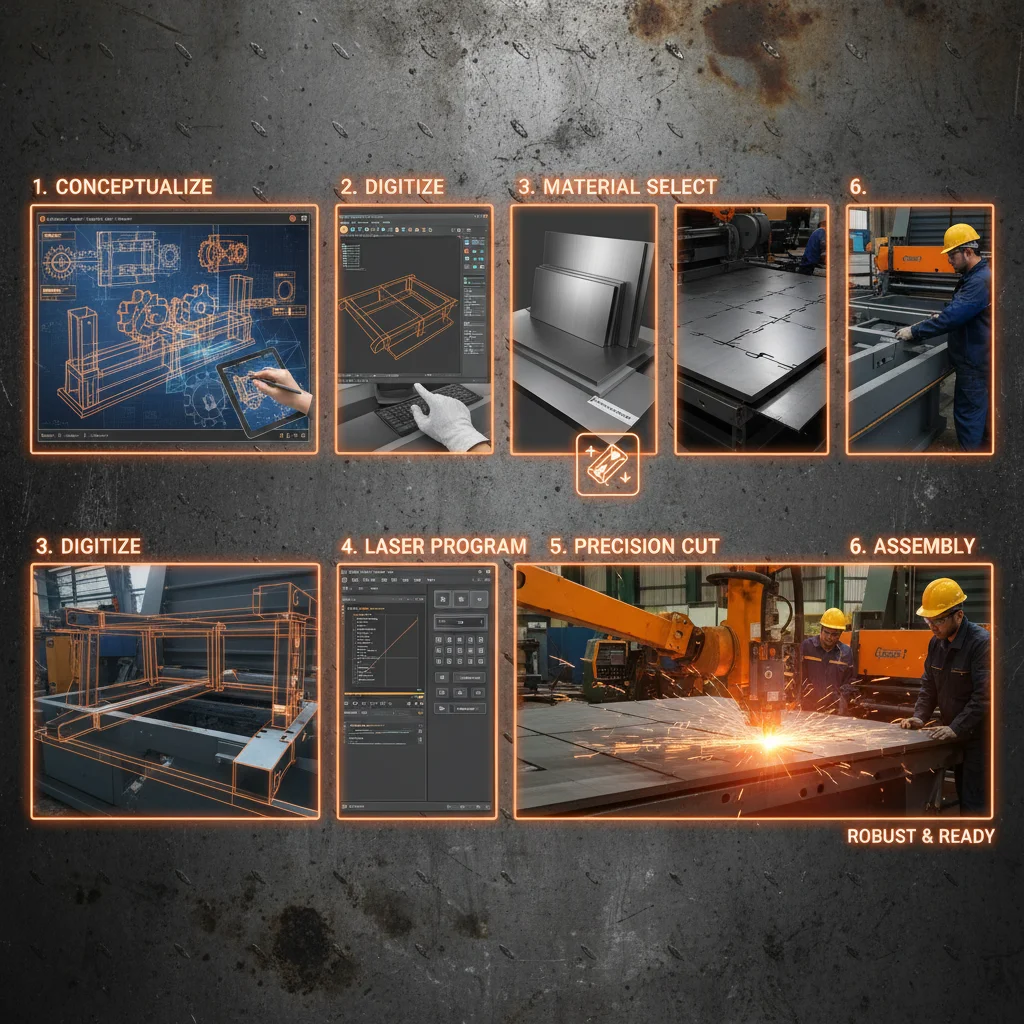
The longevity and precision of a laser system are not determined by the laser source alone, but by the holistic laser cutting machine design. A common mistake among first-time buyers is focusing solely on the "wattage" while ignoring the mechanical "bones" of the machine. A high-wattage laser on a flimsy frame is useless because the vibrations caused by high-speed movement will result in jagged edges and broken nozzles.
Superior laser cutting machine design starts with the bed. The most respected manufacturers use a "hollow-structure" bed design that facilitates better heat dissipation and smoke extraction, preventing the frame from warping over years of thermal exposure. The gantry—the arm that moves the laser head—is another critical component. While steel is strong, many high-end designs now utilize "aerospace-grade aluminum" for the gantry. This provides a high strength-to-weight ratio, allowing the motors to accelerate the head at 2G or 3G without losing accuracy.
Furthermore, the design must prioritize the protection of the optical path. In fiber systems, this means a completely sealed path to prevent dust from contaminating the protective windows. Even a single speck of dust on a lens can absorb enough laser energy to shatter the glass in milliseconds. A well-thought-out laser cutting machine design also includes ease-of-maintenance features, such as centralized lubrication systems and modular electronics, ensuring that when a component does eventually wear out, the "mean time to repair" is kept to an absolute minimum.