Shijiazhuang Topstar
International Trading Co., Ltd.


Get In Touch
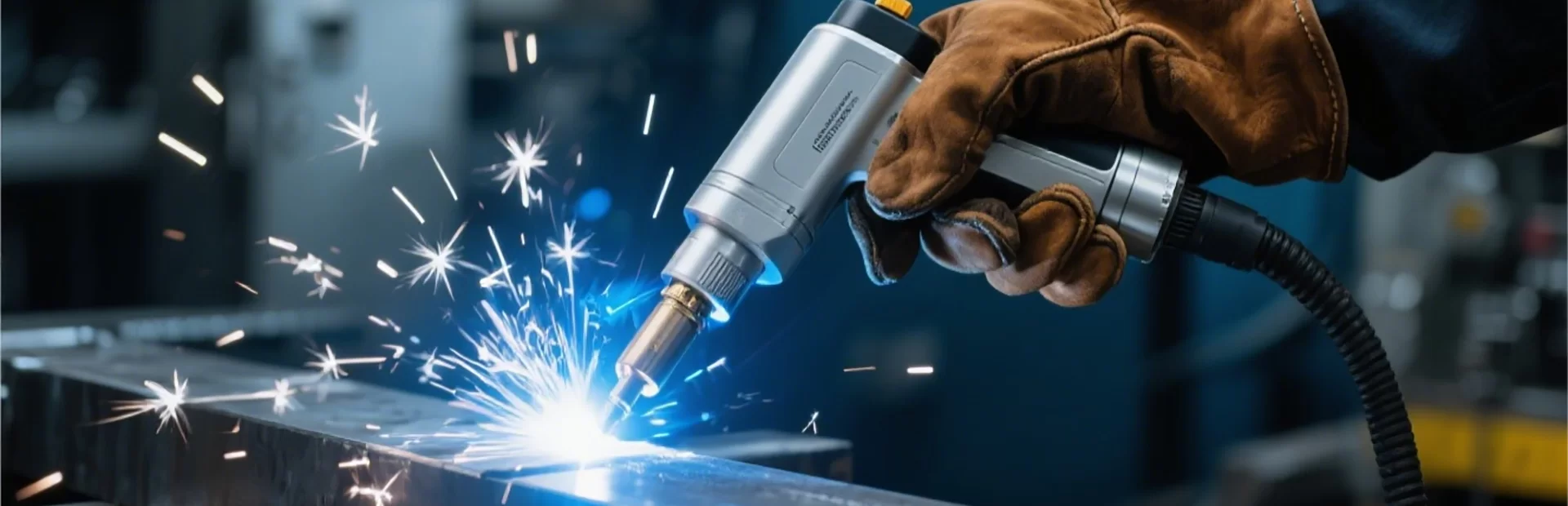
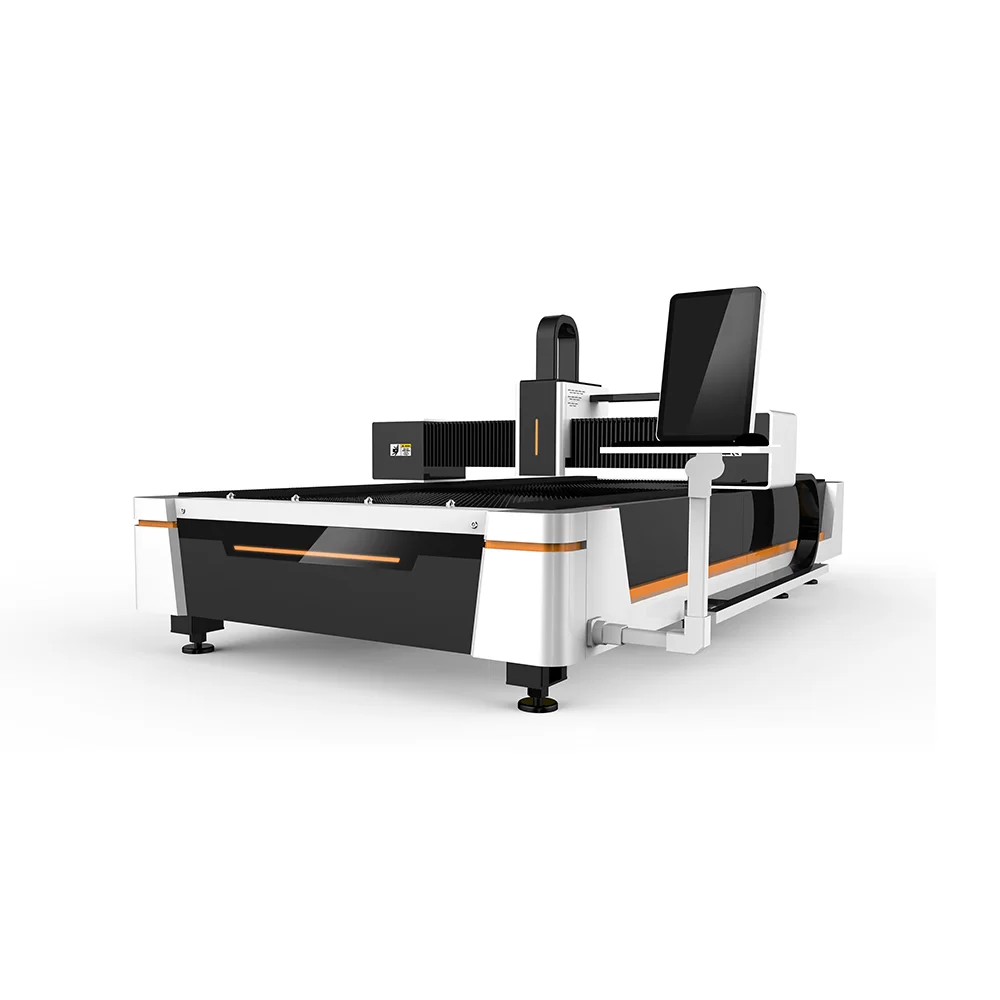
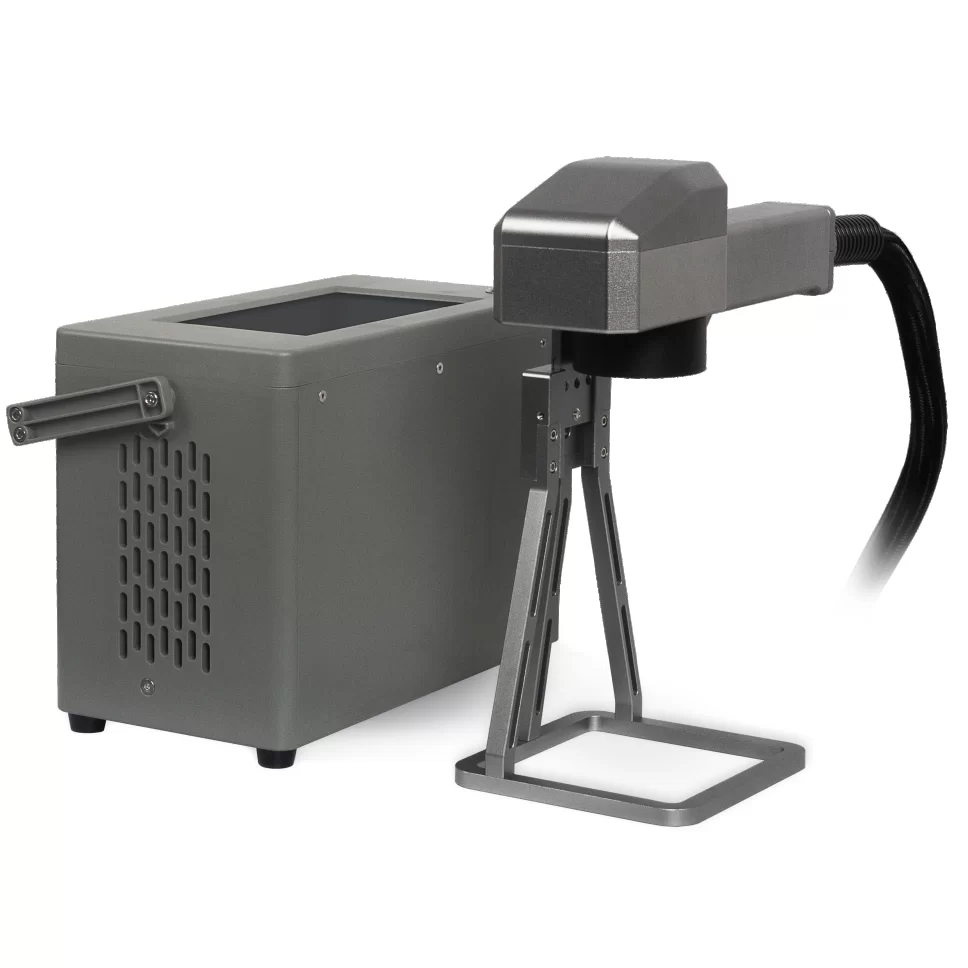
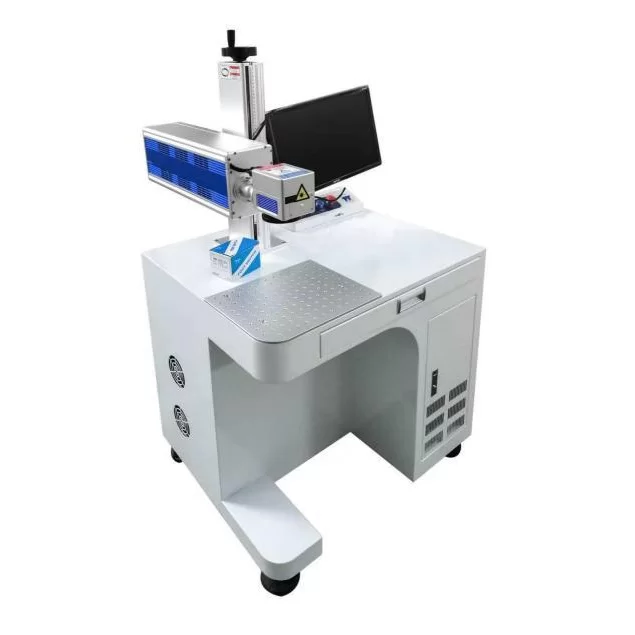
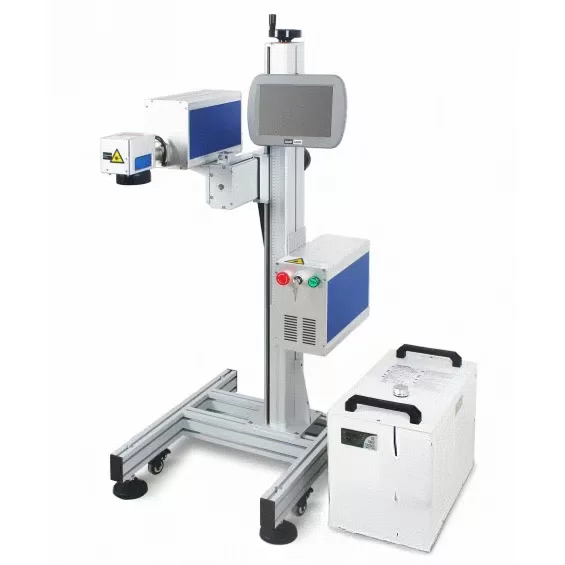
Having spent more than a decade in the industrial equipment sector, I've seen plenty of technologies make waves. But micro laser cutting? That’s a different beast altogether. Frankly, it feels like the Swiss Army knife of precision manufacturing — small, sharp, and wickedly efficient. This technique isn’t just about burning or slicing material; it’s about achieving near-perfect edges on a microscopic scale, often in materials that would otherwise challenge traditional methods.
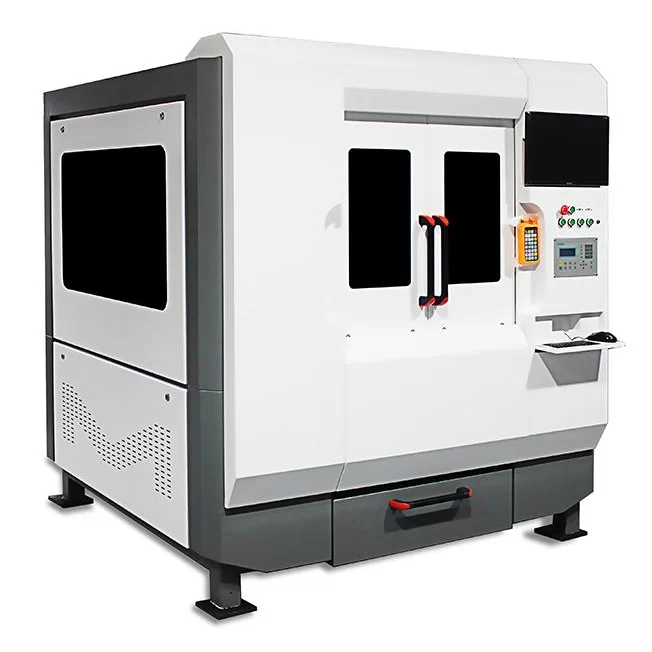
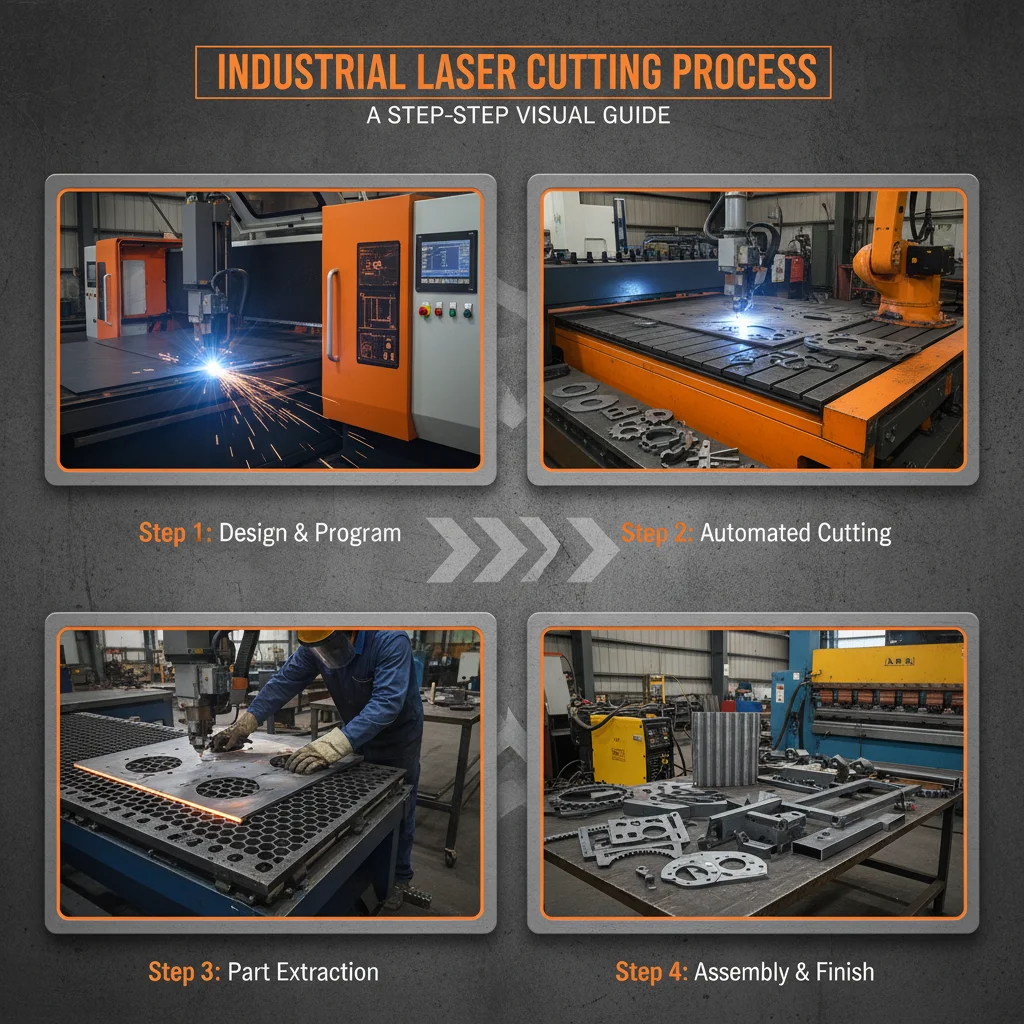
For those unfamiliar, micro laser cutting involves using focused laser beams to cut extremely small features on materials like metal, ceramics, and polymers. Unlike regular laser cutting, which may leave rough edges or heat-affected zones, micro laser cutting delivers clean, intricate shapes sometimes measured in microns. Oddly enough, despite its complexity, it often speeds up production cycles while reducing waste — a win-win in my book.
One thing to keep in mind is that this technology is especially important in industries where precision impacts performance directly — think aerospace components, medical devices, or electronics. It’s no surprise many engineers I know swear by lasers for drilling tiny holes or forming micro-channels that liquid or gas can flow through with minimal resistance.
| Specification | Details |
|---|---|
| Laser Type | Fiber & CO₂ hybrid lasers |
| Min. Feature Size | Less than 20 microns |
| Materials Processed | Stainless steel, titanium, ceramics, polymers |
| Max. Material Thickness | Up to 3 mm |
| Cutting Speed | Up to 100 mm/s depending on material |
| Positioning Accuracy | ± 1 micron |
Now, a quick story: I once worked with a client making microfluidic chips for diagnostics. They needed hole diameters smaller than a human hair without melting or deforming the substrate. Regular machining failed miserably. But micro laser cutting came through — fast and clean. It was one of those moments where you really appreciate the combination of technology and craft.
What strikes me is the customization possible. Many manufacturers offer tunable laser parameters, allowing you to optimize for speed, edge quality, or material type. And, of course, there’s software integration controlling movement and pulse frequency with extreme precision.
| Vendor | Laser Types | Max Thickness (mm) | Special Features | Price Range |
|---|---|---|---|---|
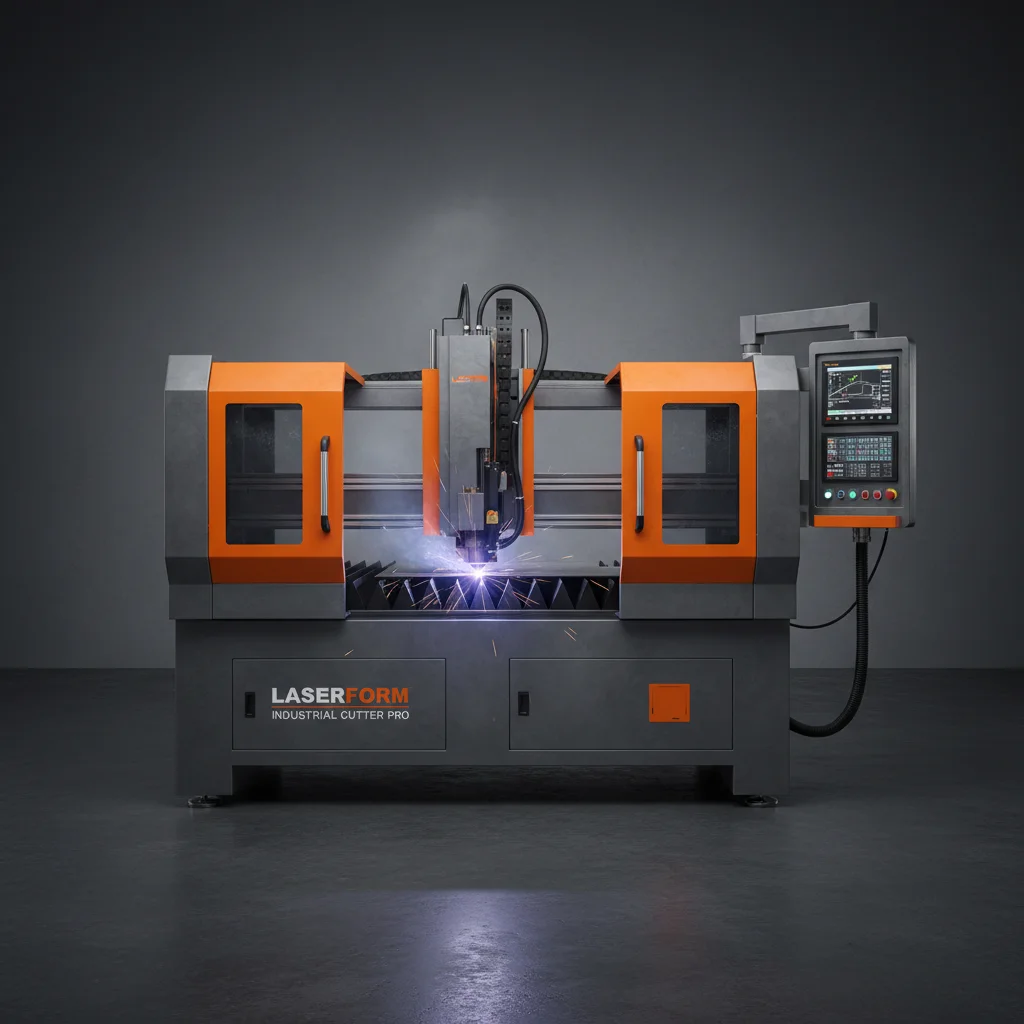
| TopStar Laser | Fiber & CO₂ Hybrid | 3.0 | High precision, software customizable | $$$ |
| PrecisionLaser Inc. | Fiber | 2.5 | Fast cutting speeds | $$ |
| MicroCut Solutions | CO₂ | 1.8 | Compact design, easy maintenance | $ |
Overall, the key takeaway is that micro laser cutting can transform how subtle, demanding tasks get done in manufacturing. It’s no exaggeration to say it bridges artistry and technology. If you ask me, investing in the right equipment and vendor—like TopStar Laser—can pay dividends in quality and efficiency.
There’s also an environmental angle: less material waste, fewer chemicals, and minimal mechanical wear. These machines don’t just slice; they refine — almost like a sculptor with light.
In the end, I suppose what I appreciate most is how micro laser cutting embodies the push for precision in today’s cutting-edge manufacturing. It’s a quiet revolution happening in workshops around the world — one micron at a time.
References:
1. Industrial Laser Application Trends, Manufacturing Journal, 2023
2. Microfabrication Handbook, TechPress, 2022
3. Interview with Industry Experts, LaserTech Conference 2024