Shijiazhuang Topstar
International Trading Co., Ltd.


Get In Touch
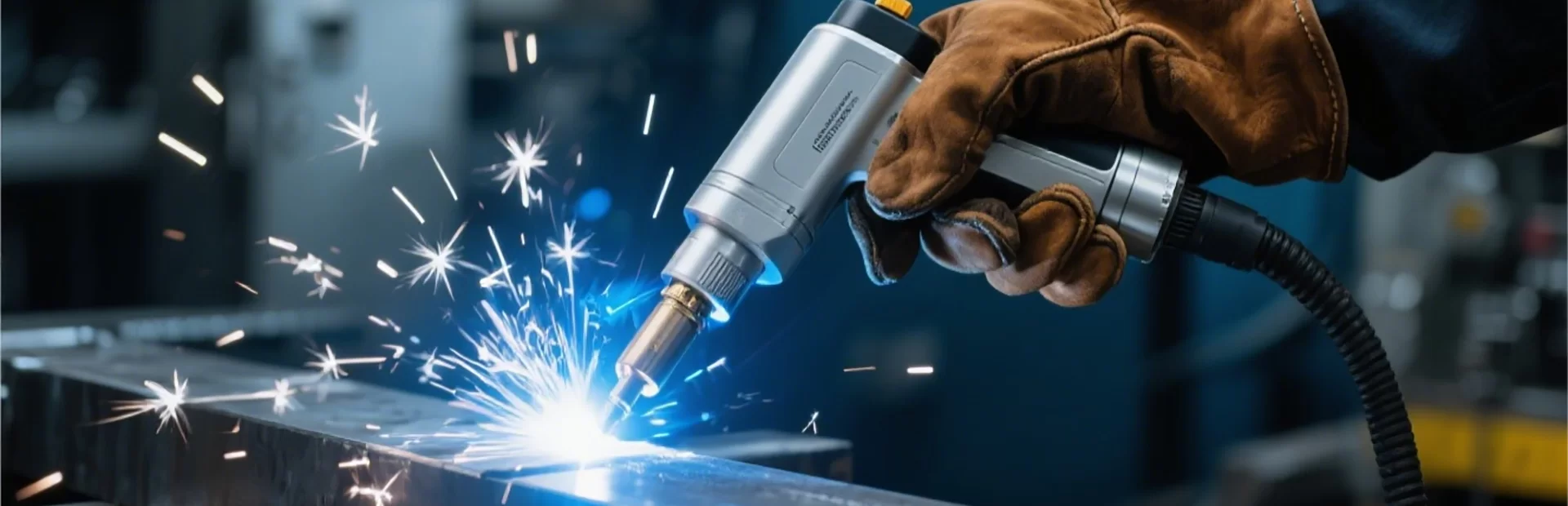
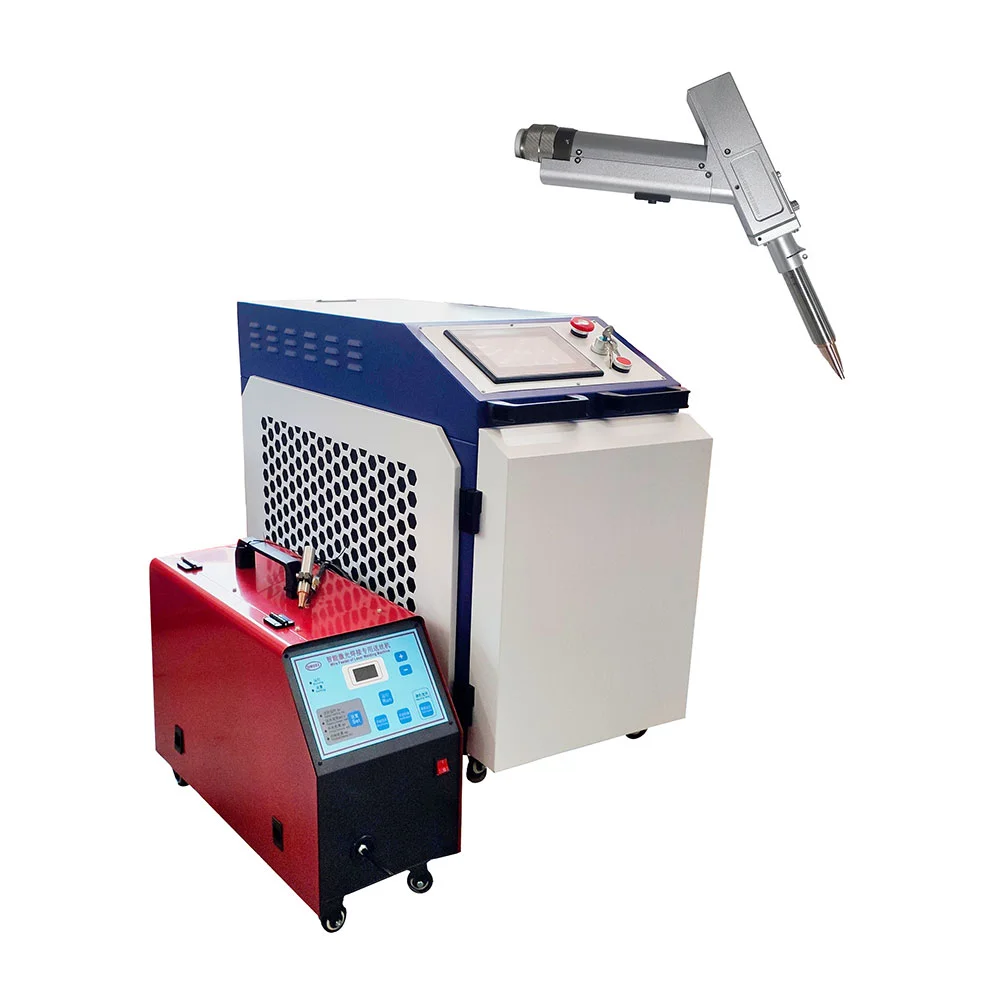
After spending more than a dozen years in the industrial equipment trenches, I’ve seen technologies come and go — and honestly, the handheld metal cutting laser is one of the more fascinating innovations to hit the scene lately. It’s a bit like carrying a miniature factory in your hand, with the precision of a surgeon and the brute force industrial tools strive for. handheld metal cutting laser systems blend portability with power, and for folks who work onsite or in challenging spaces, there's really nothing quite like them.
Metal cutting used to mean heavy machinery, fixed stations, and hours lost in setup. But now, this tech lets you swoop in, cut through stainless steel, aluminum, even some alloy steels — fast and clean — without lugging around a big rig. Frankly, I was skeptical at first; how can something so compact handle thick metals? Turns out, with fiber laser technology and adequate wattage, they do it quite well — albeit within certain thickness limits.
The design of these handheld devices tries to balance power, safety, and ergonomics. You’ll notice many models come with adjustable output power, easy-to-grip controllers, and integrated cooling systems—critical for continuous use. Many engineers I’ve chatted with appreciate the feedback through tactile switches and even wireless control on some cutting-edge models. Oddly enough, these details make all the difference when you’re on a tight schedule and precision counts.
| Specification | Details |
|---|---|
| Laser Type | Fiber laser |
| Wavelength | 1070 nm |
| Output Power | 500W – 1000W (adjustable) |
| Cutting Thickness | Up to 15mm stainless steel |
| Cutting Speed | Up to 2000 mm/min |
| Weight | Approx. 3.5 kg |
| Power Supply | AC 220V/50Hz or DC battery option |
| Control Interface | Touchscreen or wireless remote |
You might wonder how these compare across manufacturers. From my on-site tests and chats with supplier reps, what's key is reliability (sounds obvious, but continuous laser power without frequent shutdowns matters), ease of use, and good after-sales support. For companies investing in these devices, these factors are what tip the scales more than just raw specs.
| Feature / Vendor | TopStarLaser | Competitor A | Competitor B |
|---|---|---|---|
| Power Range | 500W - 1000W | 300W - 800W | 400W - 900W |
| Weight | 3.5 kg | 4.2 kg | 4.0 kg |
| Cutting Thickness (Stainless) | Up to 15mm | Up to 12mm | Up to 13mm |
| Cooling System | Integrated water cooling | Air cooling | Water cooling (external unit) |
| Control Interface | Touchscreen + wireless remote | Basic button panel | Touchscreen only |
| Warranty & Support | 2-year warranty, 24/7 support | 1-year warranty | 2-year warranty |
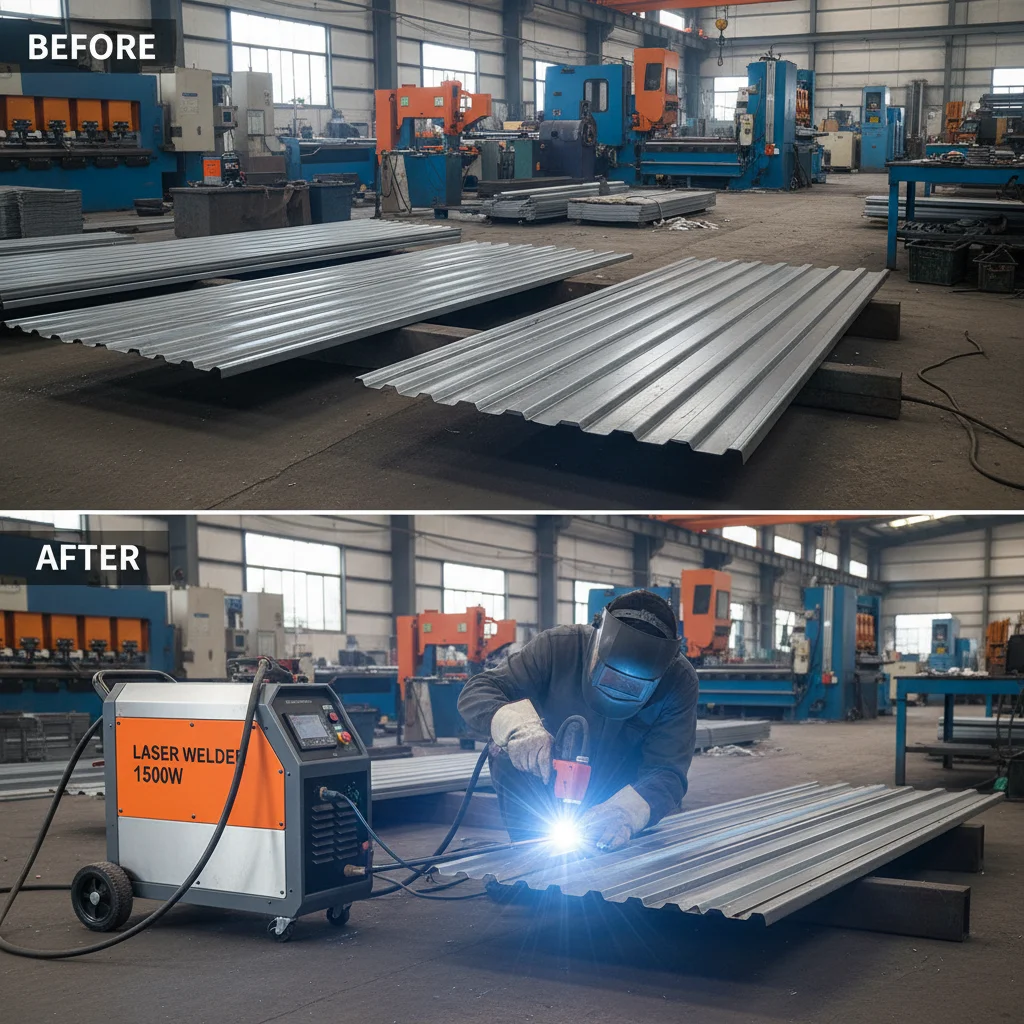
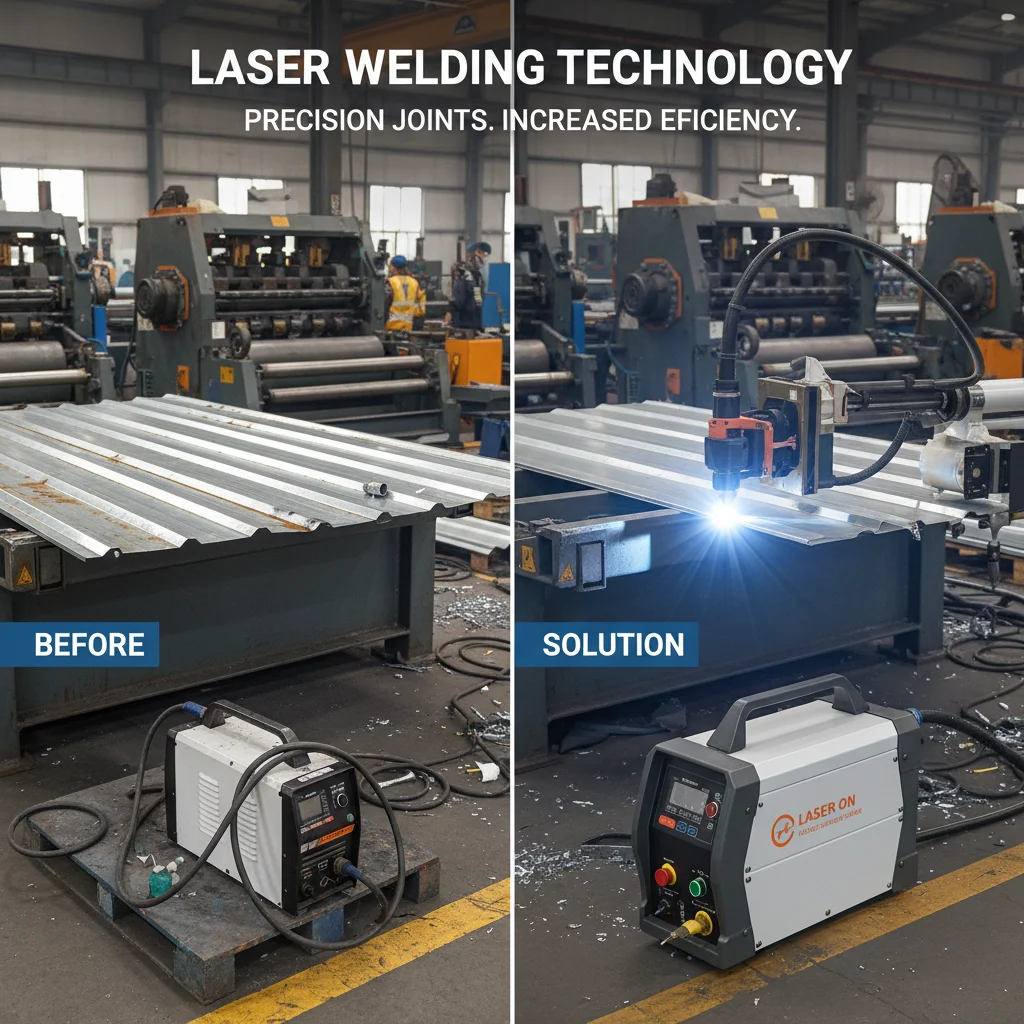
One particular project comes to mind: a fabrication shop had to replace a malfunctioning steel canopy onsite. Using one of these handheld lasers from TopStarLaser, the team cut replacement parts in half the usual time and with cleaner edges, so prep for welding was minimal. The shop manager told me, “It feels like magic — no dust, less noise, and I can train new people faster.” That kind of feedback, in real terms, is invaluable.
In all, handheld metal cutting lasers represent a shift in how metalwork gets done in the field and light factory settings. Devices like those offered by TopStarLaser close the gap between facility-grade performance and true portability. If you’re in industrial maintenance, construction, or specialized fabrication, it’s definitely worth a look.
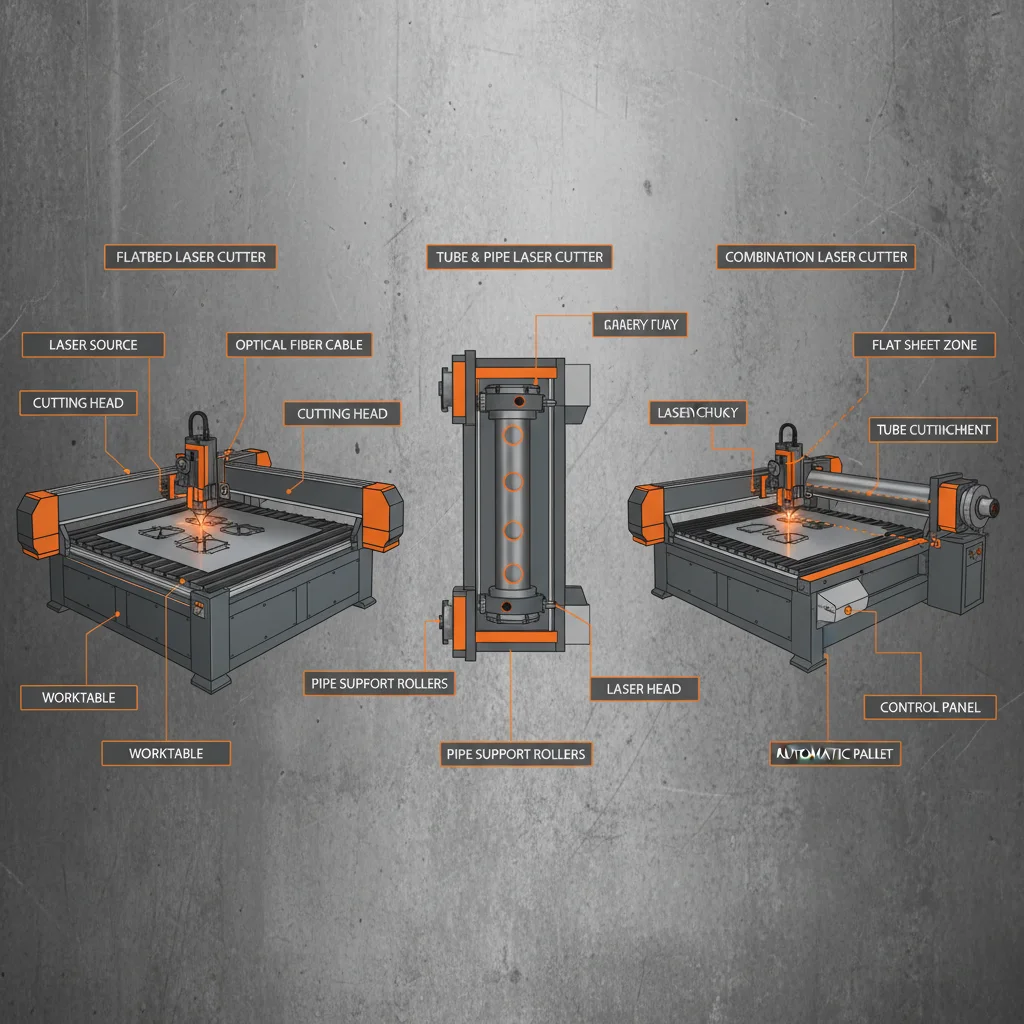
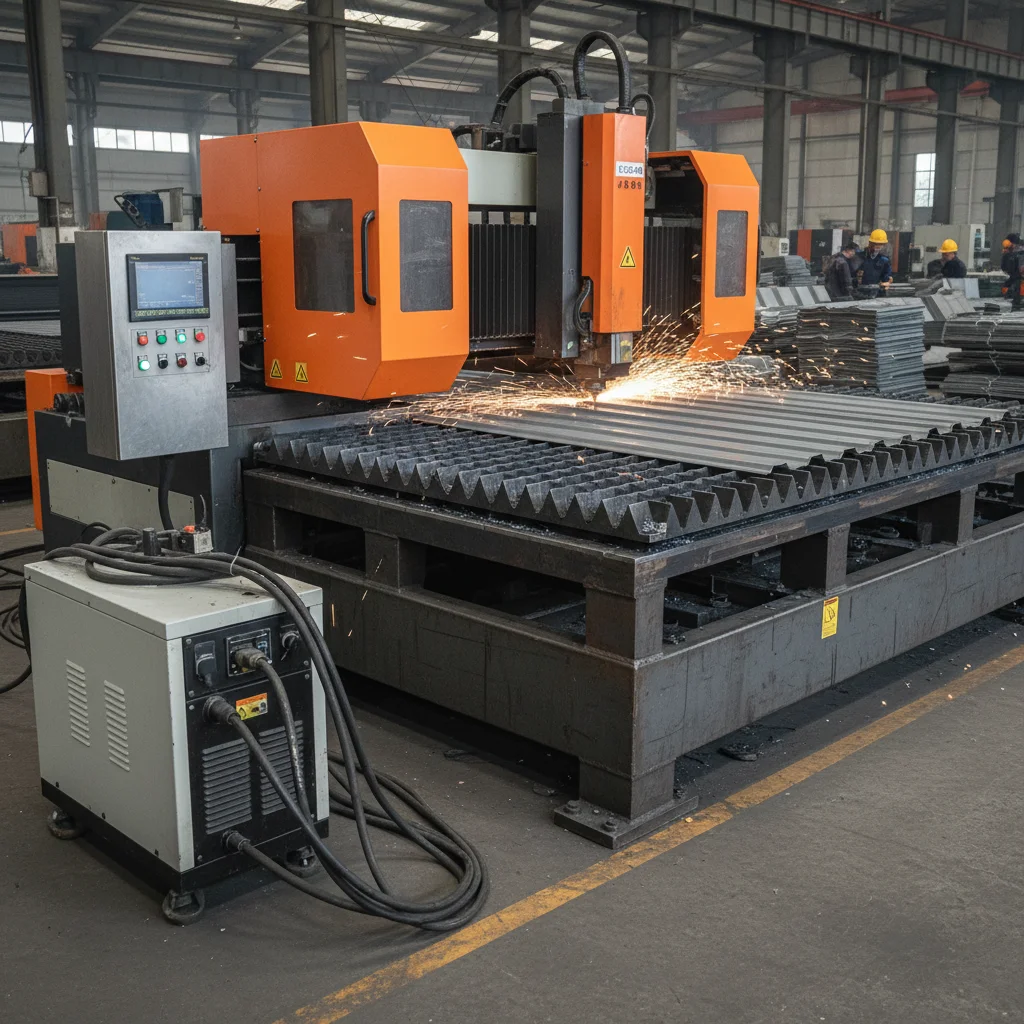
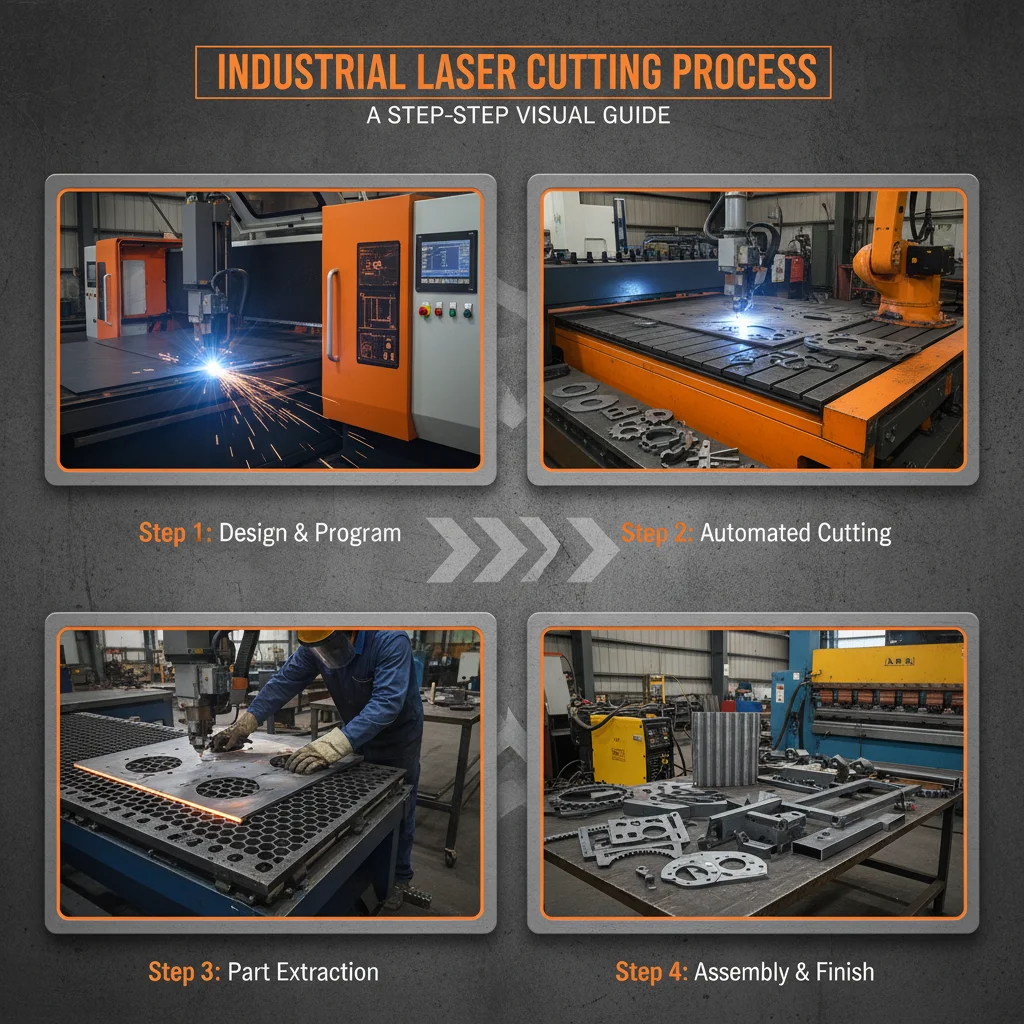
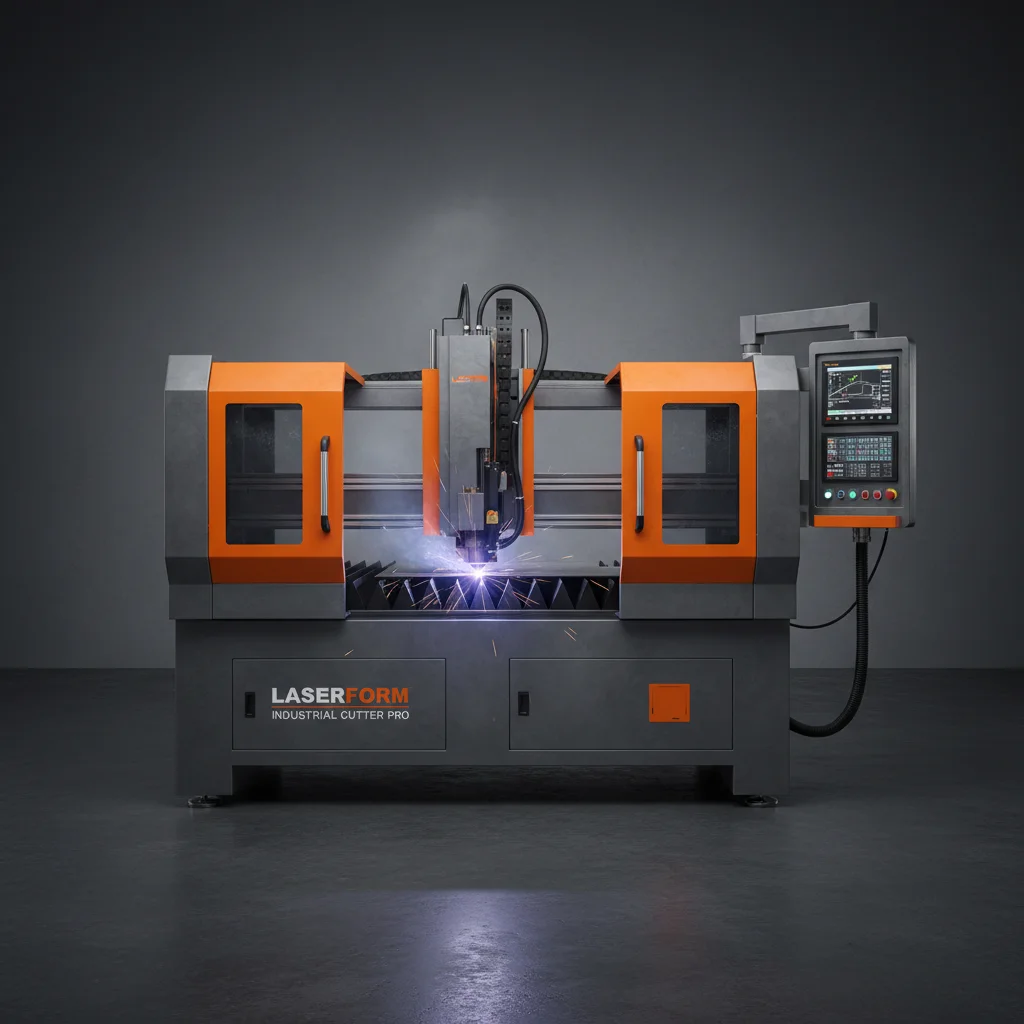
Of course, it’s wise to consider your workload carefully—thicker metals and heavy production still favor traditional laser cutting setups—but for on-demand precision, handheld units fill a unique niche we didn’t have just a few years ago.
In my experience, trust the tool that’s designed not only to perform but to adapt to your workflow — which these handheld lasers have certainly started to do.
References:
1. Industry equipment field tests, 2021–2023
2. Conversations with metal fabrication professionals, 2023
3. Technical specs from leading handheld laser manufacturers websites, 2024