Shijiazhuang Topstar
International Trading Co., Ltd.


Get In Touch
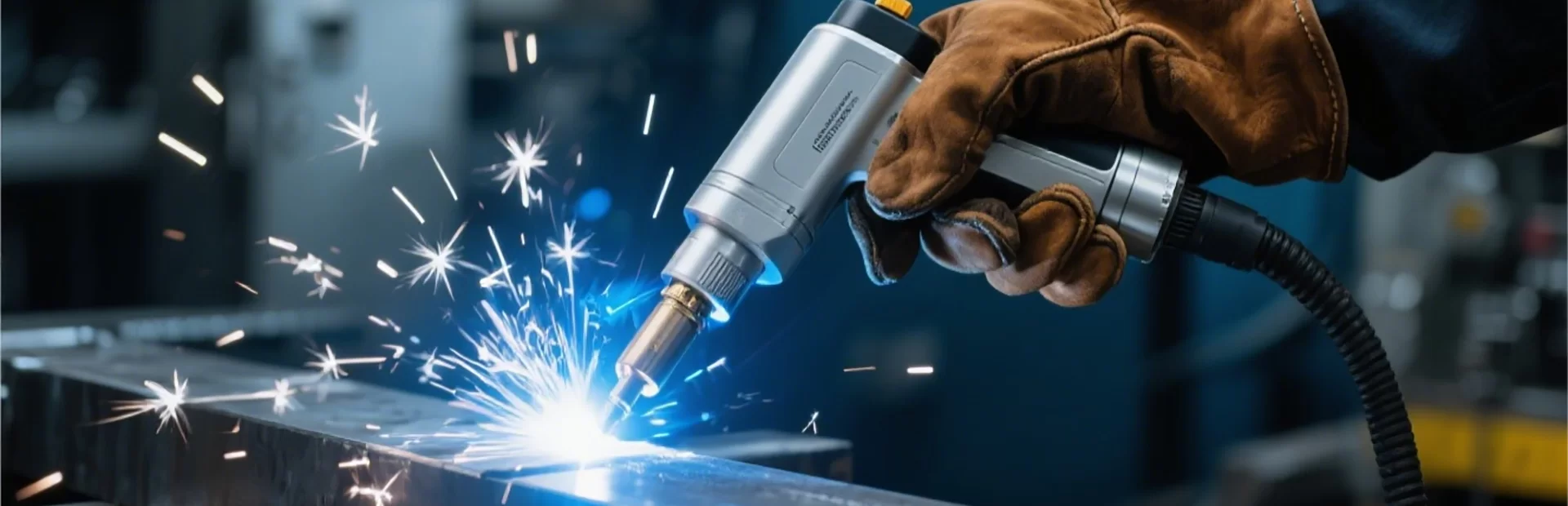
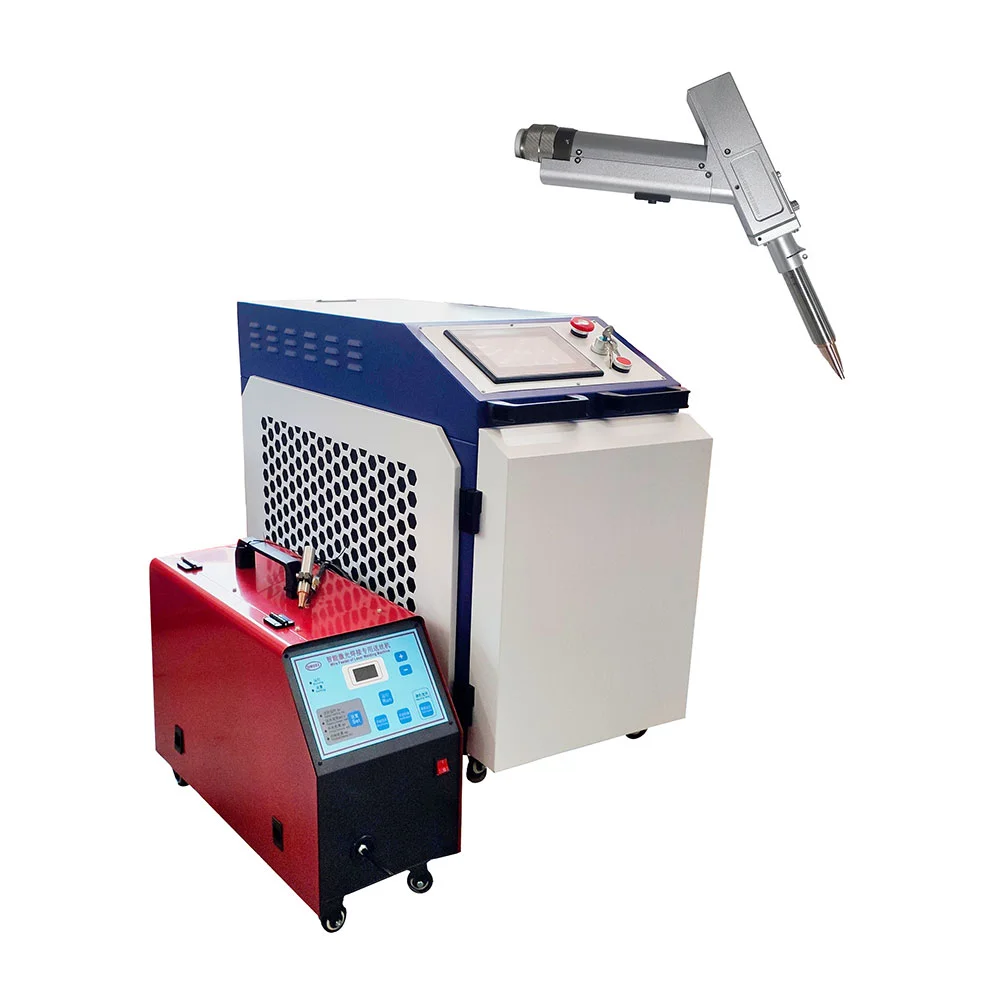
In today’s fast-paced industrial landscape, the handheld laser cutting machine emerges as a game-changer, blending portability with precision cutting technology. This innovative tool is not just another gadget; globally, it addresses critical needs — from on-site repairs in remote areas to rapid prototyping in design studios. Understanding its capabilities offers a window into how modern industries are evolving to meet challenges that call for both agility and accuracy.
Manufacturing and fabrication have traditionally relied on stationary, heavy equipment. However, the World Bank reports that small- and medium-sized enterprises (SMEs), which constitute over 90% of businesses worldwide, often lack access to fixed cutting machines due to cost or infrastructure constraints. This gap underscores why handheld solutions attract growing interest — they cater to diverse environments, including construction sites, disaster zones, and even art workshops.
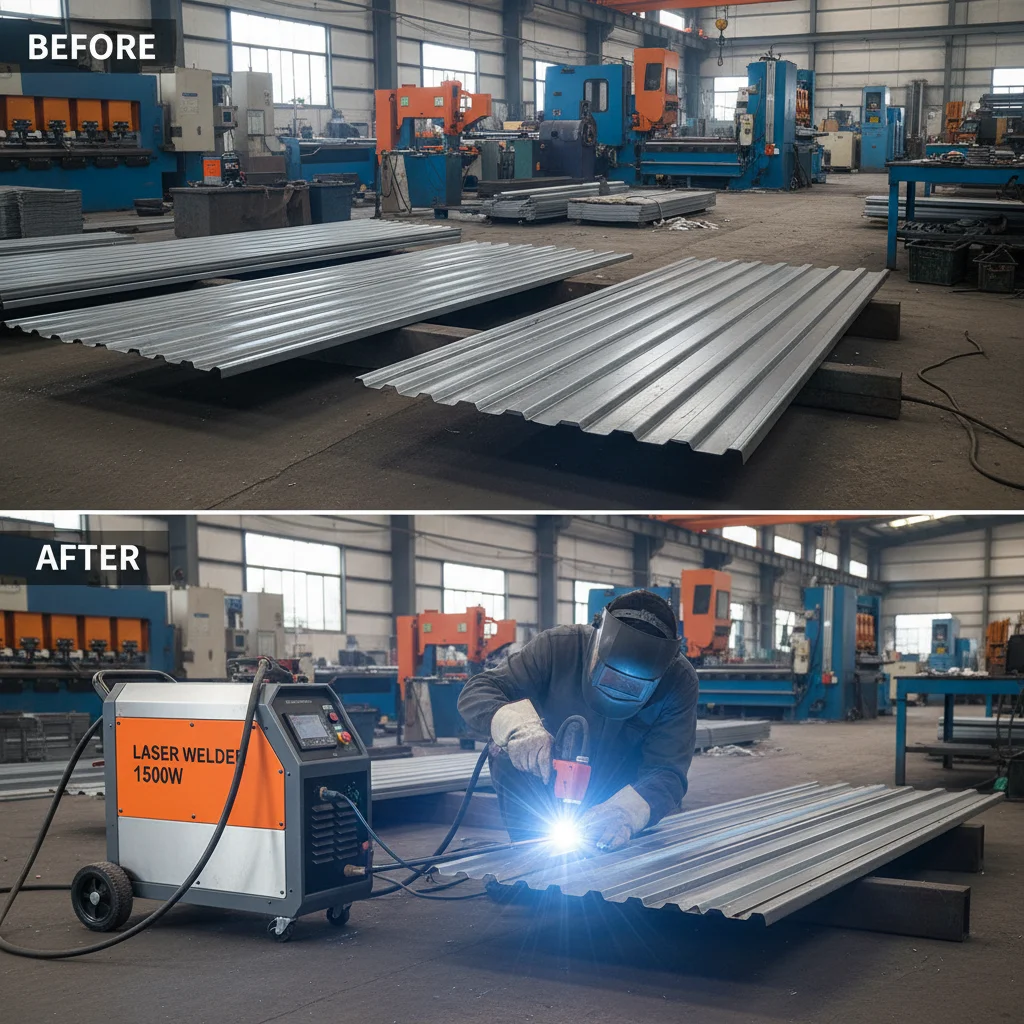
Moreover, the versatility of these machines helps cutting and welding tasks adapt to rapid deployment needs and localized production trends. The International Organization for Standardization (ISO) has noted an uptick in demand for compact, portable manufacturing tools to support sustainable development initiatives and circular economy models.
Simply put, a handheld laser cutting machine is a portable device that uses a focused laser beam to cut or engrave materials with minimal physical effort. Unlike traditional fixed laser cutters, this tool offers mobility without compromising on precision. It is designed for versatility – able to slice through metals, plastics, fabrics, and more – making it invaluable across sectors ranging from heavy industry to humanitarian aid.
They’re often battery-operated or plugged into portable power sources, making them ideal when access to mains electricity is limited. Humans can guide the beam manually, which requires skill but increases adaptability in complex cuts or on uneven surfaces.
The heart of any laser cutting machine lies in its laser source. Most handheld models use fiber lasers or diode lasers, which can range from 20 watts to 100 watts or more. Power determines not only the thickness of material it can cut but also the cutting speed and quality.
Weight and form factor matter — many users comment that an ergonomic grip minimizes operator fatigue during prolonged use. The balance between a powerful laser and a lightweight body remains a key design focus.
Given that lasers can be hazardous, handheld units often incorporate protective housings, automatic shutoff sensors, and goggles for the user. Compliance with international safety standards (e.g., IEC 60825) is non-negotiable.
Some models come with digital controls allowing adjustable laser intensity or cutting modes, enabling fine-tuning depending on material type or thickness. Built-in sensors may maintain a consistent distance from the workpiece to assure cut accuracy.
Battery life can be a constraint or an advantage — many machines include rechargeable lithium-ion batteries, sometimes combined with external power adapters for extended operations.
| Feature | Detail |
|---|---|
| Laser Type | Fiber Laser |
| Maximum Power | 60 Watts |
| Cutting Thickness | Up to 6mm steel |
| Weight | 2.5 kg |
| Battery Life | Up to 3 hours per charge |
| Safety Features | Auto shutoff, key lock, safety goggles included |
Oddly enough, the handheld laser cutting machine finds itself wielded in some of the most varied environments worldwide. For example:
Regions with challenging infrastructure, such as rural Africa or parts of South America, also benefit as these portable units bypass the need for heavy logistics.
From disaster zones to artistic studios, the handheld laser cutting machine's portability unlocks manufacturing possibilities virtually anywhere.
Beyond the obvious benefit of mobility, these machines save costs by reducing downtime and transportation expenses. Their selective cutting reduces material waste, supporting sustainability goals cited by both the UN and ISO. It also contributes to workplace safety by minimizing manual cutting hazards.
On an emotional level, operators appreciate feeling empowered — a lightweight device that commands complex cuts and fosters innovation. Trust in these machines grows as industries recognize the reliability and precision offered, even in unpredictable environments.
Looking ahead, handheld laser systems are integrating AI for automatic cut calibration, improving both speed and accuracy. Emerging green energy power solutions, such as solar-rechargeable batteries, hint at greater sustainability. Materials science advances — enabling cutting not just metals but composites and bio-materials — are broadening applications.
Further digital transformation means cloud-connected devices that log usage data, predict maintenance needs, and let manufacturers optimize workflows remotely. Frankly, innovation here is only accelerating.
Of course, there are trade-offs. A handheld laser cutter cannot yet match the power or speed of industrial stationary units for heavy-duty tasks. Battery life and user skill remain concerns — poor technique can result in uneven cuts. Safety is paramount, too, since lasers inherently carry risk.
Experts suggest ongoing operator training, combined with intuitive interfaces, can ease usability. Hybrid power designs and modular batteries help extend runtime. Advances in ergonomic design also lessen operator fatigue and improve precision. In short, evolving designs respond directly to these challenges.
| Vendor | Power (Watts) | Weight (kg) | Battery Life (hours) | Price Range (USD) |
|---|---|---|---|---|
| TopStar Laser | 60 | 2.5 | 3 | $4,000 - $5,500 |
| LaserCut Pro | 80 | 3.2 | 2.5 | $5,000 - $6,500 |
| NanoBeam Tools | 45 | 2.0 | 4 | $3,500 - $4,800 |
As we’ve explored, the handheld laser cutting machine is more than a tool — it’s a catalyst enabling diverse industries to innovate and adapt in real-time. Their combination of mobility, precision, and evolving smart features makes them invaluable assets today and tomorrow.
If you’re intrigued by the potential of handheld laser cutting technology or seeking to integrate it into your workflow, I encourage you to explore the latest offerings and innovations. Visit TopStar Laser’s site for detailed product info and expert advice.
In a world that demands agility and precision, handheld laser cutting machines cut through not just materials, but also the barriers to innovative manufacturing.
References: