Shijiazhuang Topstar
International Trading Co., Ltd.


Get In Touch
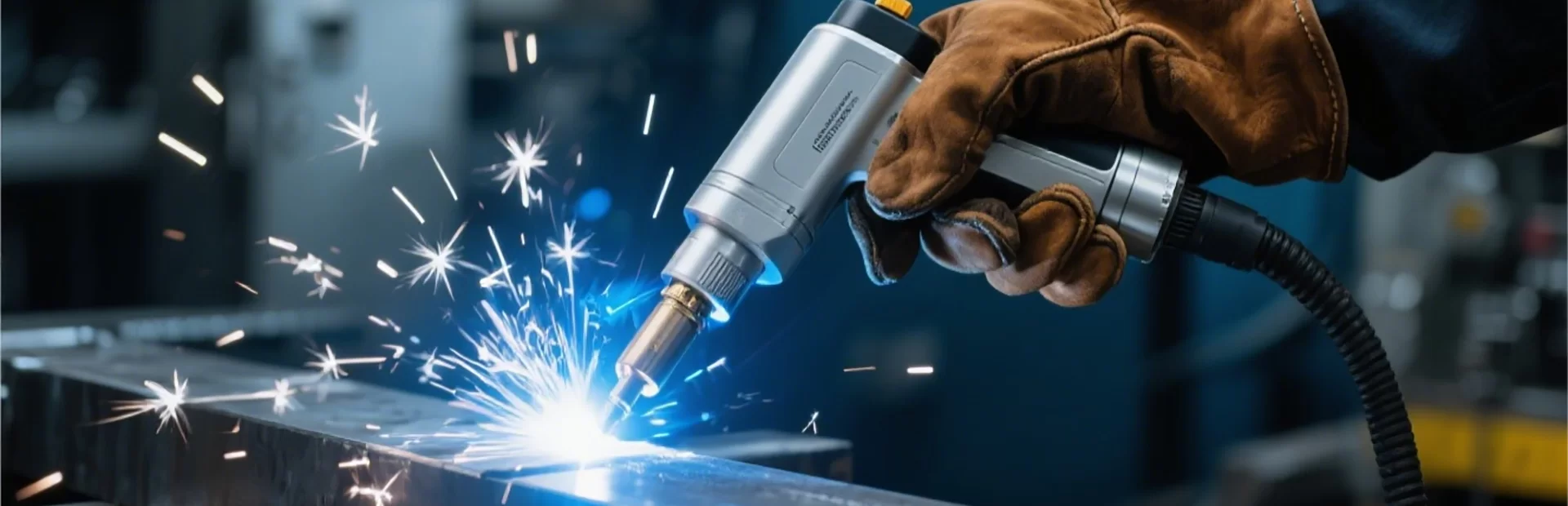
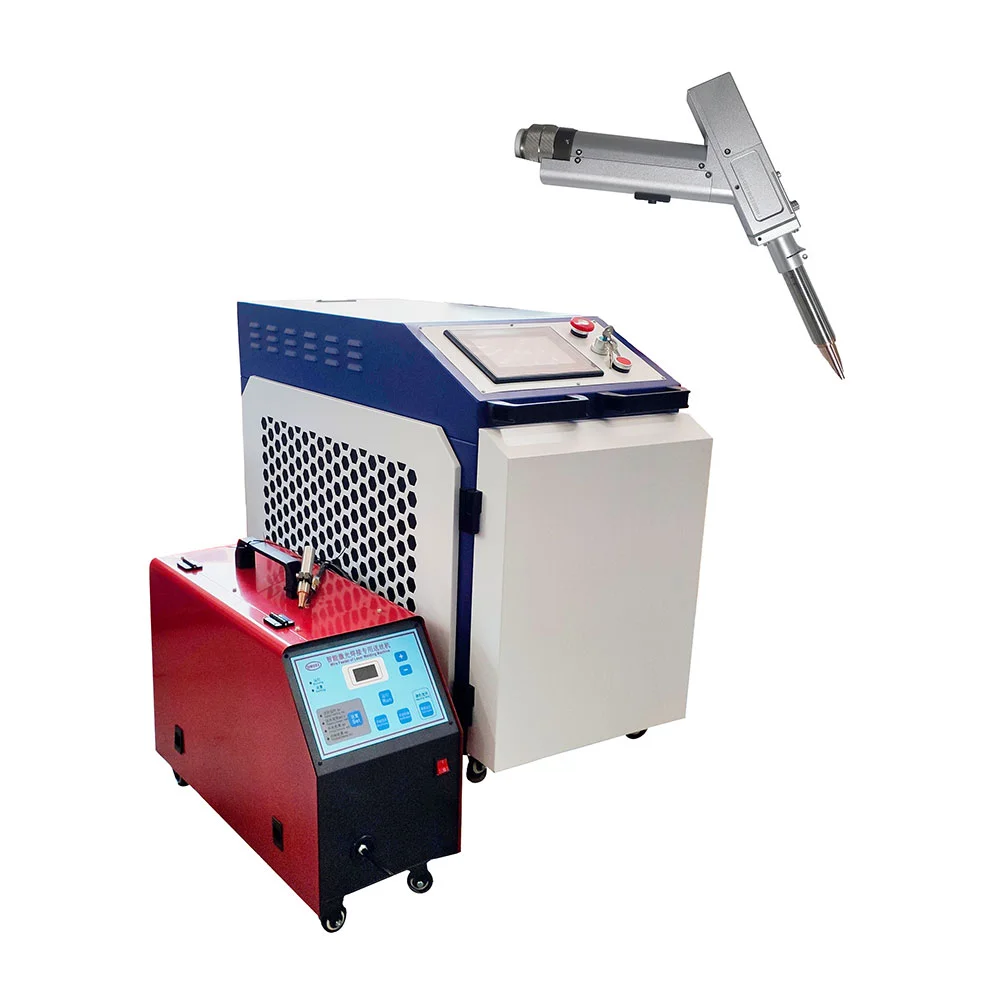
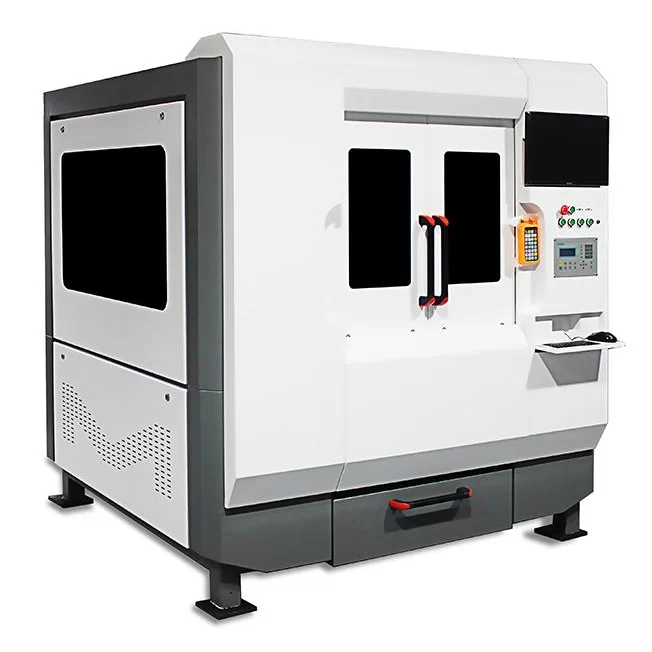
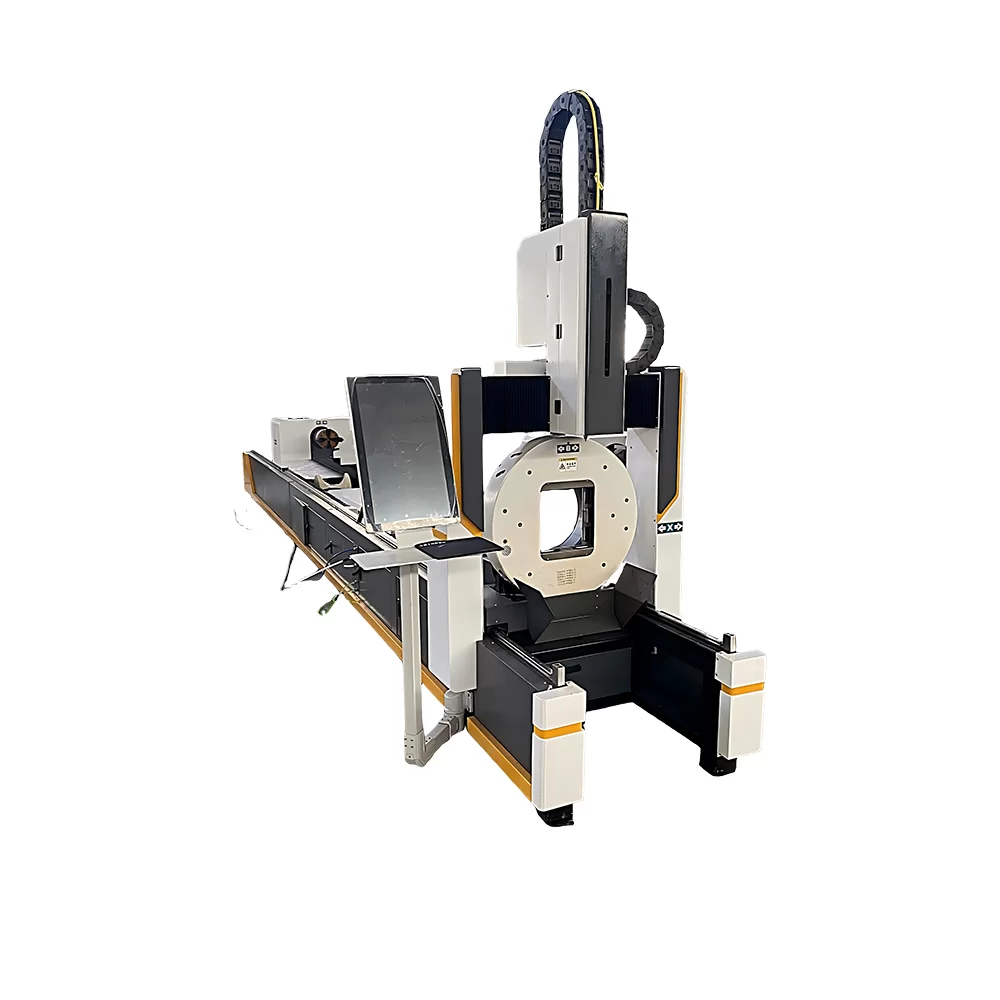
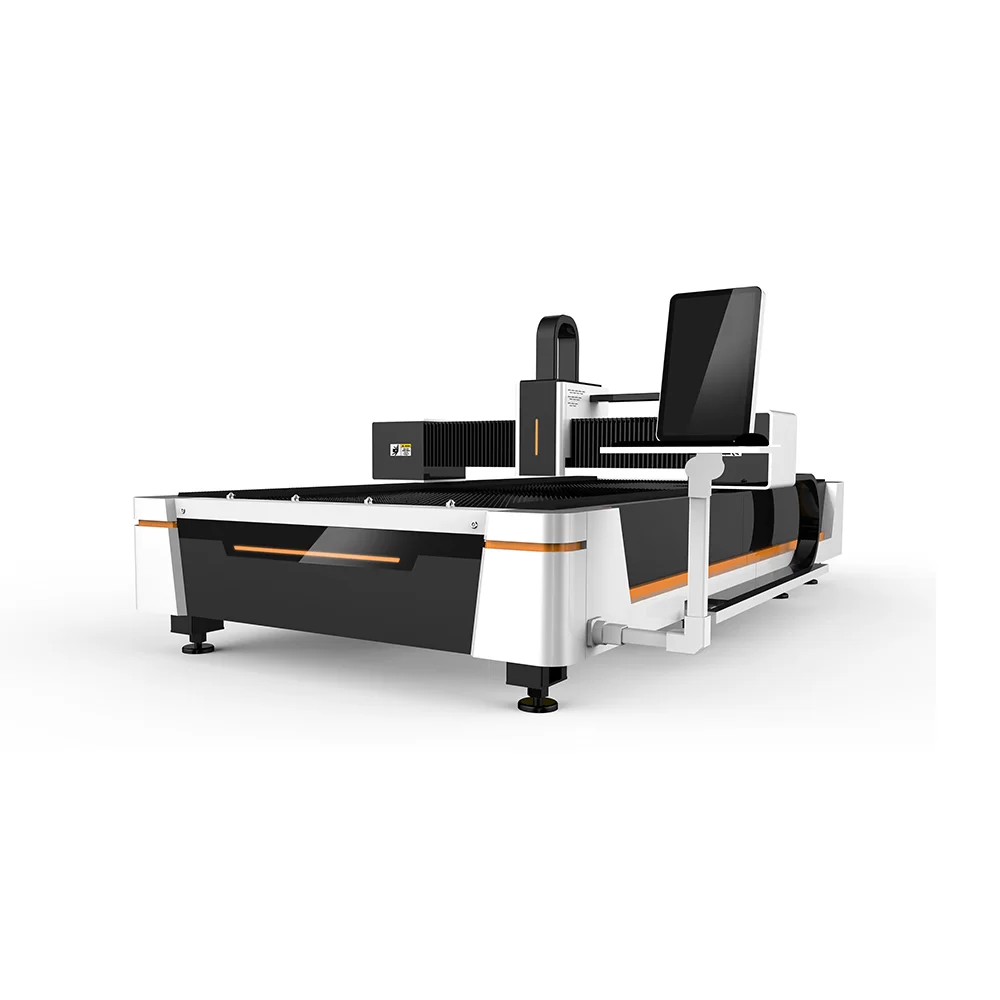
Laser Fiber Cutting is a key solution in the industry, specifically within sectors that demand precision and efficiency in metal fabrication. This article explores how Topstar Laser supports professionals with durable, high-performance products and explains why this technology is an ideal choice for businesses aiming to stay competitive and innovative.
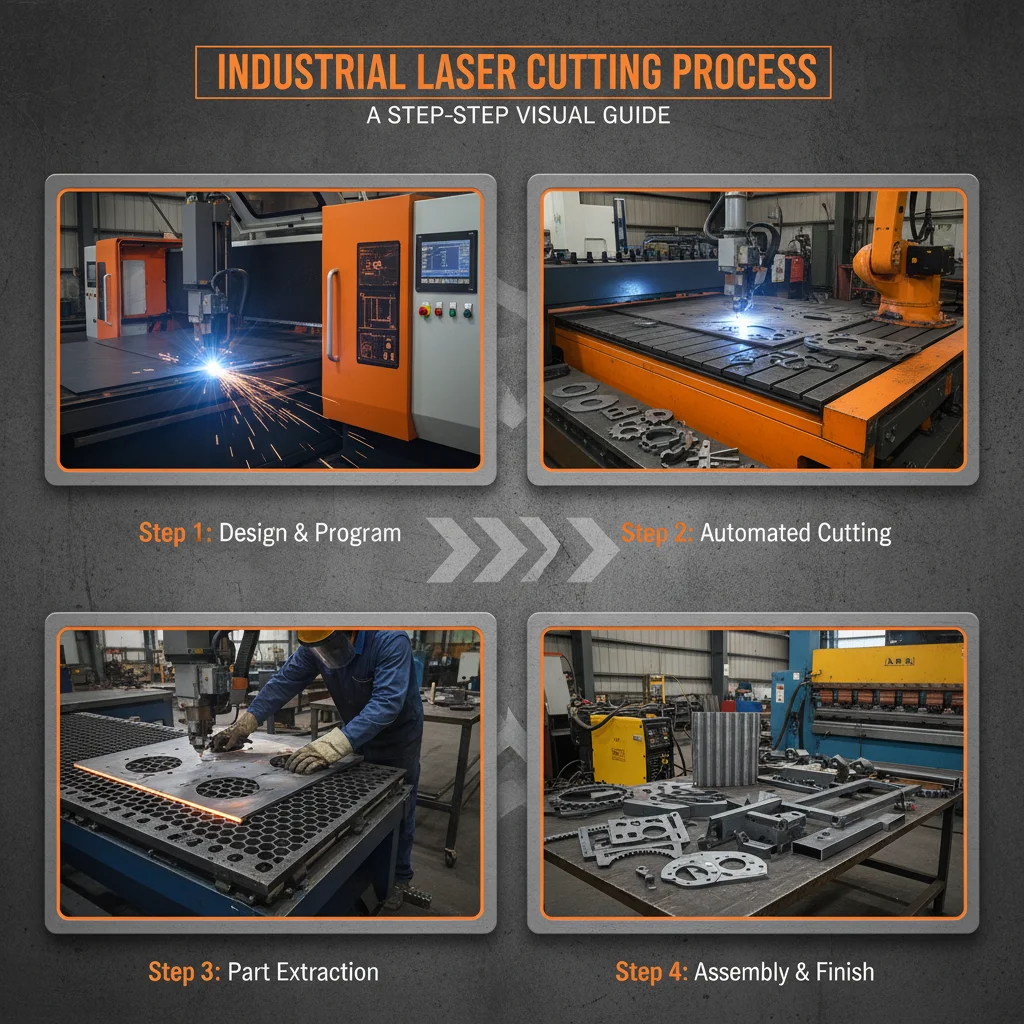
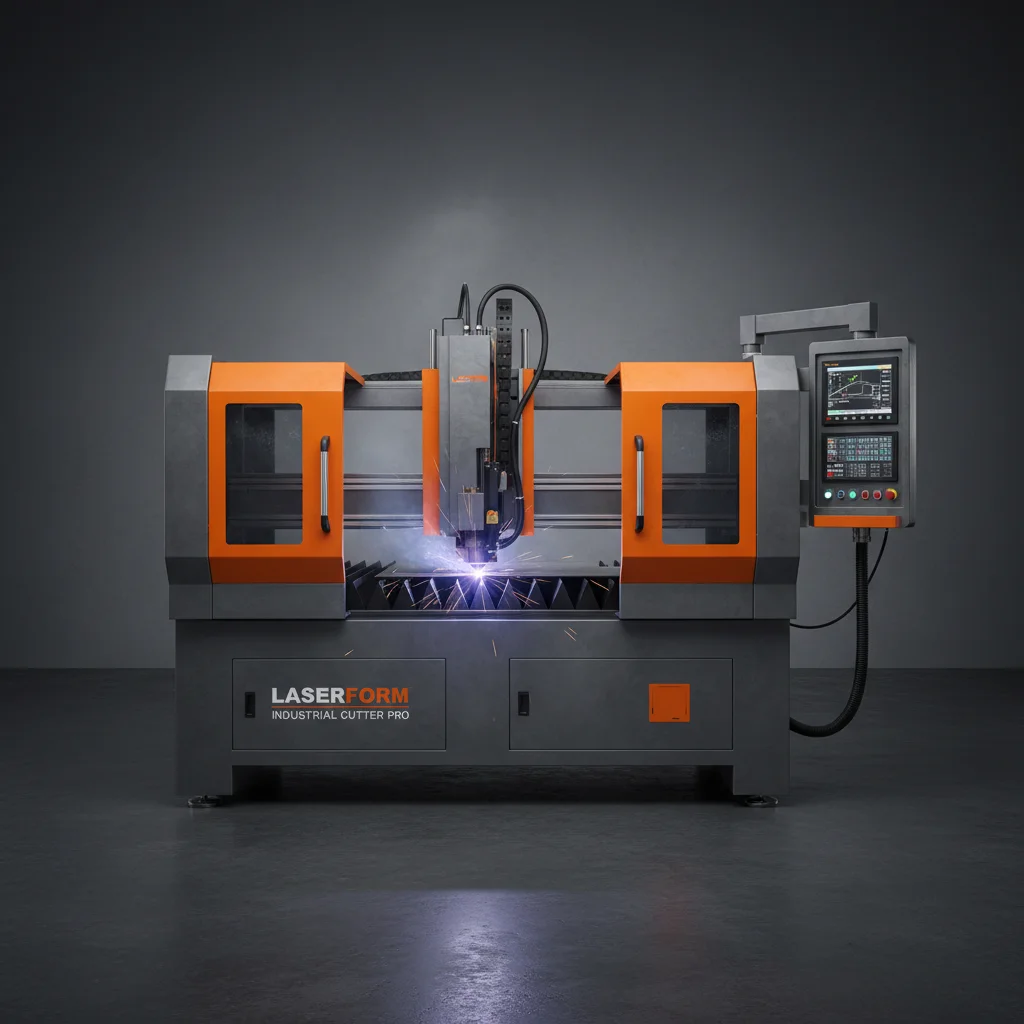
Fundamentally, laser fiber cutting involves using a concentrated fiber laser beam to cut through various metals with remarkable precision. It’s become quite indispensable in industries that rely heavily on metal shaping—think automotive, aerospace, electronics, and heavy machinery manufacturing. The technology exploits a fiber-delivered laser, which typically boasts higher power density and better beam quality compared to traditional CO2 lasers. Frankly, this means cuts that are cleaner, edges that are smoother, and production speeds that are noticeably faster.
| Specification | Details |
|---|---|
| Laser Power | 500W to 12kW |
| Cutting Thickness | Up to 25 mm Stainless Steel / 20 mm Aluminum |
| Cutting Speed | Up to 40 m/min (material dependent) |
| Beam Quality (M2) |
The standout benefit of laser fiber cutting, at least in real-world applications, is its unmatched precision and minimal thermal distortion. This means tighter tolerances and less post-processing — crucial factors for sectors manufacturing parts with complex geometries. It also dramatically reduces waste, which is a nice bonus, frankly.
| Feature | Topstar Laser | Competitor A | Competitor B |
|---|---|---|---|
| Max Power (kW) | 12 | 10 | 8 |
| Beam Quality (M2) | < 1.3 | < 1.5 | ~ 1.6 |
| Warranty (Years) | 3 | 2 | 1.5 |
| After-sales Support | 24/7 Global | Business Hours | Limited Regional |
From a practical standpoint, users often highlight the impressive ROI on laser fiber cutting equipment — which, yes, initially carries a notable capital expense. You’re getting waived maintenance costs compared to older laser tech, thanks in part to the fiber laser’s solid-state design that avoids moving optical parts. I’ve noticed multiple industrial customers praising the machines’ uptime and low power consumption; it all adds up when you consider operational costs.
Sustainability continues to be a hot topic, and laser fiber cutting fits nicely into that narrative. By minimizing waste with precise cuts and lowering energy consumption compared to older methods, these systems align with tighter regulations and green manufacturing initiatives. Oddly enough, there’s been a steady uptick in adoption even in traditionally conservative sectors, largely driven by market demands for eco-friendly operations.
To sum it all up, laser fiber cutting has essentially redefined standards for precision cutting in metalwork industries worldwide. When you’re looking for a combination of efficiency, durability, and scalability, systems from trusted providers like Topstar Laser stand out as practical and forward-thinking investments for today’s B2B decision makers.
Oddly enough, even with all the high-tech talk, investing in laser fiber cutting feels like future-proofing your operations, and many engineers I’ve talked to swear by it.