Shijiazhuang Topstar
International Trading Co., Ltd.


Get In Touch
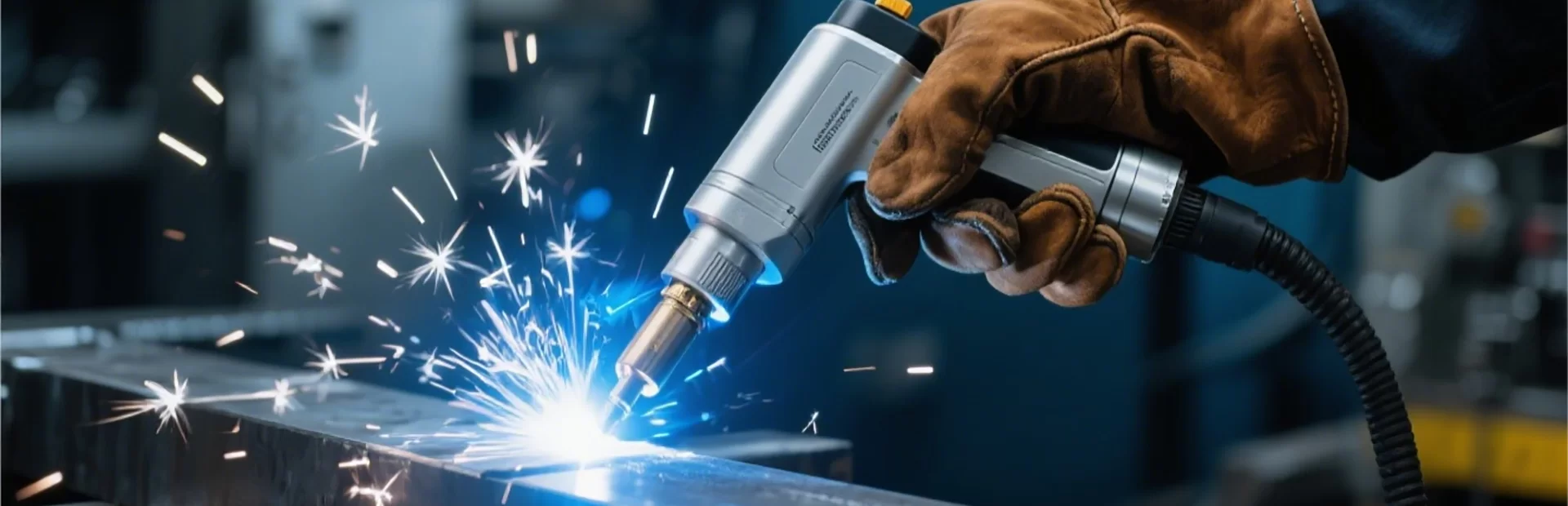
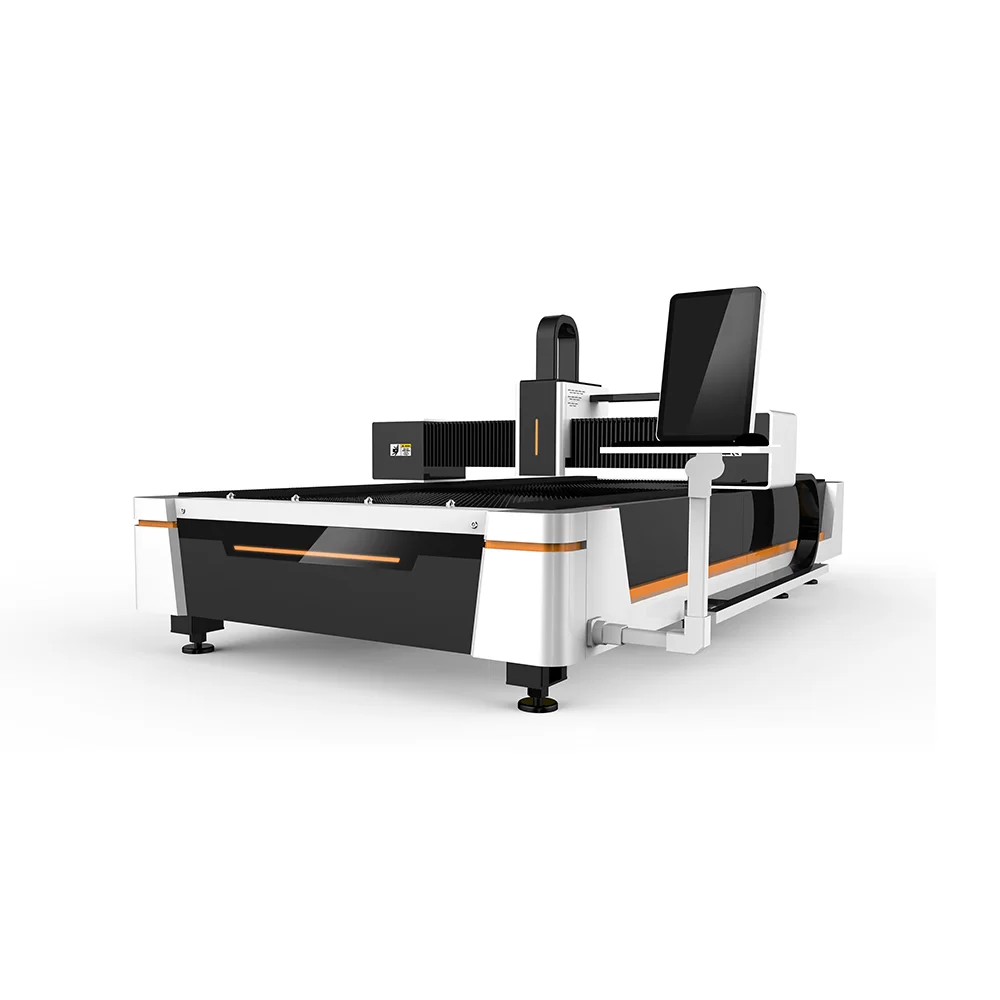
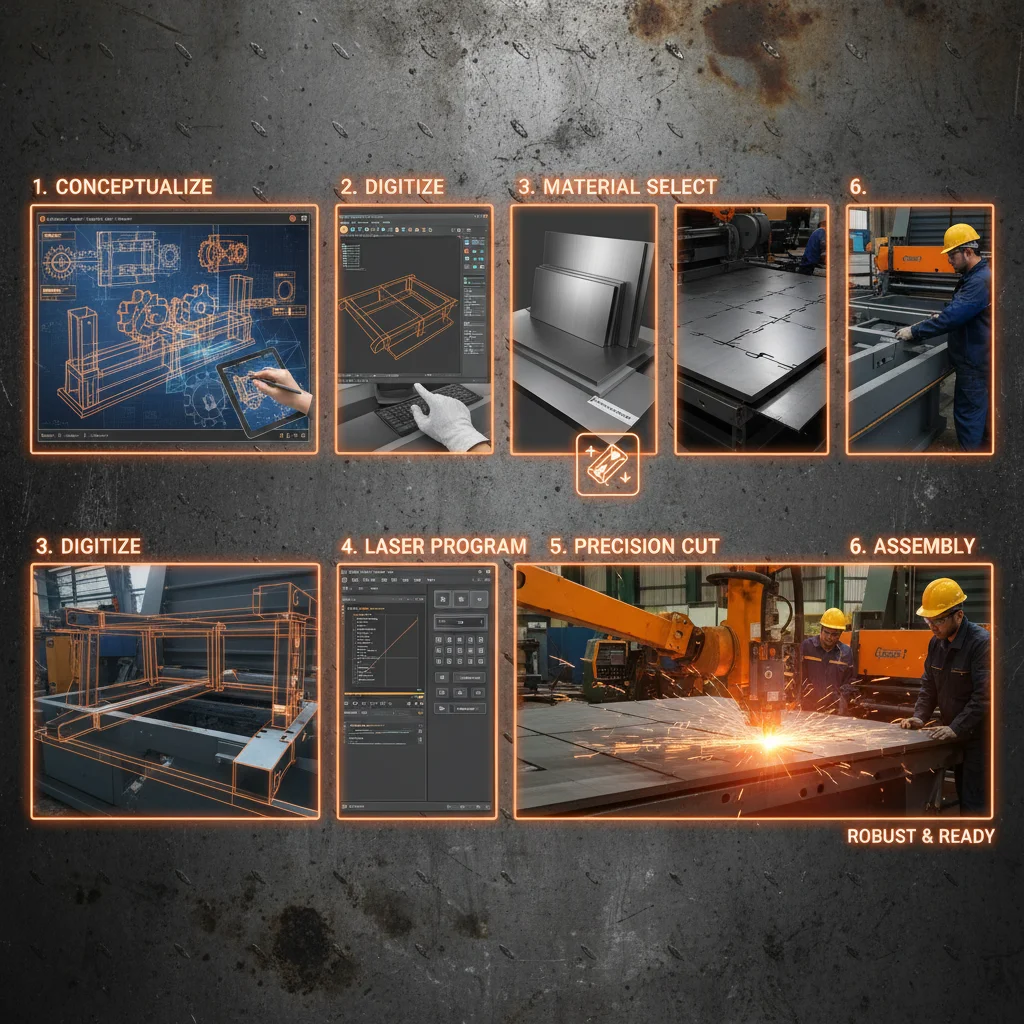
In the relentless pursuit of manufacturing excellence, industries worldwide are constantly seeking innovations that deliver unparalleled precision, speed, and material versatility. Among the most pivotal advancements in modern fabrication, the laser cutting sheet metal machine stands as a testament to engineering ingenuity, revolutionizing the way metal is processed and shaped. This technology has not merely optimized existing processes but has fundamentally reshaped production paradigms, offering capabilities that were once deemed unattainable. The global metal fabrication market, valued at approximately $200 billion in 2022, is projected to expand significantly, with laser cutting technologies accounting for a growing share due to their undeniable efficiency and output quality. Its non-contact nature eliminates tool wear and material deformation, ensuring pristine edge quality and minimal secondary finishing. From intricate prototypes to high-volume production runs, a sophisticated laser cutting machine empowers manufacturers to achieve tighter tolerances, reduce material waste by up to 15-20% through advanced nesting algorithms, and significantly decrease lead times, often cutting production cycles by half compared to traditional methods. This translates directly into substantial cost savings and a competitive edge in an increasingly demanding global marketplace. The ability to process a vast array of materials, from thin gauge steels to robust alloys and reflective metals like copper and brass, without costly tool changes, underlines its indispensable role in contemporary manufacturing landscapes. Its evolution from nascent technology to an industrial workhorse underscores its profound impact on sectors ranging from automotive and aerospace to electronics and construction.
The core advantage of modern laser cutting technology lies in its exceptional precision and remarkable speed, setting it apart from conventional cutting methods. Utilizing a focused beam of high-intensity light, these machines can slice through materials with astonishing accuracy, often achieving positional accuracies of ±0.03mm (±0.001 inch) and repeatability of ±0.01mm. This level of precision is critical for industries like aerospace, where components demand exact specifications for optimal performance and safety. Furthermore, cutting speeds can range dramatically, with fiber laser systems capable of processing thin-gauge stainless steel at rates exceeding 30-40 meters per minute (approx. 100-130 feet per minute) and mild steel up to 25mm thick at several meters per minute. Such high-speed capabilities drastically reduce production bottlenecks, facilitating rapid turnaround times for complex projects. Beyond speed and precision, the thermal process of laser cutting results in a minimal heat-affected zone (HAZ), reducing material distortion and preserving the structural integrity of the workpiece. The smooth, burr-free edges often eliminate the need for costly secondary finishing operations such as deburring or grinding, leading to further time and cost efficiencies. The inherent flexibility of computer numerical control (CNC) programming allows for the creation of intricate geometries and complex designs that would be impossible or prohibitively expensive with stamping or punching. Moreover, the non-contact nature of the cutting process means no direct mechanical force is applied to the material, preventing scratching, marring, or bending, especially crucial for delicate or polished finishes. This amalgamation of speed, precision, versatility, and minimal post-processing requirements solidifies laser cutting as a superior method for high-quality metal fabrication across a spectrum of industrial applications.
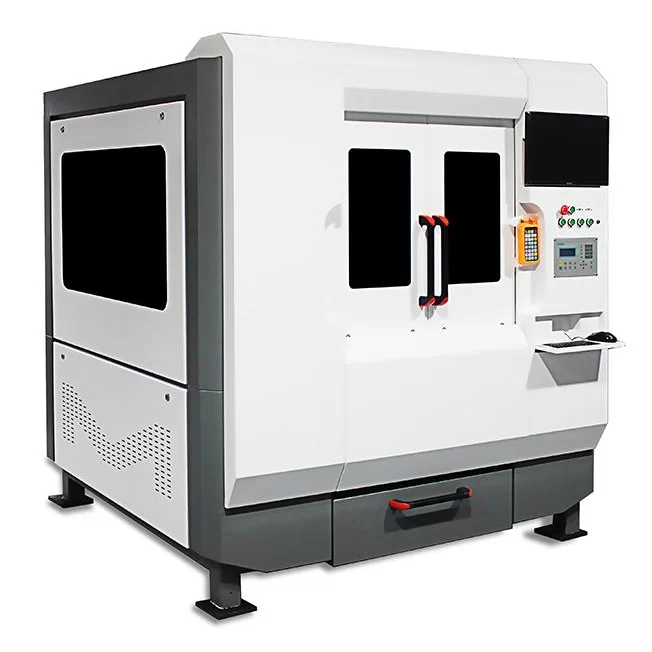
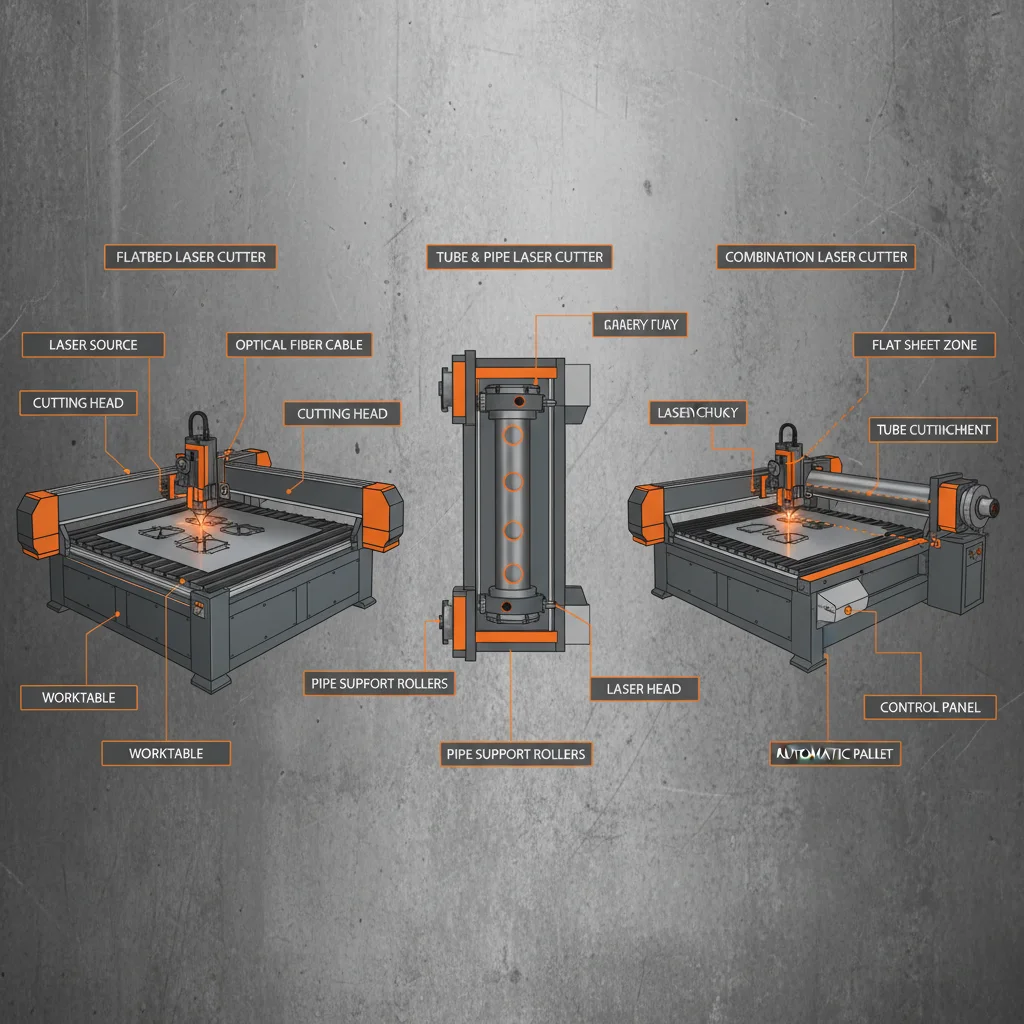
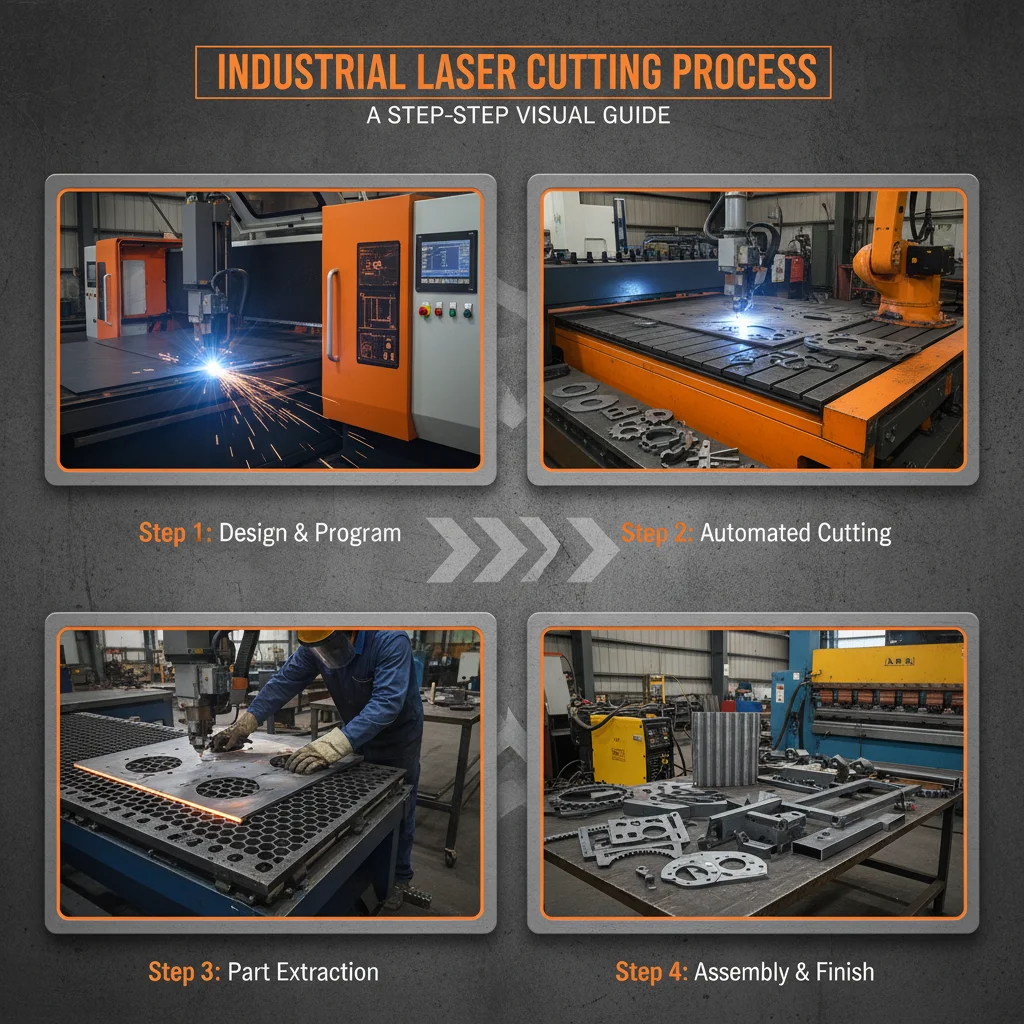
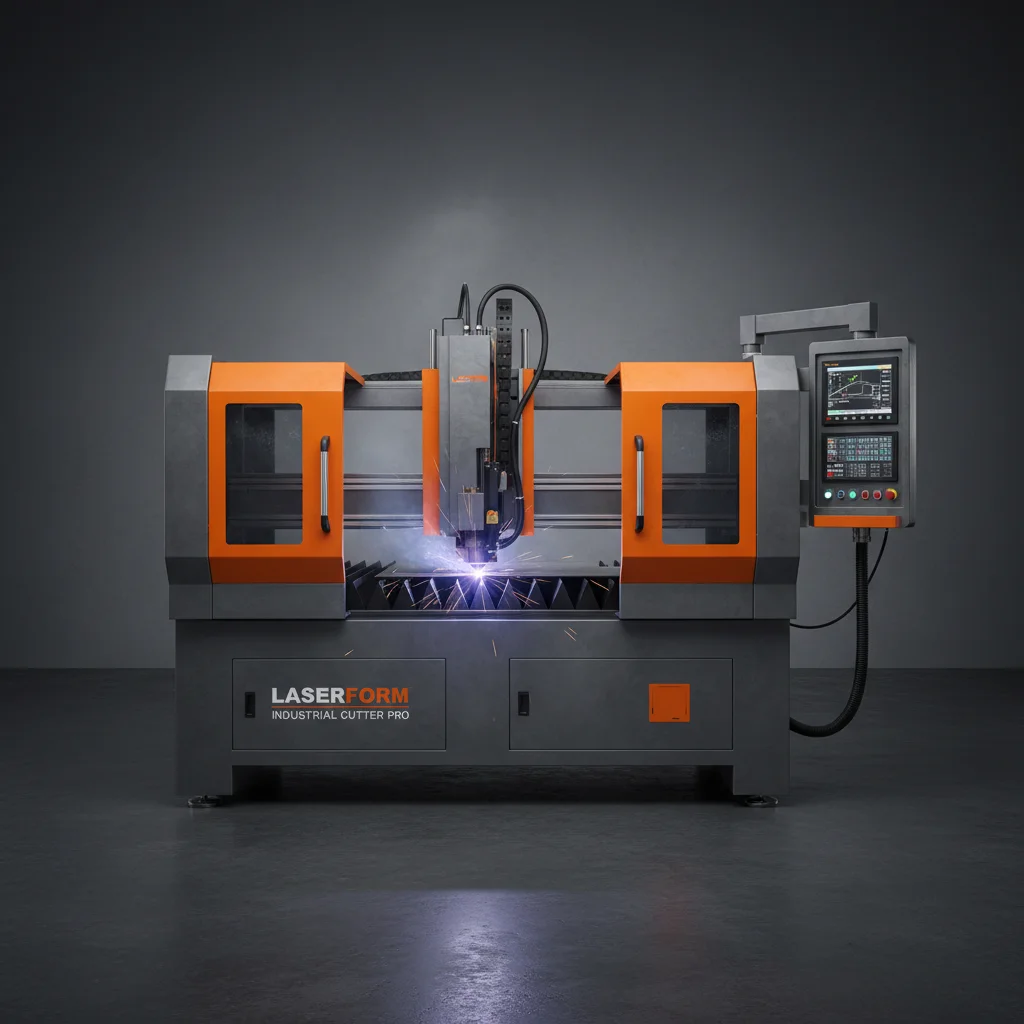
Understanding the inner workings of a modern laser cutter provides insight into its unparalleled capabilities. At its heart, a laser cutting system consists of several critical components: the laser source, the beam delivery system, the cutting head, and the CNC control unit. Two primary types of laser sources dominate the sheet metal cutting market: CO2 lasers and fiber lasers. CO2 lasers, typically using a gas mixture (carbon dioxide, helium, nitrogen) as the active medium, produce a beam with a longer wavelength, making them highly effective for cutting thicker non-metals and a variety of metals with excellent edge quality. Fiber lasers, on the other hand, utilize optical fibers doped with rare-earth elements (like ytterbium) to generate and guide the laser beam. Their shorter wavelength and higher absorption rate by metals make them exceptionally efficient for cutting reflective materials and thin to medium-thick metals at very high speeds. The beam delivery system, often comprising mirrors and lenses for CO2 lasers or a sealed fiber optic cable for fiber lasers, meticulously guides the high-power beam from the source to the cutting head. Within the cutting head, a focusing lens concentrates the laser beam to an infinitesimal point, achieving power densities capable of vaporizing or melting metal. Simultaneously, an assist gas (such as oxygen, nitrogen, or compressed air) is directed coaxially with the laser beam. This gas plays a crucial role: oxygen facilitates an exothermic reaction, aiding in the cutting of mild steel; nitrogen provides a clean, oxide-free cut on stainless steel and aluminum by blowing away molten material; and compressed air offers a cost-effective alternative for certain applications. All these actions are precisely orchestrated by the CNC control unit, which interprets CAD designs and translates them into precise machine movements, dictating the laser’s path, power, and assist gas parameters, ensuring consistent, repeatable, and automated cutting operations with minimal human intervention.
The market for laser cutting machines is robust and diverse, featuring a range of manufacturers from established global leaders to specialized niche providers. Selecting the right machine involves a comprehensive evaluation of technical specifications, support infrastructure, and total cost of ownership. Different manufacturers excel in various aspects, catering to distinct industrial demands and budget constraints. For instance, some may prioritize raw cutting speed and power, while others focus on advanced automation features or specialized software integration. Below is a comparative overview highlighting key differentiators that prospective buyers should consider when evaluating leading laser cutting sheet metal machine providers:
Feature/Category | Premium Performance Leader (e.g., Bystronic, Trumpf) | Mid-Tier Innovator (e.g., Amada, Mazak) | Entry-Level Provider (e.g., Han's Laser, Gweike) |
Laser Source & Power Range | Up to 30kW+ Fiber Laser, CO2 options | Up to 20kW Fiber Laser, some CO2 | Up to 12kW Fiber Laser, primarily |
Cutting Speed (Thin Gauge Steel) | Exceptional (50-60m/min+) | Very High (40-50m/min) | High (30-40m/min) |
Precision & Repeatability | Industry-leading (±0.01mm) | Excellent (±0.02mm) | Good (±0.03mm) |
Automation & Integration | Full automation suite (load/unload, storage, sorting), smart factory integration | Advanced automation options, decent integration | Basic automation, manual loading common |
Software & HMI | Proprietary, intuitive, advanced nesting & diagnostics, cloud connectivity | User-friendly, robust nesting, remote monitoring | Standard, functional, basic nesting |
After-Sales Support & Service | Global network, rapid response, extensive training, predictive maintenance | Strong regional support, good training | Varies by region, often third-party dependent |
Initial Investment Cost | Very High (>$500k to $2M+) | Moderate to High (>$200k to $800k) | Entry-level to Moderate (>$50k to $300k) |
Target Application | High-volume, complex, precision-critical, lights-out manufacturing | Diverse job shops, medium to large production runs, specialty fabrication | Start-ups, educational, small-to-medium job shops, specific product lines |
This comparison underscores the importance of aligning machine capabilities with specific business needs, production volumes, and long-term strategic goals. Investing in a machine from a reputable manufacturer with a proven track record ensures not only cutting-edge technology but also reliable support and future scalability.
While standard laser cutting machines offer impressive capabilities, many industries require bespoke solutions to meet their unique manufacturing challenges. The true strength of modern laser cutting technology lies in its adaptability and the extensive customization options available. For example, in the automotive industry, manufacturers might require machines with exceptionally large cutting beds to handle full-size vehicle body panels, or specialized fixtures for processing hydroformed parts. Aerospace components, often made from exotic alloys like titanium or Inconel, demand extreme precision and minimal HAZ, leading to custom gas assist setups or multi-axis cutting capabilities for complex, three-dimensional parts. The medical device sector, with its stringent regulatory requirements and need for micron-level accuracy, might necessitate machines with ultra-fine beam focusing and cleanroom compatibility for sterile environments. Customization extends beyond hardware to advanced software integration. Sophisticated CAD/CAM nesting software can be tailored to optimize material utilization for specific product lines, potentially reducing scrap rates by an additional 5-10%. Real-time monitoring systems, integrated with enterprise resource planning (ERP) or manufacturing execution system (MES) software, allow for seamless production tracking, predictive maintenance, and optimized scheduling. Furthermore, automation solutions can be highly customized, ranging from robotic loading and unloading systems that handle raw sheets and finished parts, to integrated part sorting and stacking units. These bespoke configurations not only enhance operational efficiency but also allow companies to produce specialized products, gain unique competitive advantages, and respond with agility to evolving market demands. The ability to configure a laser cutting system precisely to specific materials, geometries, and production volumes is a critical factor in maximizing return on investment and achieving peak manufacturing performance.
The pervasive influence of laser cutting technology is evident across a multitude of industries, transforming production methods and enabling new design possibilities. Consider the HVAC sector: previously, ductwork and ventilation components were fabricated using manual cutting or punch presses, a laborious process prone to errors and material waste. With the adoption of laser cutting, manufacturers can now produce intricate, custom-fit components with unparalleled speed and accuracy, reducing assembly time on-site and enhancing overall system efficiency. One notable case study involved a large HVAC fabricator who implemented a 15kW fiber laser system, resulting in a 40% reduction in production time for complex parts and a 25% increase in material utilization. In the electronics industry, laser cutting facilitates the creation of delicate enclosures and internal components from various metals, providing the necessary precision for compact and sophisticated devices. For example, a leading consumer electronics company used a specialized laser cutter to produce stainless steel casings for wearable technology, achieving intricate patterns and micro-cuts that traditional methods couldn't replicate, leading to a 15% improvement in product aesthetics and functionality. The automotive industry leverages laser cutting for everything from prototype development to mass production of chassis components, exhaust systems, and structural elements, benefiting from the ability to quickly adapt designs and achieve lightweighting goals. An automotive supplier reported a 30% faster time-to-market for a new car model’s structural components after integrating advanced laser cutting solutions into their fabrication line. Furthermore, architectural design increasingly incorporates laser-cut metal panels for facades, decorative elements, and intricate interior features, pushing the boundaries of aesthetic possibilities while maintaining structural integrity. These diverse applications underscore how laser cutting is not just a tool but a catalyst for innovation, enabling businesses to overcome manufacturing limitations, improve product quality, and accelerate their pace of development.
The decision to invest in a laser cutting sheet metal machine is a strategic one, profoundly impacting a company's production capabilities, operational efficiency, and long-term profitability. Beyond the initial capital outlay, prospective buyers must consider a holistic view encompassing total cost of ownership (TCO), including energy consumption, maintenance, consumables (assist gases, nozzles, lenses), and software upgrades. A high-efficiency fiber laser, for example, can consume significantly less power—up to 50% less than a comparable CO2 laser—translating into substantial savings over its operational lifespan. Moreover, the reliability and longevity of components, such as the laser source itself (often rated for 50,000-100,000 hours of operation), directly influence the machine's uptime and overall productivity. When making this pivotal investment, it is crucial to conduct a thorough analysis of current and projected production volumes, material types and thicknesses, part complexity, and desired levels of automation. Engaging with multiple vendors, requesting detailed technical demonstrations, and visiting existing installations can provide invaluable insights. Furthermore, evaluating the manufacturer's commitment to ongoing research and development ensures access to future innovations and sustained competitive advantage. The choice of machine should align not only with immediate production needs but also with long-term business growth strategies, allowing for scalability and adaptability to future market demands. Ultimately, a well-chosen laser cutting sheet metal machine is more than just a piece of equipment; it is a powerful strategic asset that enhances precision, accelerates production, reduces costs, and empowers manufacturers to achieve unprecedented levels of quality and innovation, securing a robust future in the dynamic landscape of modern fabrication.
What materials can a laser cutting sheet metal machine process?
Modern fiber laser cutting machines can process a wide range of metals including mild steel, stainless steel, aluminum, copper, brass, and various alloys. CO2 lasers are also effective for certain metals and excel at cutting non-metals like acrylic, wood, and plastics, though they are less common for dedicated metal sheet cutting in industrial settings.
What are the main advantages of fiber lasers over CO2 lasers for sheet metal cutting?
Fiber lasers offer higher efficiency, faster cutting speeds for thin to medium-thick metals, lower operating costs (less power consumption, no laser gas), longer diode life, and superior ability to cut reflective materials like copper and brass. CO2 lasers traditionally provided better edge quality on thicker mild steel, but fiber technology has largely caught up.
What thickness of sheet metal can a laser cutting machine handle?
The maximum thickness depends heavily on the laser power. Entry-level machines (e.g., 1kW-3kW) might cut up to 6-12mm (0.25-0.5 inches) of mild steel. High-power systems (e.g., 15kW-30kW+) can cut mild steel up to 50mm (2 inches) or more, and stainless steel up to 30mm (1.2 inches), though speeds decrease significantly with thickness.
How does automation integrate with laser cutting sheet metal machines?
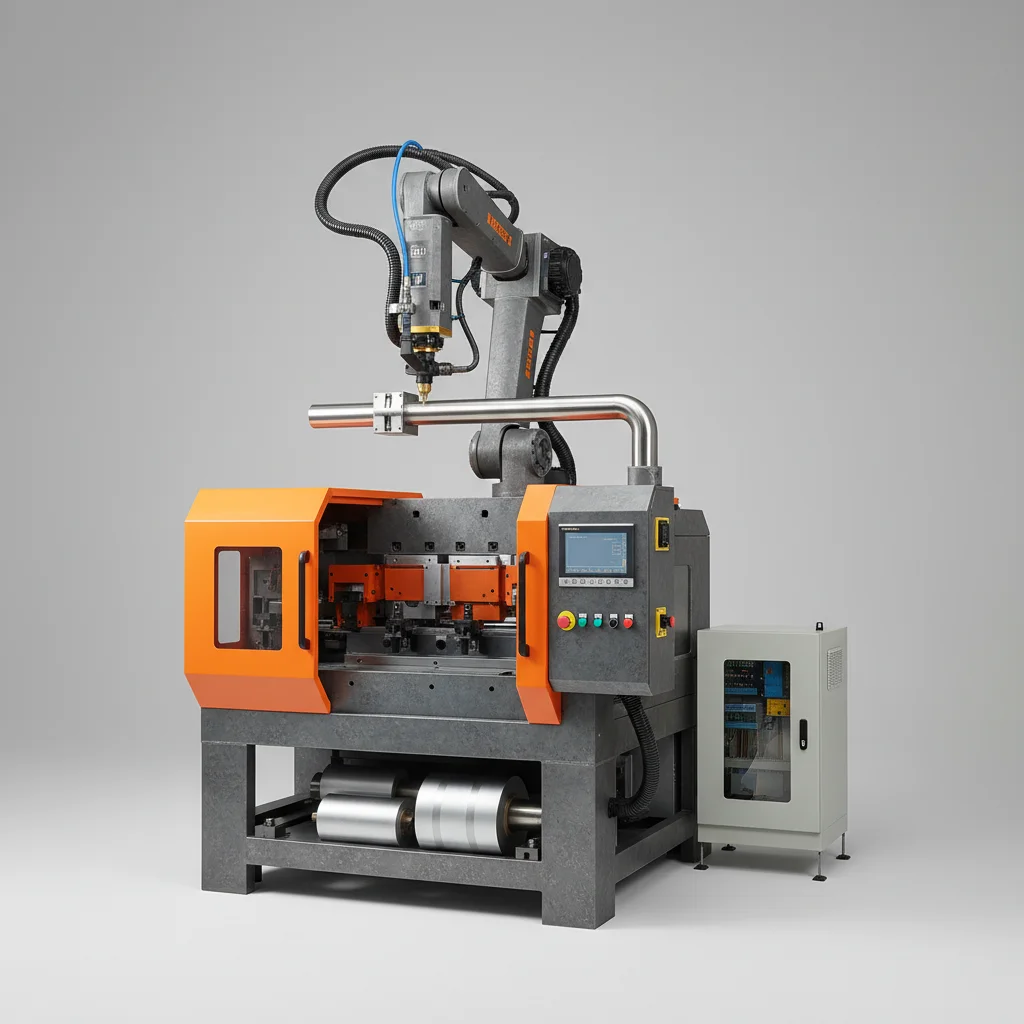
Automation integration can range from basic sheet loading/unloading systems (e.g., shuttle tables) to fully automated towers for material storage and retrieval, robotic part sorting, and even integration with palletizing systems. This significantly reduces manual labor, increases throughput, and enables lights-out manufacturing.
What safety precautions are necessary when operating a laser cutting machine?
Strict safety measures are paramount. These include fully enclosed machine designs to contain the laser beam, interlocks on access doors, use of laser safety glasses, proper ventilation to remove fumes, fire suppression systems for combustible materials, and adherence to specific laser safety standards (e.g., EN 60825-1, ANSI Z136.1).
What is the typical maintenance schedule for a laser cutting machine?
Maintenance typically involves daily checks (nozzle, lens cleanliness), weekly checks (assist gas levels, chiller maintenance), monthly/quarterly checks (beam alignment, filter replacements), and annual professional servicing (laser source diagnostics, complete system calibration). Regular maintenance is crucial for optimal performance and longevity.
How important is nesting software for laser cutting efficiency?
Nesting software is critically important for maximizing material utilization and minimizing waste. Advanced algorithms optimize the placement of multiple parts on a single sheet, often achieving material savings of 5-15% or more compared to manual nesting. It also optimizes cutting paths, reducing overall cutting time and assist gas consumption.