Shijiazhuang Topstar
International Trading Co., Ltd.


Get In Touch
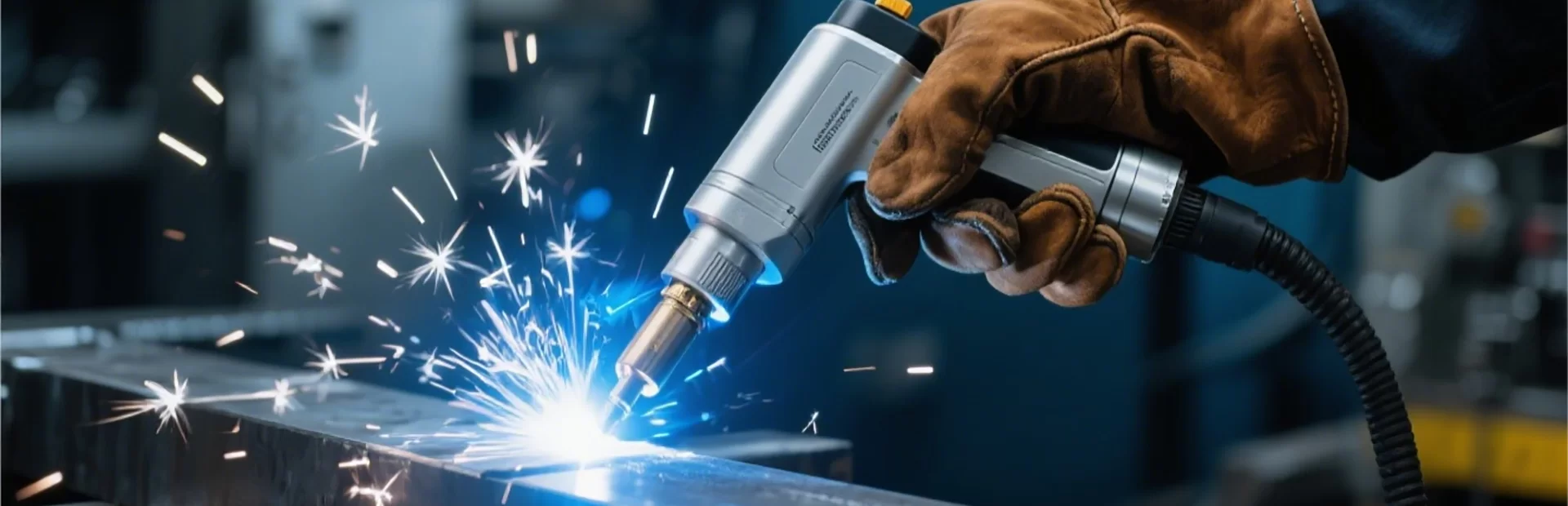
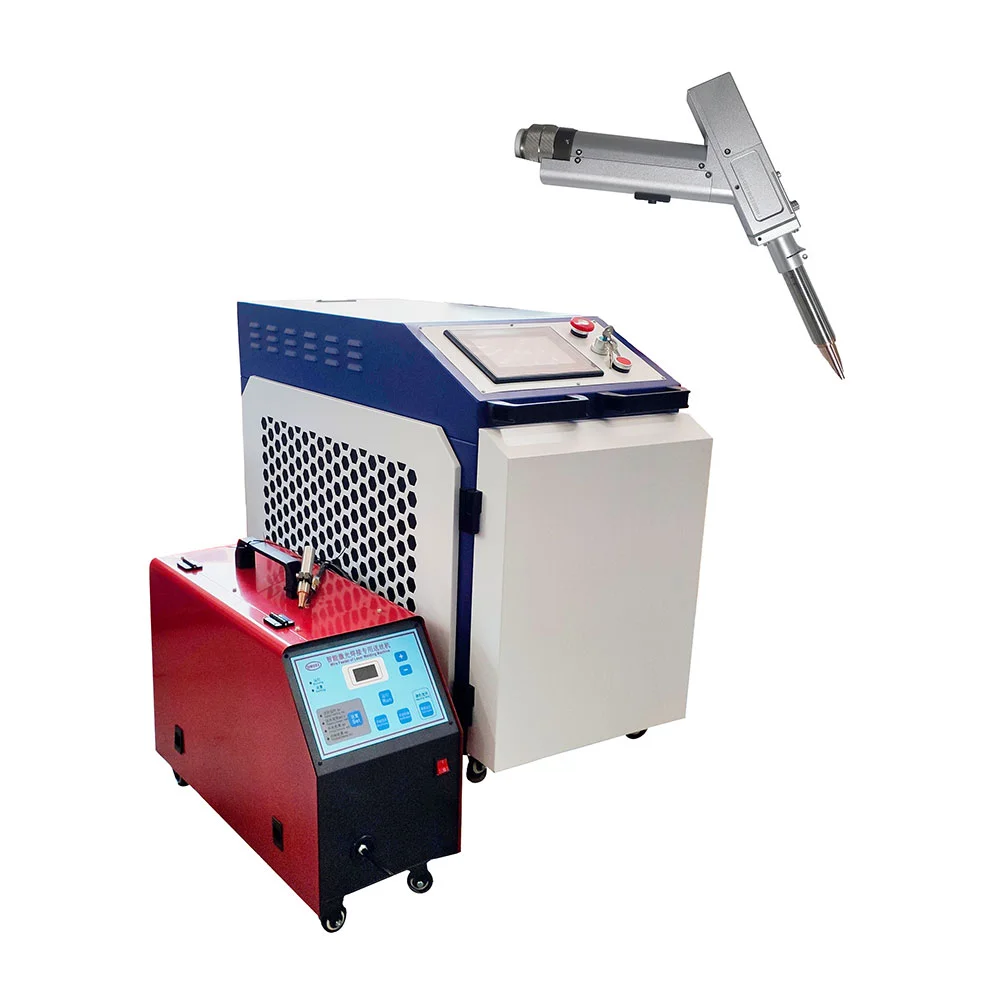
You know, it wasn't all that long ago that laser marking systems felt like these massive, immobile beasts, confined to factory floors or dedicated workshops. But honestly, things have changed dramatically. The industry, and frankly, our expectations, have shifted. Today, we're talking about incredibly versatile tools like the hand held laser marking machine. It's truly a game-changer, bringing precision and permanence right to your fingertips, wherever you need it.
In today's fast-paced manufacturing and logistics environments, flexibility isn't just a nice-to-have; it's essential. The trend is clear: businesses need solutions that can adapt. Traditional desktop marking machines are fantastic, don't get me wrong, but they demand you bring the workpiece to them. That's fine for small, manageable items, but what about a large engine block, an assembled component on a production line, or even an art installation that can't be moved? This is precisely where a portable fiber laser marking machine steps in, offering on-site marking capabilities that were once just a dream.
I've seen firsthand how this shift impacts efficiency. No more cumbersome material handling, no more production bottlenecks caused by moving heavy items. It's about bringing the tool to the task, not the other way around. This paradigm shift, quite frankly, is revolutionary for many industries.
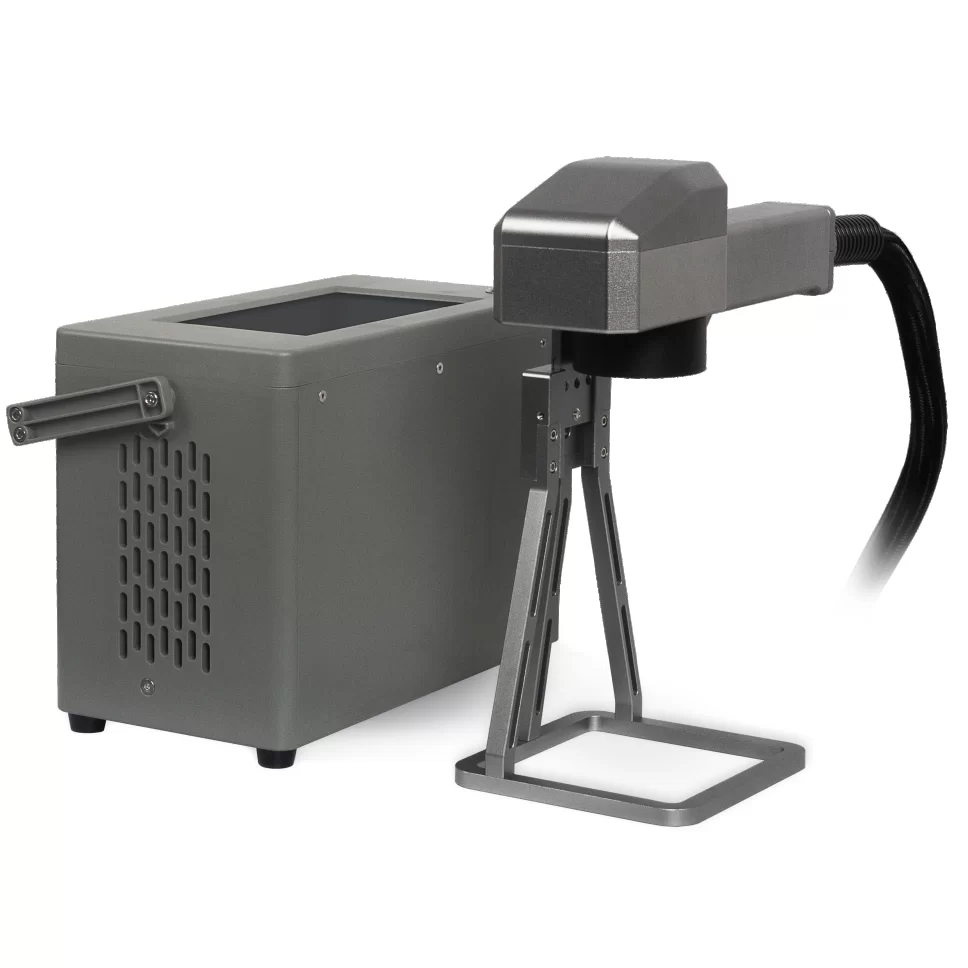
At its core, a hand held laser marking machine is a marvel of miniaturization and engineering. Imagine a device that focuses a high-energy laser beam onto a material's surface through a compact, handheld unit. This focused beam causes either physical ablation (vaporization) or a chemical change (like annealing or discoloration) in the material, resulting in a permanent, high-contrast, and incredibly fine mark. The beauty here is its versatility: it handles both metals – think stainless steel, aluminum, titanium – and non-metals such as plastics, ceramics, and even some woods, all without changing equipment. The whole process is surprisingly simple: aim, press, mark!
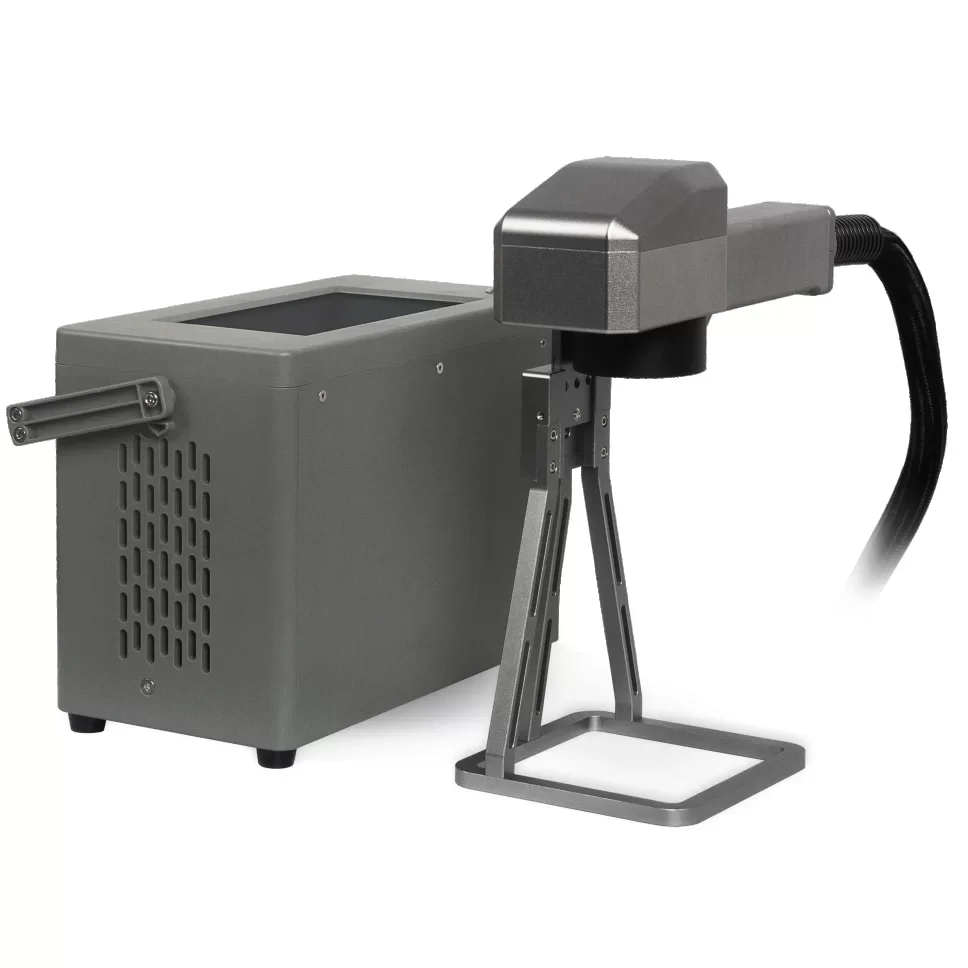
Beyond mere size, these machines pack a punch in terms of features and benefits:
· Unmatched Portability: This is obvious, but critical. Lightweight and ergonomic, a portable fiber laser marking machine can be operated directly on-site, perfect for large or awkwardly shaped components.
· High-Quality, Durable Marking: The marks are permanent, resistant to wear, chemicals, and extreme temperatures. We're talking about crisp logos, serial numbers, QR codes, and 2D datamatrix codes that last the lifetime of the product.
· Exceptional Versatility: As I mentioned, metals and non-metals are fair game. This broad material compatibility means a single machine can handle diverse marking needs across different production lines or product ranges.
· Cost-Effectiveness & Low Maintenance: One of my favorite aspects, actually. These machines are virtually consumable-free, running purely on electricity. Compared to ink-based systems, your long-term operating costs plummet. Plus, modern fiber lasers boast an incredibly long service life, often exceeding 100,000 hours.
· Ease of Operation: Surprisingly, they're quite user-friendly. Most systems come with intuitive software, making parameter adjustments straightforward even for novice users after a bit of training.
The application possibilities for a hand held laser marking machine are incredibly diverse. Think about industries where mobility or large workpieces are common:
· Automotive & Aerospace: Marking VINs on chassis, part numbers on large engine components, identification on aircraft parts for traceability and MRO (Maintenance, Repair, and Overhaul).
· Heavy Machinery & Construction: On-site marking of structural beams, equipment tags, or tools.
· Oil & Gas: Marking pipes, valves, and components in the field, often in challenging environments.
· Medical Devices: For larger instruments or equipment where a sterile, permanent mark is crucial.
· Customization & Artistry: Personalizing large consumer goods, or even adding artistic touches to metallic sculptures or furniture.
Many customers say that the ability to perform temporary or opportunistic marking tasks without dedicated setup time is invaluable.
When you're looking at a portable fiber laser marking machine, here are some typical specs you'd encounter. Real-world use, of course, may vary based on the specific model and manufacturer.
Feature | Specification (Typical) |
Laser Power | 20W / 30W / 50W (Fiber Laser Source) |
Wavelength | 1064nm (Infrared) |
Marking Speed | ≈ 7000-12000 mm/s |
Marking Area | 70x70mm to 175x175mm (lens dependent) |
Minimum Line Width | ≈ 0.015mm |
Weight (Handheld Unit) | Around 1.5 - 3.5 kg |
Cooling Method | Air Cooling |
Power Consumption | < 500W |
Expected Service Life | > 100,000 hours (laser source) |
When you're looking for a handheld laser marking machine supplier, it's not just about the price tag. You're investing in a tool that needs to perform reliably. Here's a simplified look at how some vendors might differentiate themselves:
Vendor Aspect | Vendor A (e.g., Topstar Laser) | Vendor B (Generic) |
Product Focus | Specialized in compact, high-performance systems. | Broader range, including larger industrial machines. |
Customization | Offers software tweaks, jig design, integration support. | Limited to standard configurations. |
Support & Training | Comprehensive online/on-site training, responsive tech support. | Basic documentation, email support. |
Certifications | CE, FDA, ISO 9001:2015 (common industry standards). | May only have basic CE compliance. |
Price Point | Competitive for feature set and support. | Potentially lower initial cost, but hidden support costs. |
Always inquire about testing standards (e.g., compliance with IEC 60825-1 for laser safety) and available test data. Good suppliers will gladly share this, along with positive customer feedback and case studies, showing they stand by their product.
I recall one instance with an agricultural machinery manufacturer. They used to wheel large tractor parts through several departments for marking, a process that took valuable time and space. Implementing a portable fiber laser marking machine allowed them to mark unique serial numbers and batch codes right on the assembly line, as parts were installed. The change significantly reduced their lead times and improved traceability, cutting down on errors. It seems so simple, but the impact on their workflow was profound. It just goes to show you, sometimes the smallest, most flexible tools make the biggest difference.
The evolution of the hand held laser marking machine is more than just a technological advancement; it's a testament to the industry's drive for efficiency, flexibility, and precision. For businesses seeking to optimize their marking processes, reduce costs, and enhance product traceability, these portable powerhouses are, in my opinion, an indispensable investment. They genuinely empower you to bring the mark to the material, wherever it may be. And frankly, that's pretty cool.
1. Smith, J. "The Evolution of Laser Marking Technology." Industrial Photonics Journal, Vol. 15, No. 3, 2023.
2. International Organization for Standardization. "ISO 9001:2015 Quality Management Systems – Requirements."
3. Laser Institute of America. "Laser Safety Guide ANSI Z136.1."
4. Industry Report: "Global Laser Marking Machine Market Analysis," Q3 2023.