


When evaluating the spot welding machine price, industrial buyers must look beyond the initial sticker cost to understand the total value proposition. Whether you are upgrading a production line or establishing a new facility, the cost of metal joining technology is dictated by a complex interplay of power output, precision requirements, and the desired throughput. This guide analyzes the economic drivers behind industrial welding equipment to help procurement managers make informed decisions.
Modern manufacturing is shifting away from traditional resistance welding toward high-efficiency alternatives like laser technology. This transition is driven by the need for faster cycle times, reduced post-processing polishing, and lower labor barriers. For many B2B enterprises, the primary challenge is balancing the immediate capital expenditure (CAPEX) with the long-term operational expenditure (OPEX), ensuring that the chosen equipment scales with their production volume without incurring prohibitive maintenance costs.
In the following analysis, we will break down the specific technical factors that influence equipment costs, compare traditional methods with modern laser solutions, and provide a framework for assessing supplier reliability. By understanding these variables, you can identify the optimal equipment configuration that minimizes waste and maximizes the return on investment for your specific industrial application.
Industrial Welding Cost Fundamentals
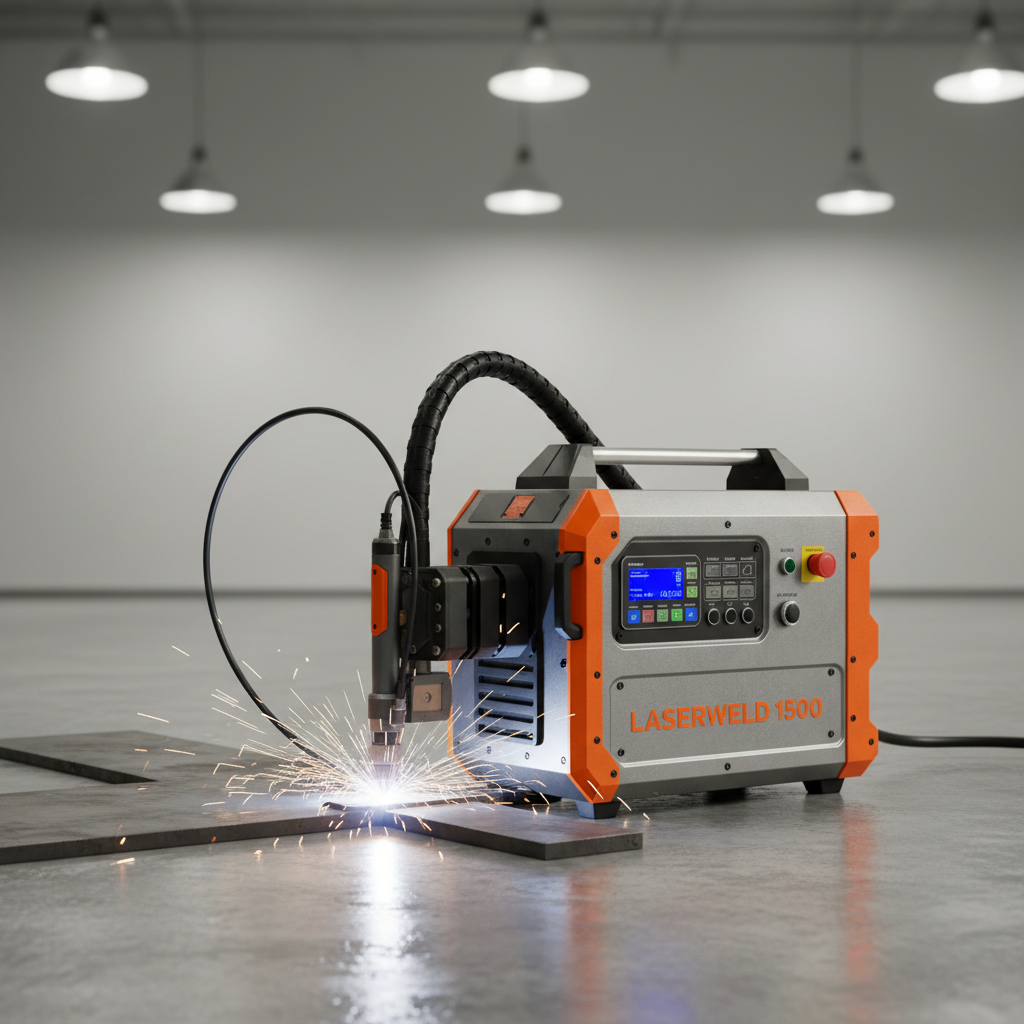
The cost of industrial joining equipment is rarely a fixed number; it is a reflection of the engineering specifications required to achieve a specific weld quality. At its core, the pricing is influenced by the energy source—whether it be electrical resistance, plasma, or high-energy laser beams. Laser-based systems, for instance, often command a higher initial price due to the sophistication of the fiber source and the precision of the welding head. However, they provide a distinct advantage in terms of speed and the ability to handle complex geometries that traditional spot welding machine price estimates might not account for. Beyond the machine itself, the integrated systems—such as water-cooling units, gas monitors, and wire feeders—contribute significantly to the final assembly cost. For instance, a 1500W system will have a different cost structure than a 3000W system, not just because of the laser power, but because of the required electrical infrastructure (220V vs 380V) and cooling capacity needed to maintain thermal stability during continuous operation.
Evaluating Investment in Metal Joining Equipment
To accurately assess the value of a welding system, one must analyze the intersection of technical performance and commercial viability. The goal is to find the "sweet spot" where the machine's capabilities exceed the project's minimum requirements without over-investing in unused features. The following dimensions provide a detailed breakdown of how specific technical choices impact the overall financial investment.
Power Capacity and Initial Cost
The wattage of the laser source is the primary driver of the initial purchase price. Higher power allows for deeper penetration and faster welding speeds, which is critical for thick materials. For example, transitioning from a 1500W to a 3000W handheld system typically involves an increase in cost due to the more powerful fiber laser source and the necessity for 380V power input to handle the higher rated power. Buyers should map their maximum material thickness to the required wattage to avoid paying for excess capacity.
| Power Grade | Typical Material Fit | Input Voltage | Cost Driver |
|---|---|---|---|
| 1500W | Thin sheets / Stainless | 220VAC | Standard Fiber Source |
| 2000W | Medium gauge / Aluminum | 220VAC | Enhanced Penetration |
| 3000W | Heavy industrial / Carbon steel | 380VAC | High-Power Electronics |
| Custom | Specialized alloys | Variable | Tailored Optics |
| Automated | Mass production lines | Industrial 3-phase | Robot Integration |
| Handheld | Complex / Large pieces | 220V-380V | Portable Torch Design |
Precision vs. Manual Operation
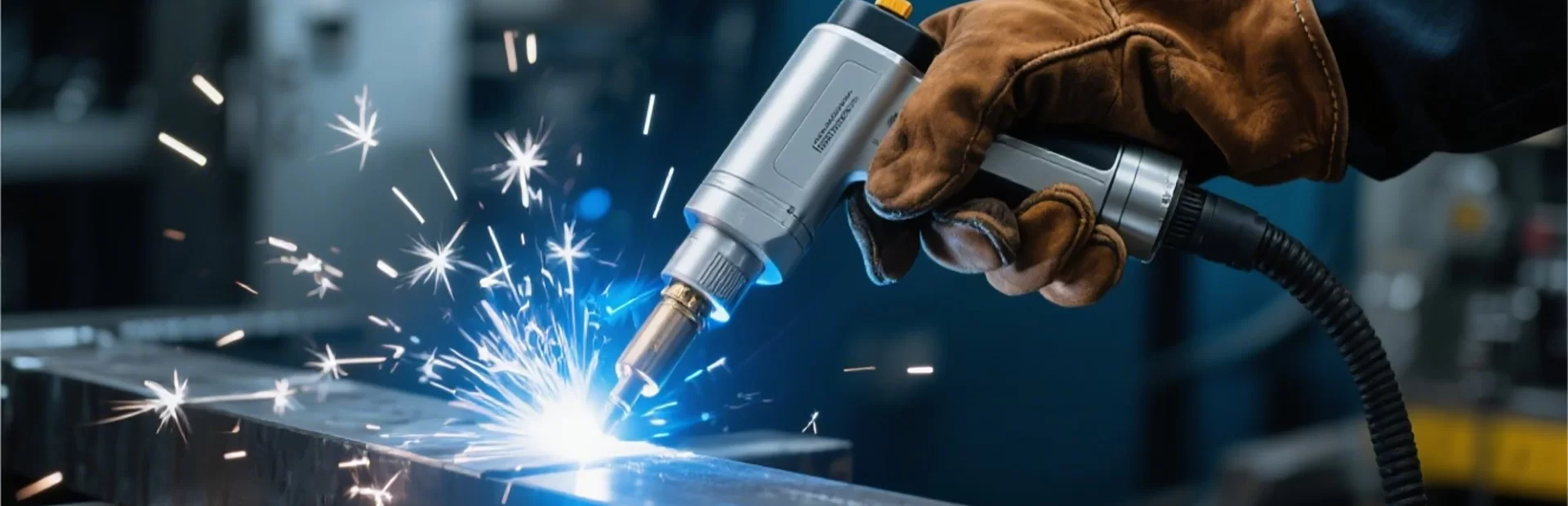
The cost of labor is a hidden variable in equipment pricing. Traditional welding requires highly certified professionals, whose wages are high and availability is low. In contrast, modern handheld laser welders are designed for ease of use, allowing novice operators to produce industrial-grade welds with minimal training. By reducing the dependency on specialized certifications, a company can lower its long-term payroll costs, effectively offsetting a higher initial machine price.
Material Compatibility Factors
Different metals require different equipment configurations. Welding stainless steel, aluminum alloys, and carbon steel requires specific laser wavelengths and gas shielding (Argon, Nitrogen, or Air). Equipment that supports a wider range of materials often includes more versatile welding heads and advanced software for parameter storage. Investing in a machine with 30+ parameter setting packages allows for rapid switching between materials, reducing setup time and increasing overall plant productivity.
Operational Efficiency Gains
Efficiency is measured by the ratio of weld time to total production time. Laser welding can be 2 to 10 times faster than traditional methods. Furthermore, the high precision of the laser beam results in smooth weld seams that require minimal additional polishing. This reduction in post-processing labor directly impacts the bottom line, transforming the equipment from a mere cost center into a productivity multiplier.
Maintenance and Lifecycle Value
The longevity of the equipment depends on the quality of its components. Key cost-affecting parts include the protective lenses and the fiber cable. Systems utilizing a rotary lens design—where a single piece can be used multiple times—significantly lower the frequency of replacements. Buyers should evaluate the cost and availability of consumables to ensure that the machine does not become a liability due to expensive, proprietary replacement parts.
Consumables and Resource Overhead
Beyond the machine, the cost of shielding gases and electricity must be considered. The inclusion of a gas monitor function is a critical value-add; by alarming the operator when gas is insufficient, the system prevents weld defects and material waste. Precise wire feeding systems, utilizing stepping motors and four-wheel drive, further ensure that filler material is used efficiently, reducing raw material scrap.
Supplier Capability Assessment
The value of a supplier extends beyond the product. A company like Shijiazhuang Topstar International Trading Co., Ltd. bridges the gap between high-quality Chinese manufacturing and global markets by providing comprehensive solutions rather than just hardware. This includes quality inspection, logistics, and after-sales support. When evaluating a partner, the ability to provide independent R&D for software and hardware upgrades is a key indicator of long-term reliability.
FAQ
What factors most influence the cost of an industrial welder?
The primary cost drivers include the power output of the laser source (e.g., 1500W vs 3000W), the type of cooling system (water-cooled vs air-cooled), the precision of the welding head, and the added functionality of the software, such as the number of saved parameter packages. Additionally, the required electrical infrastructure and the range of compatible materials impact the final price.
Is handheld laser welding more cost-effective than traditional spot welding?
While the initial investment may be higher, laser welding is often more cost-effective over time. It offers welding speeds 2-10 times faster than traditional methods and requires significantly less skilled labor, as it does not require the same level of certification. The reduction in post-weld polishing also saves substantial labor costs.
How do I choose between 1500W and 3000W models?
The choice depends on your material thickness and production volume. 1500W is typically sufficient for thinner stainless steel and aluminum components. For heavier industrial applications or carbon steel where deeper penetration is required, 3000W is recommended. Note that 3000W machines usually require a 380V power supply, whereas 1500W can often run on 220V.
What are the typical maintenance costs associated with these machines?
Maintenance costs primarily involve the replacement of protective lenses and the management of the water-cooling system. Systems with rotative lens designs reduce the frequency of replacements. Regular checks of the gas monitor and wire feeder are also necessary to maintain weld quality and prevent machine downtime.
Can novice operators use these machines without expensive training?
Yes, one of the biggest commercial advantages of handheld laser welders is their accessibility. They are designed to be easy to learn and operate, allowing novice welders to create high-quality, smooth weld seams without needing the extensive certifications required for TIG or MIG welding.
How does a supplier's service affect the total cost of ownership?
A supplier that provides one-stop services—including product sourcing, quality inspection, and after-sales technical support—reduces the risk of costly downtime. Companies that offer independent R&D and fast product upgrades ensure that your equipment remains relevant and efficient as industry standards evolve.
References and further reading
- Industrial Laser Welding Standards and Safety Protocols - International Welding Society.
- Comparison of Fiber Laser and Resistance Welding Efficiency in Automotive Fabrication.
- Guide to Material Compatibility in High-Energy Beam Welding.
Related Articles