


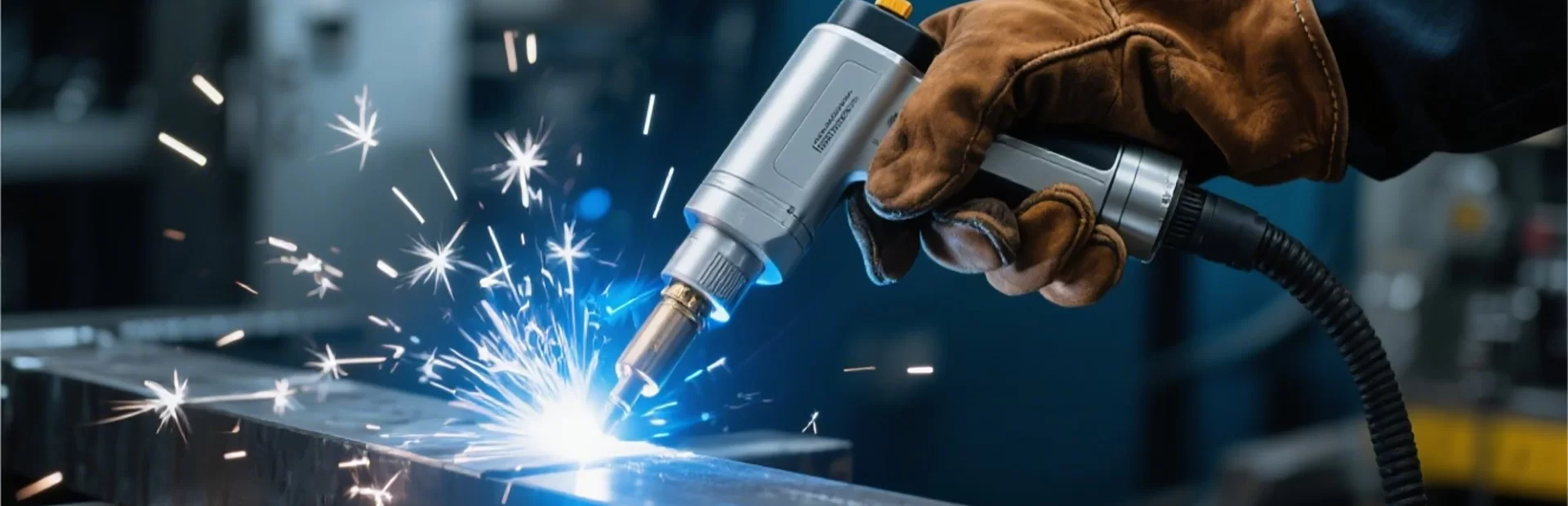
Industrial Pneumatic Guide and Mini Air Compressor Price Analysis
Finding the right balance between operational cost and pneumatic performance is a primary challenge for modern fabrication shops. While many procurement managers search for a competitive mini air compressor price, the real value lies in the equipment's ability to provide stable, clean air for precision tools. In integrated manufacturing environments, the air compression system serves as the invisible backbone, supporting everything from pneumatic actuators to the cooling requirements of high-energy laser systems. Understanding the technical trade-offs between portable units and industrial-grade stability is essential for minimizing downtime and maximizing the volumetric throughput of your production line.

The Strategic Role of Stable Air Compression in Precision Metal Fabrication
In the context of advanced manufacturing, air compression is not merely about generating pressure; it is about maintaining a consistent flow of filtered air to protect sensitive components. For facilities utilizing handheld laser welders or CNC platforms, pneumatic stability prevents fluctuations in tool performance and ensures that cooling systems operate within their rated parameters. A failure in air pressure can lead to inconsistent weld seams or unexpected machine halts, directly impacting the bottom line.
Modern pneumatic solutions focus on reducing the Heat Affected Zone (HAZ) and maintaining thermal stability. By integrating high-efficiency compressors with advanced filtration, manufacturers can eliminate oil and moisture contaminants that otherwise degrade the lifespan of fiber laser sources and optical lenses. This synergy between air compression and laser technology allows for a more seamless production flow, transforming operational hurdles into growth opportunities through increased precision and reliability.

Evaluating Technical Specifications for Industrial Pneumatic Procurement
When evaluating procurement options, technical buyers must look beyond the initial cost and analyze the Total Cost of Ownership (TCO). Key performance indicators include the duty cycle, CFM (Cubic Feet per Minute) output, and the efficiency of the cooling method. Industrial water-cooling systems, often paired with stable air compression, are critical for maintaining the longevity of BWT fiber laser sources, which are designed for over 100,000 hours of operation.
The versatility of the pneumatic setup determines the range of materials that can be processed efficiently. Whether dealing with stainless steel, aluminum alloys, or galvanized sheets, the air system must support the specific pressure requirements of the welding head's protective lens cleaning and gas shielding. Investing in a system with precise power adjustment (10% to 100%) and integrated positioning ensures that the operator can adapt to complex geometries without sacrificing structural integrity.
Application Scenarios: Matching Air Systems to Fabrication Needs
Different industrial scenarios demand distinct pneumatic configurations. For on-site workpieces and complex geometries, portable air solutions are preferred to maintain mobility. However, for large-scale volumetric throughput in a factory setting, a centralized pneumatic system provides the necessary stability to support multiple laser welding stations and mesh making machines simultaneously. The goal is to eliminate the steep learning curve for operators by providing a "plug-and-play" environment.
Consider the following application-specific requirements:
- Precision Welding: Requires ultra-dry air to prevent lens cracking and spatter buildup.
- Mesh Production: Demands consistent pressure for automated cutting and shaping.
- Industrial Marking: Needs stable air for clear inkjet marking and cleaning cycles.
- On-site Fabrication: Prioritizes compact footprints without sacrificing the required PSI for industrial-grade accuracy.
Pneumatic System Selection Framework for Laser Fabrication
| Application Scale | Pressure Requirement | Filtration Level | Recommended Configuration |
|---|---|---|---|
| Small Workshop | Medium | Standard | Portable Compact Unit |
| Medium Production | High | Advanced / Oil-Free | Semi-Centralized System |
| Industrial Plant | Very High | Ultra-Pure / Deionized | Centralized Industrial Plant |
| On-site Project | Variable | Integrated Portable | Mobile Pneumatic Kit |
| R&D Laboratory | Precision Low | Medical Grade | Specialized Silent Series |
Risk Mitigation in Global Procurement of Air Compression Equipment
Procuring industrial equipment from global markets requires a rigorous validation of supplier capabilities. A reliable partner should not only provide the hardware but also comprehensive solutions including quality inspection and after-sales technical support. For instance, the integration of a deionized water system is essential to prevent mineral buildup in narrow cooling channels, a detail often overlooked by novice buyers focusing solely on the mini air compressor price.
To avoid operational overhead, manufacturers should implement strict maintenance protocols. This includes daily protective lens inspection with high-purity alcohol and weekly filter cleaning to protect power electronics from metallic particulates. By shifting the focus from the lowest purchase price to long-term reliability, companies can significantly reduce labor costs and avoid the high wages associated with constant specialist repairs.
Future Trends in Pneumatic Integration and Fabrication Efficiency
The industry is moving toward "Smart Pneumatics," where air compression systems are integrated with IoT sensors to monitor pressure drops and air quality in real-time. This predictive maintenance approach ensures that the fiber optic delivery cable and laser source are never compromised by sudden pressure failures. As handheld laser technology continues to expand the tolerance ranges for complex parts, the supporting pneumatic systems must become more adaptive and energy-efficient.
Furthermore, the trend toward reduced thermal distortion is driving the demand for more concentrated heat delivery, which in turn requires more precise air shielding. As we redefine industry standards, the bridge between Chinese manufacturing excellence and global markets will be built on these precision-engineered solutions, turning traditional operational challenges into scalable growth opportunities for fabricators worldwide.
Industrial Pneumatic and Laser Integration FAQ
How does air compression affect the lifespan of a fiber laser source?
Stable air compression ensures that cooling systems and protective gas shields operate correctly. Contaminants like moisture or oil in the air can damage the optical lenses and degrade the fiber source, while consistent pressure prevents overheating, helping the source reach its 100,000-hour potential.
What is the most important factor when comparing the price of small compressors?
Beyond the initial cost, you must evaluate the duty cycle and the quality of the filtration system. A cheaper unit that cannot maintain consistent pressure or lacks proper filtration will increase operational costs through more frequent lens replacements and machine downtime.
Can a portable compressor support industrial-grade laser welding?
Yes, provided it meets the specific PSI and CFM requirements of the welding head. Many modern portable systems are engineered for versatility, allowing novice users to achieve professional weld seams on stainless steel and aluminum on-site.
Why is water-cooling necessary for these industrial systems?
Water-cooling is essential to keep the laser source and welding head within rated operating temperatures. Without it, thermal expansion can cause misalignment or permanent damage to the fiber optic delivery cable.
What materials are most compatible with laser welding supported by pneumatic systems?
These systems are highly versatile and typically support stainless steel, aluminum alloys, carbon steel, and galvanized sheets, provided the correct shielding gas and air pressure are maintained.
How often should pneumatic filters and protective lenses be serviced?
Protective lenses should be inspected and cleaned daily using high-purity alcohol. Air filters should be cleaned weekly to protect the power electronics from metallic particulates and dust.
Technical References and Industry Standards
- ISO Standards for Industrial Compressed Air Quality
- NIST Guidelines for Laser Safety and Precision Engineering
- ASME Boiler and Pressure Vessel Code (BPVC)
- OSHA Safety Requirements for Pneumatic Tooling
Ready to optimize your fabrication efficiency with precision pneumatic and laser solutions? Our team provides the technical expertise to turn your operational problems into industrial solutions.
Related Industrial Equipment Insights