
Shijiazhuang Topstar
International Trading Co., Ltd.


Get In Touch
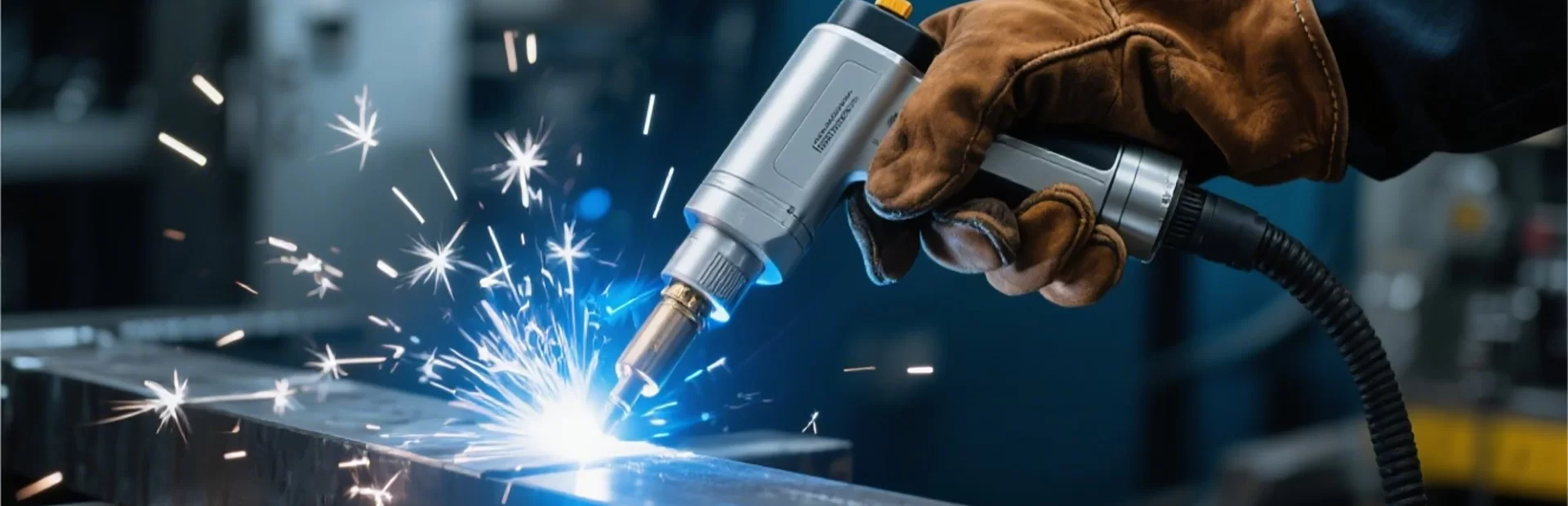
In the modern industrial landscape, efficiency and versatility are the cornerstones of competitive manufacturing. The all in one welding machine represents a paradigm shift in metal joining technology, consolidating multiple welding processes into a single, streamlined system. By integrating advanced power controls and flexible interfaces, these machines eliminate the need for multiple standalone units, drastically reducing floor space and operational overhead. Whether you are working in precision automotive components or heavy-duty structural framing, adopting a multi-functional welding solution ensures that your production line remains agile and high-performing.

The primary appeal of an all in one welding machine lies in its ability to handle diverse materials and joint geometries without requiring hardware changes. Utilizing intelligent inverter technology, these systems can switch between MIG, TIG, and MMA modes instantaneously. This flexibility is critical for shops that handle a variety of alloys, from stainless steel to aluminum. High-precision current control and dynamic arc stability ensure that the weld pool is managed with micrometric accuracy, resulting in mirror-like finishes that require minimal post-processing or grinding.
Industrial Impact: By merging multiple functions, manufacturers can reduce equipment procurement costs by up to 40% while increasing the throughput of complex assemblies.
Productivity in the welding sector is often hindered by the transition time between different machines. An all in one welding machine solves this by providing a centralized control hub. Operators can adjust parameters for different metals via a digital interface, ensuring consistency across large batches. This is particularly beneficial for the production of pumps, valves, and gas compression machinery, where leakage-proof welds are non-negotiable. The integration of automated nesting logic and synchronized power delivery minimizes material waste and prevents thermal deformation in thin-walled tubes.
When comparing a multi-process system to a traditional workshop filled with separate units, the data clearly favors integration. Traditional setups suffer from "tool-switching latency" and higher energy consumption due to multiple idling power sources. In contrast, the all in one welding machine optimizes energy usage through a single high-efficiency power supply. The following table illustrates the quantitative advantages in a typical high-volume production environment.
The versatility of the all in one welding machine makes it indispensable across various manufacturing sectors. In the production of gas compression machinery, the ability to weld heavy-walled steel for pressure vessels and then switch to precise TIG welding for valve seals is a critical advantage. Similarly, in automotive exhaust manufacturing, the machine ensures leak-proof joints in stainless steel tubing with high speed. By reducing the Heat Affected Zone (HAZ), the machine preserves the metallurgical integrity of the alloy, preventing warping in thin-walled sections.

To understand why the all in one welding machine is a superior investment, one must look at the technical capabilities. These machines typically integrate high-frequency ignition, pulse control, and advanced cooling systems to maintain stability during continuous high-volume output. The ability to handle diverse power requirements—from low-amperage delicate work to high-amperage heavy fabrication—within one chassis is a feat of modern electrical engineering.
The transition to an all in one welding machine is more than just an equipment upgrade; it is a strategic move toward operational excellence. By consolidating processes, reducing waste, and increasing precision, manufacturers can significantly lower their cost-per-part while improving quality. As industrial demands grow more complex, the agility provided by integrated welding solutions becomes a primary competitive advantage. Invest in the future of fabrication today to ensure your production remains scalable and precise.
Yes, for the vast majority of industrial applications, an all in one system can replace standalone MIG, TIG, and MMA units. These machines are engineered with multi-mode power sources that can adjust the voltage and current characteristics to match the specific requirements of each process. While highly specialized ultra-heavy industrial welding might still require dedicated high-amperage units, the all in one solution is more than sufficient for general equipment manufacturing, including pumps, valves, and automotive components, providing the same—and often better—arc stability and weld quality.
Actually, the weld quality is often superior. Because the all in one welding machine utilizes modern inverter technology and digital controllers, it offers much finer control over the pulse and current than older standalone mechanical units. This results in a more stable arc, reduced spatter, and a smaller heat-affected zone, which is critical for preventing deformation in thin-walled materials. The consistency provided by digital presets ensures that every weld meets strict industrial tolerances.
Material waste is reduced through two primary mechanisms: precision and versatility. Firstly, the high-precision control minimizes over-welding and spatter, meaning fewer materials are wasted and less time is spent on secondary grinding. Secondly, the ability to switch processes instantly allows for more efficient joint design. For example, you can use a high-speed MIG process for the main structure and switch to a precise TIG finish for the edges, ensuring the most efficient use of filler metals and reducing the likelihood of scrapped parts due to overheating or warping.
On the contrary, maintenance is generally simplified. Instead of maintaining three different power sources, cooling systems, and electrical circuits, you only have one system to service. This reduces the number of failure points and simplifies the spare parts inventory. Most modern all in one systems feature self-diagnostic software that alerts the operator to issues before they cause downtime. By centralizing the hardware, you reduce the overall electrical load and the complexity of your workshop's wiring, leading to a safer and more organized working environment.


