
Shijiazhuang Topstar
International Trading Co., Ltd.


Get In Touch
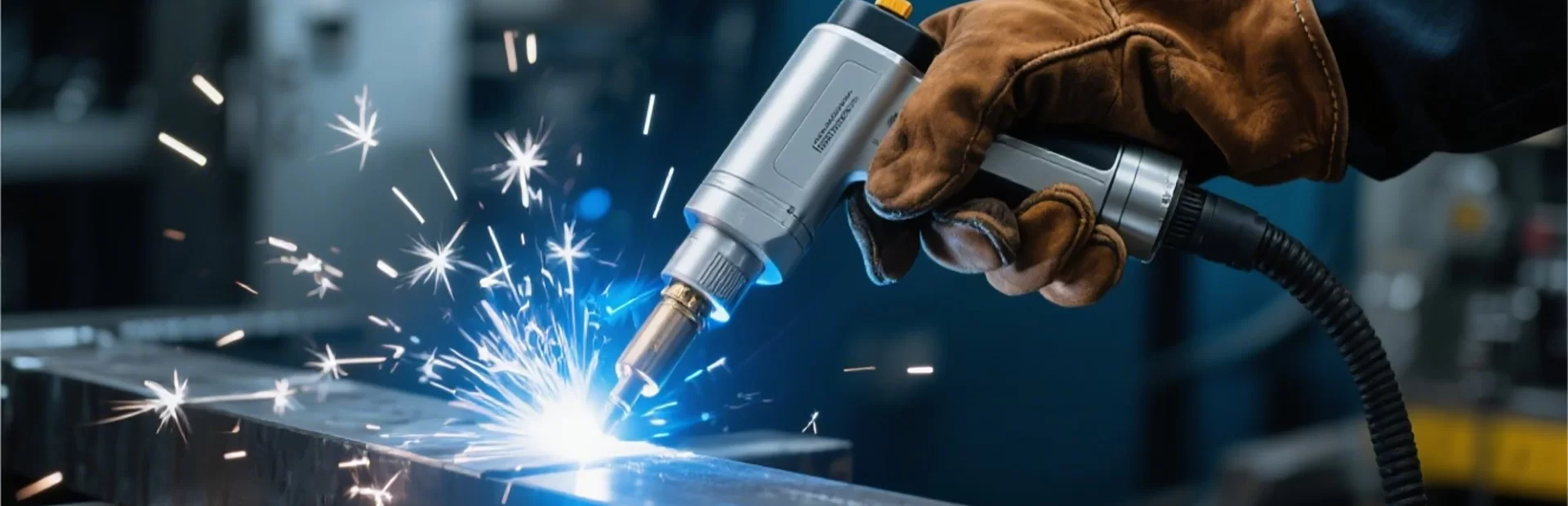
In the era of miniaturization, the demand for extreme precision in joining small components has never been higher. The micro welding machine serves as a critical solution for manufacturers dealing with intricate parts where traditional welding methods fall short. By utilizing concentrated energy beams, these systems allow for the fusion of delicate materials with minimal heat-affected zones, ensuring the structural integrity of the component is maintained. Whether it is for medical devices or aerospace sensors, selecting the right equipment is essential for reducing defects and increasing production yield. In this guide, we explore how this technology is transforming the general equipment manufacturing sector.

A high-performance micro welding machine typically employs laser or electron beam technology to achieve micron-level accuracy. Unlike conventional welding, which can warp thin metals due to excessive heat, micro welding focuses energy into a tiny spot, allowing for rapid melting and solidification. This process is indispensable for the manufacturing of pumps, valves, and compressors, where leak-proof seals and high-pressure resistance are mandatory. The integration of CNC controls and optical magnification allows operators to monitor the weld pool in real-time, ensuring every joint meets the strictest quality standards.
Technical Advantage: By reducing the heat-affected zone (HAZ), these machines prevent material degradation and distortion in ultra-thin foils and wires, which is critical for high-precision gas compression machinery.
The versatility of the micro welding machine makes it a cornerstone in various industrial sectors. In the production of gas compression machinery, it is used to seal miniature valves and sensor housings. In the medical field, it facilitates the assembly of pacemakers and surgical tools. Furthermore, the electronics industry relies on these machines for battery tab welding and micro-circuit connections. The ability to handle dissimilar metals—such as gold to copper or stainless steel to titanium—provides engineers with unprecedented design flexibility to optimize performance and durability.

When deciding between a micro welding machine and traditional welding equipment, the primary considerations are precision, speed, and material waste. Traditional welding is ideal for heavy structural work but lacks the finesse required for miniature components. Micro welding, conversely, offers non-contact joining, meaning there is no electrode contamination and almost zero post-weld cleanup required. This efficiency translates to lower operational costs and faster turnaround times for complex assemblies.
To achieve consistent results, the micro welding machine must be equipped with high-stability power sources and precise beam delivery systems. For those operating in the pump and valve manufacturing industry, the ability to control pulse width and peak current is vital for creating deep, narrow welds. Below are the typical specifications found in industrial-grade micro welding systems designed for general equipment manufacturing.
Investing in a micro welding machine is not just about technical capability, but about improving the bottom line. By automating the welding process, companies can significantly reduce labor costs and minimize human error. In the context of gas compression machinery, where a single leak can lead to catastrophic failure, the consistency provided by a micro welding system ensures a lower scrap rate and higher reliability. Over time, the reduction in rework and the ability to take on more complex, high-value contracts lead to a rapid return on investment.
Looking ahead, the micro welding machine is evolving toward greater intelligence. AI-driven vision systems are now being integrated to automatically detect joint gaps and adjust welding parameters on the fly. This "smart welding" approach ensures that every single weld is identical, regardless of slight variations in raw material. Furthermore, the move toward greener manufacturing is pushing for more energy-efficient laser sources, reducing the carbon footprint of the general equipment manufacturing process while maintaining peak performance.
The adoption of a micro welding machine is a strategic move for any manufacturer aiming for precision and reliability. From the complex internals of gas compressors to the delicate components of medical devices, this technology provides the accuracy and efficiency required to compete in a global market. By minimizing thermal distortion and maximizing joint strength, businesses can ensure their products meet the highest industrial standards. Embrace the future of precision joining today.
A professional micro welding machine is designed to handle a vast array of materials. This includes common industrial metals like stainless steel, carbon steel, and aluminum, as well as precious metals such as gold and platinum. It is particularly effective for titanium and other refractory metals used in high-pressure gas compression machinery. Because the energy is so focused, the machine can often join dissimilar materials that would be impossible to weld using traditional arc or MIG methods.
Deformation in welding is caused by the spread of heat across a large area of the workpiece. The micro welding machine prevents this by utilizing a high-power density beam that melts only the immediate interface of the joint. The rapid heating and cooling cycle ensures that the surrounding material remains cool, effectively eliminating the warping or melting of adjacent delicate components. This is why it is the preferred choice for micro-valves and miniature sensors.
While the technology is sophisticated, modern machines are designed for user-friendly operation. Most systems feature intuitive software interfaces where operators can select pre-set parameters based on the material and thickness. With the aid of integrated microscopes and CNC positioning, the "complex" part of the alignment is handled by the machine. Basic training allows operators to maintain high quality, though specialized engineers are often used to calibrate the initial welding recipes for new product lines.
Maintenance for a micro welding machine primarily focuses on the optical system and the cooling unit. Keeping the protective lenses clean is critical to prevent beam attenuation and ensure consistent weld quality. Regular checks of the water-cooling levels and filters prevent the laser source from overheating. Because these machines have fewer moving parts than traditional mechanical presses, the overall maintenance cost is relatively low, ensuring high uptime for production lines.


