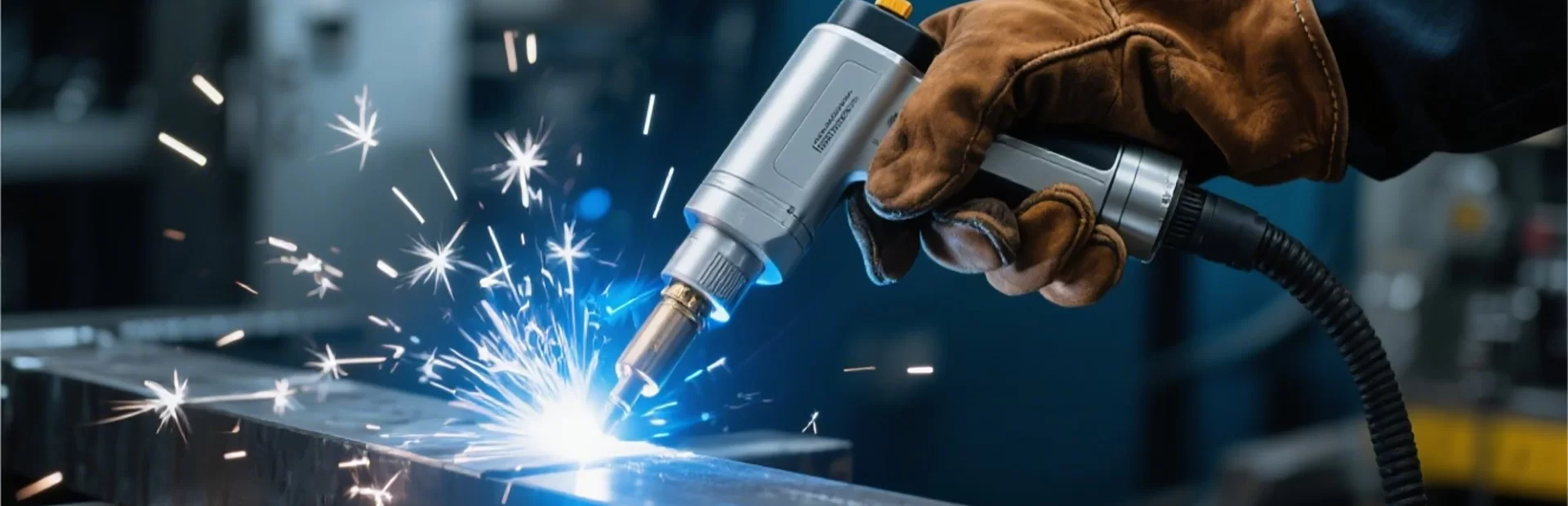
The industrial landscape is currently witnessing a significant transformation in how metal components are fabricated, with the integration of high-energy laser technology replacing traditional manual methods. Central to this evolution is the demand for high-stability power sources, often necessitating the infrastructure of a three phase welding machine or similar heavy-duty electrical systems to ensure consistent output and precision. By transitioning from manual sawing and drilling to automated CNC systems, manufacturers can achieve unprecedented accuracy and efficiency in tube processing.
Globally, the push toward Industry 4.0 has made the adoption of precision cutting tools an economic necessity rather than a luxury. Whether in automotive exhaust systems or complex structural framing, the ability to execute micrometric cuts without secondary deburring reduces waste and labor costs significantly. The synergy between robust power delivery—akin to the stability found in a professional three phase welding machine—and advanced CNC algorithms allows for the processing of diverse materials from stainless steel to acrylic with absolute reliability.
Understanding the technical requirements of these systems is crucial for stakeholders aiming to scale their production capabilities. This article explores the paradigm shift brought about by the CNC Laser Tube Cutting Machine, examining its parameters, its capacity to handle complex geometries, and how it outperforms traditional mechanical cutting. By optimizing the workflow from raw material to finished part, industries can maximize their investment return while maintaining the highest metallurgical integrity.

The Evolution of Industrial Tube Fabrication
The transition from obsolete manual sawing and drilling to CNC laser systems represents a leap in fabrication logic. In the past, achieving a complex notch or a precise hole in a circular tube required multiple setups and manual labor, often resulting in inconsistent tolerances. Modern systems, supported by the same high-voltage stability required by a three phase welding machine, now allow for single-pass automated processing.
This evolution ensures that every cut meets stringent industrial tolerances, eliminating the need for secondary grinding. By integrating high-energy-density laser beams with sophisticated algorithms, manufacturers can now handle round, square, and rectangular profiles with micrometric accuracy, fundamentally changing the speed at which prototype-to-production cycles occur.
Technical Specifications and CNC Precision
At the heart of the CNC Laser Tube Cutting Machine is a rigorous set of parameters designed for high-volume industrial output. The machine supports circular pipes from Φ20mm to φ100mm and square or angle profiles up to 100mm, with a maximum length of 6500mm. This extensive range allows it to serve diverse sectors, from small-scale electronics framing to massive architectural supports.
Precision is guaranteed by an X, Y-axis positioning accuracy of ±0.05/1000mm and a repeatability of ±0.03/1000mm. Such tight tolerances are critical for industries like automotive exhaust manufacturing, where a millimeter's deviation can lead to leakages. The system is powered by a 380V/50Hz supply, mirroring the power requirements of a heavy-duty three phase welding machine to maintain laser stability.
The integration of the SJTU-cnc control system and a maximum laser power of 1500W ensures that the beam remains focused and potent across the entire 6.5-meter itinerary. By utilizing real-time Z-axis feedback sensors, the machine monitors tube wobble, maintaining a constant focal distance that prevents inconsistent cut depths and ensures mirror-like edge quality.
Material Compatibility and Versatility
One of the most significant advantages of this technology is its broad compatibility. Unlike mechanical blades that wear down or vary based on material hardness, the laser beam interacts with materials at a molecular level. This allows the system to seamlessly process stainless steel, aluminum, PVC, and acrylic without changing physical tools.
For those accustomed to the power of a three phase welding machine, the efficiency of laser cutting in alloy processing is equally impressive. The machine uses dynamic power control to adjust the intensity at corners, which is particularly vital when cutting square tubes to prevent over-burning and maintain the structural integrity of the material.
Whether the project requires an irregular geometric profile or a standard rectangular tube, the software-driven nature of the CNC system provides absolute flexibility. This eliminates the need for costly physical molds and allows for rapid switching between different part designs, making it an ideal solution for high-mix, low-volume production environments.
Performance Comparison: Laser vs Mechanical
When comparing traditional mechanical cutting to CNC laser fabrication, the difference in efficiency is stark. Traditional methods involve multi-step manual processes—sawing, drilling, and grinding—which are labor-intensive and prone to human error. In contrast, laser cutting provides a single automated pass that delivers burr-free edges.
The economic impact is most visible in material waste. While mechanical blades have fixed widths that create inevitable scrap, the laser system uses intelligent nesting software to optimize the layout of parts on a 6-meter pipe, maximizing the yield of expensive alloys. This efficiency is as critical as the power stability provided by a three phase welding machine in a fabrication shop.
Industrial Fabrication Efficiency Ratings
Advanced Software and Path Optimization
The intelligence of the CNC Laser Tube Cutting Machine lies in its software ecosystem. Advanced algorithms calculate the shortest possible cutting path, which significantly reduces the cycle time per part. This optimization ensures that the machine operates at peak efficiency, reducing wear on components and lowering energy consumption.
Furthermore, the system includes a comprehensive material library with pre-set parameters for various alloys and plastics. This allows operators to start production almost instantly without tedious trial-and-error tuning. Much like the precision control expected from a three phase welding machine, these software controls ensure that the power output is perfectly matched to the material thickness.
Minimizing Thermal Damage and Deformation
A primary concern in tube fabrication, especially with thin-walled materials, is the Heat Affected Zone (HAZ). Traditional cutting and welding can introduce excessive heat, leading to warping and metallurgical degradation. The CNC laser system addresses this through a non-contact processing method that minimizes mechanical stress and thermal transfer.
By concentrating the energy into a high-density beam, the material is vaporized almost instantly, leaving a minimal HAZ. This prevents the tube from crushing or deforming, which is critical for components that require an airtight fit, such as in high-end automotive exhaust systems.
When combined with a stable 380V power supply—the same foundation as a three phase welding machine—the laser maintains a consistent temperature and intensity. This synergy ensures that the material's properties remain intact, providing structural reliability and a superior surface finish that requires no secondary processing.
Investment Return and Industrial Impact
Investing in CNC laser tube cutting provides a tangible return through the drastic reduction of labor and material costs. The shift from a manual-intensive process to a one-operator system allows factories to increase their throughput without increasing their headcount. This scalability is essential for companies looking to compete in a global market.
From a sustainability perspective, the intelligent nesting logic reduces scrap metal, contributing to a greener manufacturing process. The ability to create complex interlocking joints and elliptical holes also opens new design possibilities, allowing for lighter, stronger structures that use fewer raw materials.
Ultimately, the integration of such high-precision machinery, supported by industrial power standards like those of a three phase welding machine, elevates a facility's capability. It transforms the workshop from a traditional fabrication shop into a high-tech production center capable of meeting the most demanding aerospace and automotive standards.
Comparison of Fabrication Methods and Economic Impact
| Fabrication Metric |
Traditional Mechanical |
CNC Laser Cutting |
Impact Score (1-10) |
| Processing Speed |
Slow (Multi-step) |
Ultra-Fast (Single Pass) |
10 |
| Edge Quality |
Rough (Requires Grinding) |
Mirror-like Finish |
9 |
| Material Waste |
High (Fixed Blade) |
Minimal (Nesting) |
9 |
| Design Flexibility |
Low (Mold dependent) |
Absolute (Software) |
10 |
| Labor Cost |
High (Manual intensive) |
Low (Single operator) |
8 |
| Thermal Impact |
High Mechanical Stress |
Non-contact/Minimal HAZ |
9 |
FAQS
The machine is highly versatile and designed to process both metals and non-metals. This includes common industrial metals such as stainless steel and aluminum, as well as non-metallic materials like PVC and acrylic. Its ability to handle various material densities makes it a comprehensive replacement for several traditional tools.
Deformation is prevented because laser cutting is a non-contact process, meaning no mechanical pressure is applied to the workpiece. By minimizing the Heat Affected Zone (HAZ) and using precise power control, the machine ensures that warping, crushing, or thermal distortion is avoided, even in the thinnest materials.
Yes, the system is engineered for versatility. It can process round, square, rectangular, and even irregular profiles. To maintain quality on square tubes, the machine utilizes dynamic power control, which automatically adjusts the laser intensity at the corners to prevent over-burning.
CNC laser cutting offers far higher precision (up to 0.05mm) and completely eliminates burrs. Moreover, it can create complex interlocking joints and elliptical holes that are physically impossible to achieve with traditional drilling, significantly reducing the need for secondary manual finishing.
The machine utilizes high-precision chucks and synchronized motors to maintain micrometric accuracy across the entire length of the workpiece. Combined with real-time Z-axis feedback sensors that monitor tube wobble, the system ensures perfect alignment from the start of the pipe to the very end.
Absolutely. It is ideal for automotive exhaust systems because it can cut thin-walled stainless steel with extreme speed and precision. This facilitates leak-proof welding and allows for weight reduction in the final product, meeting the strict quality and safety standards of the automotive industry.
Conclusion
The integration of CNC laser tube cutting technology marks a definitive shift toward precision, efficiency, and sustainability in industrial fabrication. By replacing manual labor with automated, software-driven systems and utilizing high-stability power infrastructure similar to that of a three phase welding machine, manufacturers can achieve tolerances of 0.05mm and eliminate the costly need for secondary deburring. From reduced material waste via intelligent nesting to the ability to process diverse materials like stainless steel and PVC, the long-term value of this investment is evident in both the quality of the output and the reduction of operational overhead.
As we move further into the era of digital manufacturing, the adoption of these automated systems will be the primary differentiator between competitive enterprises and those clinging to obsolete methods. We suggest that fabrication shops prioritize the upgrade of their power infrastructure and software capabilities to fully leverage the potential of laser technology. For those ready to upgrade their tube fabrication precision and revolutionize their production line, we invite you to explore our professional solutions. Visit our website: www.topstarlaser.com