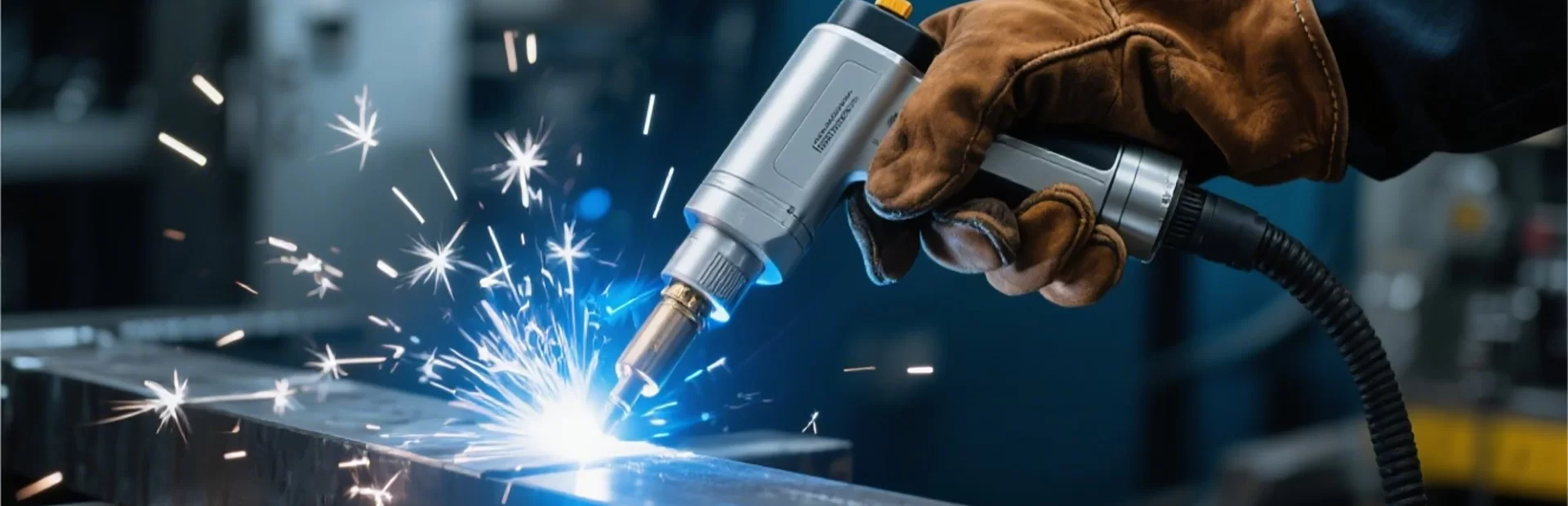
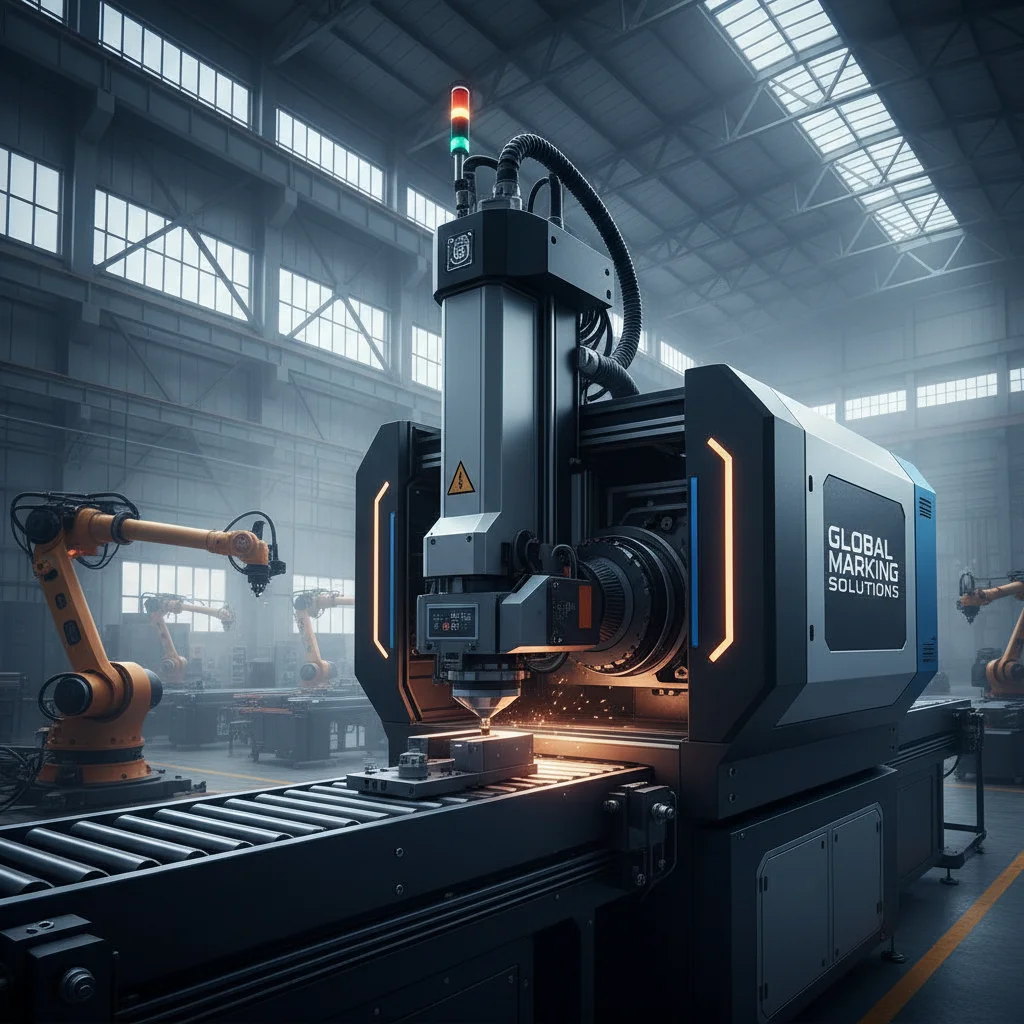
In the realm of heavy-duty industrial manufacturing, the demand for high-performance power solutions has led to the widespread adoption of the 3 phase welding machine. These systems are engineered to handle rigorous workloads that single-phase alternatives simply cannot sustain, providing the stability and amperage necessary for large-scale structural fabrication. By utilizing three alternating currents, these machines ensure a consistent arc and deeper penetration, which are critical for maintaining the structural integrity of industrial components.
The global shift toward infrastructure modernization, particularly in the construction of bridges, skyscrapers, and energy plants, has highlighted the indispensability of the 3 phase welding machine. These machines allow operators to work with thicker materials and more demanding alloys, reducing the need for multiple passes and significantly shortening production timelines. As industries strive for higher efficiency and tighter quality control, the transition to three-phase power has become a standard for professional workshops worldwide.
Understanding the nuances of the 3 phase welding machine is not merely a technical requirement but a strategic advantage for businesses aiming to optimize their overhead and output. From reducing energy waste to enhancing operator safety through better voltage regulation, the benefits are tangible. This guide explores the technical architecture, global applications, and the long-term value proposition of integrating these powerful systems into a modern production line.

Global Relevance of the 3 Phase Welding Machine
The global industrial landscape is currently undergoing a massive transformation, with a renewed focus on heavy infrastructure and renewable energy installations. In this context, the 3 phase welding machine has emerged as a cornerstone of production, enabling the fabrication of wind turbine towers, hydroelectric dams, and complex shipping vessels. According to ISO standards for weld quality, the stability of the power source is paramount; three-phase systems provide a steady current that minimizes spatter and maximizes joint strength.
Facing the challenge of rising material costs and tighter deadlines, factories are moving away from fragmented manual processes toward centralized, high-power welding hubs. The adoption of three-phase power allows for the synchronization of multiple welding stations without causing catastrophic voltage drops across the facility. This systemic reliability is what separates small-scale repair shops from global manufacturing leaders who must guarantee precision at scale.
Technical Definition and Industrial Meaning
In simple technical terms, a 3 phase welding machine is an electrical device that draws power from a three-phase AC supply, which consists of three separate alternating currents of the same frequency but offset in phase by 120 degrees. This configuration allows the machine to deliver significantly more power and maintain a more constant current than a standard single-phase machine. For the industrial user, this means the ability to maintain a high-amperage arc over long durations without the machine overheating or the arc flickering.
Beyond the electrical engineering, the "meaning" of this technology in modern industry is linked to the concept of "duty cycle." A 3 phase welding machine typically boasts a much higher duty cycle, meaning it can operate at its maximum rated current for a larger percentage of a ten-minute period. This is critical for humanitarian and industrial needs, such as the rapid construction of emergency bridges or the assembly of massive steel frames for medical facilities in developing regions.
Consequently, the integration of three-phase power is synonymous with professional-grade output. It represents a commitment to quality and durability, ensuring that the welded seams can withstand extreme environmental pressures—be it the deep-sea conditions of an oil rig or the high-vibration environment of a railway network. It is the bridge between artisanal welding and industrialized precision.
Core Components for High-Performance Welding
The durability of a 3 phase welding machine is rooted in its heavy-duty transformer and rectifier assembly. Unlike lighter machines, these components are designed to dissipate heat more efficiently, utilizing oversized copper windings and advanced cooling fans. This ensures that the machine can handle the thermal stress of continuous operation without compromising the internal circuitry.
Scalability is another core factor, where the 3 phase welding machine integrates seamlessly with industrial PLC controllers. This allows for the precise adjustment of voltage and current parameters via a digital interface, enabling the operator to switch between different metal thicknesses—from thin sheets to heavy plates—with a single touch, ensuring consistent bead quality across diverse projects.
Finally, cost efficiency is achieved through the reduced energy waste inherent in three-phase distribution. By balancing the load across three lines, the system reduces the current draw per phase, which lowers the risk of electrical overheating in the factory's main wiring. This not only extends the lifespan of the electrical infrastructure but also lowers the operational cost per weld.
Scalability and Cost Efficiency in Production
When scaling a production line, the primary objective is to maximize the output per man-hour. A 3 phase welding machine contributes to this by providing the raw power needed for automated welding arms and robotic cells. Because these machines can maintain a steady arc even at high speeds, they are the ideal power source for robotic MIG or TIG systems that require absolute consistency to avoid defects in the weld pool.
The logical angle of cost efficiency manifests in the "total cost of ownership." While the initial installation of three-phase power may be higher, the reduction in downtime and the decrease in weld failure rates provide a rapid return on investment. By eliminating the frequent "cooling off" periods required by single-phase machines, factories can achieve a continuous workflow that significantly boosts the daily tonnage of fabricated steel.
Industrial Performance Analysis of 3 Phase Welding Machine Variants
Global Applications and Real-World Use Cases
In the heavy industrial zones of Southeast Asia and the Middle East, the 3 phase welding machine is used extensively for the construction of oil and gas pipelines. The ability to perform high-deposition welding on thick-walled pipes is essential for preventing leaks under high pressure. In these remote industrial zones, the reliability of three-phase equipment ensures that critical energy infrastructure is completed without the delays associated with equipment failure.
Furthermore, in post-disaster relief operations, modular steel housing and emergency bridges are often fabricated using these machines. The speed of the 3 phase welding machine allows NGOs and government agencies to produce reinforced structures rapidly, providing safety and dignity to displaced populations. Whether it is a zoo enclosure requiring heavy-gauge bars or a stadium fence for a new sporting arena, the versatility of these machines makes them applicable across virtually every construction sector.
Long-Term Value and Sustainability Benefits
The long-term value of investing in a 3 phase welding machine extends beyond mere productivity; it is a matter of operational sustainability. Modern three-phase inverters are significantly more energy-efficient than older transformer-based models, reducing the carbon footprint of the fabrication process. By optimizing the power draw and reducing waste heat, these machines contribute to a "greener" factory environment while lowering utility bills.
From a safety and trust perspective, the stability of a three-phase arc reduces the likelihood of weld porosity and slag inclusions. This means fewer rejected parts and a higher level of trust between the manufacturer and the end client. When a structural beam is welded by a high-stability 3 phase welding machine, the resulting bond is more predictable, which is non-negotiable in high-risk industries like aerospace or nuclear power.
Ultimately, the social impact is seen in the professionalization of the workforce. Operators trained on high-end three-phase systems develop a deeper understanding of metallurgy and electrical control. This skill elevation increases the value of the labor force and encourages innovation within the shop, as workers can experiment with more complex joints and advanced welding techniques.
Future Trends and Digital Innovations
The future of the 3 phase welding machine is inextricably linked to the digital transformation of the industry, often referred to as Industry 4.0. We are seeing the rise of "Smart Welders" that utilize IoT sensors to monitor arc stability and energy consumption in real-time. This data is fed back to a central management system, allowing for predictive maintenance—identifying a failing component before it causes a production halt.
Another emerging trend is the integration of AI-driven adaptive control. Future 3 phase welding machines will be able to sense the gap width and material thickness in real-time, automatically adjusting the voltage and wire feed speed to maintain the perfect weld bead. This minimizes the dependence on highly skilled manual labor and ensures a level of precision that was previously unattainable.
Sustainability will also drive the shift toward hybrid power systems. We expect to see 3 phase welding machines that can integrate with on-site solar or wind energy storage, utilizing large capacitor banks to smooth out the power delivery. This move toward energy independence will allow factories in remote areas to maintain high production standards without relying on unstable local grids.
Comparison of 3 Phase Welding Machine Technology Generations
| Technology Era | Power Stability | Energy Efficiency | Automation Level |
|---|
| Traditional Transformer | Moderate | Low (4/10) | Manual |
| Early Inverter | High | Moderate (6/10) | Semi-Auto |
| Modern Digital | Very High | High (8/10) | PLC Controlled |
| IoT-Integrated | Absolute | Very High (9/10) | Fully Automated |
| AI-Adaptive | Dynamic | Maximum (10/10) | Self-Optimizing |
| Hybrid Green | Stable | Sustainable | Energy-Aware |
FAQS
The primary advantage is the ability to handle significantly higher currents and maintain a much higher duty cycle. This means a 3 phase welding machine can weld thicker materials and operate for longer periods without needing to stop for cooling, making it essential for industrial-scale production where efficiency and deep penetration are required.
Yes, you require a three-phase power supply from your utility provider and a corresponding industrial electrical panel. This involves installing three "hot" wires rather than two. It is highly recommended to have a certified industrial electrician perform the installation to ensure the load is balanced and all safety grounding standards are met.
In a commercial setting, yes. While it uses more total power, it is more efficient at delivering that power to the arc. Modern inverter-based 3 phase machines reduce current waste and overheating in the factory wiring, which lowers the overall energy cost per unit of welded material compared to multiple small single-phase machines.
Absolutely. While they are famous for heavy-duty work, most professional 3 phase welding machines feature wide adjustable ranges. Thanks to digital PLC controls, they can be dialed down to very low amperages, providing a more stable and precise arc for thin-gauge metals than many entry-level single-phase machines can offer.
Maintenance should focus on dust removal and thermal management. Use compressed air to blow out the internal radiators and fans regularly to prevent overheating. Additionally, ensure that all cable connections are tight to prevent arcing at the terminals, and follow the manufacturer's guidelines for replacing consumable parts like contact tips and liners.
Yes, they are the preferred choice. Robotic cells require an unwavering power supply to maintain the programmed weld speed and quality. The 3 phase welding machine provides the constant voltage needed for the robot's synchronized wire feeder and torch movement, ensuring flawless seams across thousands of identical parts.
Conclusion
The 3 phase welding machine represents the pinnacle of industrial joining technology, bridging the gap between raw power and surgical precision. By offering superior duty cycles, enhanced energy stability, and the ability to scale with automated systems, these machines are the engine behind modern infrastructure. From the stability of the arc to the reduction in operational downtime, the integration of three-phase power is an investment in both quality and longevity.
As we move toward a future defined by AI-driven manufacturing and green energy, the evolution of welding technology will continue to prioritize efficiency and intelligence. For businesses looking to dominate their market, upgrading to high-performance power solutions is no longer optional—it is the foundation of competitive manufacturing. We encourage you to evaluate your current production capacity and embrace the power of professional-grade equipment. Visit our website: www.topstarlaser.com