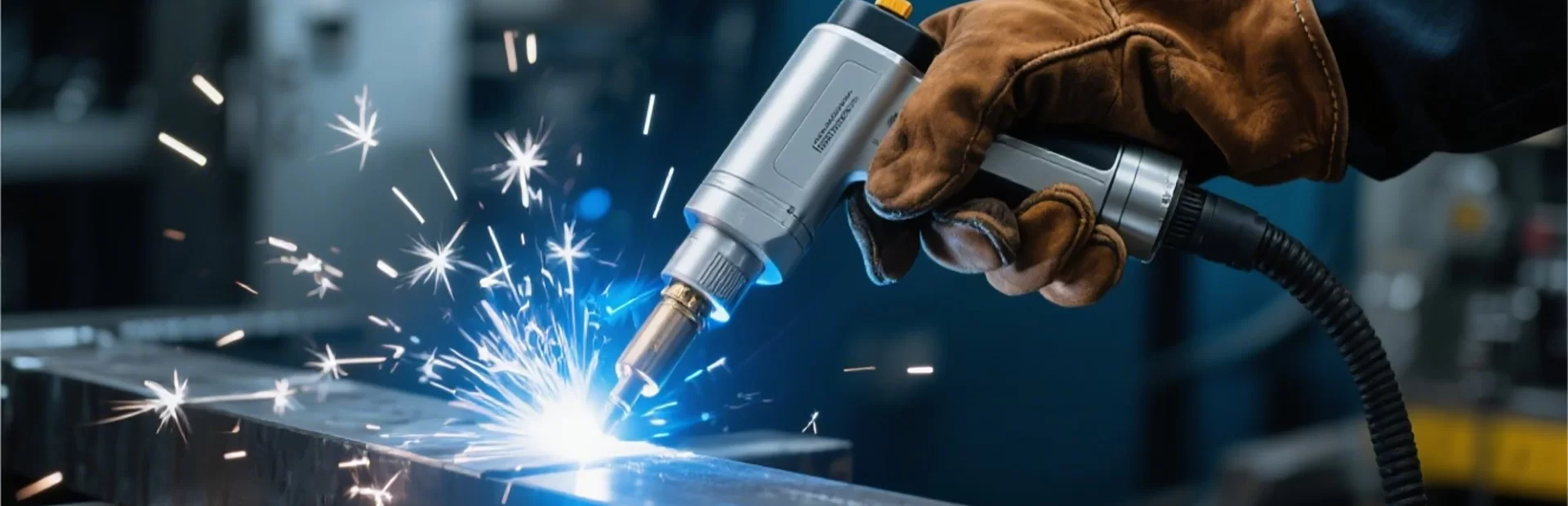
The modern industrial landscape relies heavily on the ability to fuse metals with precision and strength, a feat made possible by the electric arc welding machine. From the massive skeletons of skyscrapers to the intricate components of automotive engines, this technology serves as the backbone of global infrastructure, enabling the creation of durable structures that withstand the test of time and extreme environmental stress.
Understanding the mechanics and applications of the electric arc welding machine is not merely a technical necessity for engineers, but a strategic advantage for businesses looking to optimize production efficiency. By leveraging an electric arc to melt base metals and filler materials, these machines create cohesive bonds that are often stronger than the original materials themselves, driving innovation across the aerospace, shipbuilding, and energy sectors.
As we move toward an era of Industry 4.0, the evolution of welding technology—transitioning from manual transformers to sophisticated inverter-based systems—has democratized high-quality fabrication. This guide explores the global significance, technical core, and future trajectory of the electric arc welding machine, providing professionals with the insights needed to select and implement the right tools for their specific industrial needs.

Global Industry Context of Electric Arc Welding
On a global scale, the demand for metal fabrication is intrinsically linked to the economic growth of developing nations and the maintenance of developed infrastructure. According to international industrial standards, the adoption of an electric arc welding machine has become a baseline requirement for any facility engaged in heavy machinery manufacturing or civil engineering.
However, the industry faces a critical challenge: the widening gap between the demand for certified welders and the available skilled workforce. This shortage has accelerated the transition toward automated and semi-automated welding systems, which integrate the traditional power of the arc with precision robotics to ensure consistency and reduce human error in high-stakes projects.
Defining the Electric Arc Welding Machine
In its simplest terms, an electric arc welding machine is a device that converts electrical energy into heat via an electric arc struck between an electrode and the base material. This intense heat, which can reach thousands of degrees Celsius, melts the metal at the joint, allowing it to fuse with a filler rod to create a permanent, high-strength bond.
Beyond the physics, these machines represent a vital intersection of electrical engineering and materials science. Whether it is the Stick (SMAW), MIG (GMAW), or TIG (GTAW) variant, the primary objective is to control the arc's stability and the heat-affected zone (HAZ) to prevent warping and ensure the structural integrity of the weld.
In the context of humanitarian and urgent industrial needs, such as rapid bridge repair or emergency pipeline sealing, the portability of modern inverter-based electric arc welding machine units has revolutionized response times, allowing critical repairs to be conducted on-site without the need for massive power plants.
Core Components for Operational Excellence
The reliability of an electric arc welding machine depends heavily on its power source. Modern inverter technology has replaced the bulky transformers of the past, allowing for more precise current control and a significantly smaller footprint, which enhances the machine's scalability in compact workshop environments.
Another critical factor is the Electrode Delivery System. In advanced electric arc welding machine models, the precision of the wire feed motor ensures a constant deposition rate, which is essential for minimizing porosity and slag inclusions in the weld bead, thereby increasing the overall durability of the joint.
Finally, thermal management and duty cycle ratings determine the cost-efficiency of the operation. High-end machines incorporate advanced cooling systems that allow the electric arc welding machine to operate for longer periods without overheating, reducing downtime and increasing the throughput of industrial production lines.
Performance Metrics and Efficiency Analysis
Evaluating the effectiveness of an electric arc welding machine requires a look at several key performance indicators (KPIs), including arc stability, penetration depth, and energy consumption per linear inch of weld. These metrics directly impact the operational cost and the quality of the final product.
Different welding methods offer varying levels of efficiency depending on the material thickness and the required finish. While some methods prioritize speed and volume, others prioritize surgical precision and aesthetic cleanliness, as demonstrated in the performance comparison below.
Efficiency Rating by Arc Welding Method
Real-World Applications and Global Use Cases
The versatility of the electric arc welding machine allows it to be deployed in diverse environments. In the shipbuilding industry of East Asia, for instance, massive MIG welding systems are used to assemble hull sections with rapid deposition rates, ensuring the vessels are watertight and structurally sound for oceanic transit.
Conversely, in specialized aerospace facilities in North America and Europe, TIG-based electric arc welding machine setups are used for titanium and aluminum alloys. These applications require absolute precision to prevent microscopic defects that could lead to catastrophic failure under the extreme pressures of high-altitude flight.
Long-Term Value and Sustainability Benefits
Investing in a high-quality electric arc welding machine provides tangible long-term value through reduced waste and increased energy efficiency. Modern machines utilize "smart" power modulation, which adjusts the current in real-time to minimize spatter, thereby reducing the amount of filler material wasted and the time spent on post-weld grinding.
From a sustainability perspective, the shift toward digital control systems allows operators to track energy usage and carbon footprints per project. This transparency is becoming a requirement for companies seeking ISO certifications and those operating under strict environmental regulations in the European Union.
Beyond the numbers, there is an emotional angle of trust and safety. When a structure is fused by a reliable electric arc welding machine, the engineers and the end-users gain peace of mind, knowing that the joints can withstand seismic events or extreme weather, thus preserving human life and industrial assets.
Future Innovations in Welding Technology
The future of the electric arc welding machine is being shaped by the integration of Artificial Intelligence (AI) and Augmented Reality (AR). AI-driven systems can now monitor the weld pool in real-time using high-speed cameras, automatically adjusting voltage and wire speed to correct defects before they become permanent, effectively removing the "human error" variable.
Furthermore, the convergence of arc welding with laser technology is creating hybrid systems. These hybrid electric arc welding machine platforms combine the deep penetration of lasers with the gap-filling capability of arc welding, enabling the joining of dissimilar metals that were previously considered impossible to weld.
As green energy becomes a priority, we are seeing a push toward "Cold Arc" technologies that reduce the heat input, thereby lowering the energy requirements and minimizing the deformation of thin-gauge metals used in electric vehicle (EV) chassis manufacturing.
Technical Analysis of Modern Arc Welding Innovations
| Technology Type |
Precision Level (1-10) |
Energy Efficiency |
Primary Industry |
| AI-Adaptive Arc |
9.5 |
High |
Automotive |
| Laser-Hybrid Arc |
9.8 |
Medium |
Aerospace |
| Inverter SMAW |
6.0 |
High |
Construction |
| Digital TIG |
9.2 |
Medium |
Medical Devices |
| Robotic GMAW |
8.5 |
High |
Heavy Machinery |
| Cold Arc Tech |
8.0 |
Very High |
EV Manufacturing |
FAQS
Inverter machines use electronic components to convert power, making them lighter, more energy-efficient, and capable of precise current adjustment. Transformers use heavy copper coils, which are more rugged but less efficient and significantly heavier, making them less suitable for portable applications.
For thin materials, a TIG (GTAW) or a high-precision MIG machine is recommended. TIG provides the highest control over heat input, preventing burn-through, while modern MIG machines with pulse technology can effectively weld thin gauges with minimal distortion.
Yes, provided you have the correct safety gear (auto-darkening helmet, gloves, apron) and proper ventilation. Modern inverter machines are designed with safety circuits to prevent overheating and electrical shocks, but a dedicated grounding circuit is always essential.
For outdoor use, SMAW (Stick) welding is typically best because it doesn't require an external shielding gas that can be blown away by the wind. E6010 or E6011 electrodes are excellent for penetrating rust and paint in field conditions.
Industrial units should undergo a basic inspection every 3-6 months, focusing on dust removal from the cooling fans and checking cable connections. A full calibration and electrical safety audit should be performed annually to ensure consistent weld quality.
Yes, but it requires a specific type of machine. AC/DC TIG machines or MIG machines equipped with a spool gun are necessary to handle aluminum's oxide layer and unique melting characteristics.
Conclusion
The electric arc welding machine remains an indispensable tool in the global manufacturing arsenal, evolving from a basic power source into a sophisticated, digitally-controlled instrument of precision. By balancing power, efficiency, and sustainability, these machines enable the construction of everything from the smallest medical devices to the largest oceanic vessels, proving that the ability to fuse metal is the foundation of physical progress.
As the industry pivots toward automation and green energy, the integration of AI and hybrid technologies will further elevate the capabilities of welding. For businesses and engineers, the key to success lies in adopting the right technology that matches their specific material needs and production volumes. We invite you to explore the future of industrial fabrication—visit our website: www.topstarlaser.com