

Selecting the right equipment from the various kinds of welding machine available today often determines the structural integrity and production speed of an entire manufacturing line. Whether you are assembling heavy industrial compressors or delicate precision components, the choice between traditional arc processes and modern laser solutions involves a critical trade-off between initial investment and long-term operational efficiency.
For enterprises in the general equipment manufacturing sector, welding is not merely a joining process but a core competency that impacts product durability and market competitiveness. As industries shift toward automation and high-precision requirements, understanding the technical nuances of different welding modalities becomes essential for procurement officers and technical engineers alike.
This guide analyzes the diverse landscape of welding technologies, focusing on how specific equipment types align with industrial needs. By examining the transition from conventional methods to advanced laser welding, we provide a framework for optimizing metal processing workflows to achieve higher precision and reduced labor costs.

Analyzing the Core Taxonomy of Industrial Welding Equipment

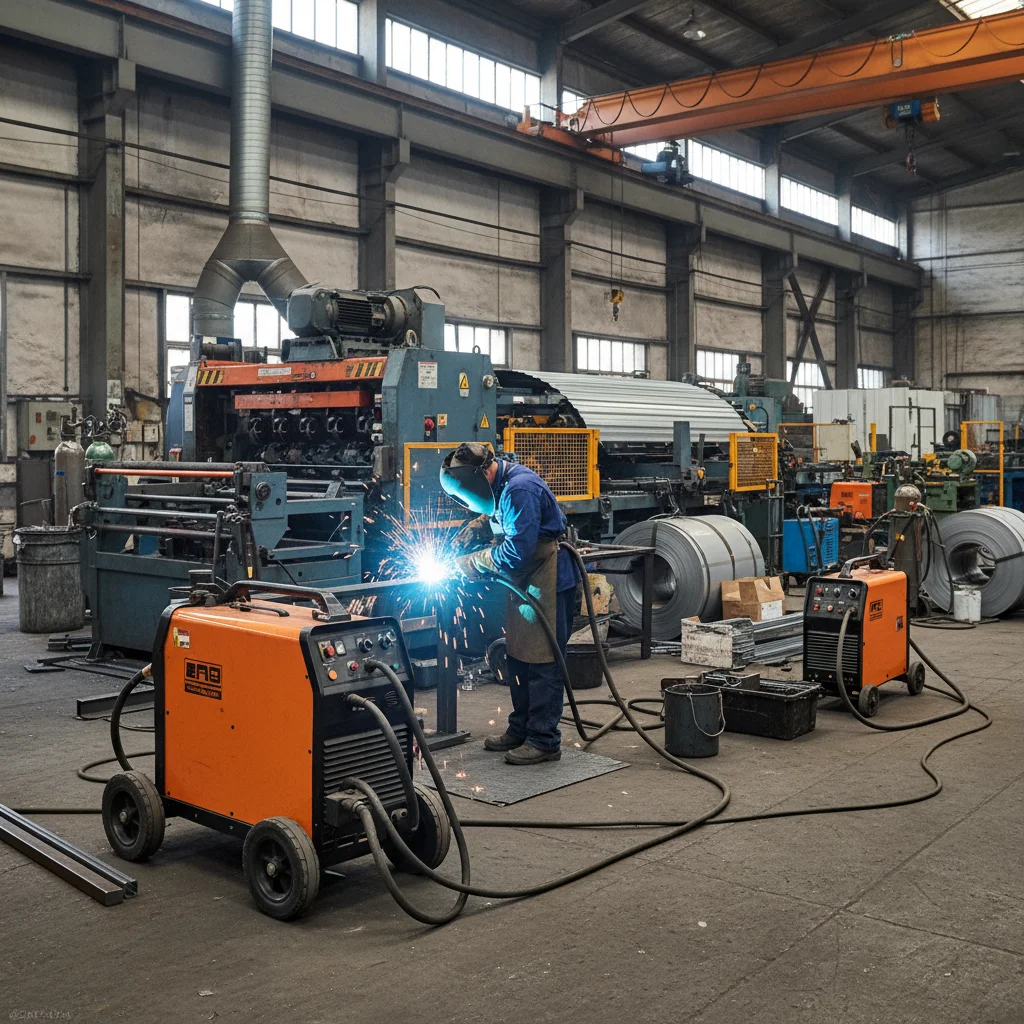
Industrial welding is broadly categorized by the energy source used to fuse materials. Traditional arc welding, including MIG (Metal Inert Gas) and TIG (Tungsten Inert Gas), remains the backbone of heavy fabrication due to its versatility and ability to handle thick sections of carbon steel and aluminum, which are common in pump and valve manufacturing.
Beyond the arc, resistance welding is frequently employed for high-volume automotive and appliance assembly, where speed is prioritized over joint depth. However, the most significant shift in recent years has been the rise of high-energy beam welding, specifically laser welding, which offers a concentrated heat source that minimizes the heat-affected zone (HAZ).
Understanding these kinds of welding machine is crucial because the energy delivery method directly influences the metallurgical properties of the weld. While arc welding is robust, laser systems provide the precision required for complex geometries and high-strength alloys, reducing the need for post-weld grinding and polishing.
Technical Value and Operational Characteristics of Modern Systems
Modern welding systems are evaluated not just by their ability to join metal, but by their consistency and the reduction of human error. Laser welding machines, for instance, utilize a highly focused beam of light to melt the material, resulting in deep penetration with minimal distortion compared to traditional thermal processes.
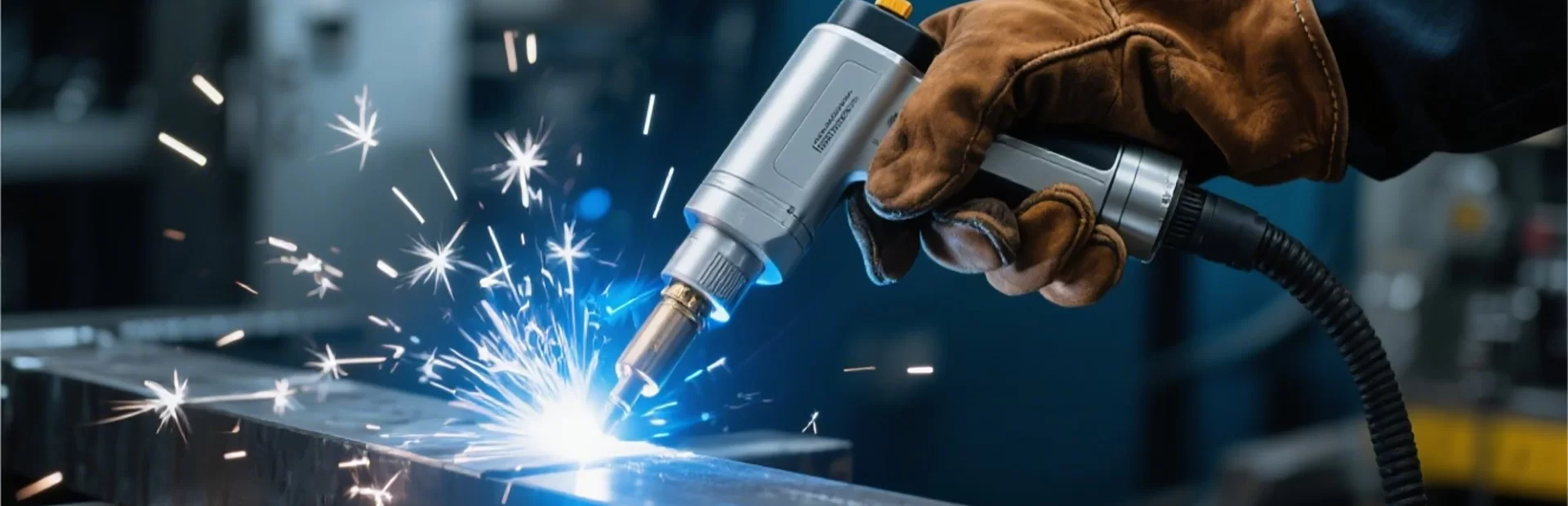
One of the most significant advancements is the development of handheld laser welders. These units bridge the gap between the extreme precision of robotic laser cells and the flexibility of manual arc welding. They allow operators to perform high-speed, high-quality welds on complex parts without the need for expensive custom jigging.
From a technical standpoint, the value of advanced systems lies in their control parameters. Digital interfaces now allow for real-time adjustment of pulse frequency and beam intensity, ensuring that the weld remains stable even when dealing with varying gap widths or material thicknesses.
Strategic Application Scenarios in General Equipment Manufacturing
In the context of gas compression machinery and pump manufacturing, welding applications vary based on the pressure requirements of the final product. For high-pressure compressor housings, TIG welding is often preferred for its superior root penetration and cleanliness, ensuring leak-proof seals under extreme stress.
Conversely, for the assembly of external frames and non-pressure-bearing components, MIG welding provides the necessary deposition rate to complete large structures quickly. The integration of laser welding into these workflows is typically seen in the precision joining of valve seats and internal components where thermal deformation must be strictly controlled.
Another critical scenario is the fabrication of mesh systems and filters. Here, specialized welding equipment must handle thin-gauge materials without burning through. The ability to switch between different kinds of welding machine within a single facility allows a manufacturer to optimize for both structural strength and aesthetic finish.
Comparative Performance Benchmarks for Welding Efficiency
Measuring the efficiency of welding processes requires looking beyond the speed of the weld bead. Key metrics include the heat-affected zone width, the rate of consumables usage, and the time required for post-weld cleanup. Laser systems typically outperform arc systems in speed and precision but require higher initial capital expenditure.
When comparing traditional MIG/TIG setups against advanced laser solutions, the most striking difference is found in the thermal distortion levels. Lower heat input means parts remain true to their original dimensions, which is critical for the tight tolerances required in air compressor components.
kinds of welding machine Performance Metrics
The data suggests that while traditional methods are sufficient for basic fabrication, the adoption of laser technology significantly boosts throughput in high-precision segments. The reduction in "re-work" time often offsets the higher cost of the equipment within the first 18-24 months of operation.
Critical Procurement Considerations for Industrial Welding Adoption
Procuring new welding equipment requires a balance between technical capability and Total Cost of Ownership (TCO). Decision-makers must evaluate not only the purchase price but also the cost of shielding gases, electrodes, and the power infrastructure required to support high-amperage machines.
A critical factor is the skill level of the existing workforce. Traditional arc welding requires significant manual dexterity and years of training. In contrast, modern laser welders are designed for easier operation, allowing semi-skilled workers to achieve professional-grade results, thereby reducing the reliance on a shrinking pool of certified master welders.
Furthermore, safety infrastructure must be considered. Laser welding requires specific eye protection and ventilation systems to manage fumes and beam reflections, which should be factored into the initial facility upgrade budget.
Future Trajectories in Automated and Laser Welding Tech
The trajectory of welding technology is moving toward full integration with Industry 4.0. We are likely to see an increase in "cobots" (collaborative robots) that work alongside humans, handling the repetitive long-seam welds while the human operator manages complex corner joins and quality inspection.
AI-driven adaptive welding is another emerging trend. These systems can sense the gap between two plates in real-time and automatically adjust the weld parameters to compensate for fit-up variations, virtually eliminating the possibility of burn-through or insufficient penetration.
As materials evolve, particularly with the rise of lightweight alloys in industrial equipment, welding machines will need to become more specialized. The ability to maintain metallurgical properties while joining dissimilar metals is expected to be a key area of innovation in the coming decade.
Selection Matrix for Optimizing Metal Joining Workflows
Choosing the correct equipment requires matching the technology to the specific material thickness and production volume. The following matrix provides a comparative view of the most common kinds of welding machine used in general equipment manufacturing.
For those seeking a balance of flexibility and precision, laser welding stands out as the most scalable option, whereas MIG remains the king of heavy-duty structural work.
| Technology Type | Primary Material | Precision Level | Best Use Case |
|---|---|---|---|
| Handheld Laser | Stainless/Carbon Steel | Ultra-High | Small-batch customization |
| MIG Welding | Thick Steel/Aluminum | Moderate | Heavy frame fabrication |
| TIG Welding | Thin Alloys/Titanium | High | Pressure vessel sealing |
| Resistance Spot | Sheet Metal | Low-Moderate | High-volume assembly |
| Robotic Laser | Precision Alloys | Ultra-High | Automated production lines |
| Plasma Arc | Thick Aluminum | Moderate-High | Heavy industrial plates |
Ultimately, the optimal strategy often involves a hybrid approach—utilizing MIG for structural bases and transitioning to laser systems for critical, high-precision joints to maximize both speed and quality.
Frequently Asked Questions
Conclusion
Navigating the various kinds of welding machine requires a strategic alignment between the technical requirements of the product and the operational goals of the business. From the raw power of MIG to the surgical precision of laser technology, the right choice directly impacts a manufacturer's ability to scale and maintain quality standards in a competitive global market.
For enterprises looking to upgrade their metal processing capabilities or solve specific operational challenges in equipment manufacturing, reviewing professional solutions at www.topstarlasers.com can provide the necessary technical context to make an informed investment.