In the rapidly evolving landscape of industrial manufacturing, the precision and efficiency of joining metal components have become paramount. A professional wire welding machine serves as a cornerstone for producing high-strength structural components, particularly in the fabrication of storage systems and industrial shelving. By automating the fusion of wire-based elements and connectors, these machines eliminate the inconsistencies of manual labor, ensuring that every joint can withstand immense structural loads.
On a global scale, the demand for advanced warehousing solutions has surged, driven by the explosion of e-commerce and logistics hubs. This shift has placed unprecedented pressure on manufacturers to scale production without sacrificing safety or quality. The implementation of a sophisticated wire welding machine allows factories to transition from slow, labor-intensive processes to high-throughput automated lines, significantly reducing the cost per weld and accelerating time-to-market.
Understanding the nuances of wire welding technology is not merely about increasing speed; it is about enhancing the structural integrity and longevity of the end product. From the integration of PLC controls to the application of laser beam physics, the modern welding approach addresses critical challenges such as material deformation and energy waste. For any enterprise looking to maintain a competitive edge in the general equipment manufacturing sector, mastering the deployment of these systems is an absolute necessity.

Global Industry Context of Wire Welding Technology
The global manufacturing sector is currently undergoing a massive transition toward "Industry 4.0," where automation and precision are no longer optional but required for survival. In the context of storage rack and general equipment production, the wire welding machine has become a critical tool. According to industrial ISO standards for structural integrity, the consistency of weld penetration is the primary factor in preventing catastrophic shelf failure in high-density warehouses.
Historically, manual arc welding dominated the field, but the volatility of human performance led to significant waste and safety risks. Today, the shift toward automated laser and PLC-controlled systems has allowed manufacturers in regions like Asia and Europe to increase their output by over 300% while simultaneously lowering the defect rate. This systemic upgrade is essential for meeting the rigorous safety demands of modern global logistics infrastructure.
Defining the Modern Wire Welding Machine
In simple commercial terms, a wire welding machine is a specialized piece of industrial equipment designed to join metal wires, beams, and hooks through a controlled application of heat and pressure. Specifically, in the production of pallet racking, these machines are used to attach side hooks to storage beams, ensuring a permanent, high-strength bond that can support thousands of kilograms of weight.
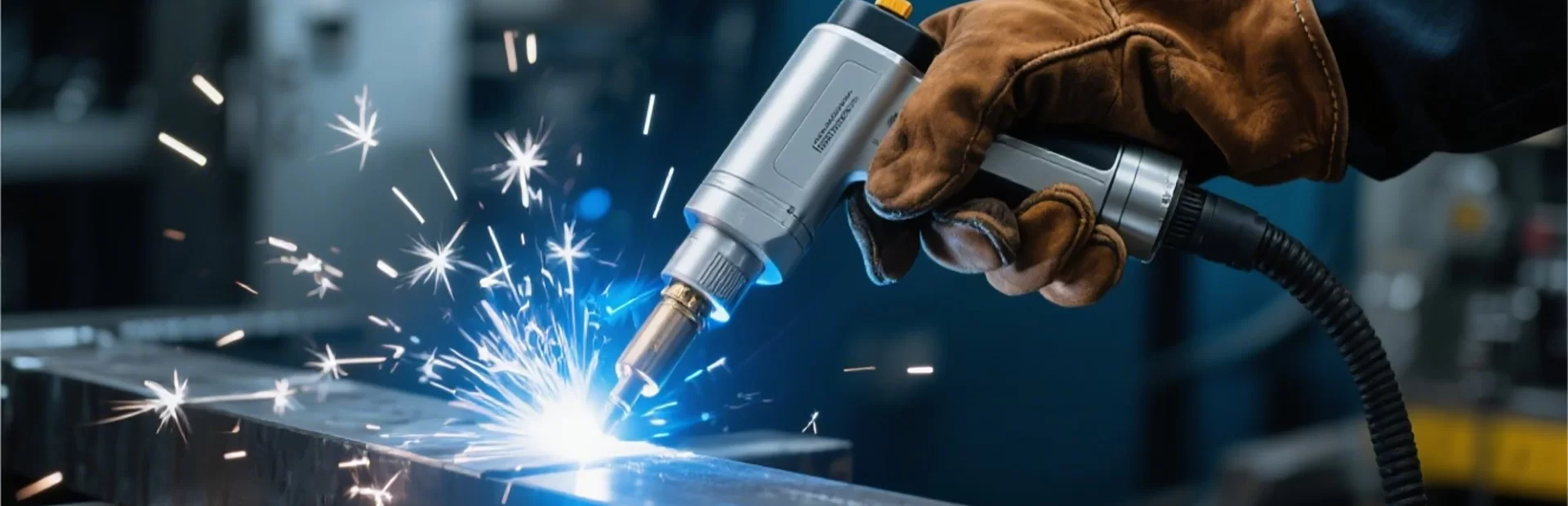
Unlike general-purpose welders, these machines are engineered for repetitive, high-precision tasks. They often combine robotic arm movement with sophisticated power sources—such as fiber lasers or high-frequency inverters—to create a "keyhole" effect. This allows the weld to penetrate deeply into the material, creating a joint that is often stronger than the base metal itself, which is vital for humanitarian needs like building emergency shelters or durable food storage in remote zones.
Ultimately, the modern wire welding machine represents the intersection of metallurgy and computer science. By transforming a raw electrical or photonic energy source into a precise surgical tool, these machines enable the mass production of complex metal grids and structural frameworks that form the skeleton of modern industrial architecture.
Core Components and Technical Factors
One of the most critical factors in the performance of a wire welding machine is its Automation and Control System. Most high-end units are governed by PLC (Programmable Logic Controllers), which allow operators to save specific parameters for different beam thicknesses. This eliminates the need for constant manual readjustment and ensures that every single weld is identical to the last.
Precision Parameter Management is the second pillar of quality. By meticulously controlling the current, voltage, and welding time (or laser power and frequency), the machine prevents "burn-through" on thin-walled beams while ensuring deep penetration on heavy-duty H-beams. This balance is what separates professional-grade equipment from entry-level machinery.
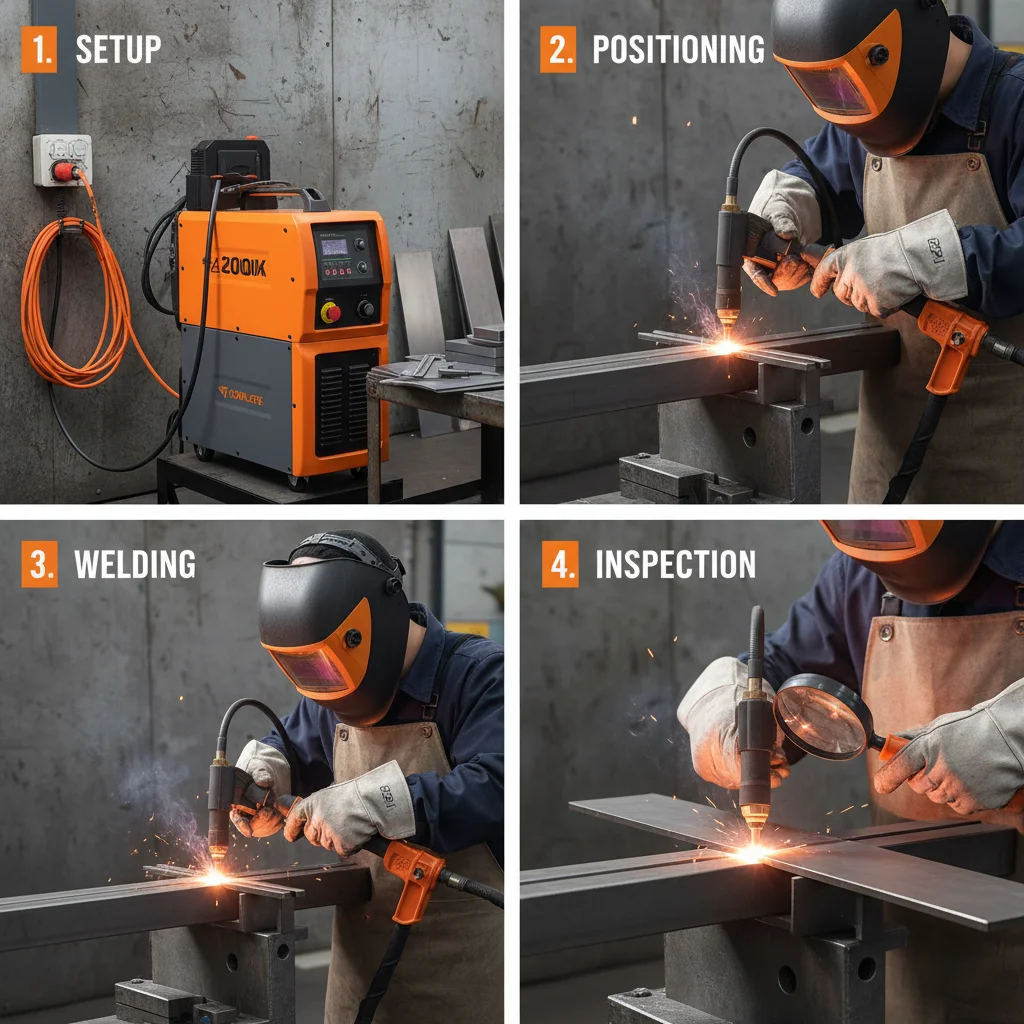
Finally, Ergonomics and Safety Integration cannot be overlooked. A professional wire welding machine incorporates protective shielding, fume extraction systems, and emergency stop protocols. This not only protects the operator from harmful UV radiation and toxic gases but also reduces worker fatigue, transforming the role of the welder from a manual laborer to a system monitor.
Global Applications and Practical Use Cases
The application of the wire welding machine extends far beyond simple shelving. In the automotive industry, similar technology is used for seat frames and reinforcement cages. In the agricultural sector, these machines are indispensable for creating heavy-duty livestock fencing and irrigation supports that must survive harsh outdoor environments and corrosive elements.
In remote industrial zones or post-disaster relief operations, the ability to quickly fabricate structural supports is a lifeline. For instance, modular housing and rapid-deployment medical clinics often rely on components welded by high-efficiency machines to ensure that the structures can be shipped in pieces and assembled quickly on-site without compromising the safety of the occupants.
Performance Comparison of Wire Welding Machine Methods
Tangible Advantages and Long-Term Value
The primary logical advantage of investing in a wire welding machine is the dramatic reduction in "cost per weld." By replacing three to five manual operators with a single automated station, companies reduce their payroll overhead and eliminate the costly errors associated with human fatigue. Furthermore, the precision of these machines results in less material waste, contributing to a leaner and more sustainable manufacturing process.
Beyond the financial metrics, there is an emotional and ethical value to this technology: safety and dignity. Moving workers away from the dangerous, sparking environment of manual welding to a controlled monitoring station improves the quality of life for the workforce. When a client knows their storage system was produced by a precision-controlled wire welding machine, it builds a layer of trust and reliability that is essential for long-term brand loyalty.
Future Trends and Digital Innovations
The future of the wire welding machine lies in the convergence of AI and real-time sensing. We are seeing the emergence of "adaptive welding," where sensors detect the gap between the beam and the hook in real-time and automatically adjust the laser's wobble pattern to bridge the gap. This removes the need for perfectly machined parts and further increases production speed.
Sustainability is also driving innovation. New inverter-based power sources are reducing energy consumption by up to 40%, aligning with global green energy mandates. Additionally, the shift toward fiber laser technology has reduced the need for toxic shielding gases, making the factory floor cleaner and safer for the environment.
Finally, the integration of IoT (Internet of Things) allows for remote diagnostics. A technician can now monitor the performance of a wire welding machine from across the globe, predicting part failure before it happens and reducing unplanned downtime to nearly zero.
Overcoming Challenges in Welding Implementation
Despite the benefits, implementing a wire welding machine comes with challenges, primarily the initial capital expenditure and the need for skilled technicians to program the PLC. Many small-to-medium enterprises struggle with the "learning curve" of transitioning from manual to automated systems.
The solution lies in choosing a supplier that provides a comprehensive ecosystem—including training, adjustable fixtures, and robust after-sales support. By utilizing modular fixtures, manufacturers can ensure their machine is compatible with various materials, from standard carbon steel to galvanized alloys, preventing the equipment from becoming obsolete as product lines evolve.
Another common hurdle is the management of heat-affected zones (HAZ). Excessive heat can warp the beam, compromising the structural alignment. Advanced wire welding machine solutions solve this by incorporating post-weld cooling systems and pulsing laser frequencies, which concentrate heat only where it is needed, preserving the metallurgy of the surrounding steel.
Technical Analysis of Wire Welding Machine Implementations
| Material Type | Welding Method | Penetration Depth | Efficiency Score (1-10) |
|---|
| Carbon Steel (Thin) | Fiber Laser | Medium (1-3mm) | 9.5 |
| Carbon Steel (Heavy) | PLC-MIG/MAG | Deep (5-10mm) | 8.0 |
| Galvanized Steel | Pulsed Laser | Medium (2-4mm) | 7.5 |
| Stainless Steel | TIG/Laser Hybrid | Precision (1-2mm) | 8.5 |
| Alloy Steel | Automatic Arc | Deep (4-8mm) | 7.0 |
| Custom H-Beam | High-Power Fiber | Extreme (10mm+) | 9.0 |
FAQS
The main advantage is the combination of speed and consistency. A wire welding machine can produce output equivalent to several manual workers while ensuring every weld meets exact structural specifications. This removes human error, reduces material waste, and significantly lowers the cost per unit in high-volume production environments like pallet racking manufacturing.
Yes, professional-grade machines are designed with adjustable fixtures and PLC-controlled parameters. By simply selecting a saved profile on the touch screen, the operator can switch between different beam thicknesses and hook sizes without needing to manually recalibrate the entire system, making it highly versatile for various product lines.
Laser technology is generally superior for precision and speed. It creates a smaller heat-affected zone, which prevents warping of the metal. However, the choice depends on the material; while lasers are excellent for thin-to-medium gauge steel, traditional heavy-duty arc systems may still be used for extremely thick structural H-beams where massive penetration is required.
A PLC (Programmable Logic Controller) acts as the brain of the wire welding machine. It allows for the precise automation of current, voltage, and timing. This means a worker doesn't need to be a master welder to operate the machine; they simply input the data or call up a saved model, ensuring the quality remains stable regardless of the operator's skill level.
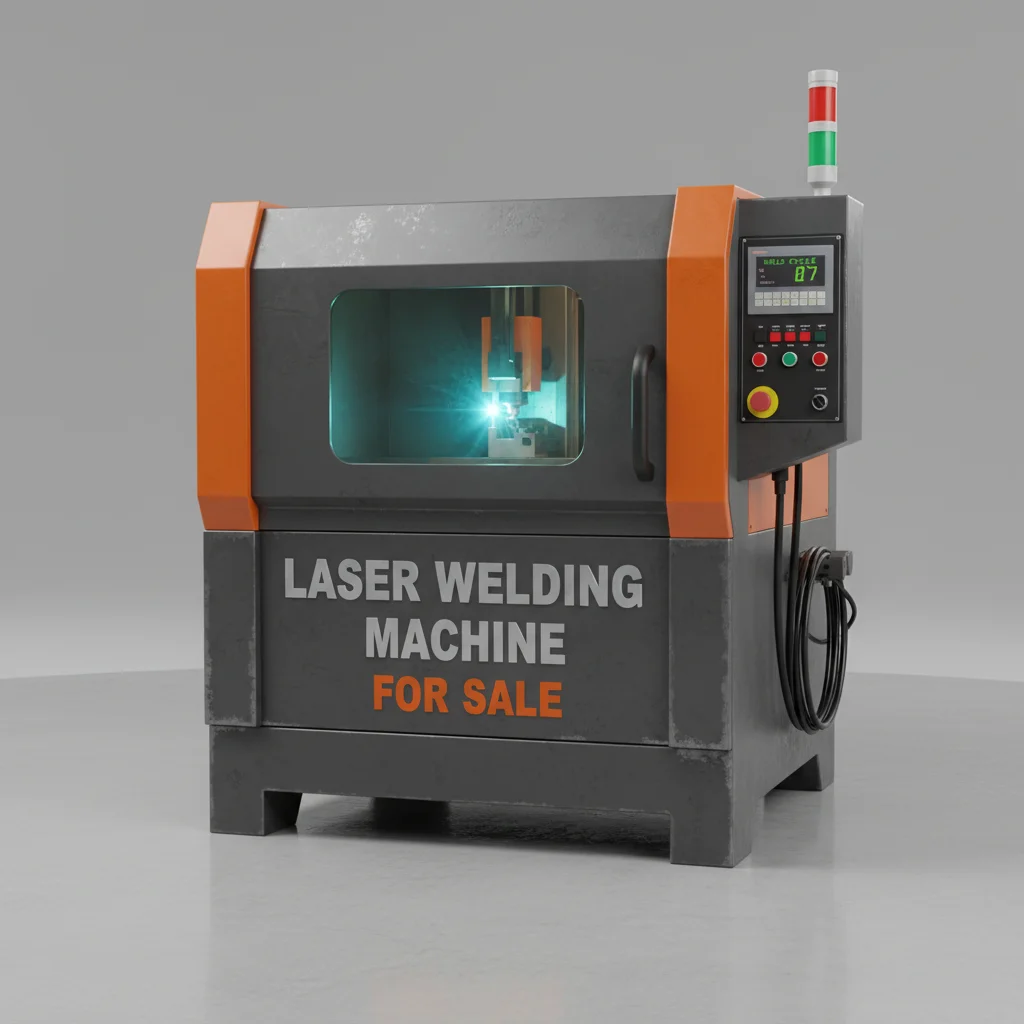
Essential safety features include fully enclosed welding cabinets to block UV light and sparks, integrated fume extraction systems to maintain air quality, emergency stop buttons at multiple access points, and post-weld cooling systems to prevent burns during part unloading.
While the initial cost is higher than manual equipment, most manufacturers see a full ROI within 12-24 months. This is achieved through the drastic reduction in labor costs, a lower percentage of rejected parts (scrap), and the ability to take on much larger contracts due to increased production capacity.
Conclusion
In summary, the integration of a high-performance wire welding machine is a transformative step for any manufacturer specializing in storage systems and general equipment. By bridging the gap between raw industrial power and digital precision, these machines resolve the age-old conflict between speed and quality. From the utilization of fiber lasers to the efficiency of PLC automation, the value lies in creating a safe, sustainable, and highly scalable production environment that can meet the rigorous demands of the global logistics market.
Looking forward, the evolution of adaptive AI and green energy will only further enhance the capabilities of welding technology. For businesses striving for operational excellence, the recommendation is clear: transition toward automated, precision-driven systems to secure long-term competitiveness. Investing in the right equipment today ensures that your structural components are not only built to last but are produced with a level of efficiency that defines the modern industrial era. Visit our website: www.topstarlaser.com