Shijiazhuang Topstar
International Trading Co., Ltd.


Get In Touch
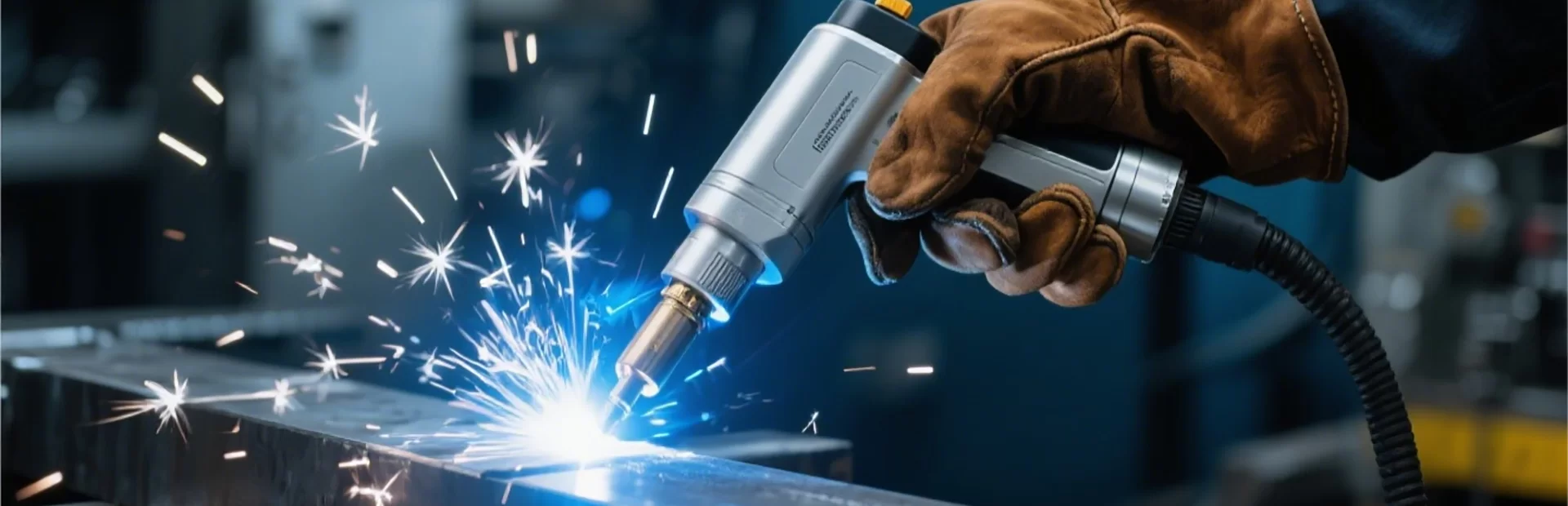
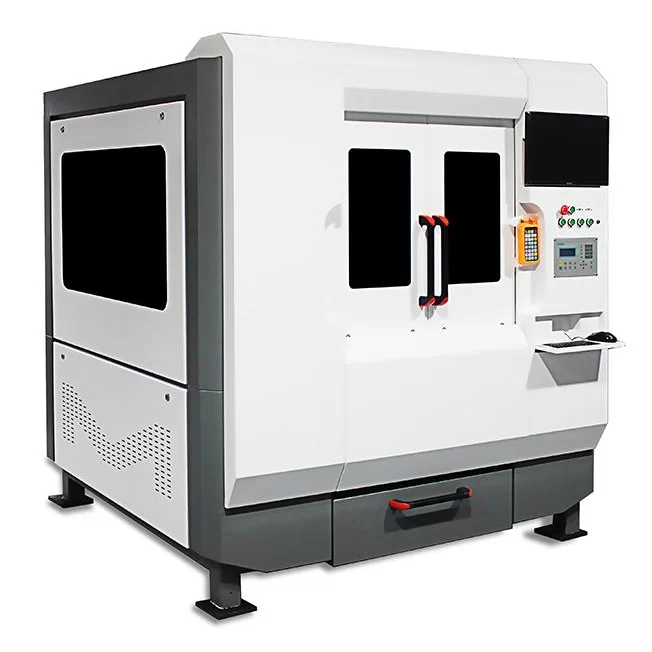
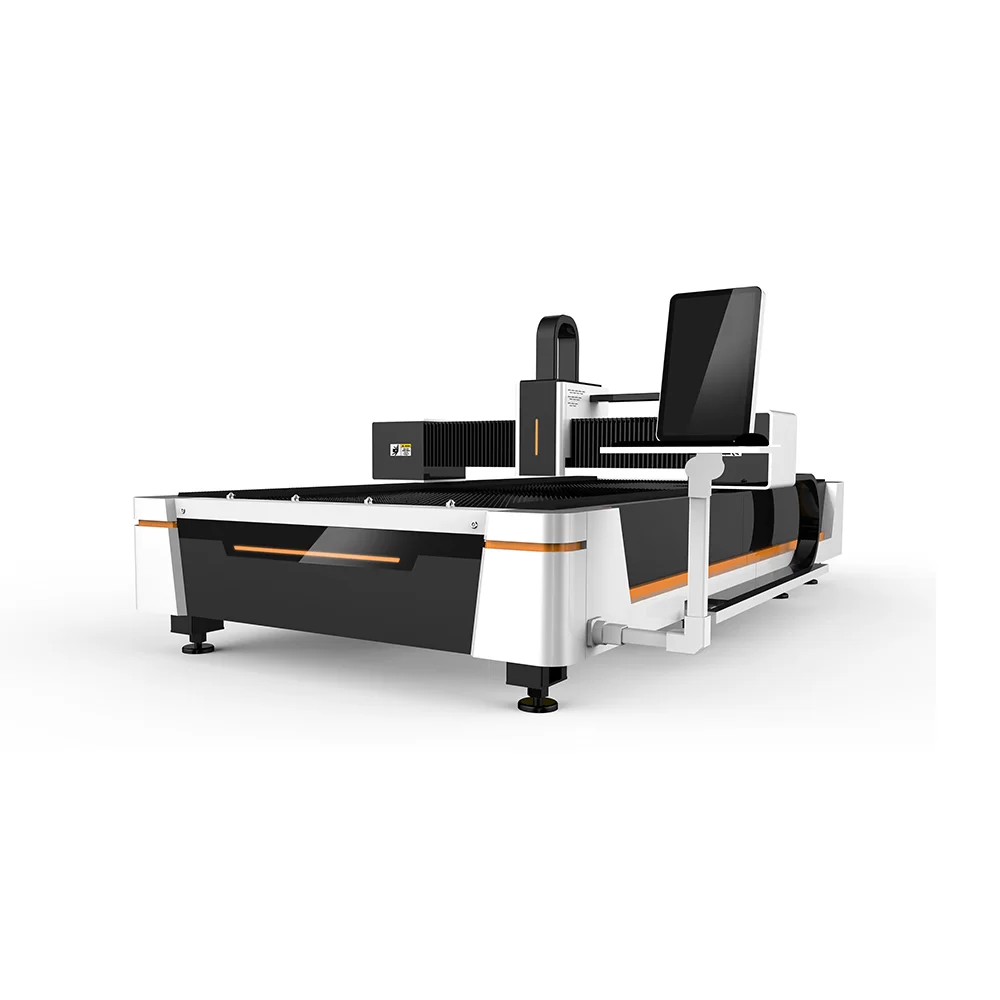
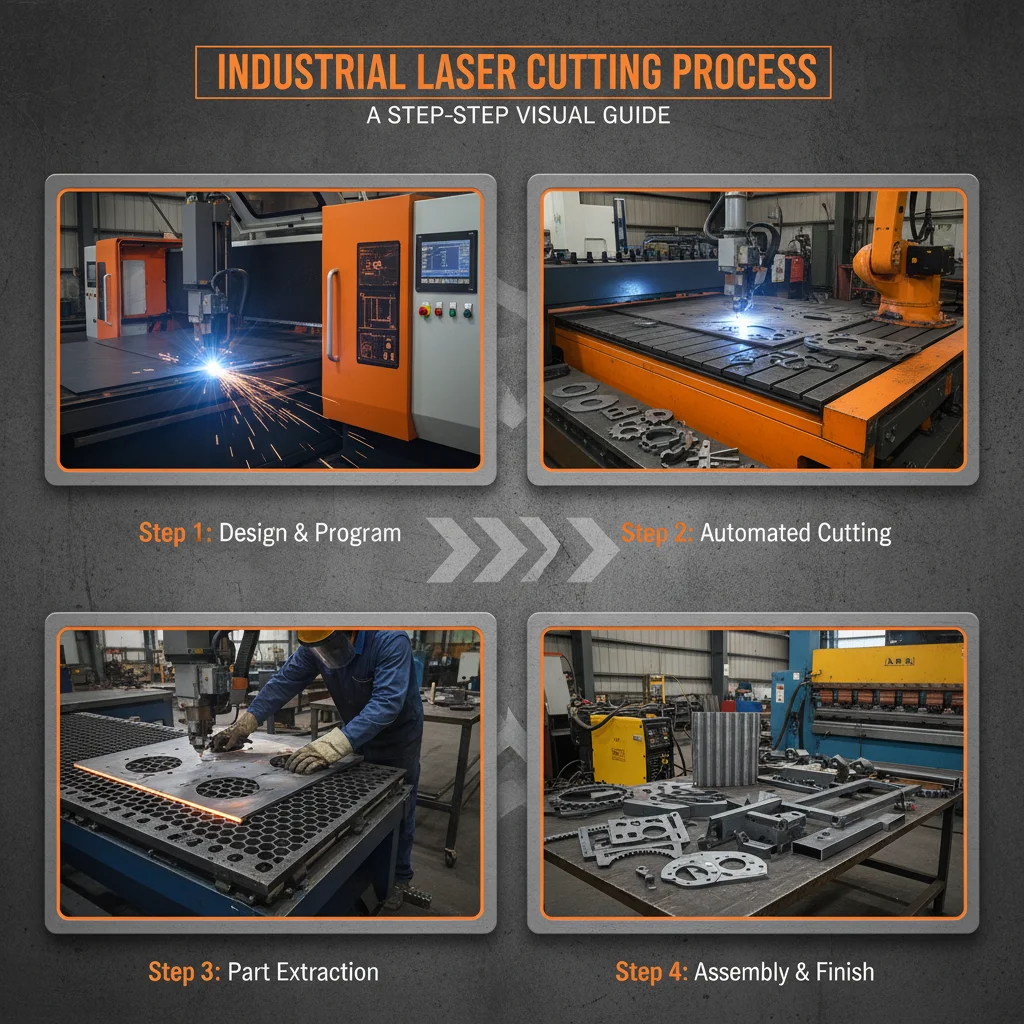
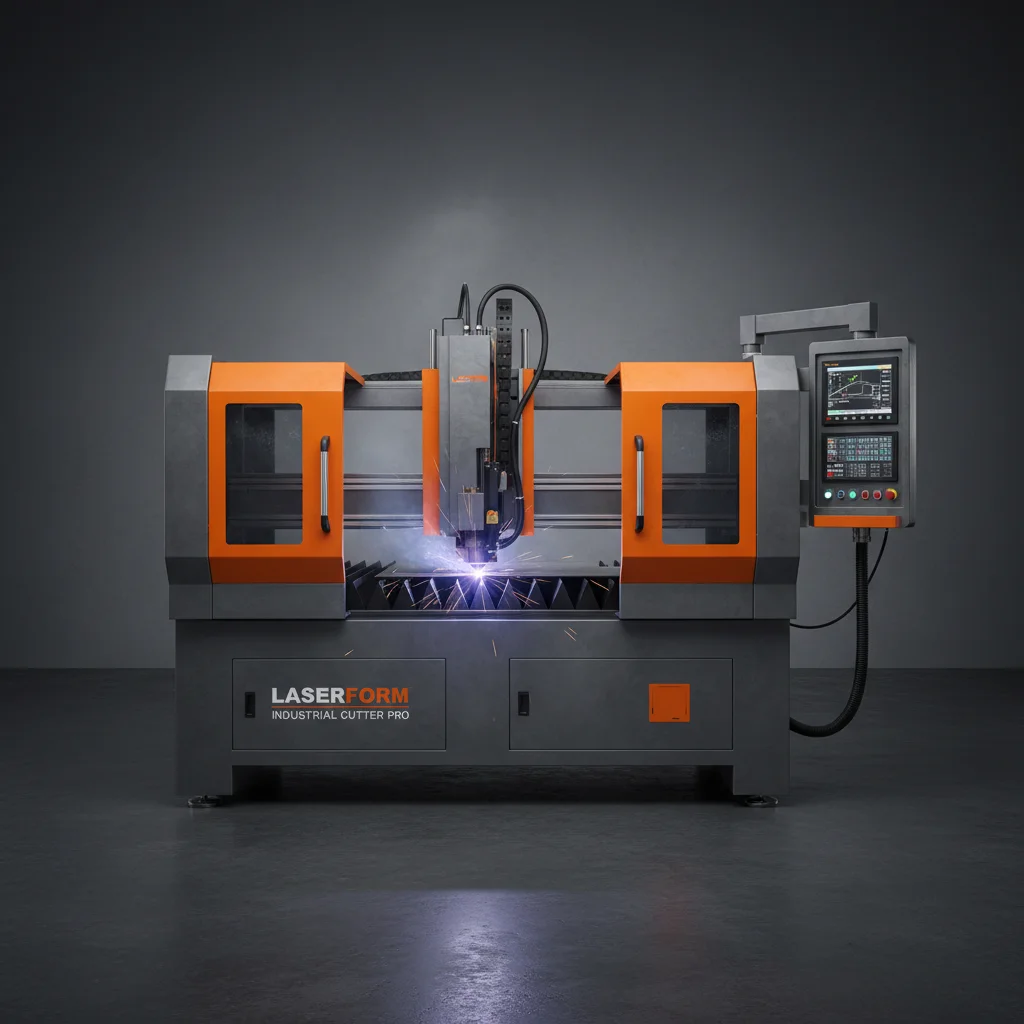
In the modern manufacturing landscape, precision and efficiency are the cornerstones of competitiveness. Whether you are running a small fabrication shop or a large-scale industrial plant, investing in a high-quality sheet metal laser cutting machine for sale can transform your production capabilities. These machines offer unparalleled accuracy, reducing material waste and significantly shortening lead times. By leveraging advanced fiber laser technology, businesses can now cut through a variety of metals with ease, ensuring clean edges and complex geometries that were previously impossible. This guide will walk you through everything you need to know to make an informed purchasing decision.
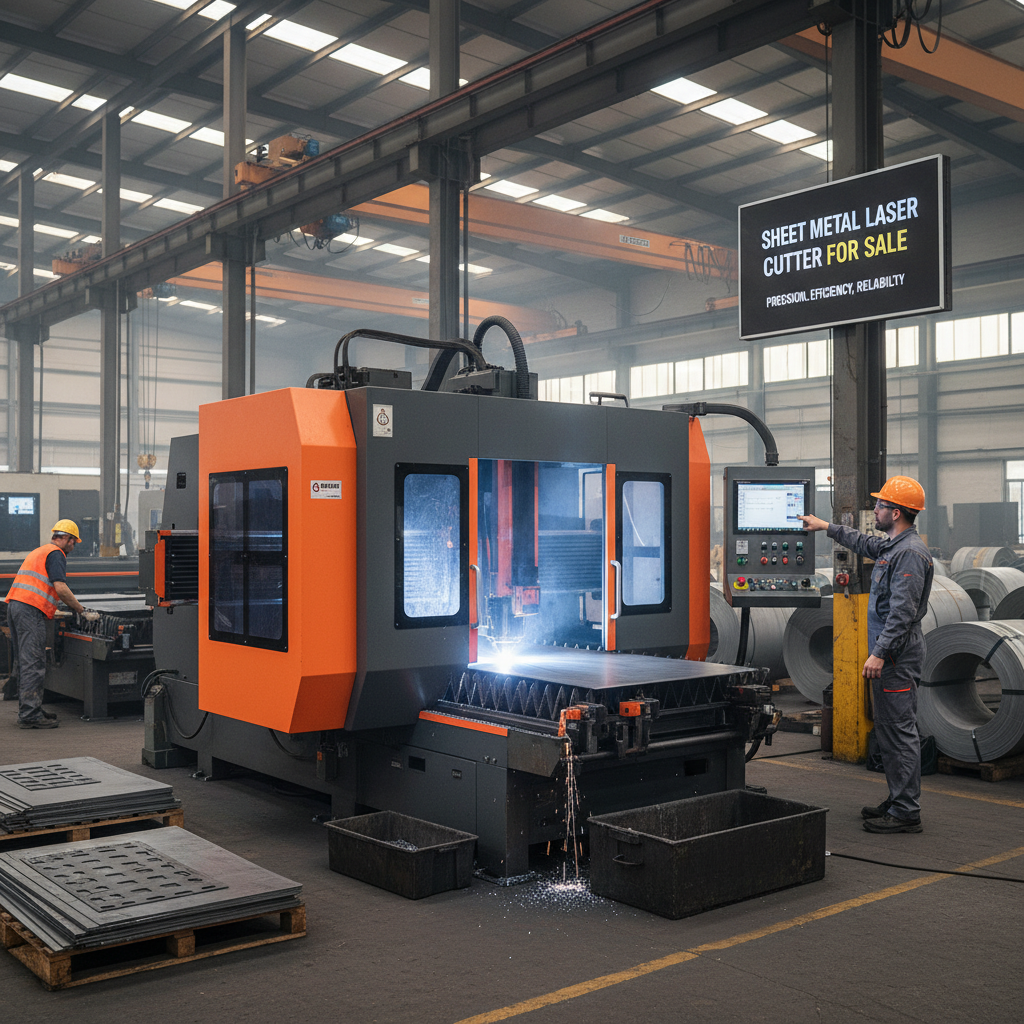
Laser cutting has evolved from basic CO2 systems to the highly efficient fiber lasers we see today. The primary shift has been toward Fiber Laser technology, which offers higher power density and lower operational costs. When searching for a sheet metal laser cutting machine for sale, it is essential to understand that fiber lasers are significantly faster when cutting thin to medium-thickness metals. They require less maintenance and consume less electricity, making them the environmentally and financially superior choice for most modern workshops. This evolution has democratized high-precision cutting, allowing smaller enterprises to achieve industrial-grade results.
Choosing the right equipment requires a deep analysis of your specific production needs. You must consider the maximum cutting thickness of the materials you use, the bed size for your largest sheets, and the cutting speed required to meet your deadlines. Additionally, the software compatibility and the ease of the user interface can drastically affect your team's productivity. A machine that is too powerful for your needs will result in wasted energy and capital, while an underpowered machine will create bottlenecks in your workflow. It is always recommended to evaluate the total cost of ownership, including consumables and power consumption.
Pro Tip: Always check the stability of the machine frame. A heavy-duty, stress-relieved welded bed is crucial for maintaining precision at high speeds and reducing vibrations that can affect cut quality.
For those browsing a sheet metal laser cutting machine for sale, the debate between Fiber and CO2 is common. While CO2 lasers are excellent for non-metals and very thick organic materials, Fiber lasers dominate the metal fabrication world. Fiber lasers use a solid-state medium to generate the beam, which is then delivered via optical fiber. This results in a smaller focal spot and higher intensity, allowing for faster cuts and narrower kerfs. The following table highlights the critical differences between these two technologies.
Investing in a laser cutter is a significant capital expenditure. To maximize your Return on Investment (ROI), you should focus on nesting software that optimizes material usage. High-end machines come with advanced nesting capabilities that arrange parts to minimize scrap, directly increasing your profit margin per sheet. Furthermore, look for machines that offer automatic nozzle cleaning and auto-focus features. These automation tools reduce downtime and eliminate human error, allowing the machine to run for longer periods without supervision. By optimizing these variables, the sheet metal laser cutting machine for sale becomes a profit center rather than just a cost.
Understanding the technical data sheet is the only way to ensure the machine meets your operational requirements. From the resonator brand (such as IPG or Raycus) to the servo motor precision, every detail counts. A high-quality machine will provide a detailed specification table outlining its capabilities. Below is a typical specification range for a professional-grade industrial fiber laser cutter designed for diverse sheet metal applications.
Finding the perfect sheet metal laser cutting machine for sale is about balancing power, precision, and price. By focusing on Fiber technology and prioritizing automation and material optimization, you can ensure your business remains agile and profitable. High-quality laser equipment not only improves the quality of your end products but also elevates your brand's reputation for excellence. Invest in technology that grows with your business and empowers your craftsmen to create without limits.
Most industrial fiber laser machines are designed primarily for metals. This includes carbon steel, stainless steel, aluminum, brass, and copper. The ability to cut reflective metals like brass and copper is a specific advantage of modern fiber lasers compared to older CO2 systems. The thickness of the material that can be cut depends entirely on the wattage of the laser source; for example, a 1kW machine may handle thin sheets, while a 12kW or 20kW machine can cut through thick structural steel plates with high efficiency.
Regular maintenance is key to preventing downtime. This includes checking the water chiller levels and temperature to prevent the laser source from overheating, cleaning the protective windows (lenses) to ensure beam quality, and lubricating the guide rails and gear racks. Additionally, ensuring that the machine is properly grounded and that the air compressor provides clean, dry assist gas is vital. Following the manufacturer's recommended maintenance schedule will significantly extend the life of the machine and maintain its cutting precision over many years.
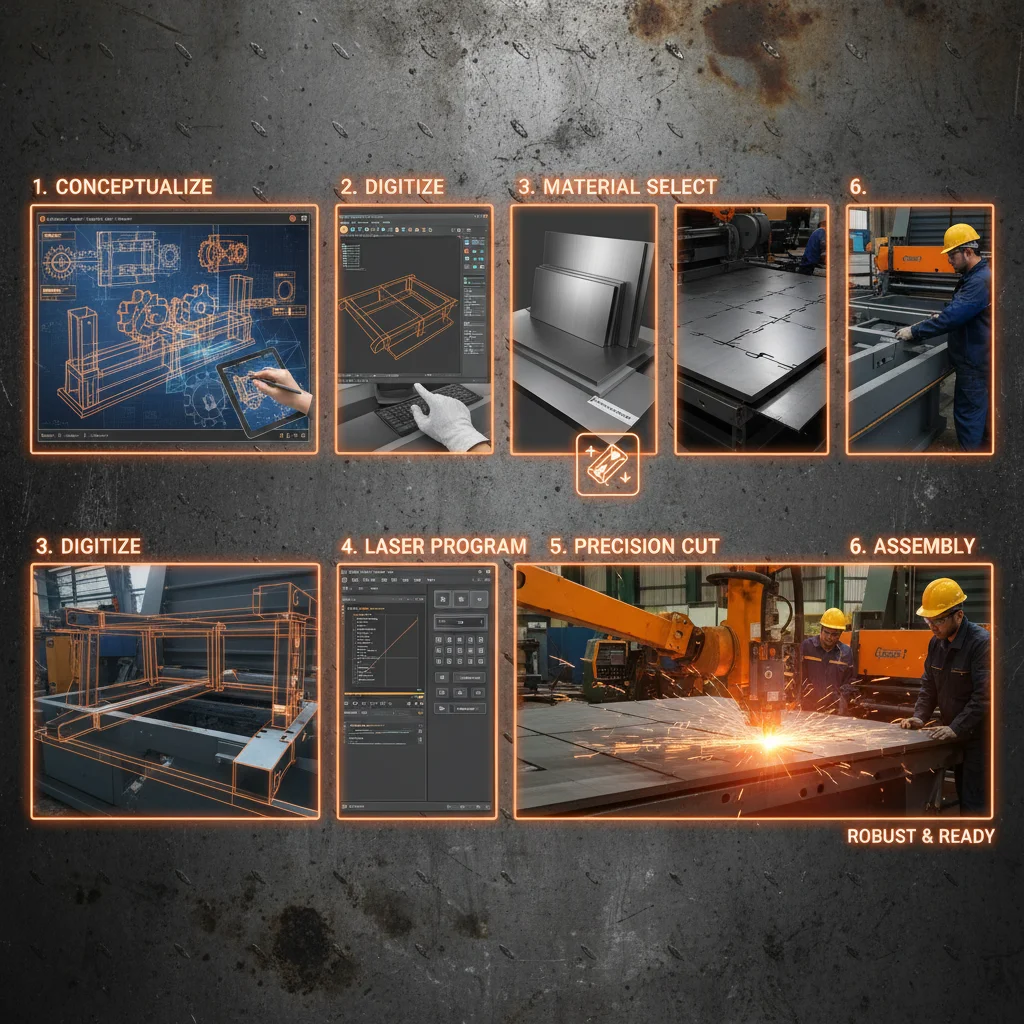
While the technology behind the machine is complex, the operation is designed to be user-friendly. Most modern machines use intuitive CNC software where the operator simply imports a CAD file (like .DXF or .DWG), sets the material parameters, and starts the process. While basic operation can be learned quickly, mastering the "art" of laser cutting—such as optimizing gas pressure and cutting speeds for different materials—requires some training. Many suppliers of a sheet metal laser cutting machine for sale provide comprehensive training and technical support to help new users get up to speed.
The assist gas used during cutting significantly affects the result. Oxygen is typically used for carbon steel; it creates a chemical reaction (exothermic) that helps the laser cut through thicker material but leaves an oxide layer on the edge. Nitrogen is used for stainless steel and aluminum; it is an inert gas that "blows" the molten metal away, resulting in a clean, shiny, oxide-free edge that is ready for welding or painting. Choosing the right gas is essential for achieving the desired aesthetic and functional finish on your sheet metal parts.