Shijiazhuang Topstar
International Trading Co., Ltd.


Get In Touch
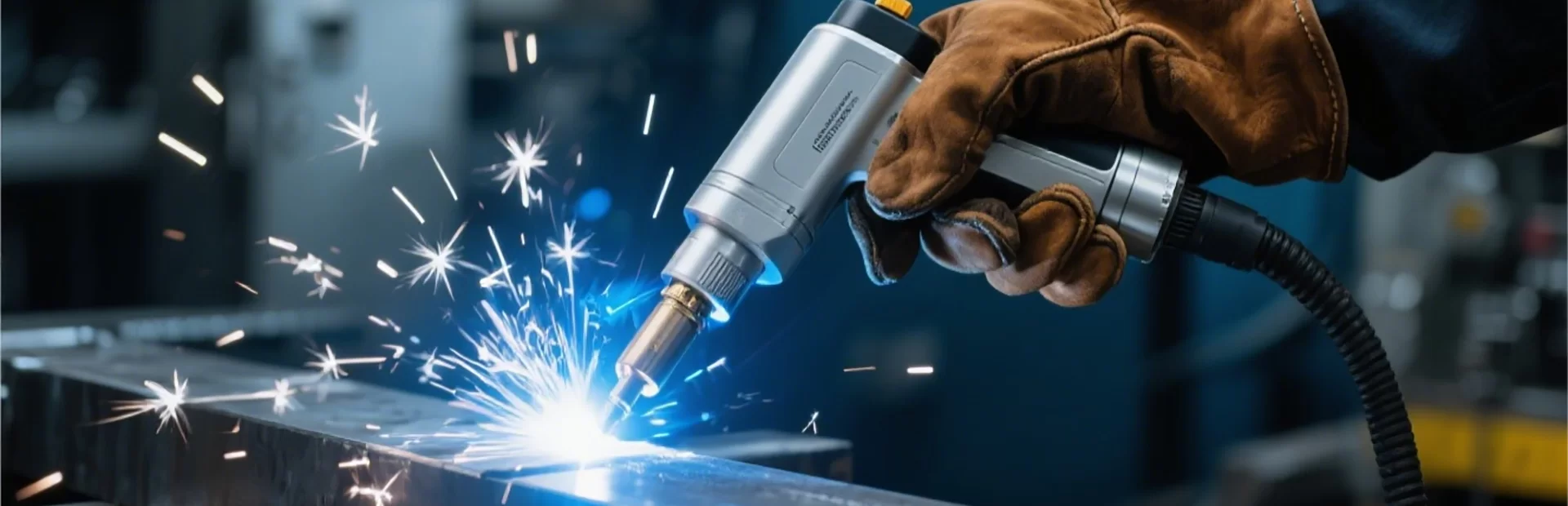
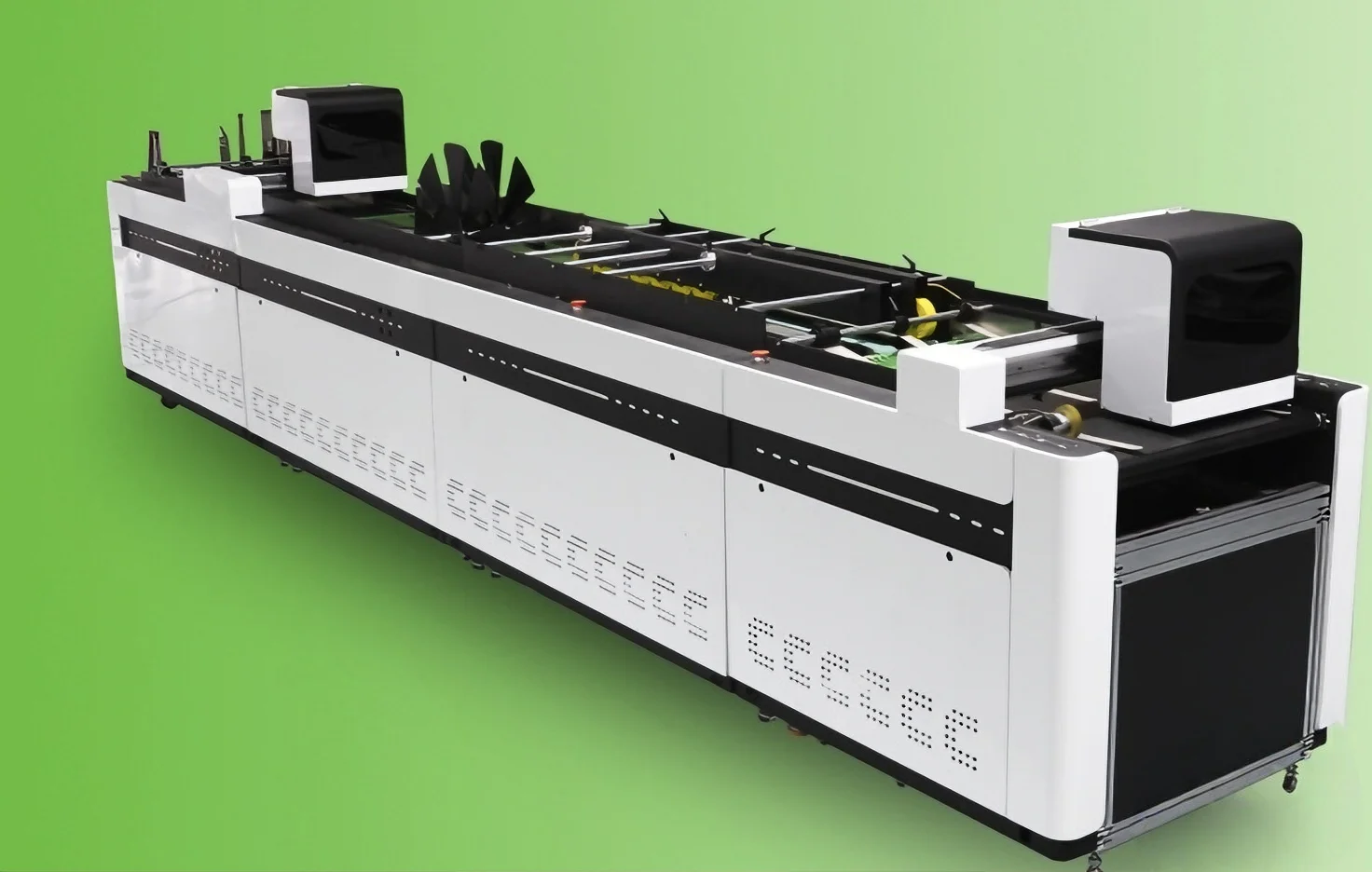
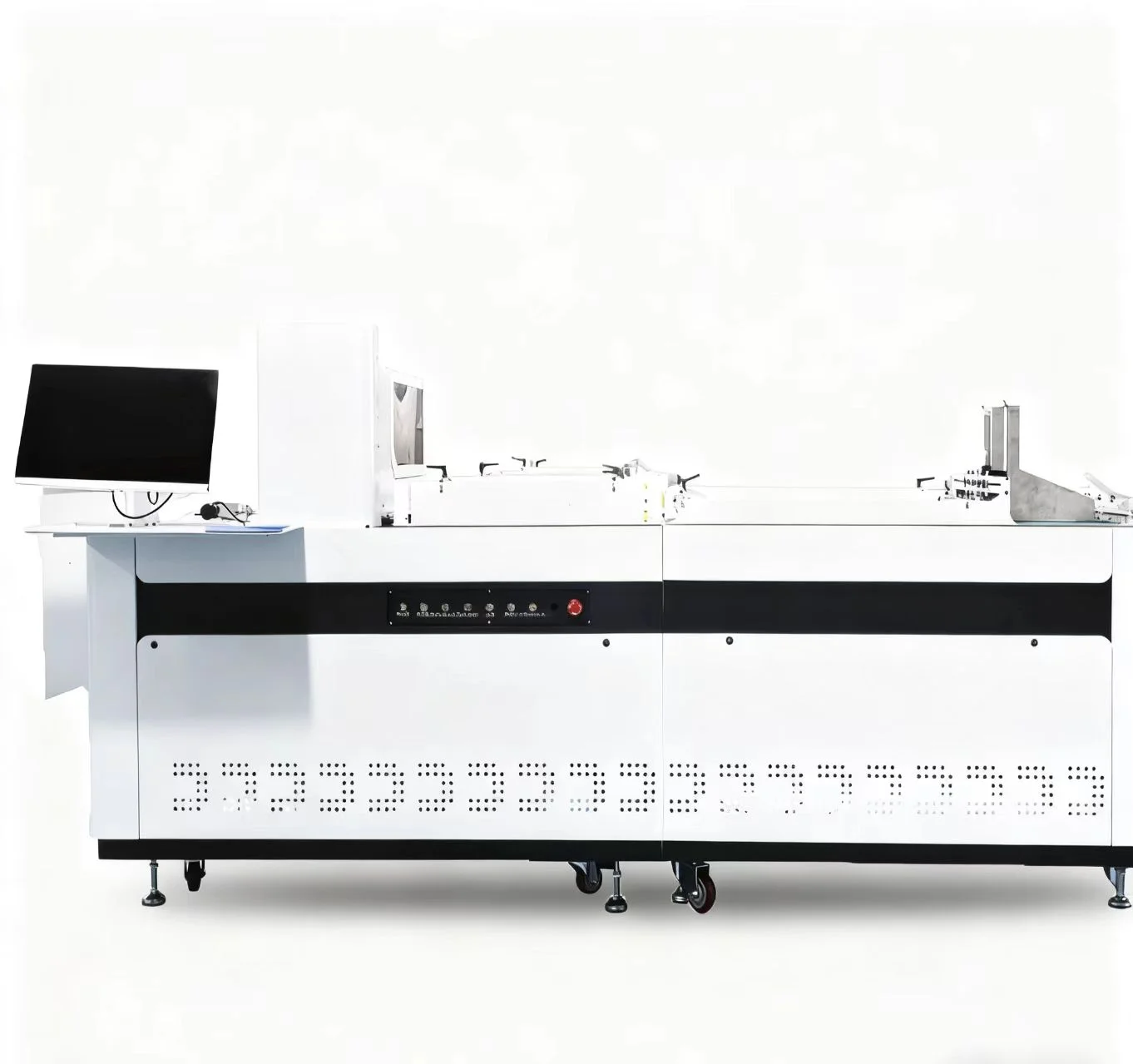
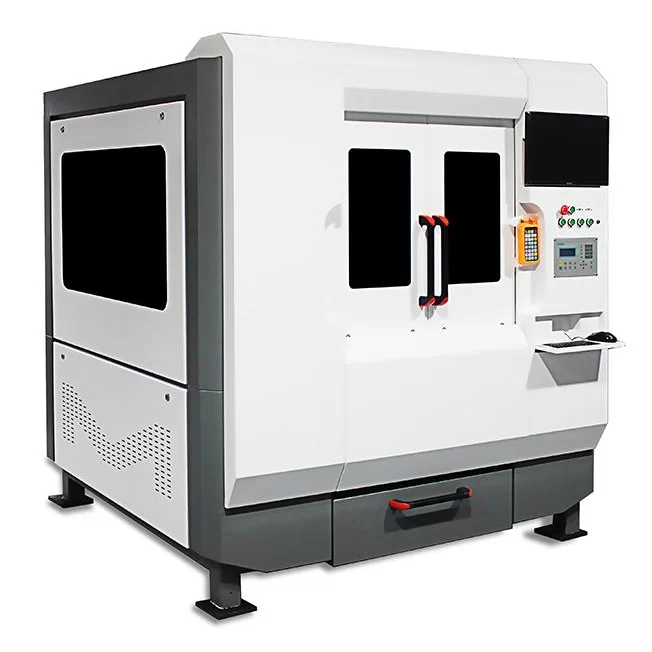
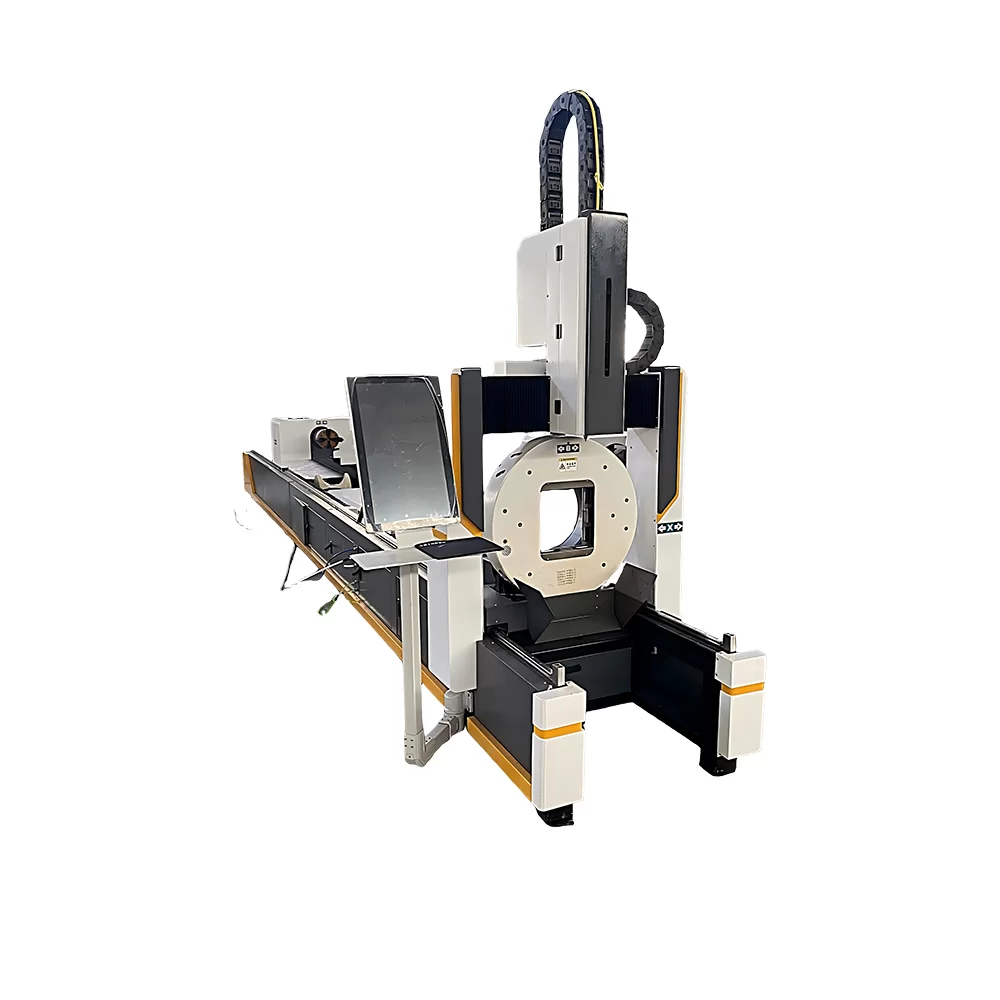
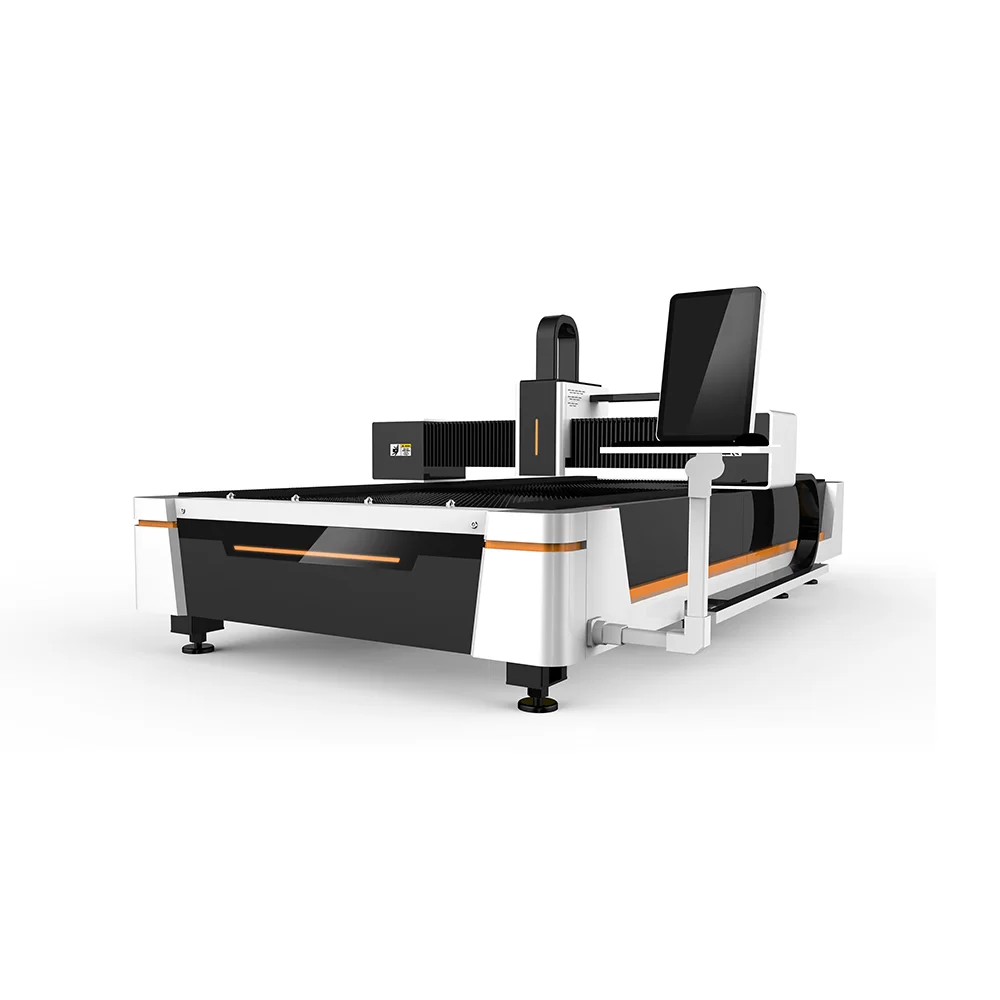
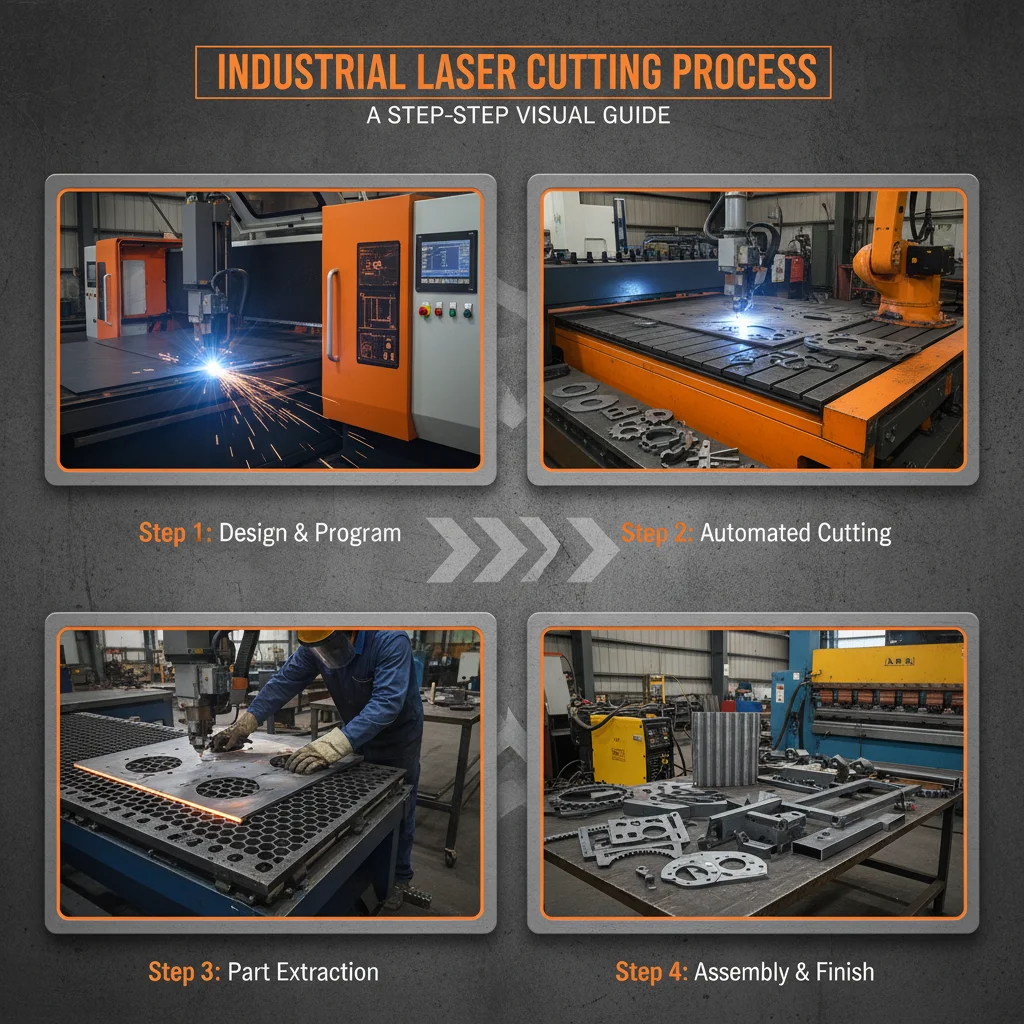
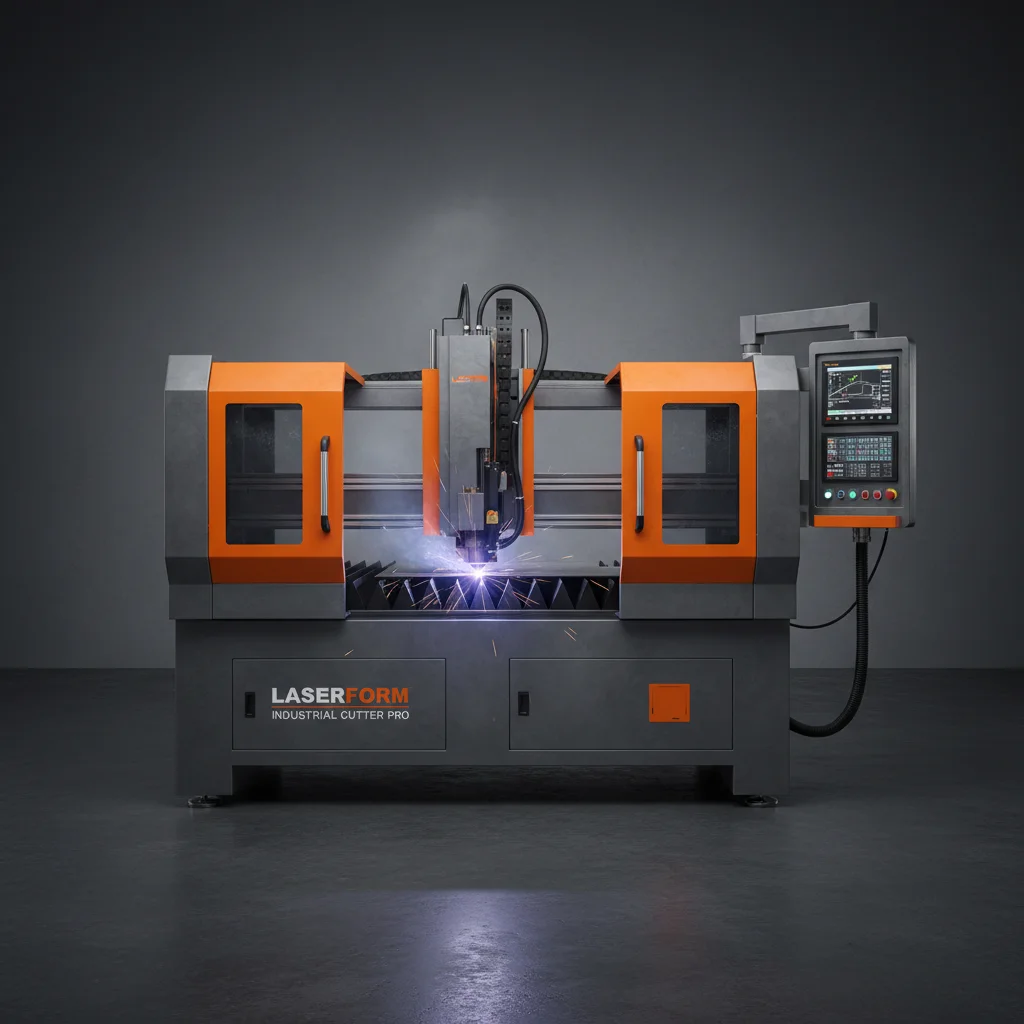
Investing in a sheet metal laser cutter is a significant step for any fabrication business. This technology dramatically increases efficiency, precision, and the types of projects you can undertake. Finding the right machine, however, requires careful consideration. This article will provide a detailed overview of factors to consider when purchasing a sheet metal laser cutter for sale, including types of lasers, important specifications, and why Topstar Laser is a trusted partner for high-quality machines. Choosing the right laser cutter can significantly impact your bottom line and competitive advantage.
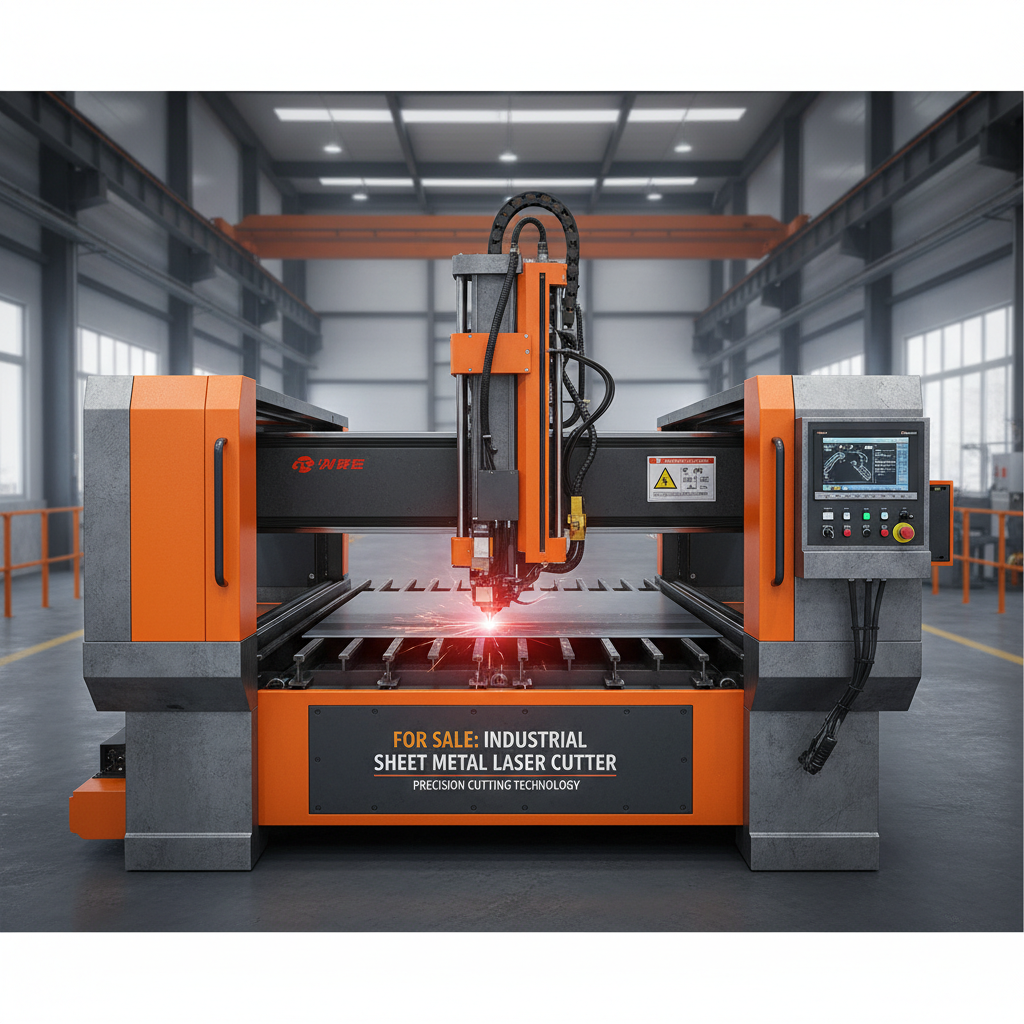
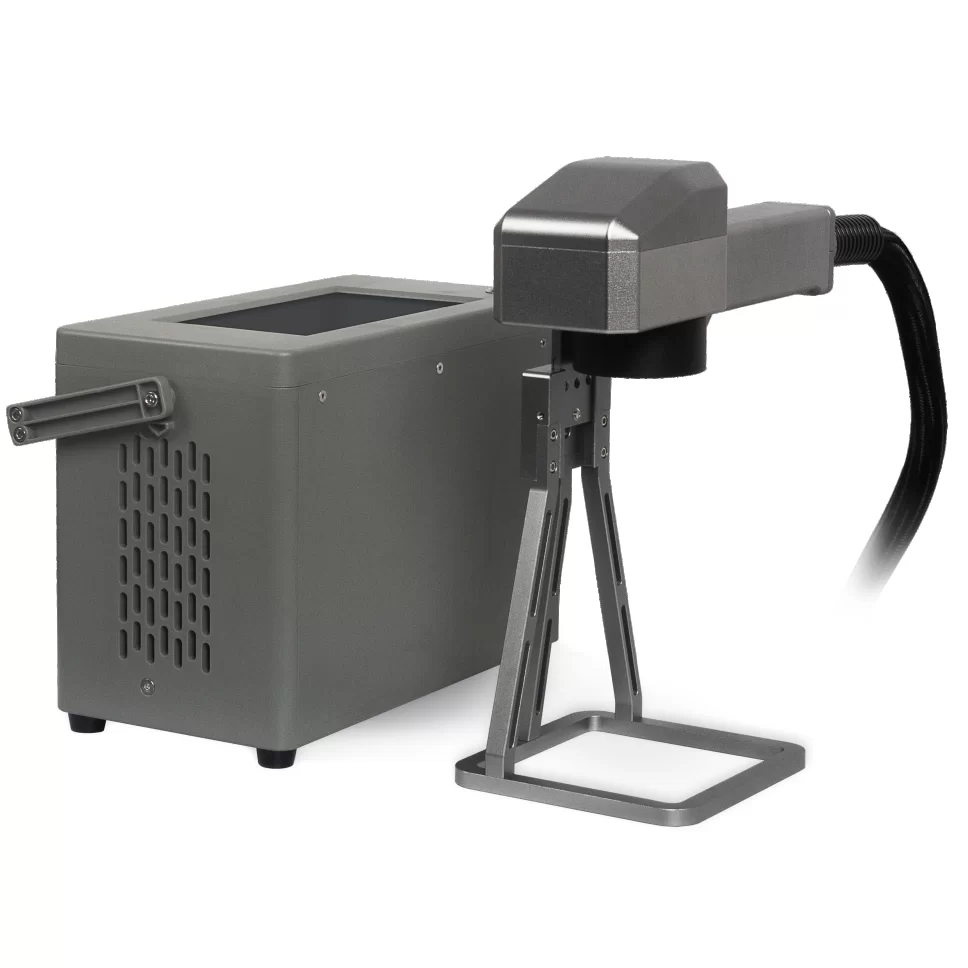
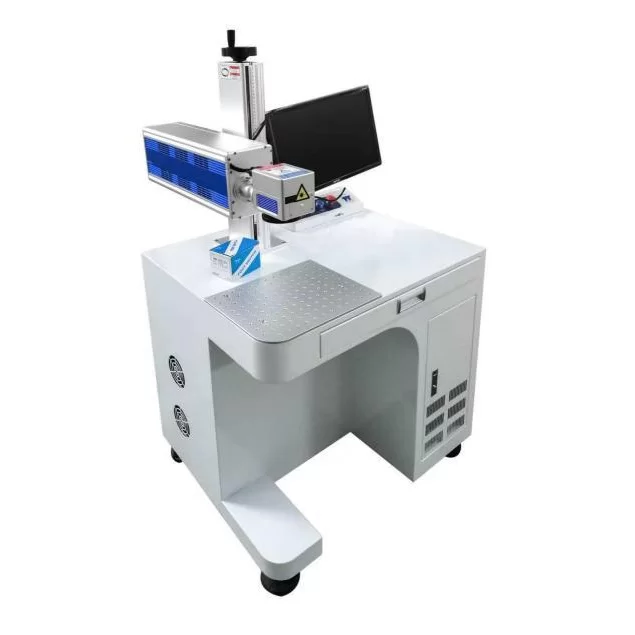
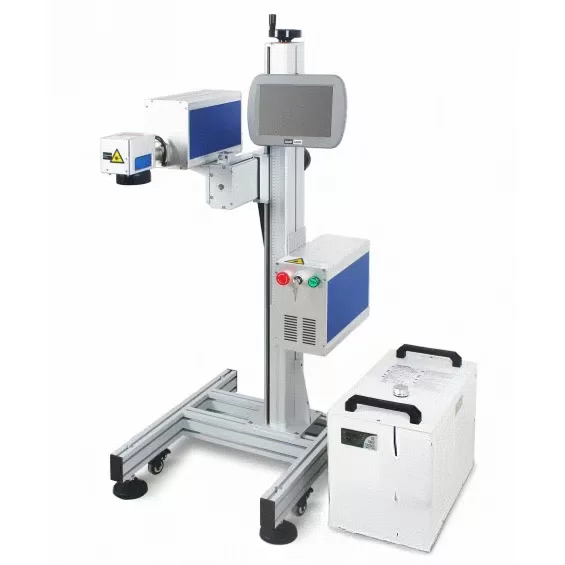
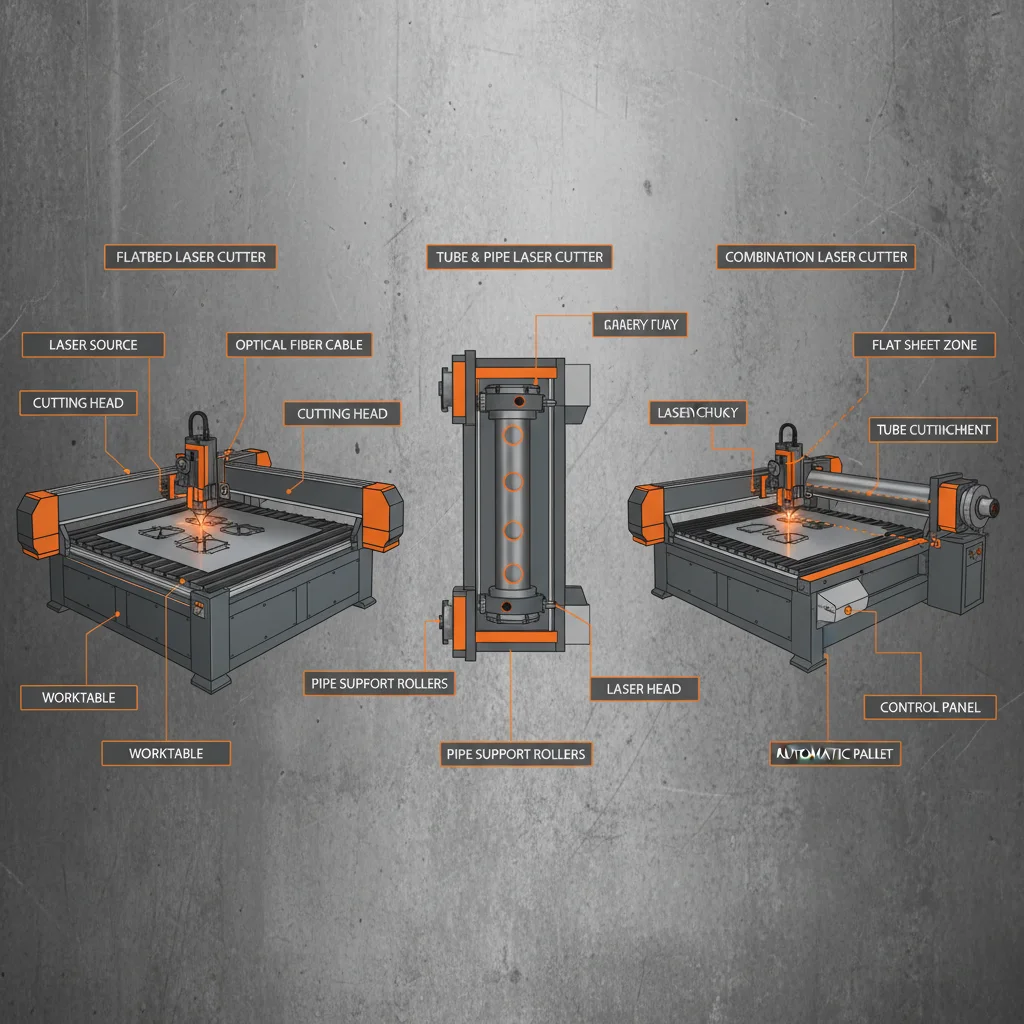
There are several types of laser cutters available, each with its own strengths and weaknesses. The most common types for sheet metal fabrication are CO2 laser cutters, fiber laser cutters, and Nd:YAG laser cutters. Fiber laser cutters are rapidly becoming the industry standard due to their higher speed, efficiency, and ability to cut reflective metals like aluminum and copper. CO2 lasers are versatile and cost-effective for many materials, but struggle with these reflective materials. Nd:YAG lasers are used for precision applications and engraving. The best choice depends on the materials you will be cutting, the required precision, and your budget. Topstar Laser offers a range of both fiber and CO2 laser cutters to suit diverse needs.
Key Takeaway: Fiber laser cutters generally offer the best performance for sheet metal, particularly for cutting a wide range of materials, including aluminum, steel, and stainless steel.
Several key specifications determine a laser cutter's performance and suitability for your applications. These include the laser power (measured in watts), the working area (the maximum sheet size it can handle), the cutting speed, and the positioning system. Higher laser power allows for cutting thicker materials. The working area should be large enough to accommodate your most common sheet sizes. Cutting speed impacts your production throughput. Finally, the positioning system—often using servo motors or linear motors—affects precision and accuracy. Consider these specifications carefully to ensure the machine meets your production demands.
Essential Specifications:
• Laser Power: Determines material thickness capability.
• Working Area: Maximum sheet size capacity.
• Cutting Speed: Impacts production output.
• Positioning System: Affects accuracy and precision.
Choosing between a fiber and CO2 laser cutter is a crucial decision. Fiber lasers excel at cutting reflective metals, offer faster cutting speeds, and consume less energy. However, they generally have a higher initial cost. CO2 lasers are more affordable and versatile for a wider range of non-metallic materials, but their performance on reflective metals is limited. Here's a comparative table to help you evaluate your options:
Topstar Laser is a leading provider of high-quality sheet metal laser cutters. We offer a wide range of machines to suit various budgets and requirements, backed by excellent customer support and service. Our machines are known for their reliability, precision, and efficiency, helping our clients improve their productivity and profitability. We offer customized solutions and comprehensive training to ensure a smooth integration into your workflow. Our commitment to innovation and quality makes us a trusted partner for businesses worldwide.
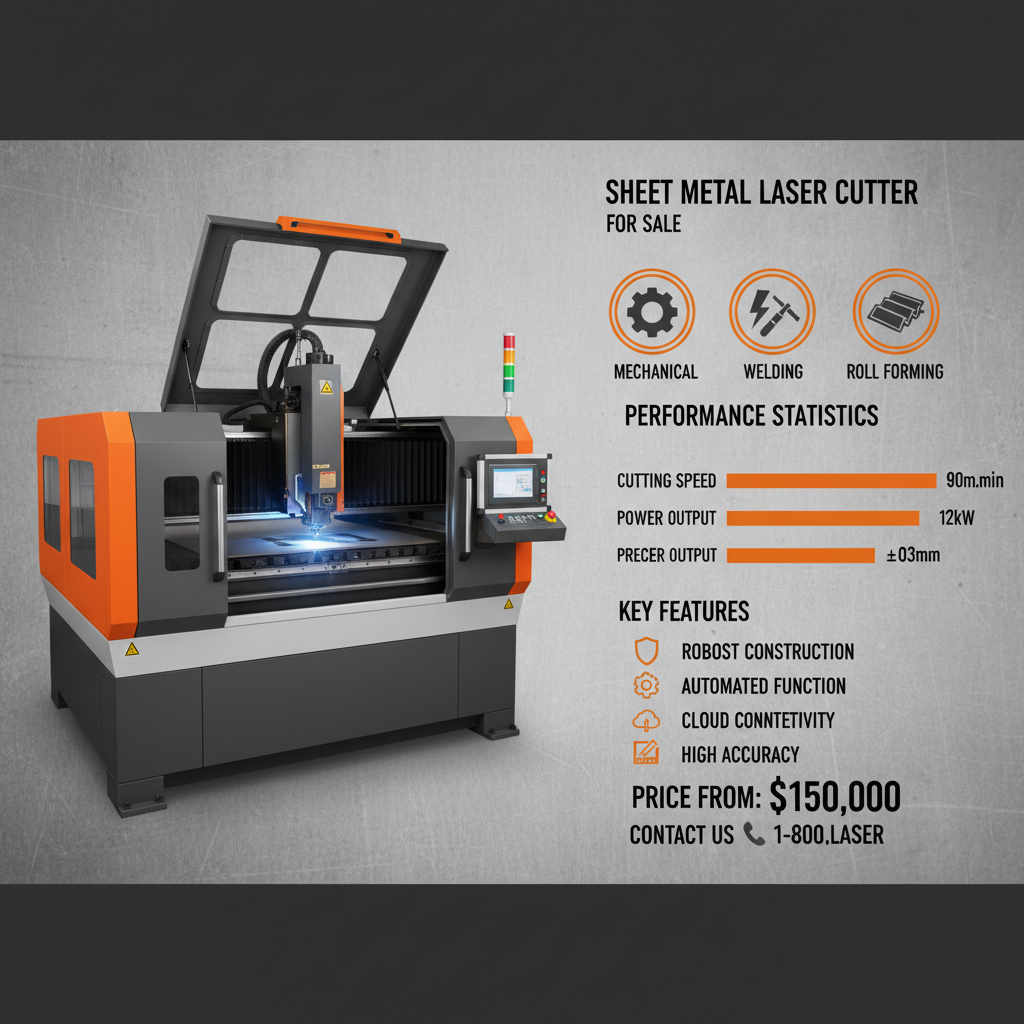
Here's a detailed look at the specifications for one of our popular models, the Topstar Laser 1530 Fiber:
Choosing the right sheet metal laser cutter for sale is a critical investment in your business's future. Topstar Laser provides the technology, support, and expertise to help you succeed. Contact us today to discuss your specific needs and find the perfect laser cutting solution.
The power consumption of a fiber laser cutter varies depending on its power output and usage. Generally, a 1kW fiber laser cutter consumes around 8-12 kW of electricity. However, newer models are designed to be more energy-efficient. Compared to CO2 lasers, fiber lasers typically have lower overall energy consumption, leading to reduced operating costs. Choosing an energy-efficient machine can significantly impact your long-term profitability.
Regular maintenance is crucial for ensuring optimal performance and longevity. This includes cleaning the optics (lens and nozzles), inspecting and cleaning the beam path, checking the cooling system, and lubricating moving parts. Fiber laser cutters generally require less maintenance than CO2 lasers. Topstar Laser offers comprehensive maintenance packages and support to help you keep your machine running smoothly.
Safety is paramount when operating a laser cutter. Always wear appropriate eye protection (laser safety glasses) to prevent eye damage. Ensure the machine is properly enclosed and interlocked to prevent accidental exposure to the laser beam. Proper ventilation is essential to remove fumes and particulate matter generated during cutting. Train all operators on safe operating procedures and emergency shutdown procedures. Follow all manufacturer's safety guidelines.
Yes, a sheet metal laser cutter can cut varying thicknesses of metal, but the maximum thickness depends on the laser power and the type of metal. Higher power lasers can cut thicker materials. For example, a 1kW fiber laser might cut up to 6mm mild steel, while a 6kW laser can handle up to 25mm. Adjusting the cutting parameters (power, speed, focus) is crucial for achieving optimal results with different materials and thicknesses.