Shijiazhuang Topstar
International Trading Co., Ltd.


Get In Touch
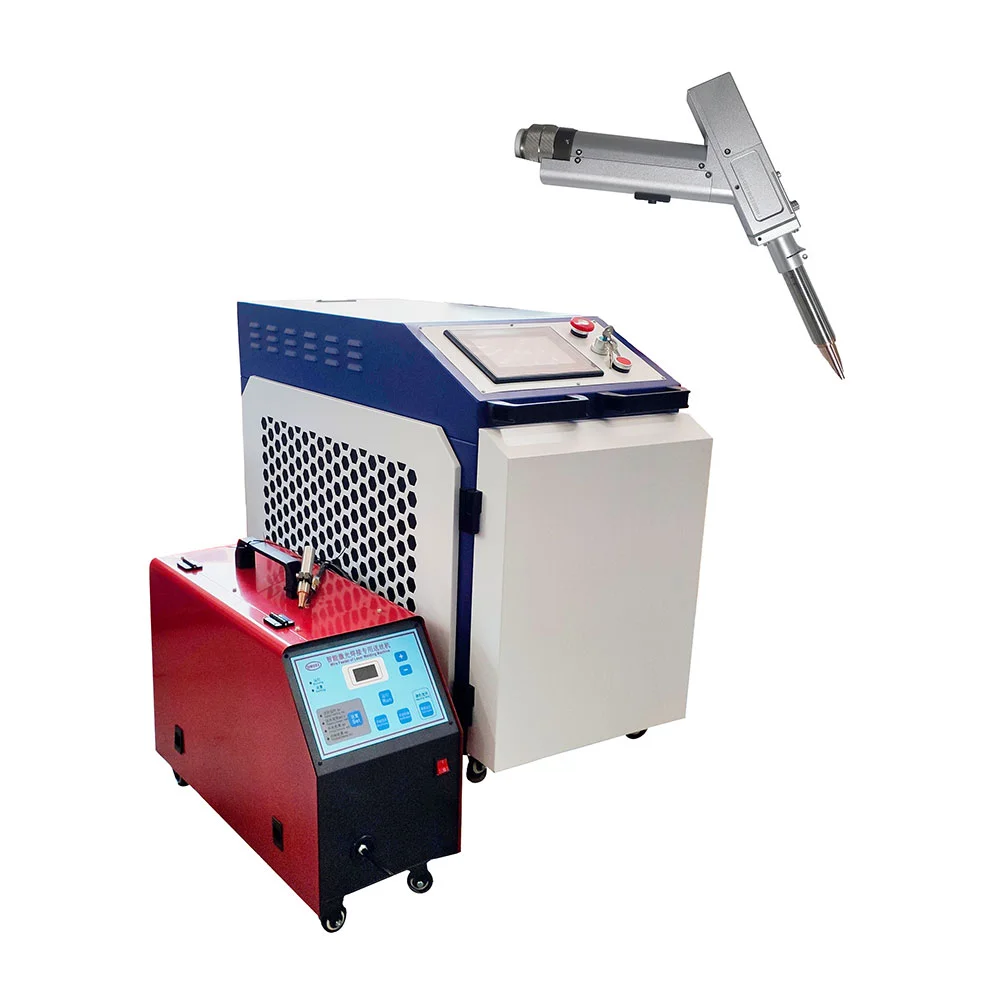
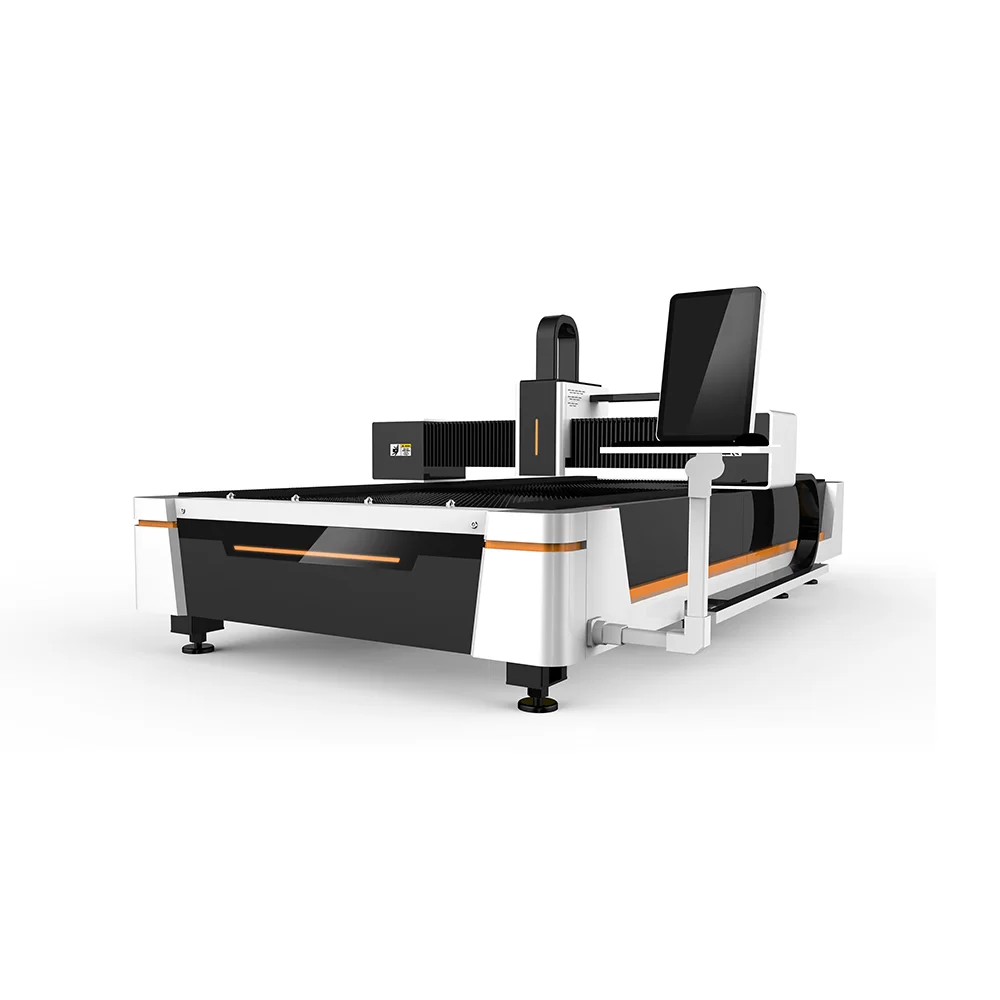
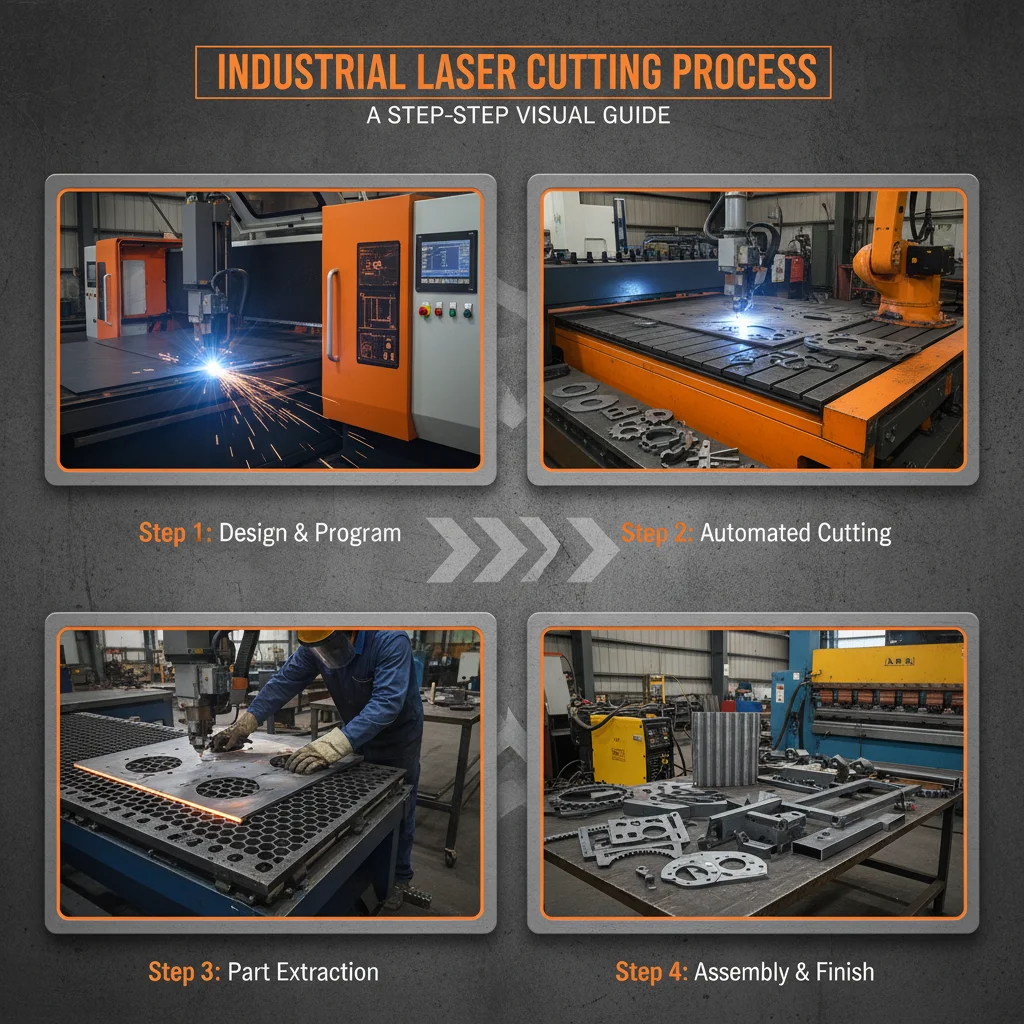
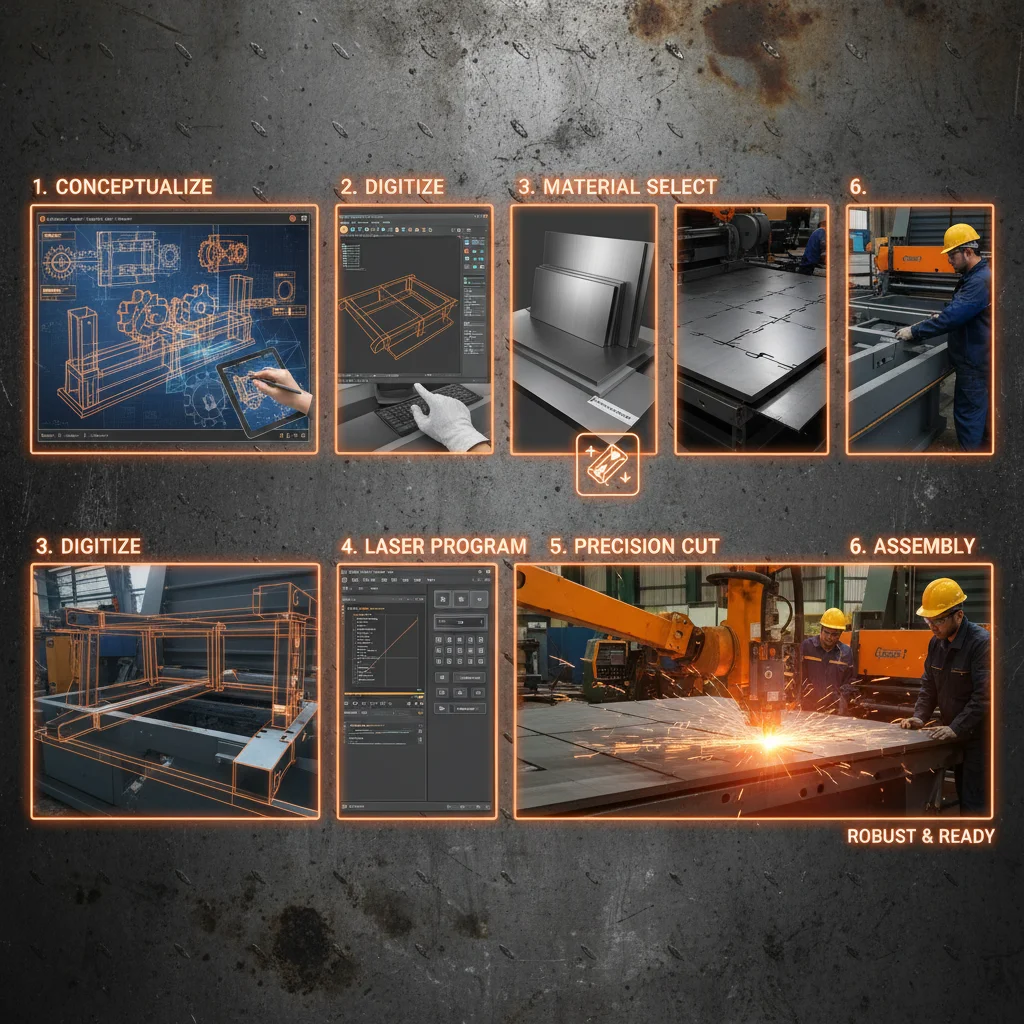
Laser cutting machines have revolutionized manufacturing, offering precision, speed, and versatility. From intricate designs to bulk production, understanding laser cutting machine use is crucial for businesses aiming to optimize their processes and deliver high-quality products. This article will explore the diverse applications, benefits, material compatibility, and considerations for incorporating this technology into your workflow. We’ll cover everything from choosing the right machine to maximizing its potential for profitability.
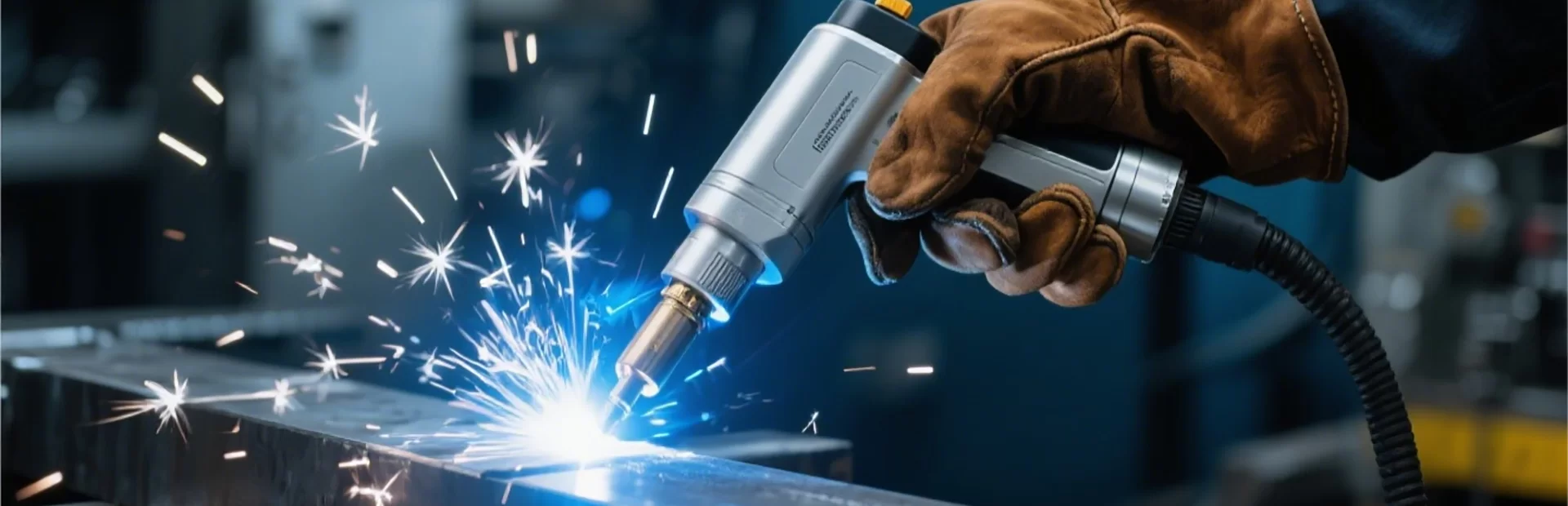
The applications of laser cutting machines are incredibly broad. They are widely utilized in industries such as aerospace, automotive, electronics, medical device manufacturing, and even arts and crafts. Specifically, laser cutting excels at creating precise cuts in materials like steel, stainless steel, aluminum, acrylic, wood, fabrics, and plastics. The technology is used to manufacture parts, prototypes, signage, jewelry, and decorative items. Furthermore, laser cutting can be combined with laser engraving to add markings, serial numbers, and logos to products. The ability to rapidly prototype and produce complex geometries makes it invaluable for product development.
Key Highlights: Laser cutting machines are used for manufacturing parts, creating prototypes, signage, jewelry, and adding engravings.
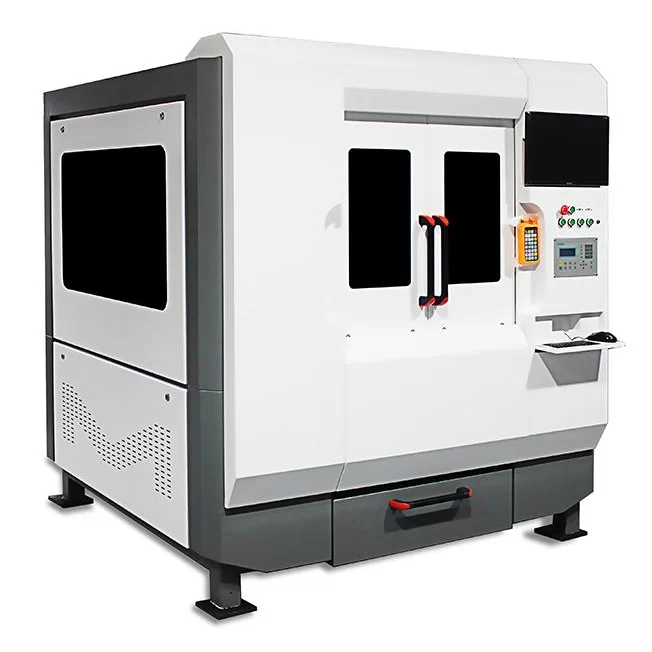
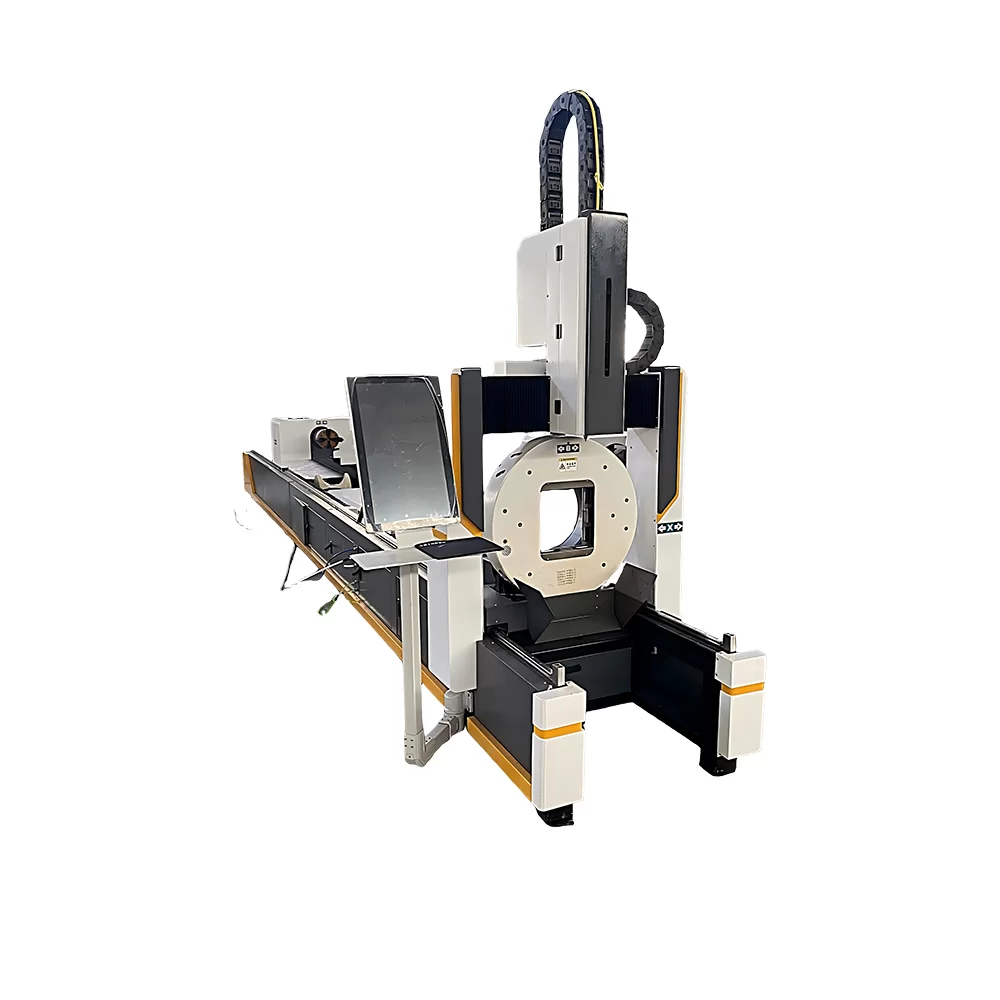
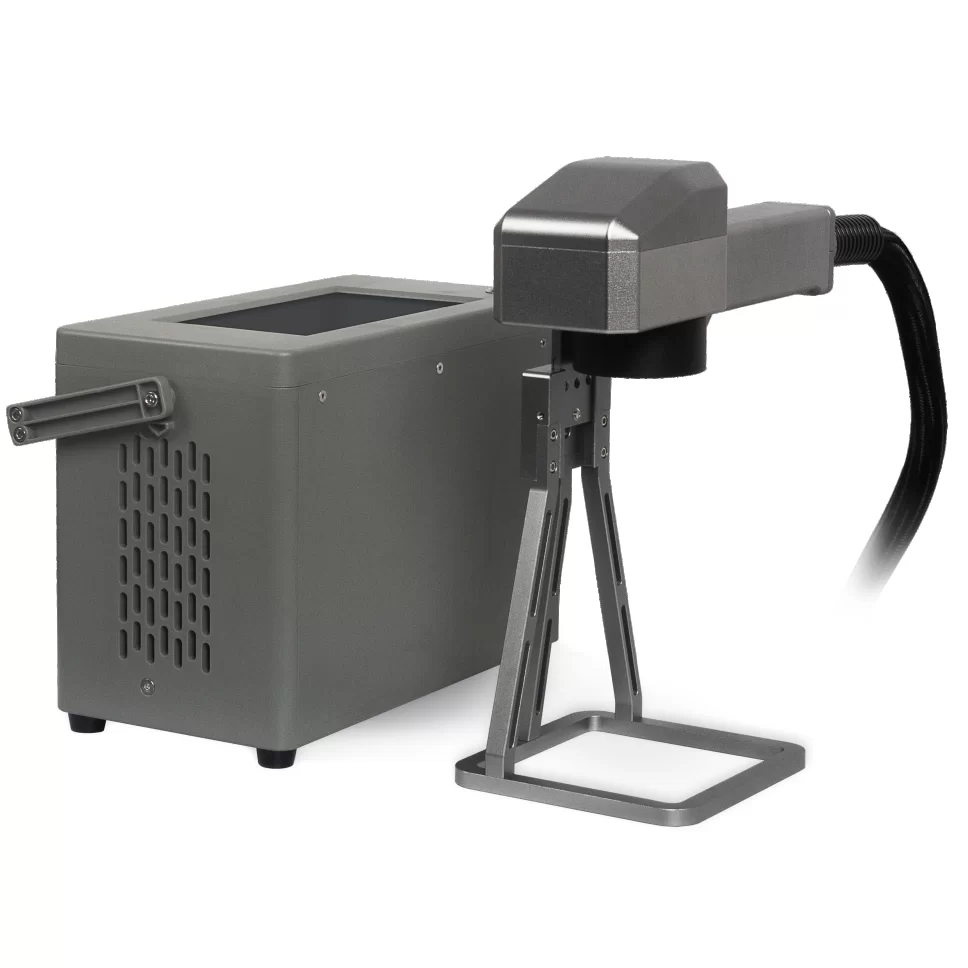
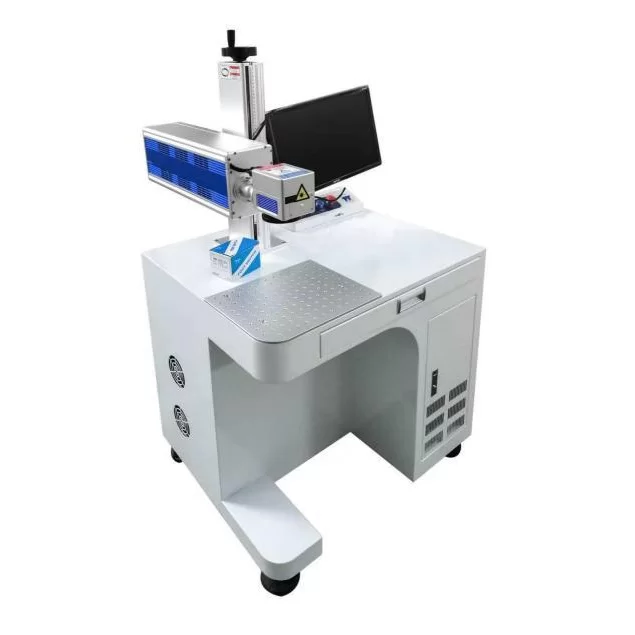
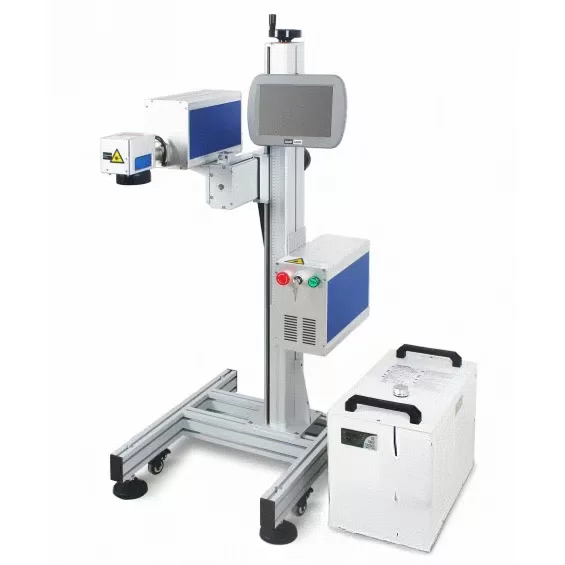
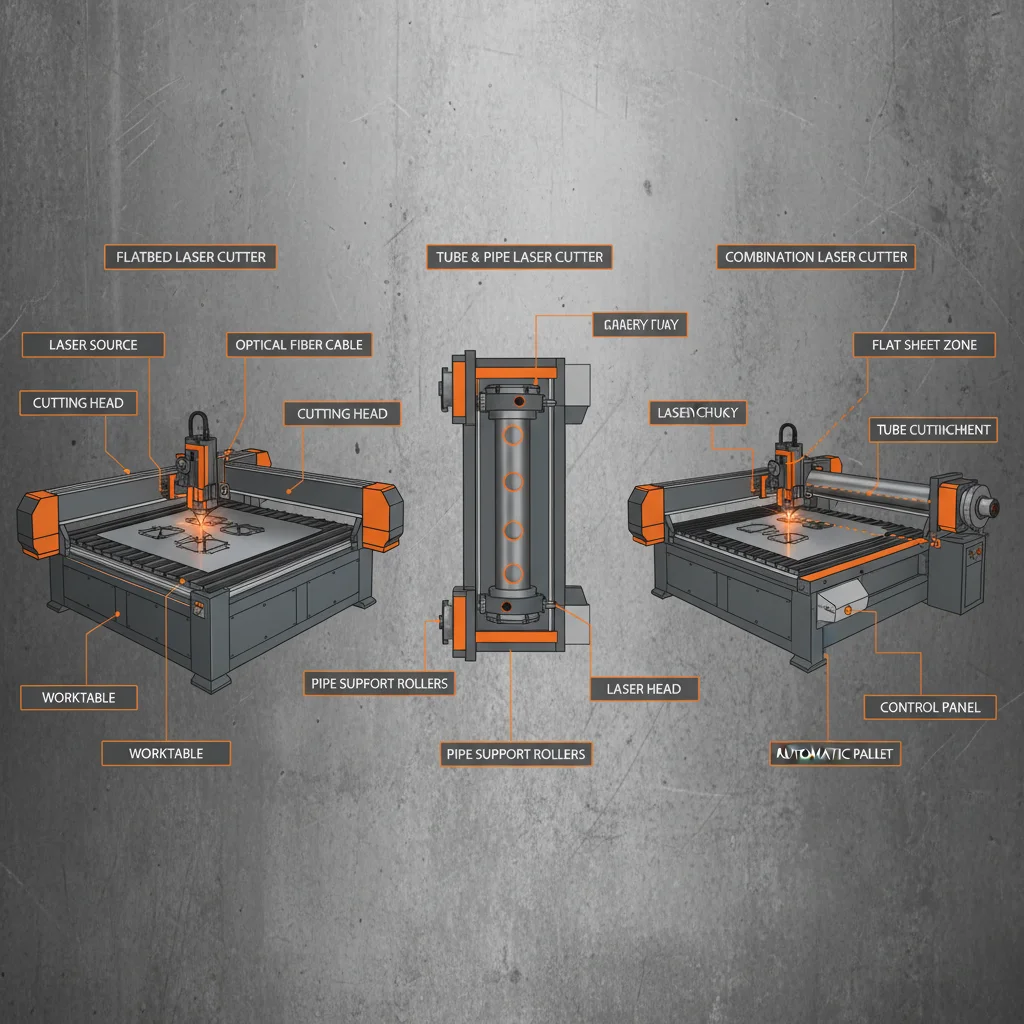
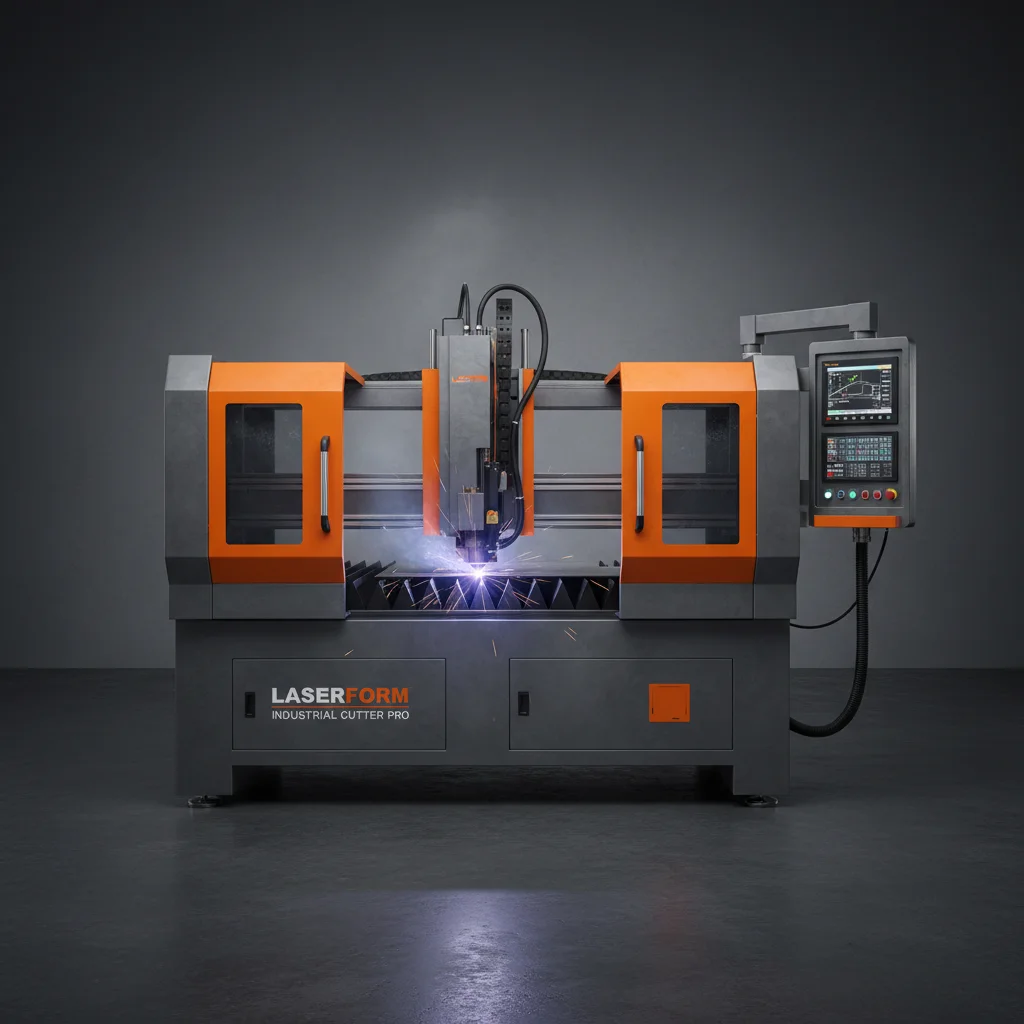
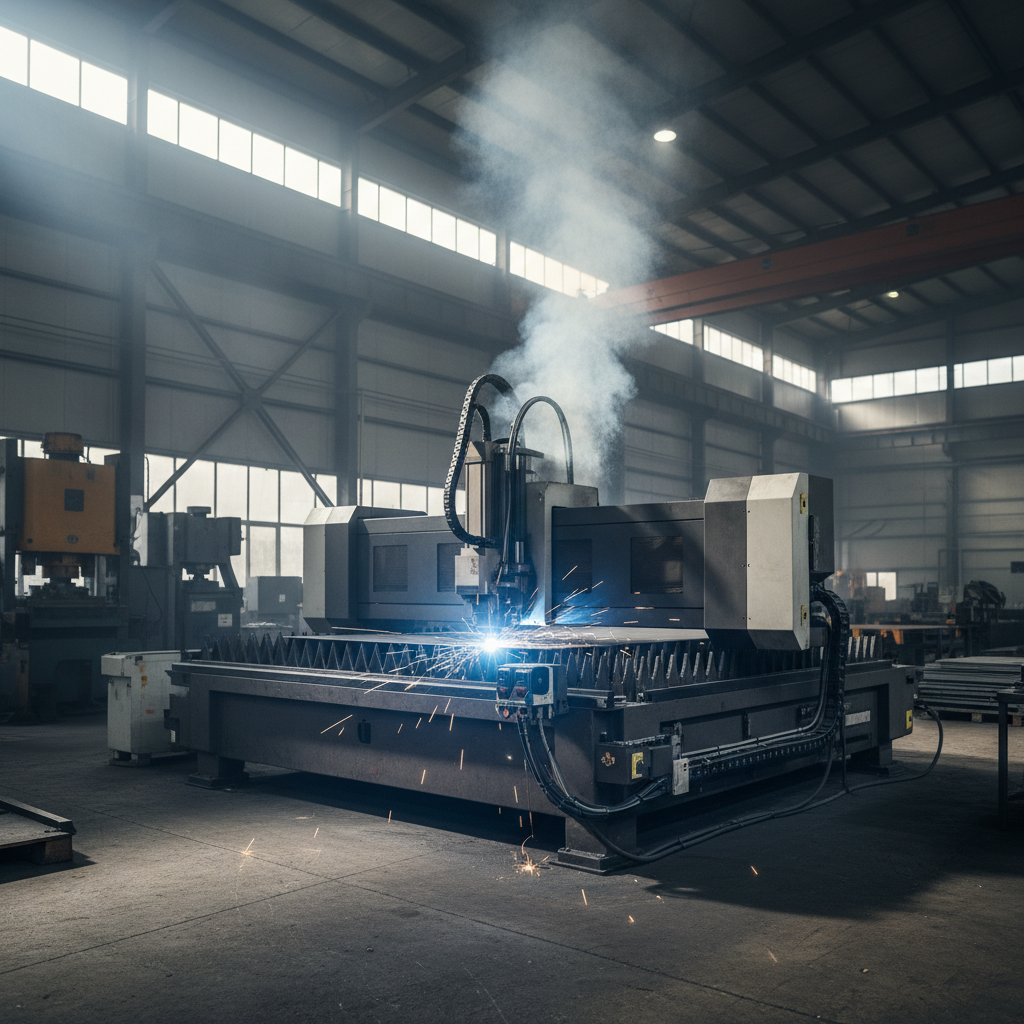
There are several types of laser cutting machines, each utilizing a different laser source. CO2 lasers are commonly used for cutting non-metals like acrylic and wood, while fiber lasers are ideal for metals. The laser beam vaporizes, burns, or melts the material, leaving a clean edge. The process is controlled by a computer, allowing for intricate designs and repeatable accuracy. Modern machines often incorporate features like automatic material handling, nesting software (optimizing material usage), and sensors for monitoring the cutting process. The power of the laser, the assist gas used, and the cutting speed all contribute to the final result. Choosing the correct parameters for each material is vital for achieving optimal cutting quality and efficiency.
Benefits of Laser Cutting:
• High precision and accuracy
• Minimal material waste
• Fast cutting speeds
• Ability to cut complex designs
Compared to traditional cutting methods like sawing, punching, or waterjet cutting, laser cutting offers several advantages. Sawing can leave rough edges and is slower, especially for intricate designs. Punching is limited to simpler shapes and can create stress fractures in the material. Waterjet cutting, while versatile, is slower and requires water management. Laser cutting provides a cleaner, more precise cut with minimal material distortion. It’s also significantly faster for many applications, increasing production throughput. While the initial investment can be higher, the long-term benefits in terms of efficiency, quality, and material savings often outweigh the cost.
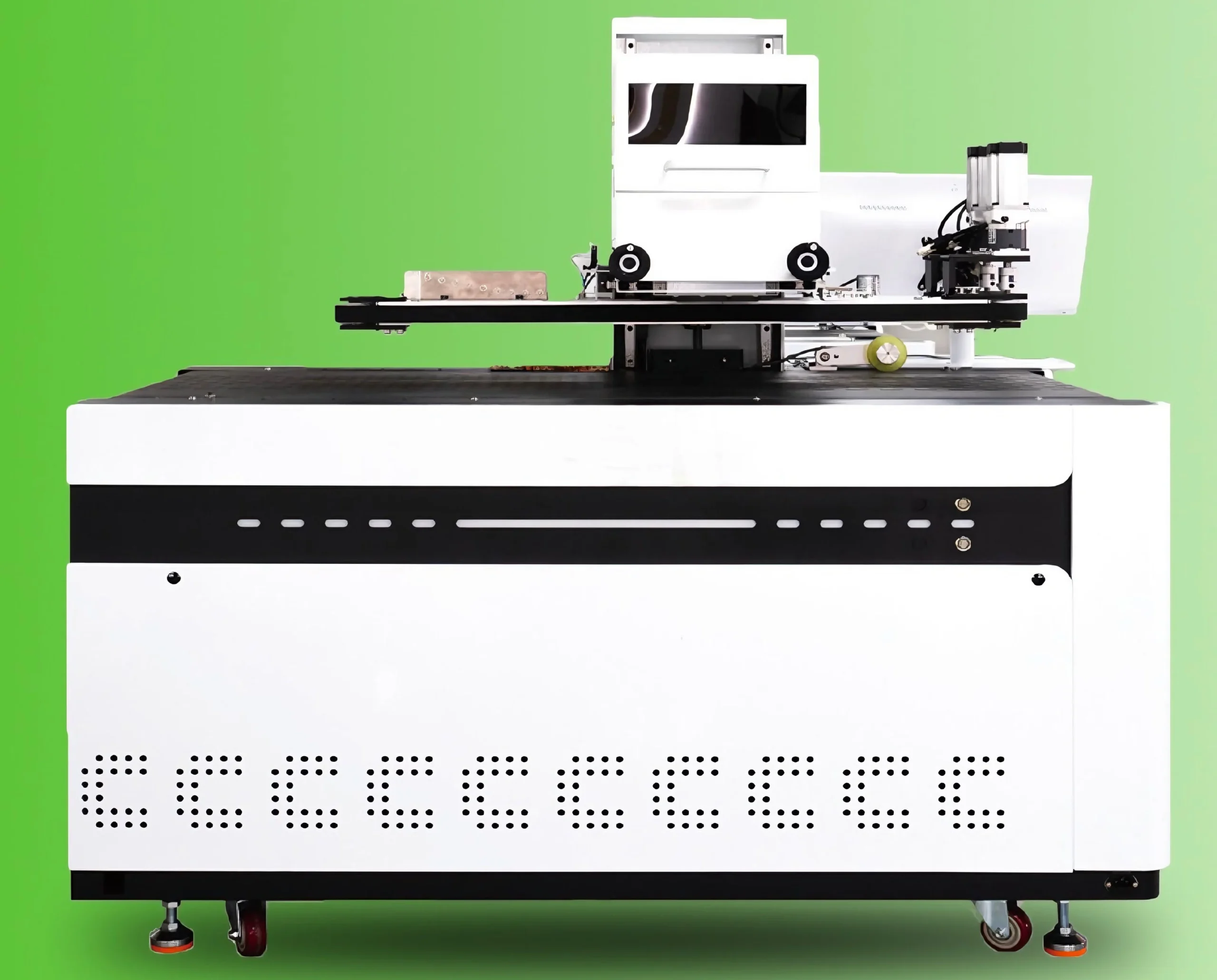
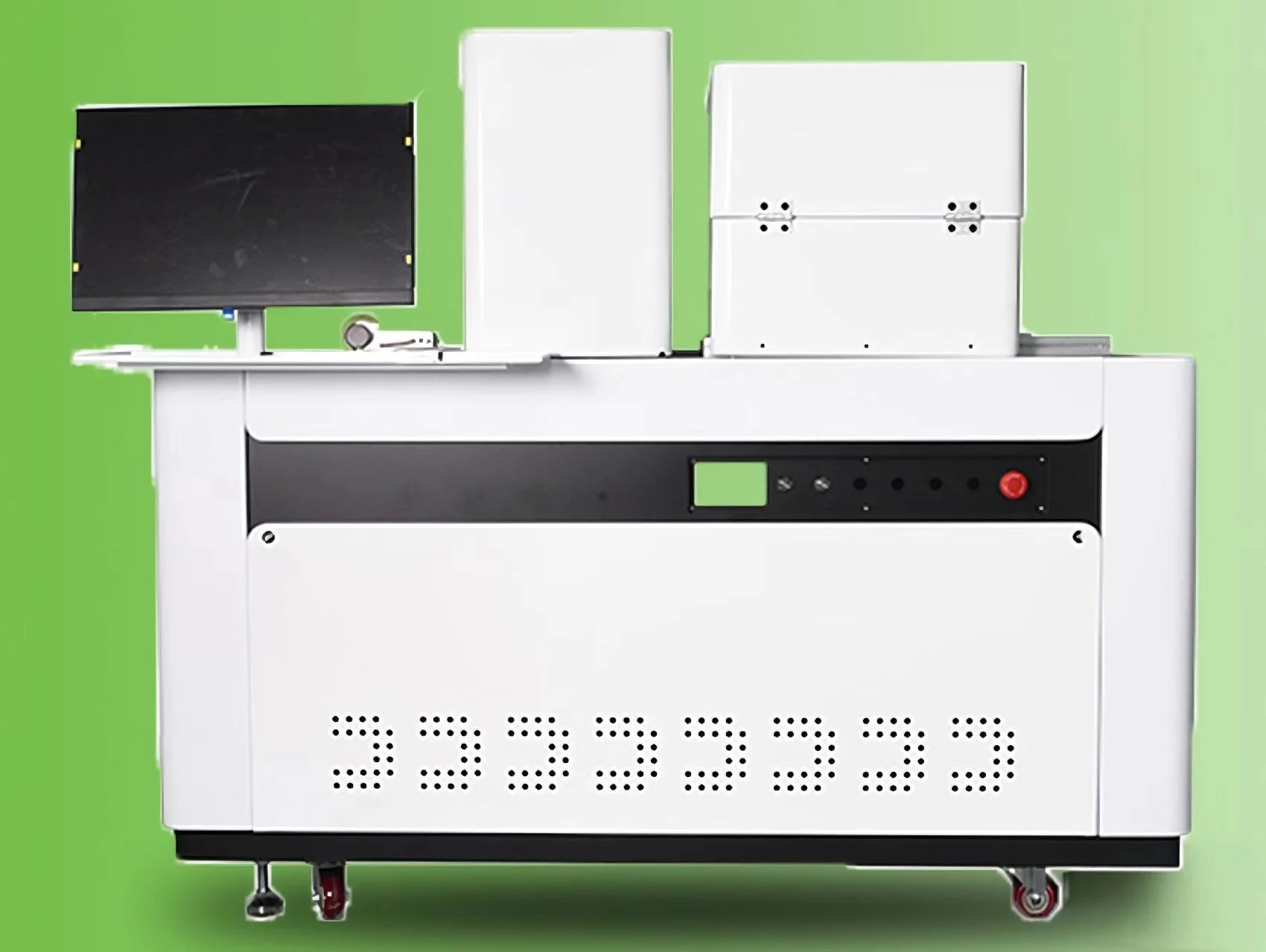
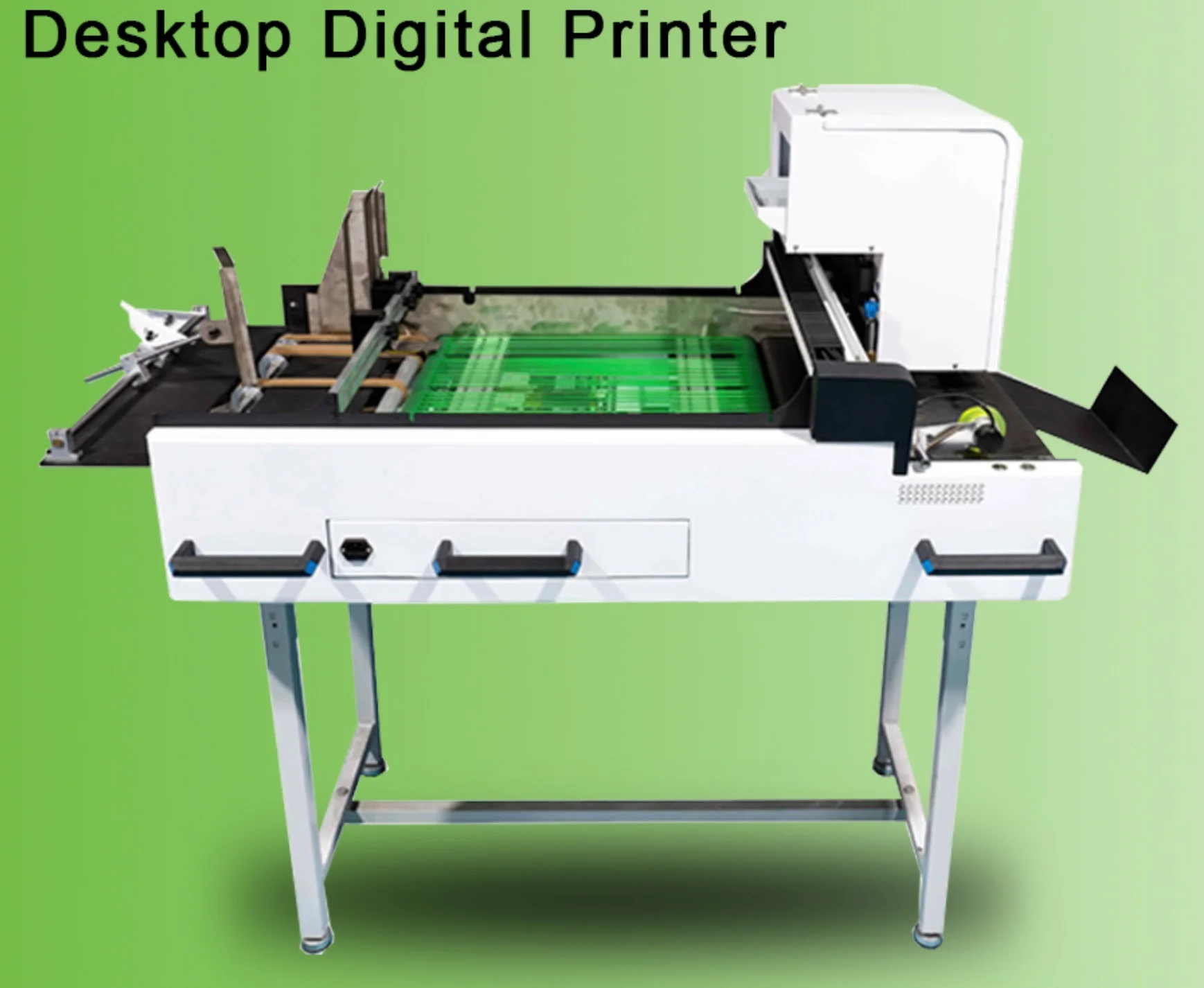
Selecting the appropriate laser cutting machine requires careful consideration of your specific needs. Factors to consider include the types of materials you’ll be cutting, the required cutting thickness, the desired level of precision, and your production volume. The size of the work area is also important. Topstar Laser offers a range of laser cutting machines designed to meet diverse requirements. We provide expert guidance to help you choose the machine that best suits your application and budget. Don't hesitate to consult with our team to discuss your specific needs.
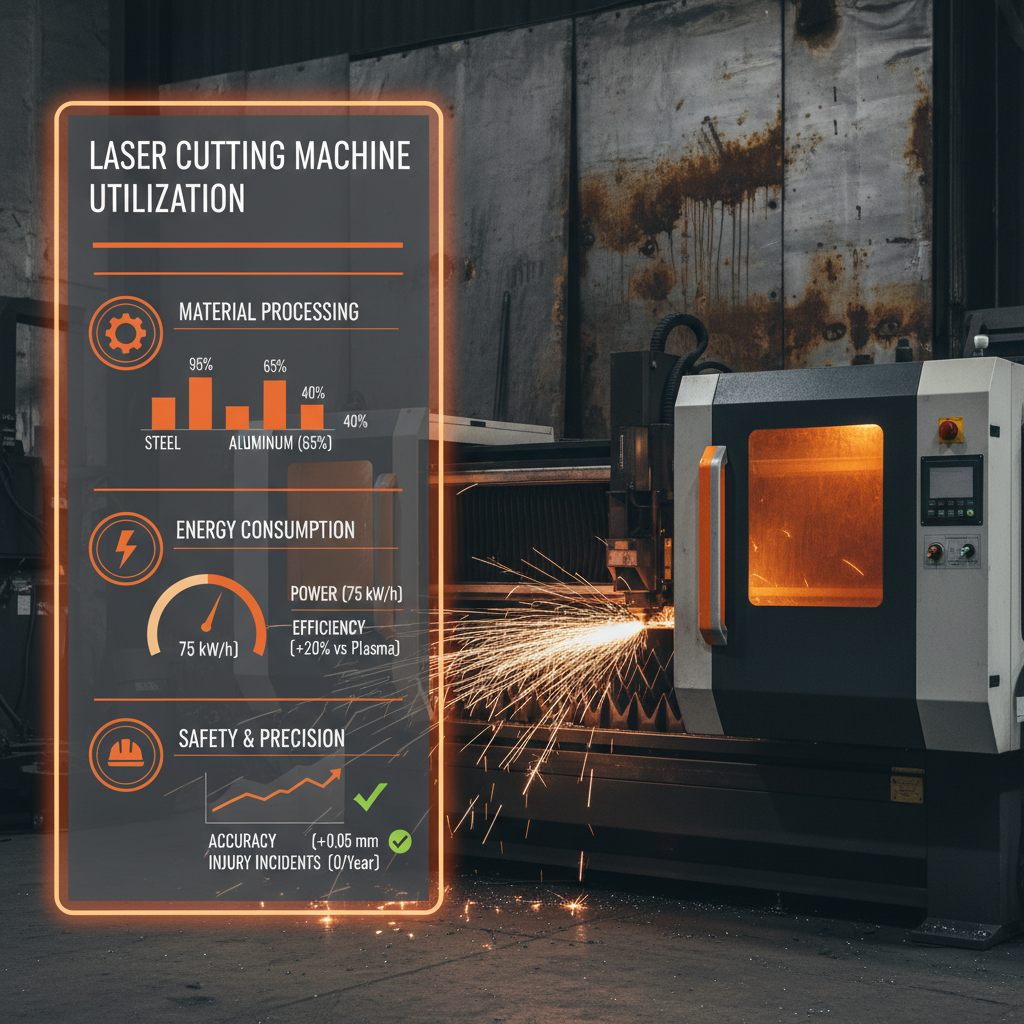
Safety is paramount when operating a laser cutting machine. Always wear appropriate eye protection to shield against the laser beam. Ensure proper ventilation to remove fumes and particulates generated during the cutting process. Regularly maintain the machine, including cleaning lenses and mirrors, to ensure optimal performance and prevent malfunctions. Follow all manufacturer's instructions and safety guidelines. Proper training for operators is essential to ensure safe and efficient operation.
Investing in a laser cutting machine can significantly enhance your manufacturing capabilities. From increased precision and speed to expanded material options and reduced waste, the benefits are substantial. By understanding the technology and choosing the right machine, you can unlock new levels of efficiency and profitability. Contact Topstar Laser today to explore how we can help you transform your business with laser cutting.
Laser cutting machines are incredibly versatile and can process a wide range of materials. Commonly cut materials include metals like steel, stainless steel, aluminum, and brass. Non-metals include acrylic, wood, fabric, paper, and various plastics. The specific materials a machine can cut depend on the laser source (CO2 or fiber) and its power level. Fiber lasers are generally better suited for metals, while CO2 lasers excel at cutting and engraving non-metals. Contacting Topstar Laser can help determine if your specific materials are compatible.
The cost of a laser cutting machine varies significantly based on its power, features, and size. Smaller, entry-level machines can start around $10,000, while industrial-grade machines with advanced capabilities can exceed $100,000. Fiber lasers generally cost more than CO2 lasers. Factors like automation, the type of control system, and the included software also impact the price. Topstar Laser offers a variety of machines to fit different budgets.
Regular maintenance is crucial for ensuring optimal performance and extending the lifespan of your laser cutting machine. This includes cleaning the lenses and mirrors, checking the alignment of the laser beam, inspecting the gas assist system, and lubricating moving parts. The frequency of maintenance depends on usage, but generally, lenses should be cleaned regularly, and a more thorough inspection should be performed every few months.
Several factors influence cutting quality. Ensuring the correct laser settings (power, speed, frequency) for the material being cut is essential. Proper focus is also critical, and regular calibration is recommended. Maintaining clean lenses and mirrors improves beam quality. Additionally, using the correct assist gas and ensuring proper ventilation can prevent contamination and improve the cut edge. Experimenting with different parameters and consulting with experts at Topstar Laser can further optimize your cutting process.