Shijiazhuang Topstar
International Trading Co., Ltd.


Get In Touch
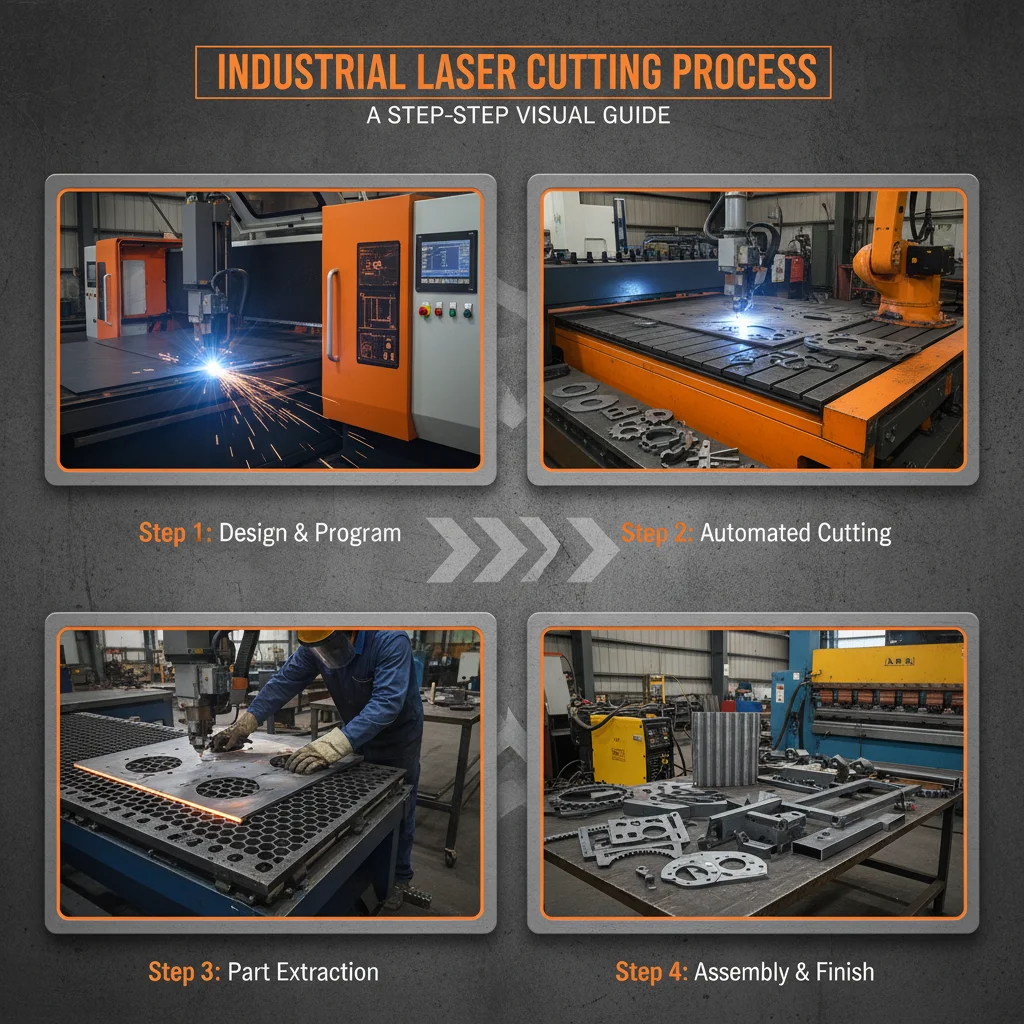
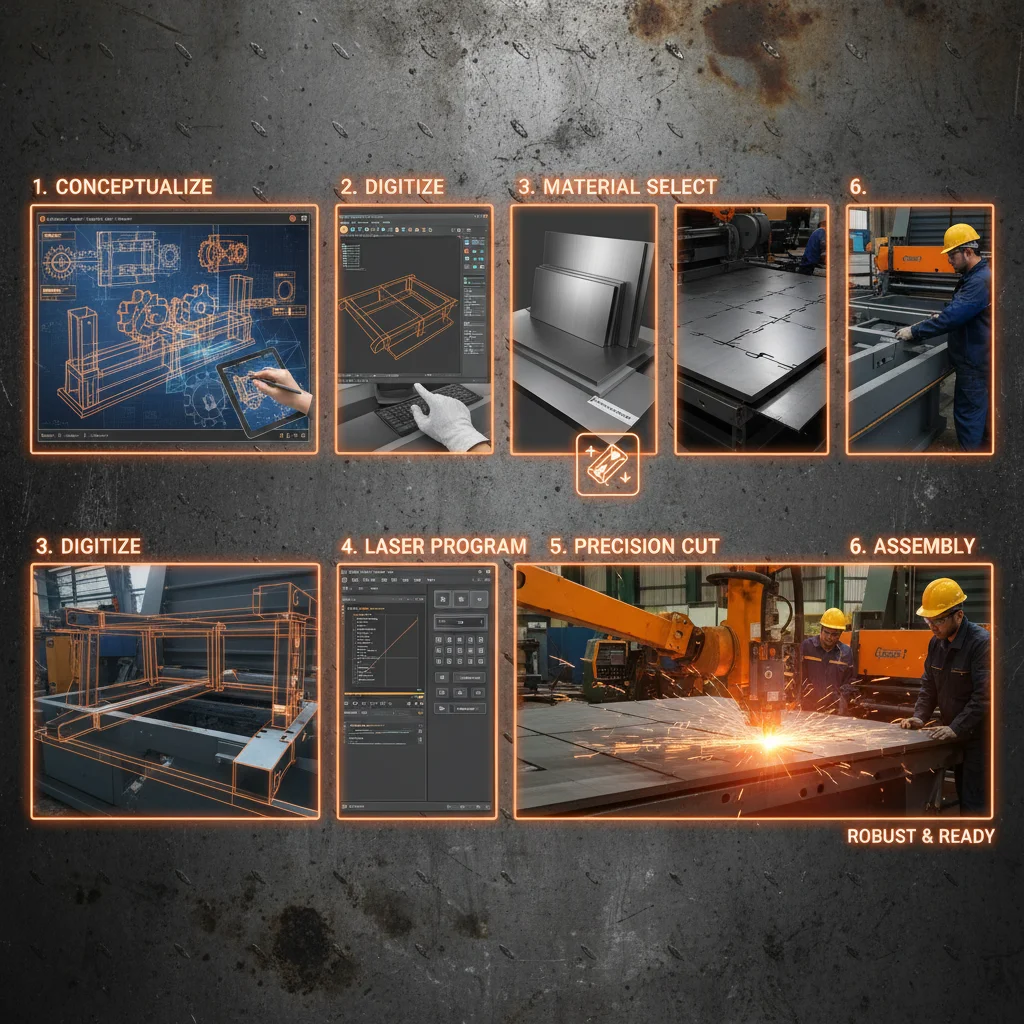
The world of manufacturing is constantly evolving, and laser cutting technology stands at the forefront of precision and efficiency. A well-designed laser cutting machine is critical for achieving optimal results in various industries. This article delves into the key elements of laser cutting machine design, exploring the factors that contribute to performance, precision, and versatility. From the laser source to the motion control system, we'll cover the essential components and design considerations. Understanding these aspects is vital for businesses looking to invest in or optimize their laser cutting capabilities.
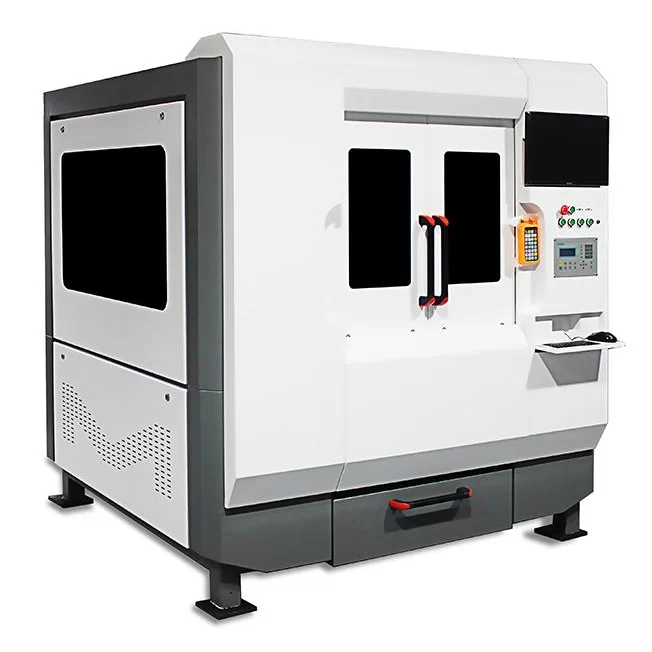
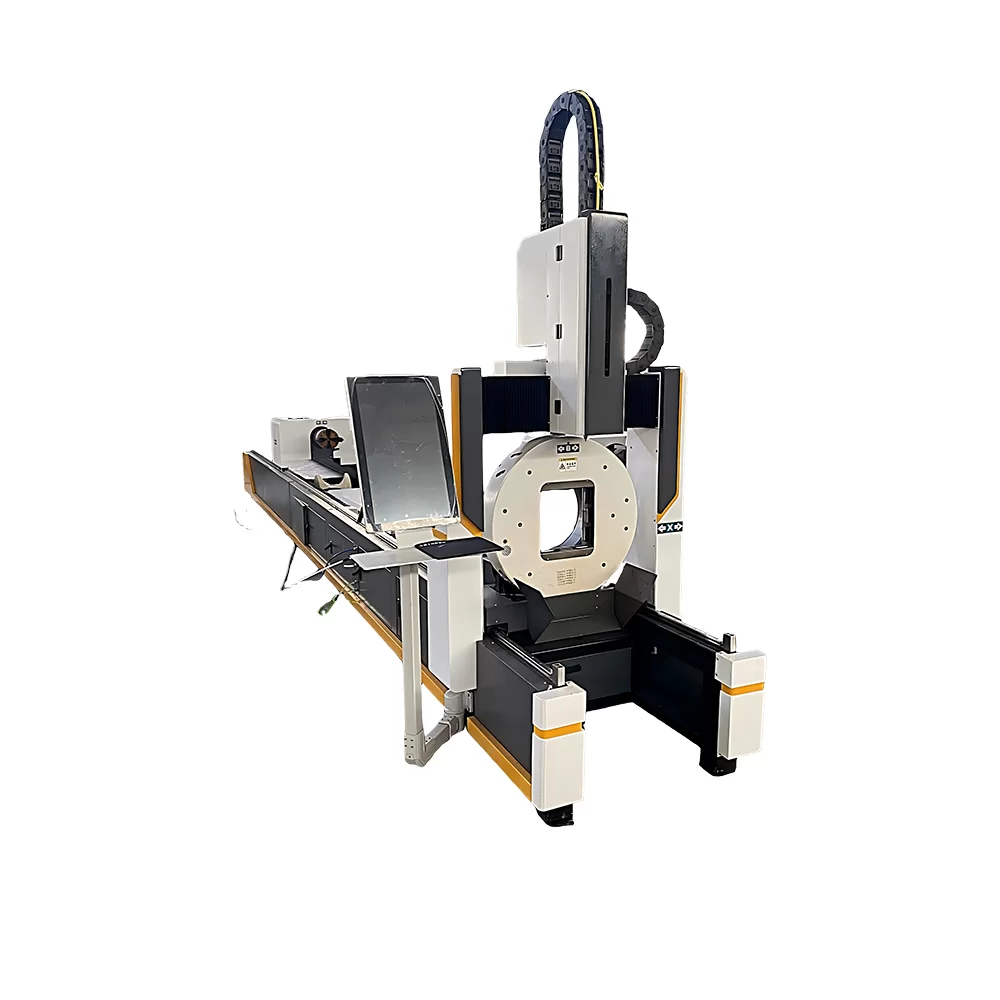
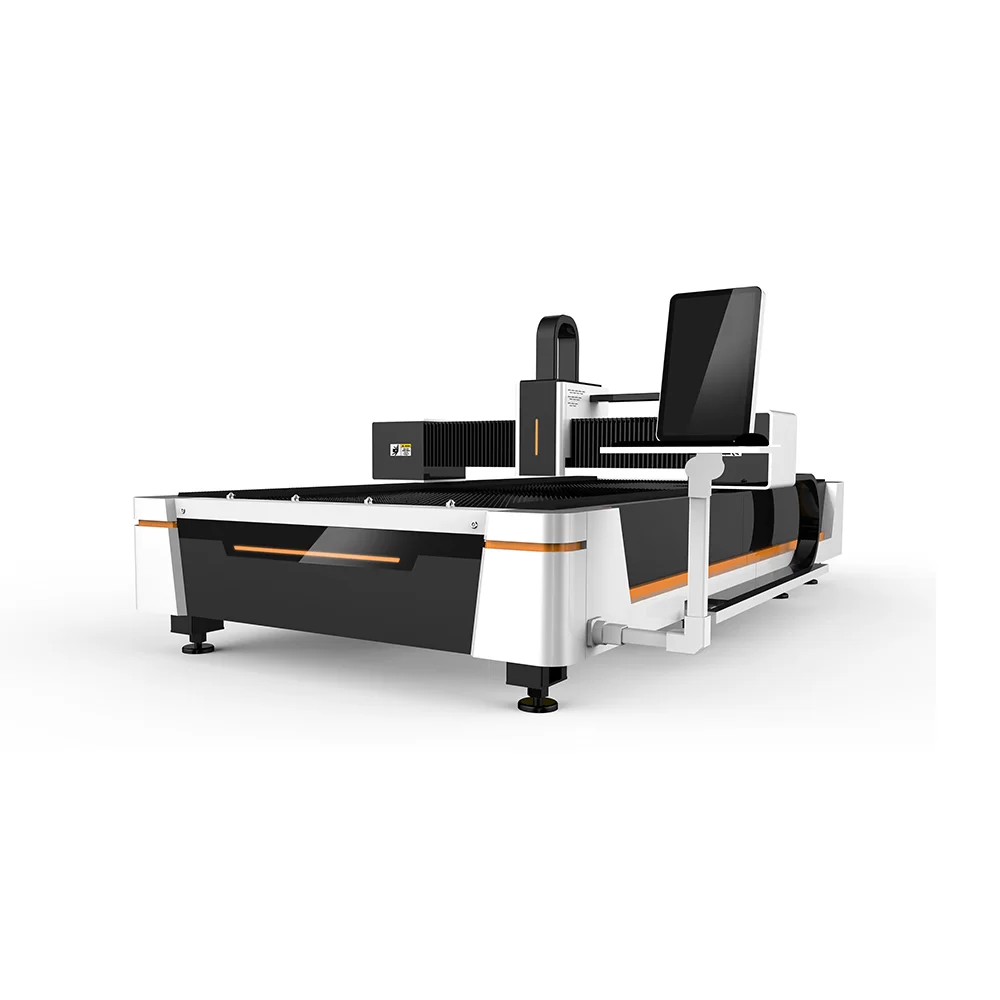
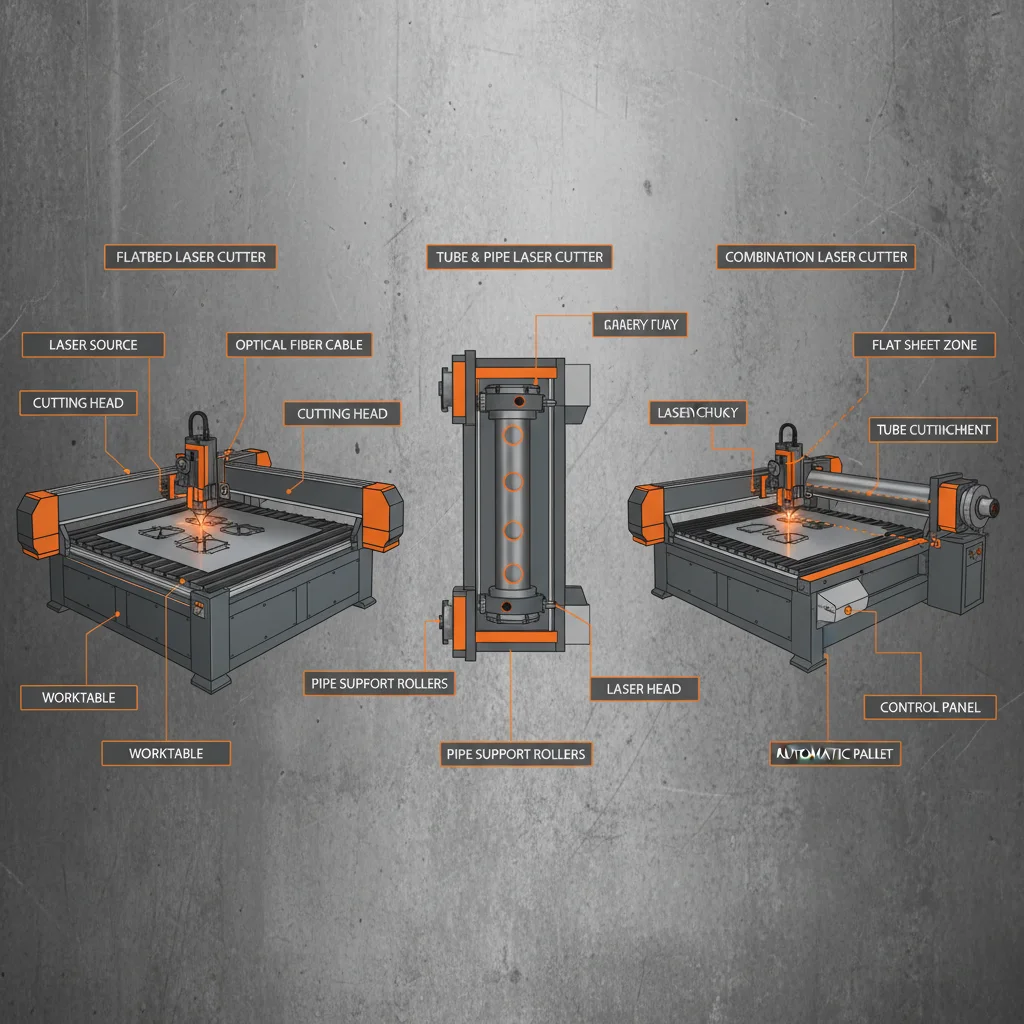
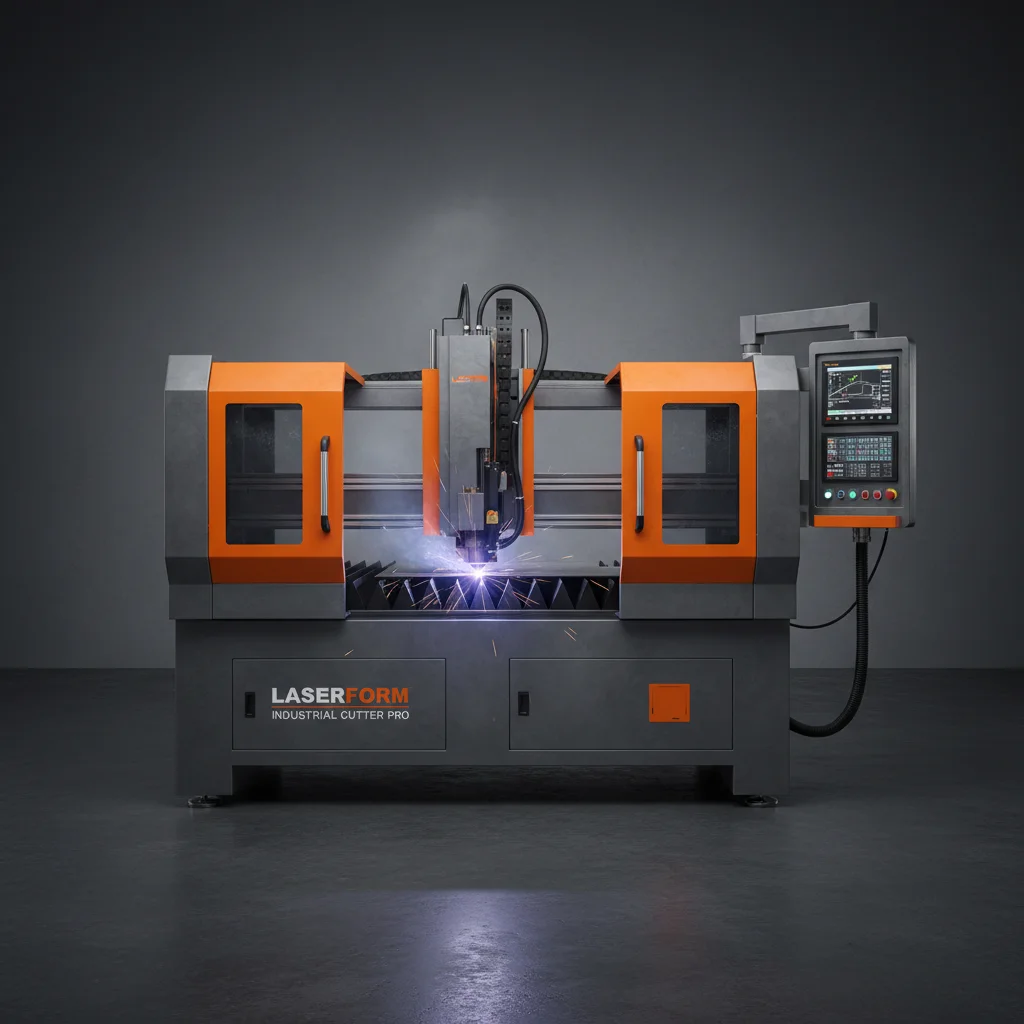
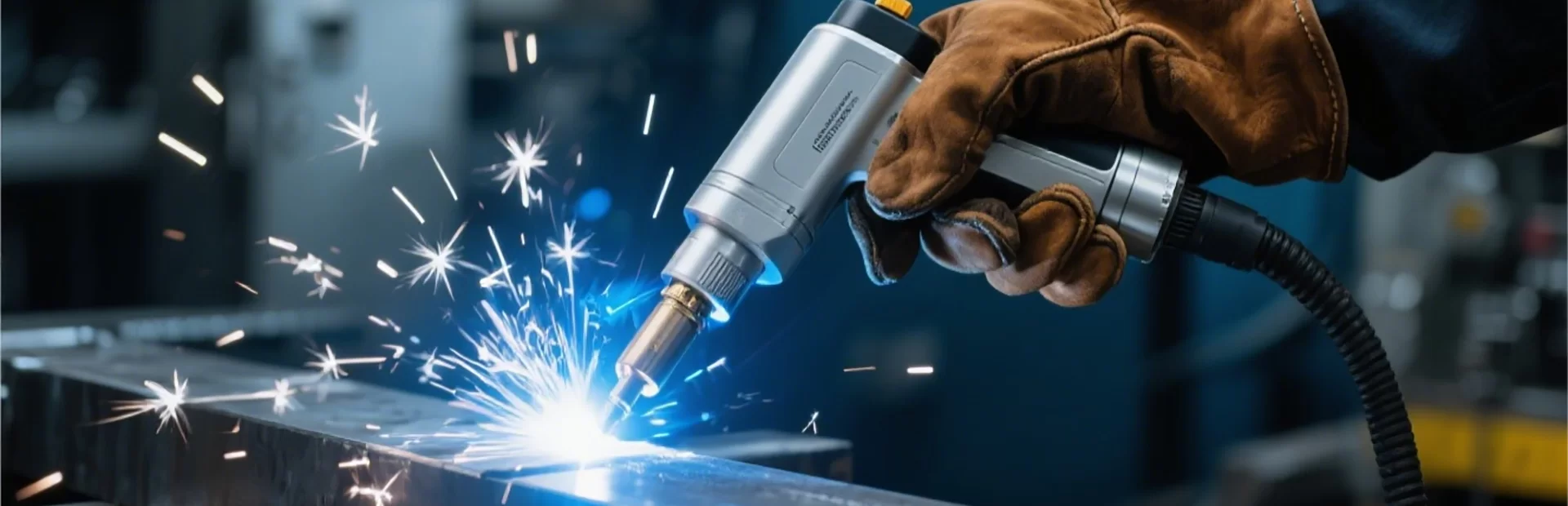
A laser cutting machine isn’t just about the laser itself. Several crucial components work in harmony to deliver precise cuts. The laser source (CO2, fiber, or crystal) determines the materials that can be processed. The motion control system, consisting of motors and linear guides, ensures accuracy and repeatability. The cutting head focuses the laser beam onto the material. A robust frame provides stability, minimizing vibrations that can impact cutting quality. Finally, a sophisticated control software manages the entire process, allowing operators to define cutting paths and parameters. Choosing the right combination of these components is essential for a high-performing machine. Topstar Laser specializes in designing machines with optimized component integration.
Key Highlights: The quality of each component significantly affects the final cut quality, speed, and overall machine lifespan.
The type of laser source used in a machine dramatically influences its design and capabilities. CO2 lasers are versatile and cost-effective, suitable for cutting organic materials like wood, acrylic, and fabrics. Fiber lasers excel at cutting metals with high precision and speed. Crystal lasers are less common but offer unique wavelengths for specialized applications. The choice of laser source dictates the necessary cooling systems, beam delivery methods, and safety enclosures. A fiber laser machine, for instance, will generally require a more sophisticated cooling system than a CO2 laser machine.
Laser Source Comparison:
• CO2 Laser: Versatile, cost-effective, suitable for non-metals.
• Fiber Laser: High precision, fast, ideal for metals.
• Crystal Laser: Specialized applications, unique wavelengths.
Accuracy is paramount in laser cutting, and the motion control system is responsible for achieving it. This system uses motors (often stepper or servo motors) to move the cutting head along the desired path. Linear guides and ball screws ensure smooth, precise movement. Closed-loop feedback systems continuously monitor the head's position, correcting for any deviations. The resolution of the motion control system (measured in microns) directly impacts the level of detail that can be achieved. A high-resolution system is essential for intricate designs and tight tolerances. The system’s overall rigidity also plays a vital role in minimizing vibrations and maintaining accuracy.
Modern laser cutting machines rely heavily on sophisticated software. This software handles tasks like importing designs (typically in vector formats like DXF or DWG), setting cutting parameters (power, speed, frequency), and controlling the motion of the cutting head. Advanced software packages also offer features like nesting (arranging parts efficiently on the material sheet) and real-time monitoring of the cutting process. User-friendly interfaces and intuitive controls are crucial for maximizing operator efficiency. Software integration with CAD/CAM systems streamlines the design-to-production workflow. Topstar Laser’s machines come with user-friendly and powerful software solutions.
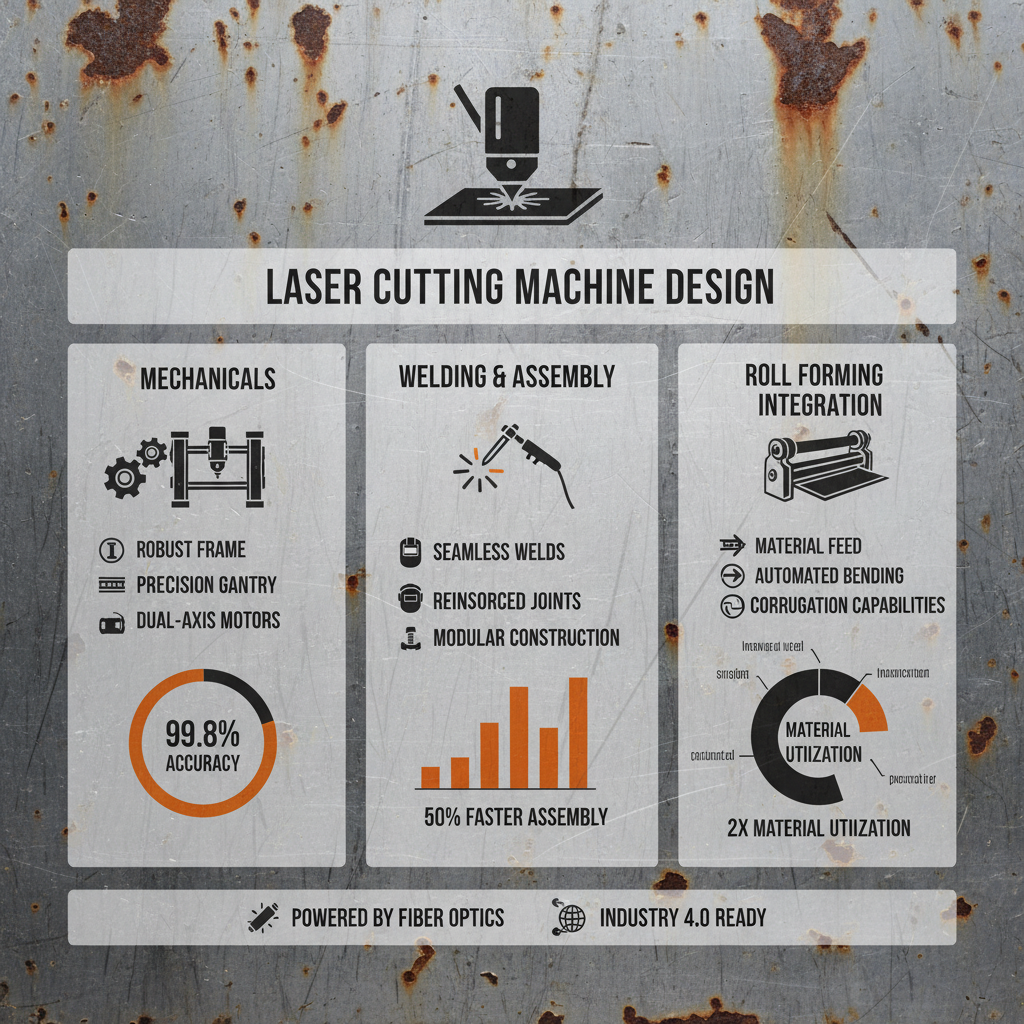
Safety is paramount when designing a laser cutting machine. High-power lasers pose significant hazards, including eye damage and fire risk. Enclosures are essential to contain the laser beam and prevent accidental exposure. Interlock systems automatically shut down the laser when the enclosure is opened. Exhaust systems remove fumes and particulate matter generated during the cutting process. Emergency stop buttons provide a quick way to halt the machine in case of an emergency. Proper shielding and grounding are also critical safety measures. Compliance with relevant safety standards is non-negotiable.
Successful laser cutting machine design requires a holistic approach, considering the interplay of all components. Continuous innovation in laser technology, motion control, and software is driving improvements in speed, precision, and versatility. Prioritizing safety and user-friendliness is crucial for widespread adoption. As manufacturing processes become more complex, the role of laser cutting will continue to grow, making it a vital technology for businesses of all sizes.
Laser cutting machines can process a wide range of materials, depending on the laser source. CO2 lasers are suitable for cutting wood, acrylic, fabrics, paper, and some plastics. Fiber lasers excel at cutting metals like steel, aluminum, and brass. Some lasers can also cut specialized materials like ceramics and glass, though this often requires specific laser parameters and techniques. The material's thickness and reflectivity also impact its cutability.
Industrial laser cutting machines typically range in power from 400W to 12kW or higher. Lower-power lasers (400W-1kW) are suitable for thinner materials and slower cutting speeds. Higher-power lasers (6kW+) are used for cutting thick metals with faster speeds. The optimal power level depends on the material type, thickness, and desired cutting speed. A larger wattage also allows you to cut a broader array of materials.
Maintenance is crucial for ensuring the longevity and performance of a laser cutting machine. Regular maintenance tasks include cleaning lenses and mirrors, inspecting and lubricating moving parts, and checking the cooling system. Neglecting maintenance can lead to decreased cutting quality, increased downtime, and even damage to the machine. Following the manufacturer’s recommended maintenance schedule is essential.
Several factors influence cutting speed, including the laser power, material type and thickness, cutting gas pressure, and focus position. Higher laser power generally allows for faster cutting speeds. Thinner materials are cut faster than thicker materials. Optimizing the cutting gas pressure and focus position can also improve cutting speed and quality. The speed and quality are often a balancing act.