Shijiazhuang Topstar
International Trading Co., Ltd.


Get In Touch
Investing in a cutting laser machine is a significant decision for any business looking to improve precision, efficiency, and overall production quality. However, understanding the landscape of cutting laser machine price can be complex. This article aims to provide a comprehensive overview, outlining the factors that influence cost, different machine types, and what you can expect to pay at various price points. We’ll help you navigate this market and find the ideal solution for your specific needs.
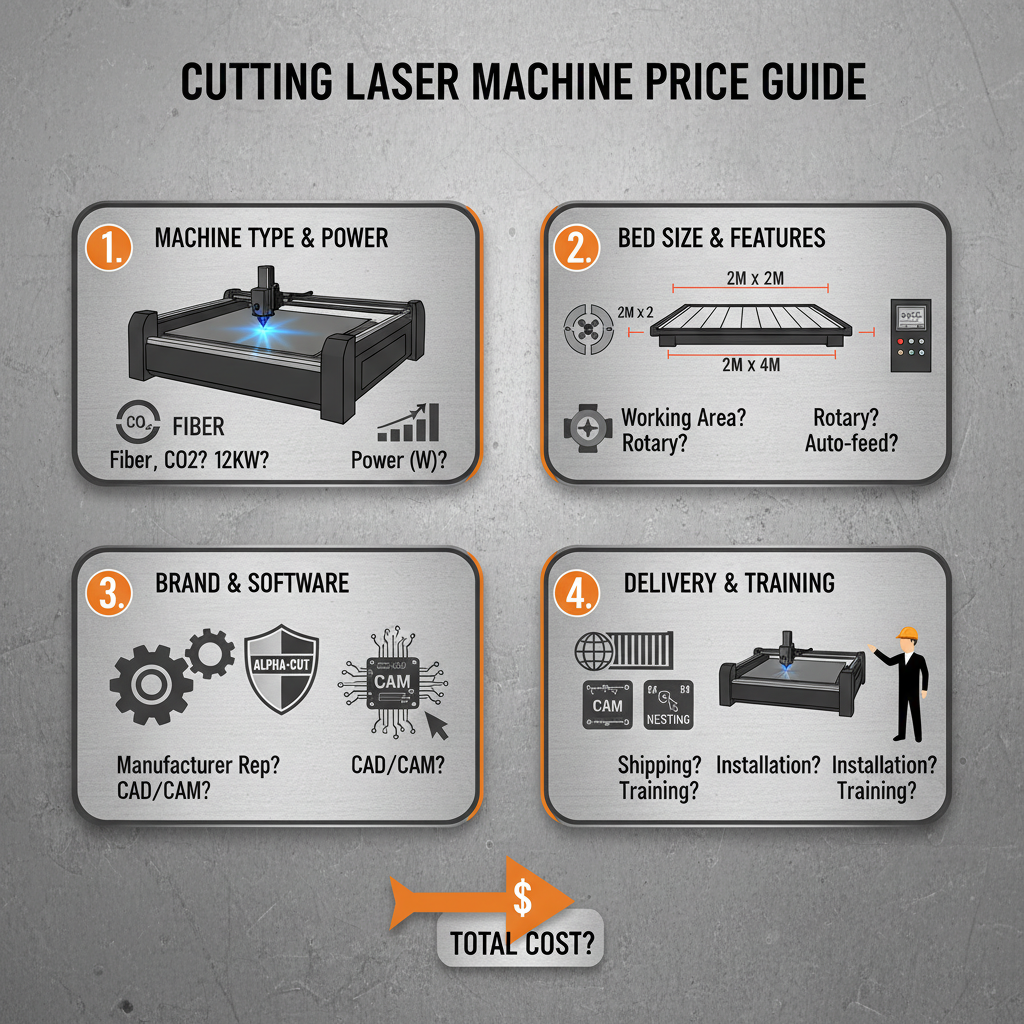
The price of a cutting laser machine isn't fixed; it's determined by a multitude of factors. The laser source is a primary cost driver. CO2 lasers are typically the most affordable, while fiber lasers, offering superior speed and versatility, come at a higher price. Machine size and power also play a significant role – larger, more powerful machines designed for thicker materials command a premium. Additional features such as automatic feeders, rotary attachments, and advanced software contribute to the overall cost. Finally, the manufacturer's reputation, warranty, and after-sales service can all impact the final price. Topstar Laser offers various options to suit different budgets and requirements.
Key Considerations: Laser source (CO2, Fiber), Machine power (Watts), Work area size, Automation features, Software included, After-sales support.
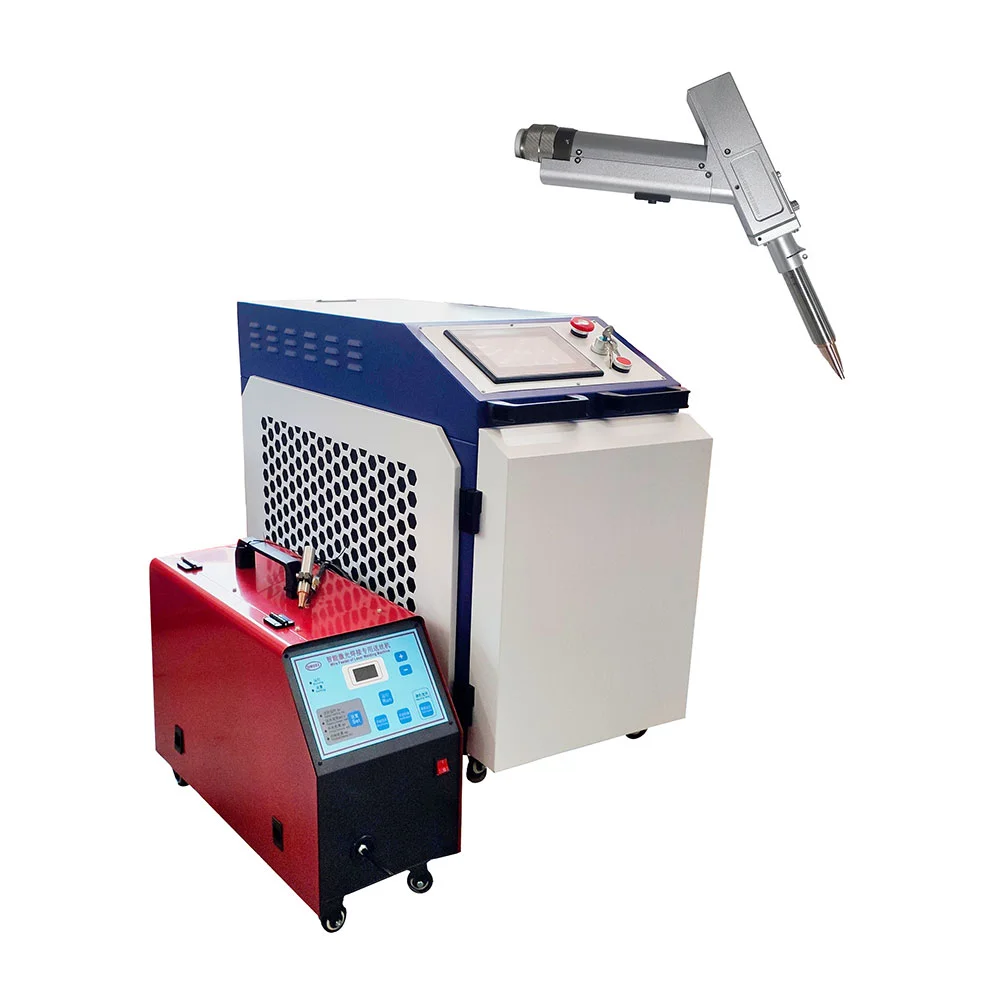
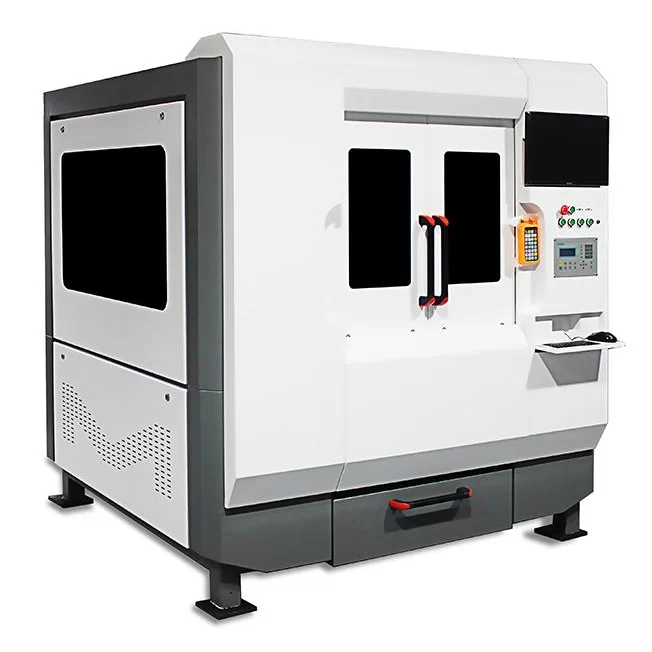
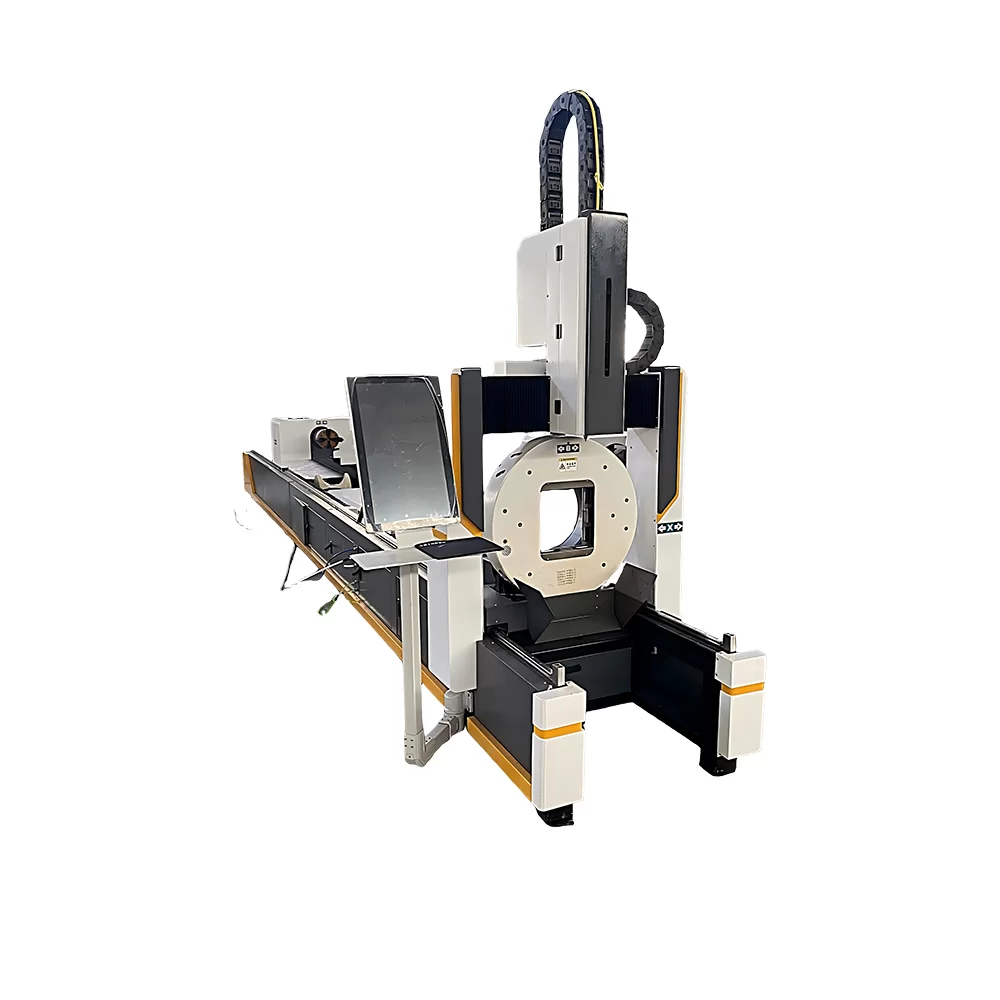
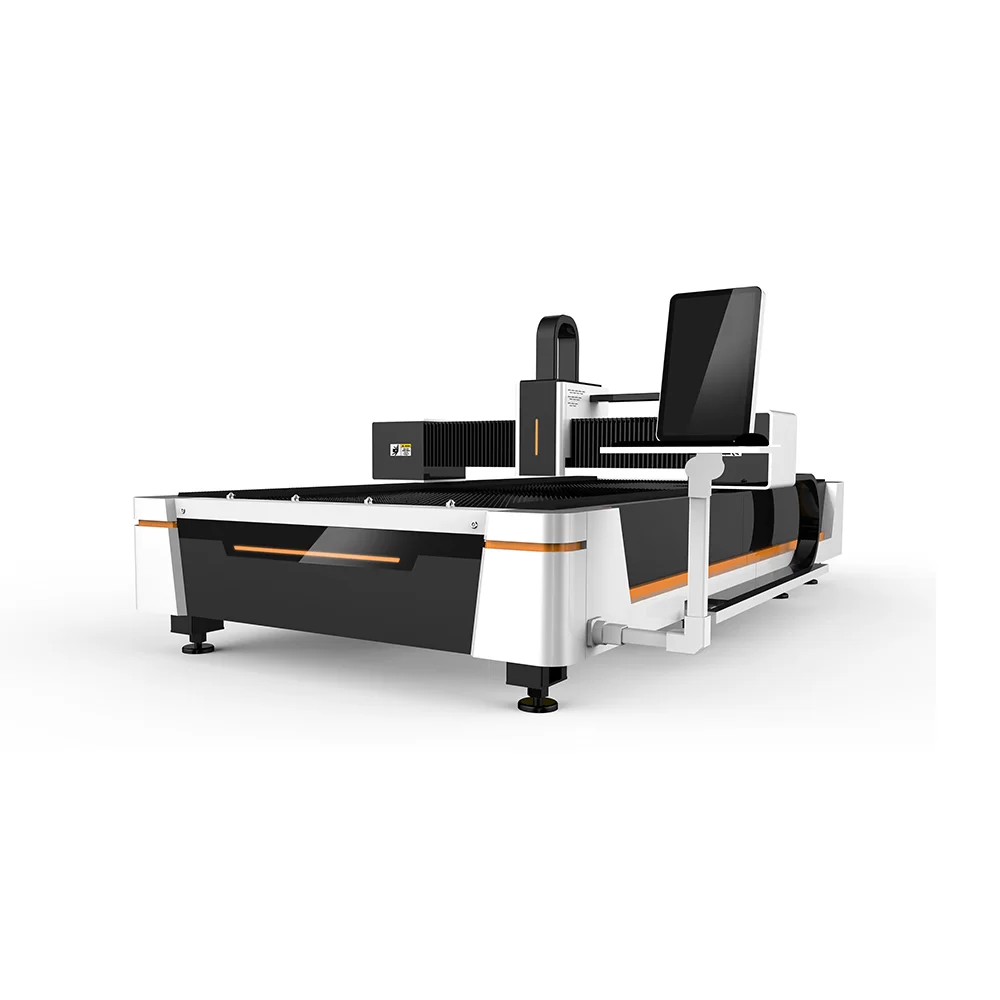
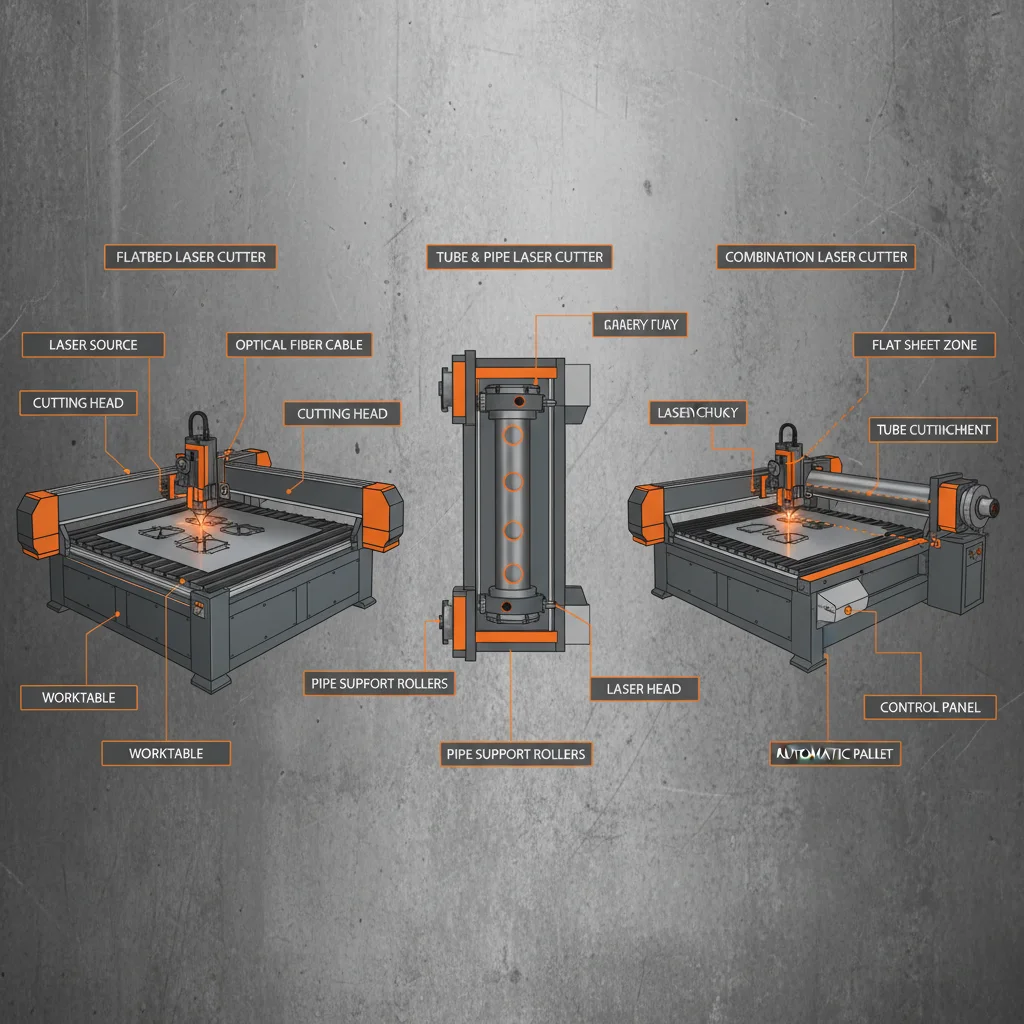
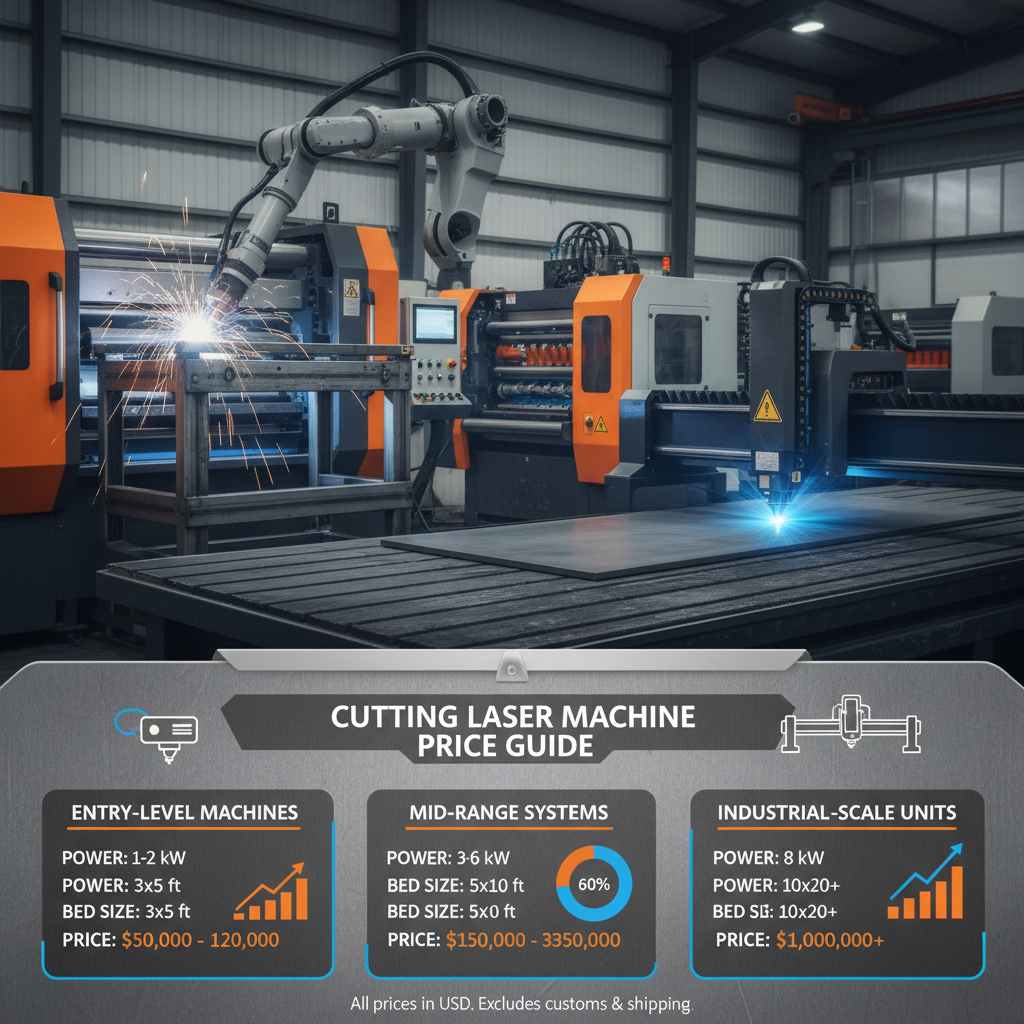
Different laser cutting machines cater to various materials and applications. CO2 laser cutters excel at processing non-metals like acrylic, wood, and fabric, and typically range from $5,000 to $30,000. Fiber laser cutters are ideal for metals such as steel, aluminum, and brass, and generally fall within the $30,000 to $150,000+ price range. There are also hybrid machines that can handle both metals and non-metals, but these are often more expensive. The choice depends heavily on your intended applications and the materials you’ll be working with. Topstar Laser’s portfolio includes models for diverse needs.
Laser Machine Type Comparison:
• CO2 Laser: Ideal for non-metals, $5,000 - $30,000
• Fiber Laser: Best for metals, $30,000 - $150,000+
• Hybrid Laser: Versatile, but often more costly.
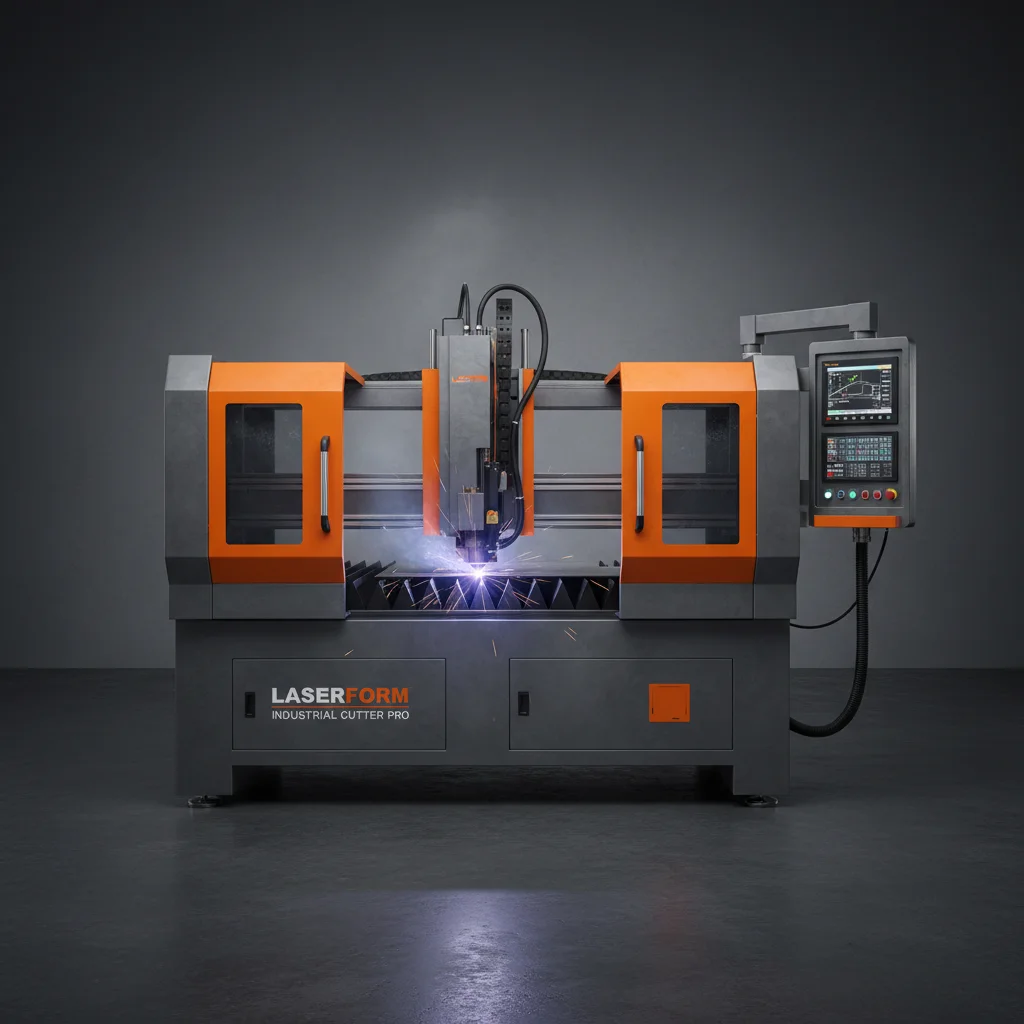
Understanding what constitutes the cost of a cutting laser machine is essential. The core components – the laser source, motion system (gantry, rails), control system, and chiller – contribute significantly. Beyond these, consider the costs of installation, training, and ongoing maintenance. Software licenses, especially for advanced nesting and optimization, also add to the overall expense. Don't forget to factor in consumables, such as nozzles and gas assist systems, which require periodic replacement. A detailed quote from a reputable supplier like Topstar Laser should itemize all these components for transparency.
When evaluating cutting laser machine price, it's crucial to compare not just the upfront cost but also the long-term value. Topstar Laser differentiates itself through competitive pricing, high-quality components, and exceptional customer support. While some competitors may offer lower initial prices, they often compromise on quality or service. Topstar Laser focuses on providing a complete solution, ensuring reliability, efficiency, and long-term cost savings.
Price is important, but it shouldn’t be the sole deciding factor. Consider the machine's scalability – can it accommodate future growth and changing needs? Evaluate the availability of spare parts and the responsiveness of technical support. Look for manufacturers that offer comprehensive training programs to ensure your team can operate the machine efficiently and safely. A machine with a strong reputation for reliability and a robust warranty will ultimately provide the best return on investment. Topstar Laser provides tailored solutions and ongoing support to help you maximize your investment.
Choosing the right cutting laser machine requires careful consideration of your specific needs, budget, and long-term goals. By understanding the factors that influence cutting laser machine price and prioritizing quality and support, you can make a smart investment that will enhance your productivity and profitability. Topstar Laser is committed to providing innovative solutions and exceptional service to help you achieve your manufacturing objectives.
The ROI for a cutting laser machine varies greatly depending on factors like machine utilization, material costs, labor savings, and the volume of work processed. However, a well-utilized laser cutter can often achieve an ROI within 1-3 years. The increased speed, precision, and reduced material waste contribute significantly to cost savings. Reduced labor costs, as laser cutting often requires less manual intervention, further boost ROI. A detailed ROI analysis specific to your business is recommended before making a purchase. Topstar Laser can assist with this assessment.
Regular maintenance is essential for optimal performance and longevity. This includes cleaning the lenses and mirrors, checking the alignment of the beam, inspecting the chiller system, and lubricating moving parts. The frequency of maintenance depends on usage. Some tasks can be performed by trained in-house staff, while others require specialized expertise. Topstar Laser offers comprehensive maintenance packages and remote diagnostic support.
Laser cutting machines pose potential safety hazards, including laser radiation, fumes, and fire risks. Essential safety measures include wearing appropriate eye protection (laser safety glasses), ensuring proper ventilation to remove fumes, and having a fire suppression system in place. Operators should be thoroughly trained on safe operating procedures and emergency protocols. Never leave the machine unattended during operation. Topstar Laser provides safety training as part of its machine installation process.
While fiber laser machines can cut a wide range of metals, not all metals are equally easy to process. Reflective materials like aluminum and copper require higher laser power and specific parameters to achieve clean cuts. Some alloys may also pose challenges. The cutting performance depends on the metal's composition, thickness, and surface finish. It's essential to consult with a laser cutting expert to determine the optimal settings for specific materials. Topstar Laser provides material testing and optimization services.