Shijiazhuang Topstar
International Trading Co., Ltd.


Get In Touch
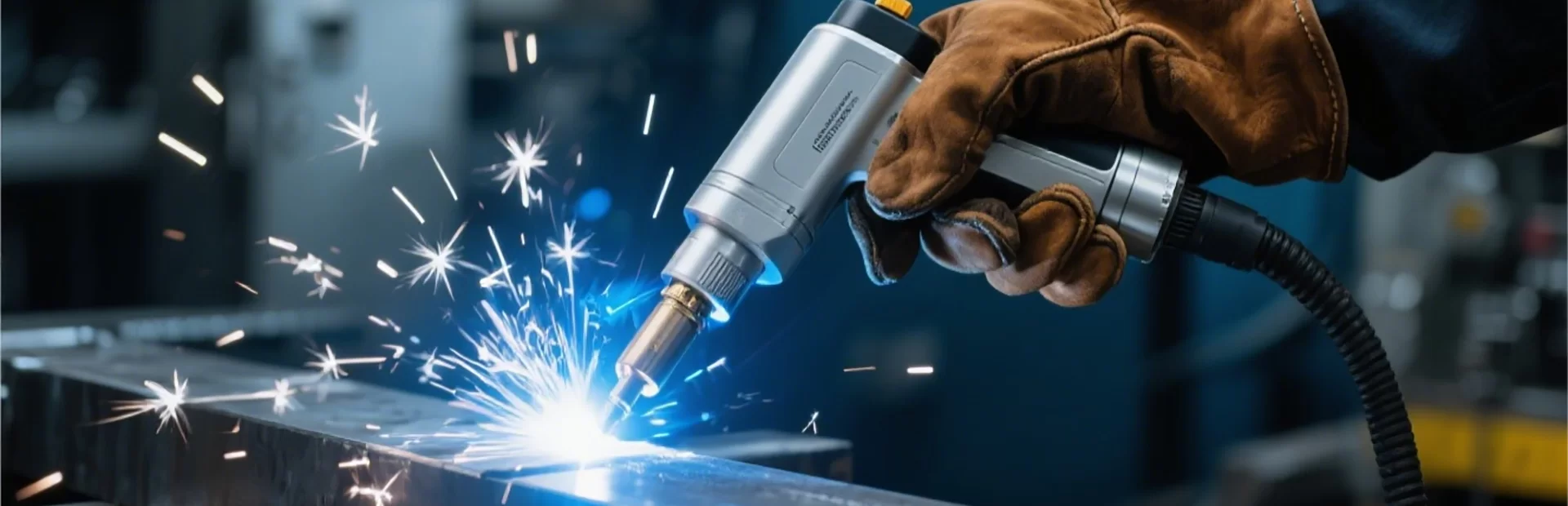
You know, for years, precision marking often meant bringing your workpiece to the machine. Fixed gantry systems, heavy industrial setups—they all did the job, no doubt, but the limitations were obvious. What if your item was too big? Too delicate to move? Or you needed to mark components in situ on a production line? This is precisely where the handheld laser marking system steps in, changing the game entirely. It’s not just a convenience; it’s a genuine paradigm shift for many industries.
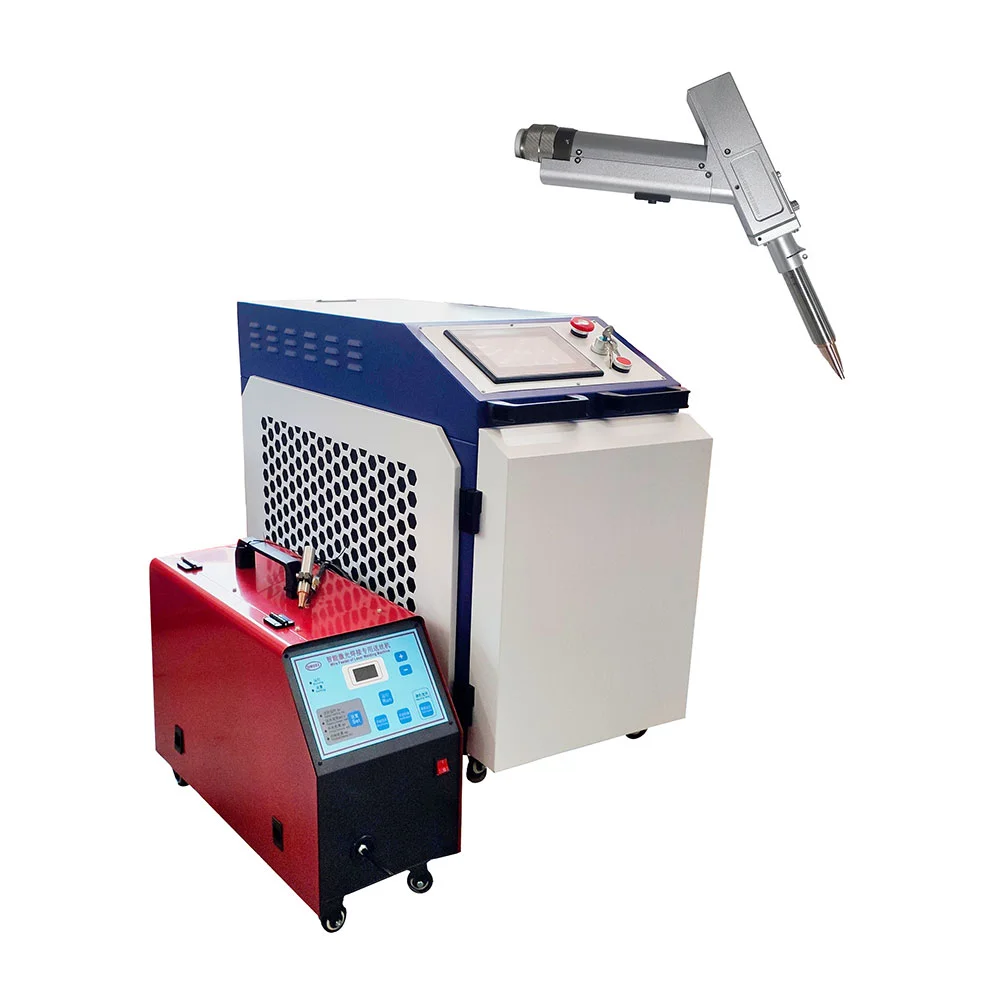
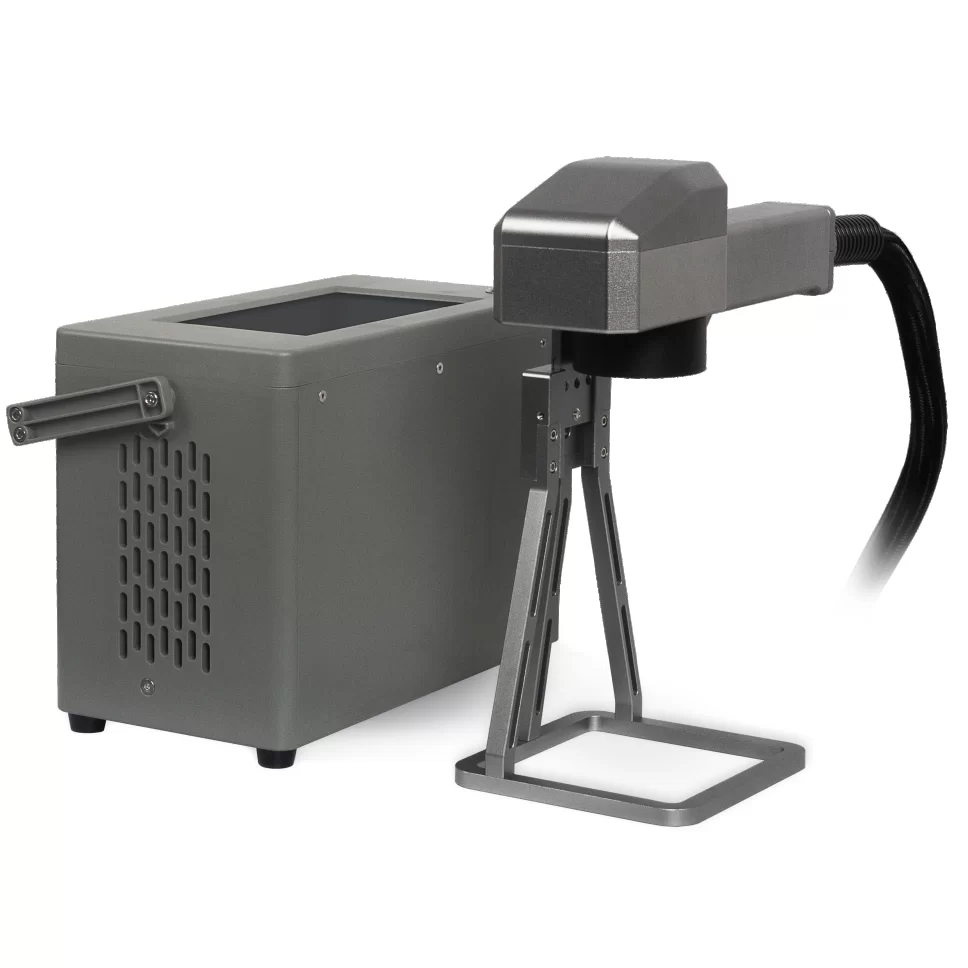
Actually, the rise of portable industrial tools is a huge trend right now, and laser marking is definitely riding that wave. A handheld laser marking system, essentially a portable laser marking device, is built around focusing a high-energy laser beam onto a material's surface using a compact, handheld unit. This process causes physical or chemical alterations, creating a permanent, high-resolution mark. Think about it: serial numbers, QR codes, logos, expiry dates—all etched with remarkable accuracy, wherever you need them. It's truly impressive.
So, what exactly are we talking about when we discuss these devices? Fundamentally, a portable marking machine for steel (and other materials, obviously) comprises a fiber laser source, a galvanometer scanning system, a handheld marking head, and a control unit, all packaged for mobility. The fiber laser is often chosen for its stability, long service life, and excellent beam quality, which is crucial for fine marking. The galvanometer mirrors rapidly direct the laser beam, allowing for high-speed marking. It’s quite a symphony of advanced engineering, to be honest.
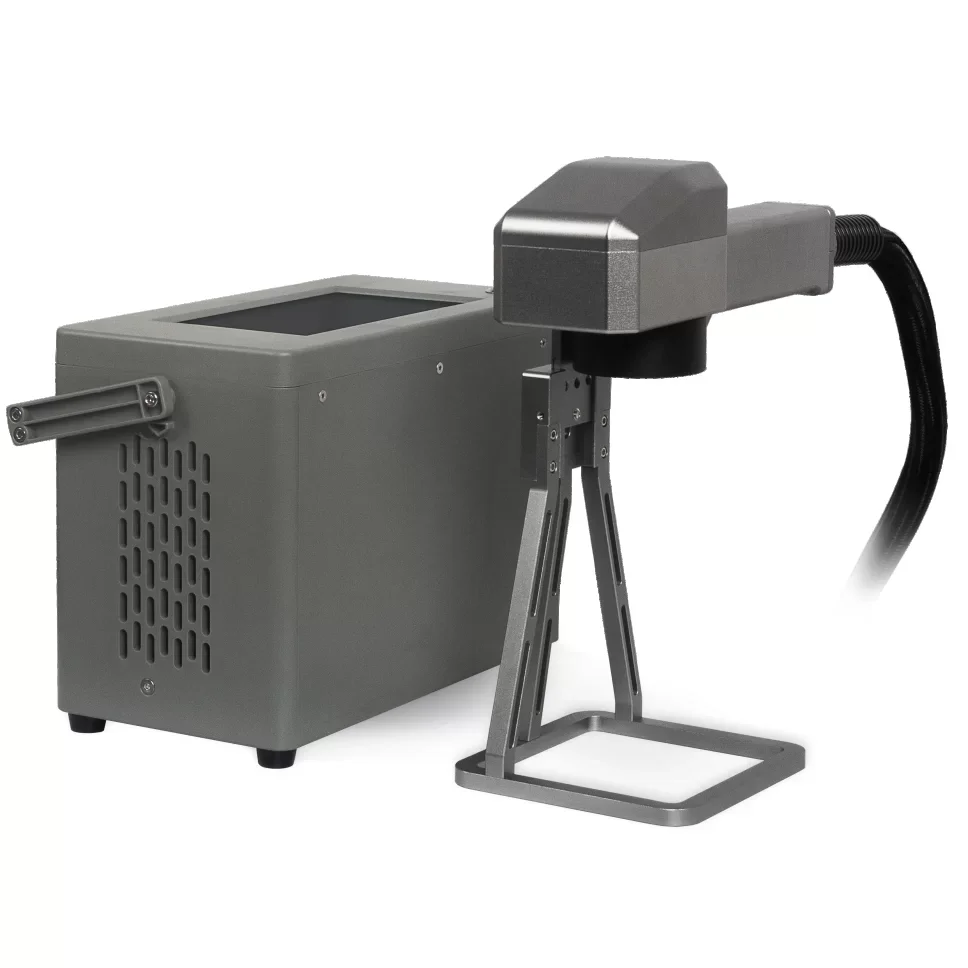
When you're considering a handheld laser marking system, here are some typical specs you'll encounter:
Feature | Typical Specification | Notes |
Laser Type | Fiber Laser | Excellent beam quality, long life |
Laser Power | 20W / 30W / 50W | Higher power for faster marking or deeper engraving |
Marking Area | ≈70x70mm to 175x175mm | Depends on lens, real-world use may vary |
Marking Speed | Up to 7000mm/s | Highly efficient for batch work |
Minimum Line Width | 0.01mm | For incredibly fine detail |
Cooling Method | Air Cooling | Maintenance-free, ideal for portability |
Where do these machines truly excel? Almost anywhere you need indelible marking on immovable or large objects. From large metal pipes and automotive chassis to heavy machinery components and even outdoor structures like bridge beams, a portable marking machine for steel offers unmatched flexibility. Industries like automotive, aerospace, heavy manufacturing, energy, and even construction are finding them indispensable. Many customers say it's completely transformed their workflow.
The operational flow is surprisingly straightforward, which is part of their appeal. First, you design your mark using intuitive software, often compatible with standard graphic formats. Then, you position the handheld marking head over the material. The laser then executes the mark. For materials like steel, it's often an annealing or engraving process, creating a contrasting, permanent mark. Testing standards usually involve visual inspection, adhesion tests, and durability checks (e.g., resistance to abrasion, chemicals). A well-maintained system can have a service life of over 100,000 hours, which is pretty phenomenal, if you ask me.
When you're in the market for a handheld laser marking system, it's easy to get overwhelmed. You've got established brands, smaller specialized manufacturers (like a great handheld laser marking machine factory might be), and everything in between. It seems that while some prioritize raw power, others focus on software user-friendliness or ruggedness for harsh environments. Here’s a simplified comparison:
Vendor Type | Typical Focus | Pros | Cons (General) |
Established Industrial Brands | Robustness, broad support, high integration | Reliable, good for large-scale ops | Often higher cost, less agile customization |
Specialized Manufacturers | Specific niches, portability, cost-effectiveness | Innovative designs, good value, flexible | Support might be more localized |
Budget-Focused Suppliers | Low initial investment | Accessible entry point | Quality variation, limited support, fewer features |
One of the fantastic things about modern laser technology is the scope for customization. Need a specific marking area? Different laser power? Integrated with a vision system for automated alignment? Many manufacturers are incredibly flexible. Just ask! You’ll also want to look for crucial certifications like CE, FDA (especially for medical applications), and ISO 9001 for quality management. These aren't just pieces of paper; they're assurances of safety and performance.
I remember hearing about a large pipeline construction company that was struggling to mark weld joints with sequential IDs. Traditional methods were slow, messy, and prone to errors in harsh outdoor conditions. They adopted a portable marking machine for steel, and suddenly, the process was streamlined. Each weld received a crisp, clear, machine-readable mark, significantly improving traceability and reducing compliance headaches. It’s a simple story, but it illustrates the real-world value perfectly.
In conclusion, the handheld laser marking system is far more than a niche tool. It's a robust, versatile, and increasingly essential piece of equipment for modern industrial operations, offering unparalleled flexibility and precision. If you’re dealing with challenging marking tasks, it’s definitely worth a closer look!
1. "Fiber Laser Marking Machines: Principles and Applications." Laser Institute of America (LIA), 2022.
2. "The Handbook of Laser Marking." Springer Publishing, 2019.
3. "Industry Trends in Portable Marking Solutions." Manufacturing Today, Vol. 15, Issue 3, pp. 45-51, 2023.