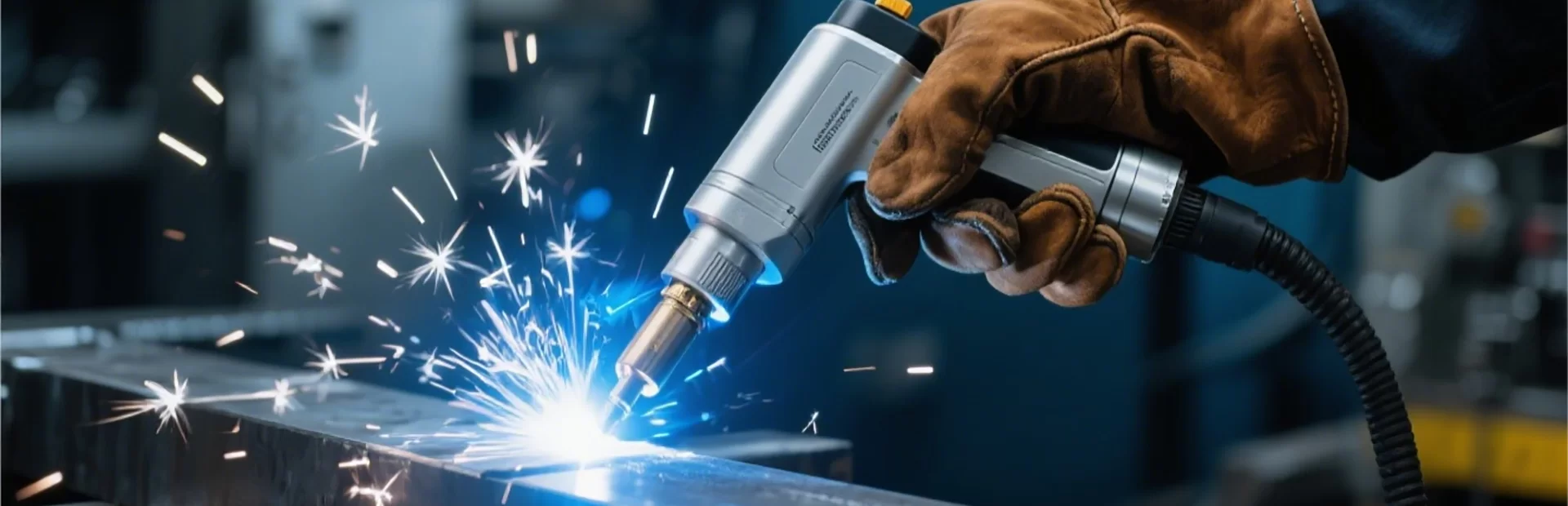
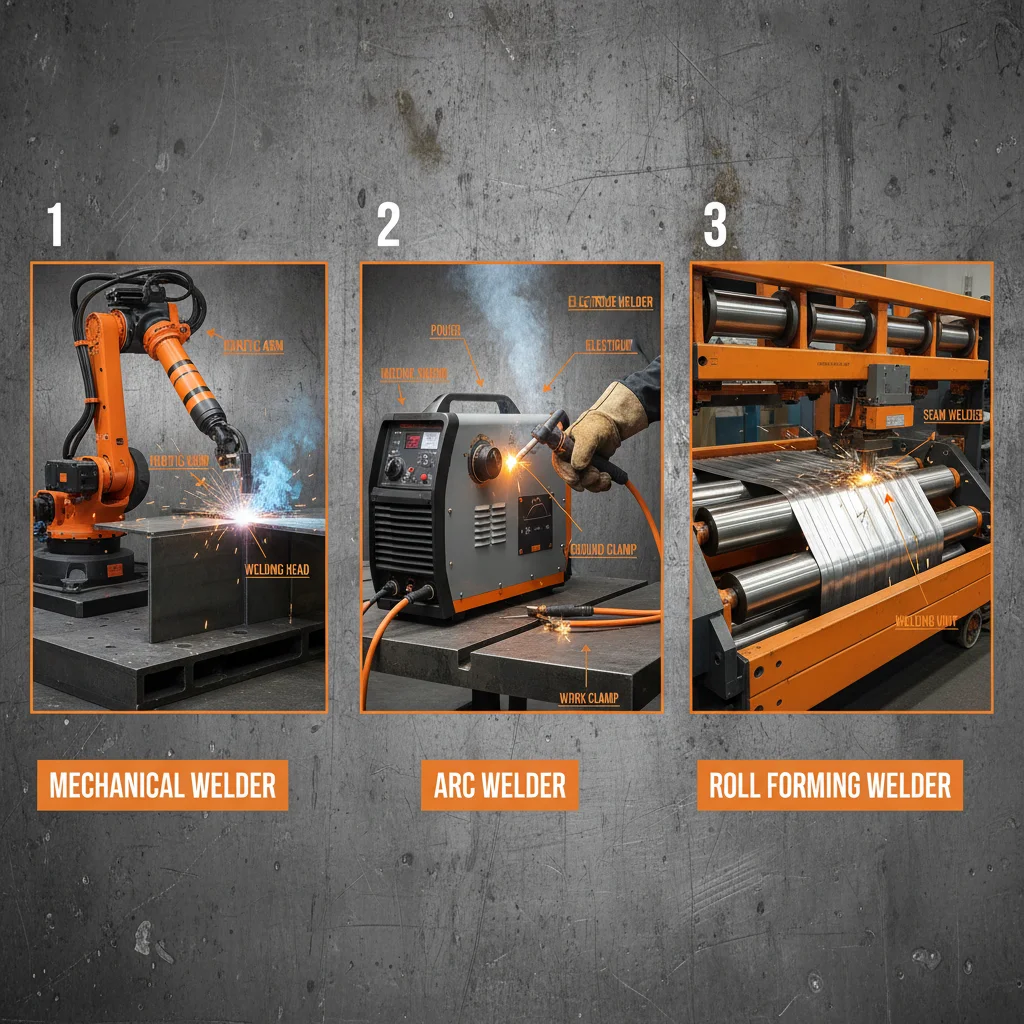
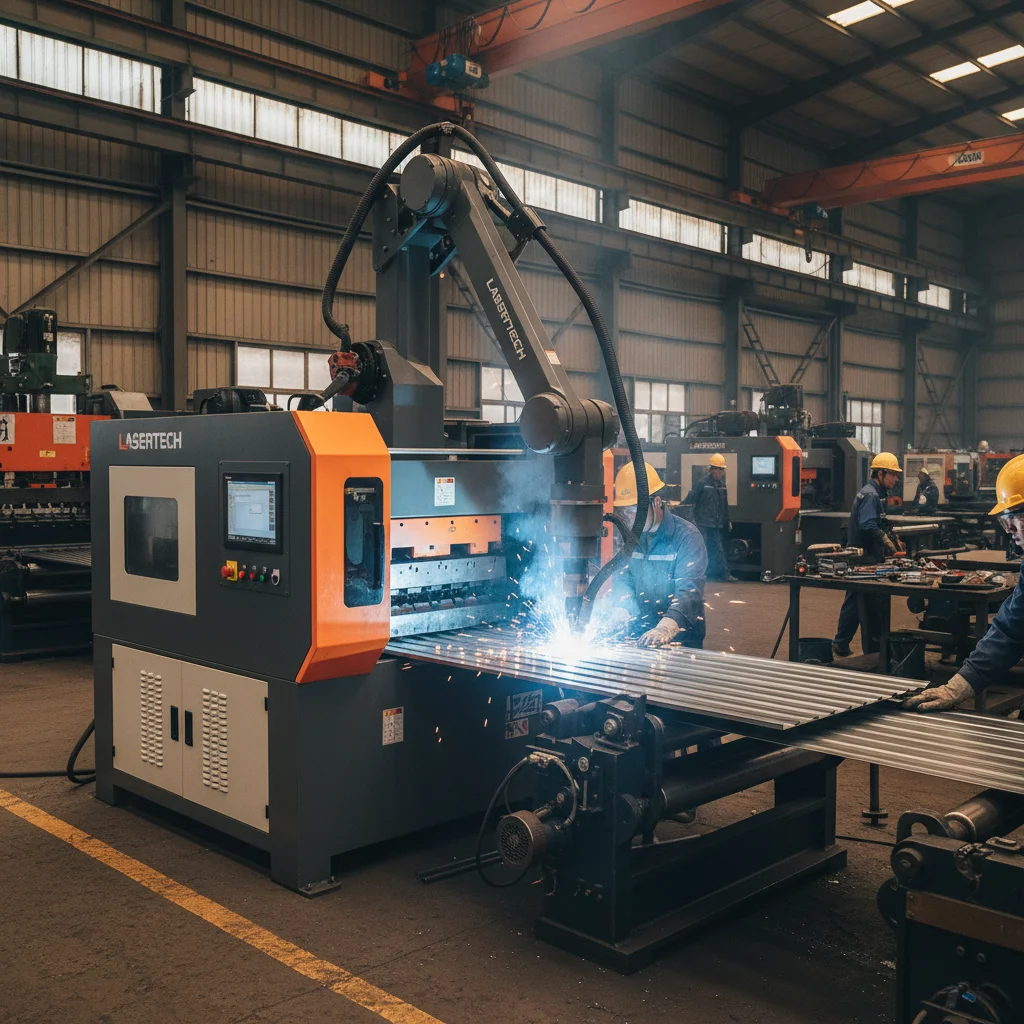
Welding machine operation is a cornerstone of modern manufacturing, construction, and repair across a vast spectrum of industries. From the intricate fabrication of aerospace components to the robust construction of bridges and pipelines, skilled welders and reliable welding equipment are essential. Understanding the principles and practices of welding machine operation is not merely a technical skill, but a critical component of global infrastructure development and economic progress. The demand for qualified welders consistently outpaces supply in many regions, highlighting the importance of training and skill development in this field.
Globally, welding contributes significantly to infrastructure projects, resource extraction, and product manufacturing. The United Nations Industrial Development Organization (UNIDO) recognizes welding as a key enabling technology for sustainable industrialization. World Bank initiatives often rely on proficient welding for the construction of essential infrastructure in developing nations. Moreover, advancements in welding technology are driving efficiency and sustainability within manufacturing, reducing waste and energy consumption. Addressing challenges like welder shortages and ensuring quality control are paramount to realizing the full potential of this vital technology.
The increasing demand for automated and robotic welding solutions further emphasizes the importance of understanding welding machine operation. As industries adopt these technologies, skilled personnel are needed to program, maintain, and oversee these advanced systems. Therefore, a comprehensive understanding of the fundamental principles of welding, coupled with proficiency in operating and troubleshooting modern welding equipment, is crucial for success in the 21st-century workforce.
The Importance of Welding Machine Operation
Welding machine operation is critical for ensuring the structural integrity and longevity of countless products and structures. Proper technique and machine settings directly impact weld quality, influencing everything from the reliability of pipelines to the safety of buildings. A thorough understanding of various welding processes – such as shielded metal arc welding (SMAW), gas metal arc welding (GMAW), and gas tungsten arc welding (GTAW) – is paramount for selecting the appropriate method for a given application.
Furthermore, effective welding machine operation extends beyond simply joining materials. It encompasses a comprehensive understanding of metallurgy, material properties, and safety protocols. Welders must be capable of interpreting blueprints, performing quality control inspections, and adhering to industry standards to guarantee the highest levels of precision and dependability. This skill set is indispensable for maintaining the functionality and safety of critical infrastructure and manufactured goods.
Defining Welding Machine Operation
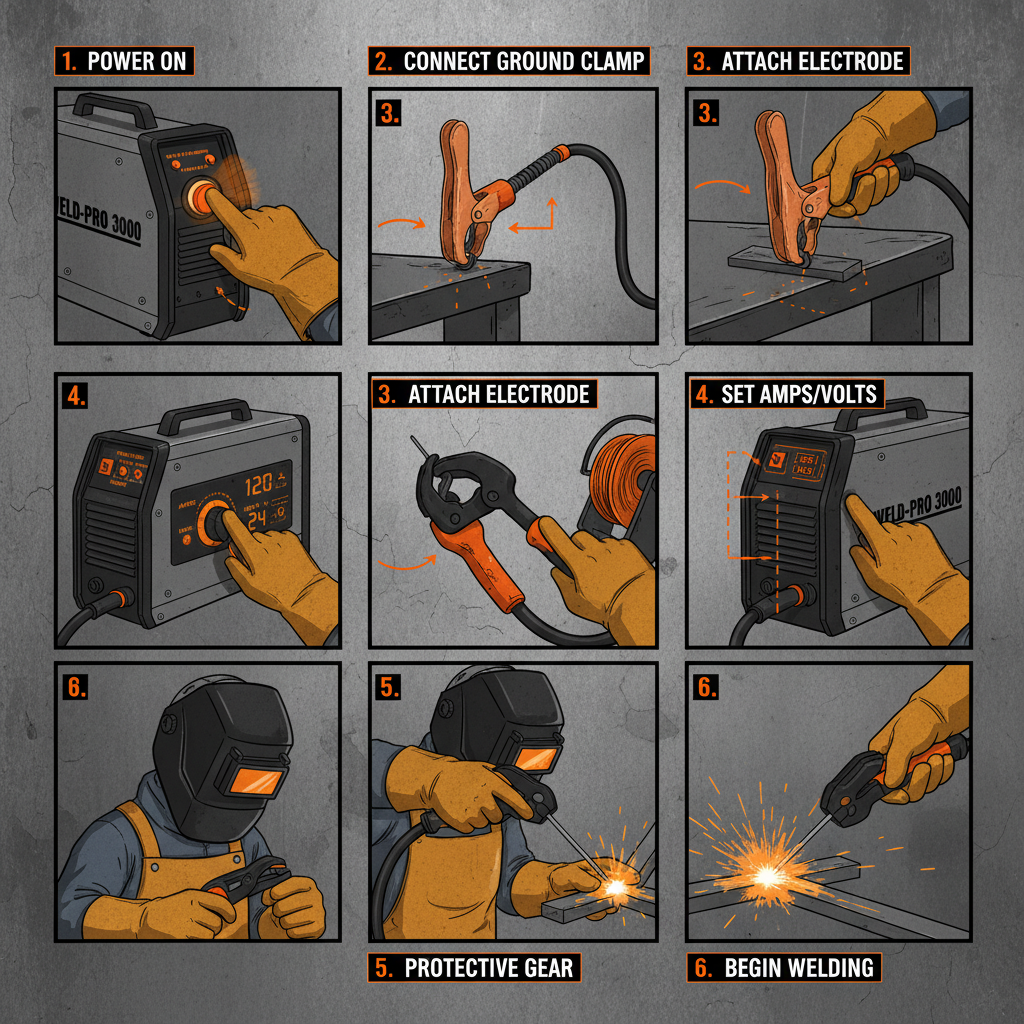
Welding machine operation refers to the skillful and safe utilization of equipment designed to fuse materials – typically metals or thermoplastics – together through the application of heat, pressure, or both. It involves the precise control of welding parameters, such as amperage, voltage, and travel speed, to create a strong, durable, and aesthetically acceptable weld. The process requires a deep understanding of the specific welding technique being employed and the properties of the materials being joined.
This skill extends beyond simply pressing a button; it includes preparation of the materials, ensuring proper alignment, selecting the appropriate filler metals, and maintaining the welding machine itself. It’s a critical component of modern industry, enabling the fabrication of everything from automobiles and airplanes to medical devices and consumer products.
Historically, welding was a manual and labor-intensive process. Today, advancements in technology have led to the development of automated and robotic welding systems. While these systems enhance efficiency and precision, they still require skilled operators to program, maintain, and monitor their performance, underscoring the enduring importance of welding machine operation.
Key Factors in Welding Machine Operation
Several key factors influence the success of welding machine operation. Material Compatibility is crucial; different metals require different welding techniques and filler materials to achieve a strong and reliable bond. Understanding the metallurgical properties of the base metals and filler metals is paramount.
Welding Process Selection is another critical factor. The choice between SMAW, GMAW, GTAW, flux-cored arc welding (FCAW), and other processes depends on the material being welded, the desired weld quality, the welding environment, and the operator's skill level. Each process has its own advantages and disadvantages regarding speed, cost, and suitability for different applications.
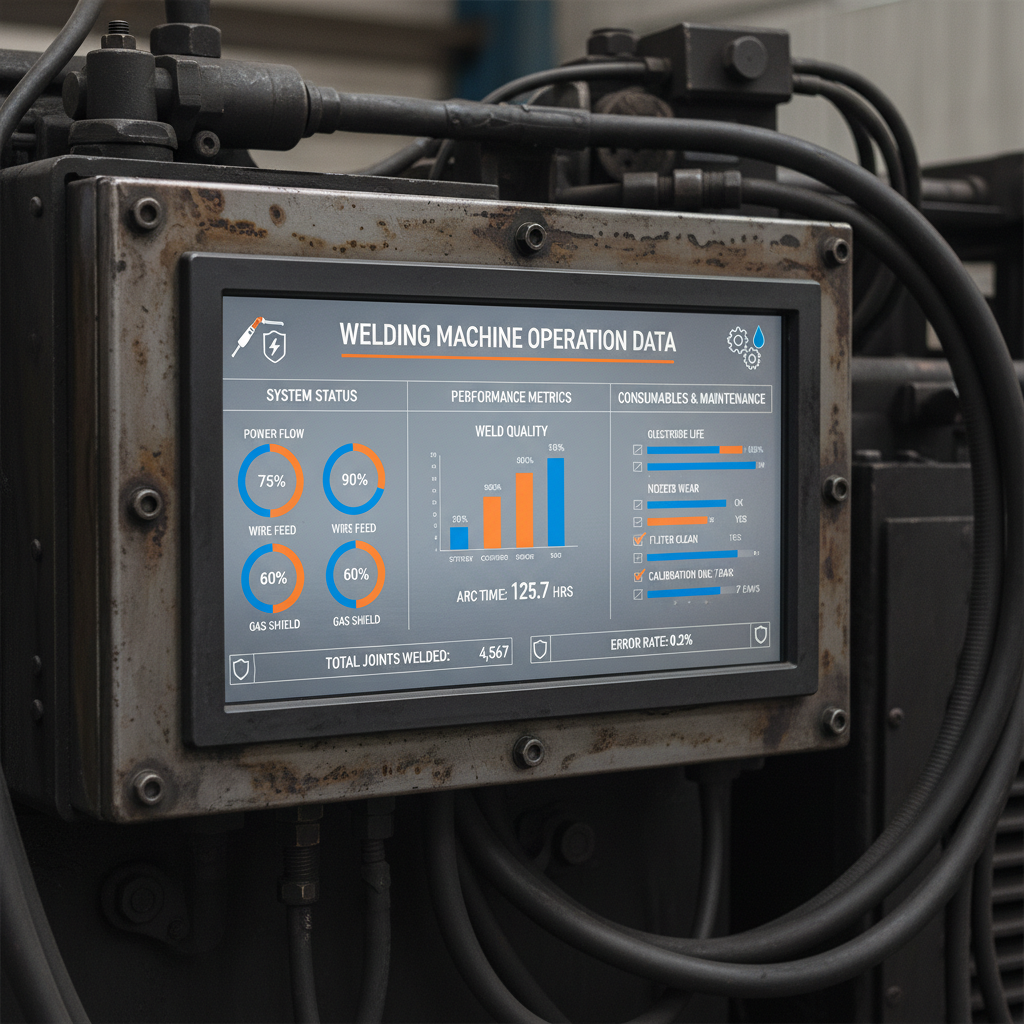
Parameter Control – precise control of amperage, voltage, travel speed, and shielding gas flow is essential for achieving a sound weld. Incorrect parameters can lead to defects such as porosity, cracking, and incomplete fusion. Modern welding machines often feature sophisticated controls and monitoring systems to help operators maintain optimal settings. Safety Protocols are non-negotiable; welders must adhere to strict safety procedures to protect themselves from hazards such as burns, electric shock, and exposure to fumes.
Global Applications of Welding Machine Operation
Welding machine operation is fundamental to a wide range of industries worldwide. In the construction sector, it’s vital for building bridges, skyscrapers, and other large-scale infrastructure projects. The fabrication of pipelines for oil and gas transport relies heavily on skilled welders and robust welding techniques.
The automotive industry utilizes welding extensively in the production of vehicle frames, body panels, and engine components. The aerospace industry demands the highest levels of precision and reliability in welding, as it’s used to manufacture aircraft structures and engine parts. In post-disaster relief operations, mobile welding units are deployed for rapid repair of infrastructure and essential equipment.
Furthermore, in remote industrial zones, such as mining operations in Australia or oil fields in the Middle East, welding machine operation is essential for maintaining and repairing heavy machinery and infrastructure. The shipbuilding industry is almost entirely reliant on skilled welders to construct and maintain vessels of all sizes.
Welding Machine Operation Proficiency Levels
Advantages of Skilled Welding Machine Operation
Skilled welding machine operation delivers significant advantages, impacting cost-effectiveness, quality, and safety. Reduced rework and scrap rates translate directly into cost savings for businesses. High-quality welds enhance the structural integrity and durability of products, extending their lifespan and reducing maintenance requirements.
Furthermore, competent welders prioritize safety, minimizing the risk of accidents and injuries. Investing in comprehensive welding training programs boosts employee morale and fosters a culture of continuous improvement. This leads to greater productivity and enhanced competitiveness in the global marketplace.
Future Trends in Welding Machine Operation
The future of welding machine operation is being shaped by several emerging trends. Automation and robotics are becoming increasingly prevalent, with robotic welding systems handling repetitive tasks and improving precision. Additive manufacturing (3D printing) is also gaining traction, offering new possibilities for creating complex geometries and customized parts.
Advancements in materials science are leading to the development of new alloys and welding techniques that enhance performance and efficiency. Digitalization and data analytics are being used to monitor welding processes, identify potential defects, and optimize parameters in real-time. These technologies promise to revolutionize the welding industry, making it more efficient, sustainable, and adaptable to changing market demands.
Challenges and Solutions in Welding Machine Operation
Despite advancements, challenges remain in welding machine operation. A persistent shortage of skilled welders poses a significant obstacle to many industries. The complexity of modern welding equipment requires ongoing training and skill development. Maintaining weld quality and consistency in challenging environments (e.g., offshore platforms, remote construction sites) can be difficult.
To address these challenges, increased investment in welding education and apprenticeship programs is crucial. Developing user-friendly welding machines with intuitive controls and automated features can simplify the process and reduce the learning curve. Implementing robust quality control procedures and utilizing non-destructive testing methods can help ensure weld integrity.
Furthermore, leveraging virtual reality (VR) and augmented reality (AR) technologies can provide realistic training simulations and remote support for welders in the field, bridging the skill gap and improving efficiency.
Summary of Challenges and Solutions in Welding Machine Operation
| Challenge |
Impact on Welding Machine Operation |
Proposed Solution |
Implementation Cost (Scale 1-10) |
| Skilled Welder Shortage |
Reduced productivity, increased costs. |
Expand vocational training programs. |
6 |
| Equipment Complexity |
Increased learning curve, potential for errors. |
Develop user-friendly interfaces. |
5 |
| Maintaining Weld Quality |
Structural failures, safety hazards. |
Implement strict quality control protocols. |
7 |
| Environmental Conditions |
Reduced visibility, increased risk of defects. |
Utilize portable shielding and lighting. |
4 |
| Lack of Standardized Training |
Inconsistent skill levels, increased errors. |
Establish industry-wide certification standards. |
8 |
| Difficulty in Remote Support |
Delayed troubleshooting, increased downtime. |
Implement AR/VR remote assistance tools. |
6 |
FAQS
Common welding defects include porosity, cracking, slag inclusions, and undercut. Prevention involves proper surface preparation, correct welding parameters (amperage, voltage, travel speed), appropriate filler metal selection, and adequate shielding gas coverage. Maintaining a clean welding environment and ensuring the welder is properly trained are also crucial steps in defect prevention.
Welding equipment should be inspected before each use for any visible damage or wear. Regular maintenance, typically performed annually or as recommended by the manufacturer, is crucial for ensuring safe and reliable operation. This includes checking cables, hoses, grounding clamps, and cooling systems. Proper maintenance extends the equipment’s lifespan and minimizes downtime.
Essential safety precautions include wearing appropriate personal protective equipment (PPE) such as a welding helmet, gloves, fire-resistant clothing, and safety shoes. Ensure adequate ventilation to avoid exposure to fumes and gases. Proper grounding of the welding machine is critical to prevent electric shock. Be aware of fire hazards and have a fire extinguisher readily available.
Shielding gases protect the weld pool from atmospheric contamination, influencing weld strength, ductility, and appearance. Argon is commonly used for GTAW and some GMAW applications, providing excellent arc stability. Helium enhances heat input and penetration. Carbon dioxide is cost-effective for GMAW, but can lead to porosity. Mixtures of gases can be tailored to specific welding applications.
Formal welding training programs, apprenticeships, and certifications are excellent starting points. Hands-on practice is essential for developing proficiency. Seeking mentorship from experienced welders and continuously learning new techniques and technologies are crucial for ongoing skill development. Online resources and industry workshops can also supplement training.
SMAW (Shielded Metal Arc Welding) is versatile and portable, using a coated electrode. GMAW (Gas Metal Arc Welding) is faster and more efficient, using a continuously fed wire electrode with shielding gas. GTAW (Gas Tungsten Arc Welding) offers the highest precision and control, using a non-consumable tungsten electrode and shielding gas. Each process is suited for different applications and materials.
Conclusion
Welding machine operation remains a vital skill underpinning numerous industries and driving global progress. From enabling large-scale infrastructure projects to facilitating the production of essential goods, proficient welders and reliable welding techniques are indispensable. Understanding the key factors influencing weld quality, embracing emerging technologies, and prioritizing safety are crucial for maximizing the benefits of this powerful process.
Investing in welding education, promoting industry certifications, and fostering a culture of continuous improvement will ensure a skilled workforce capable of meeting the challenges of the future. The evolution of welding technology promises increased efficiency, sustainability, and innovation, cementing its role as a cornerstone of modern manufacturing and construction.