Shijiazhuang Topstar
International Trading Co., Ltd.


Get In Touch
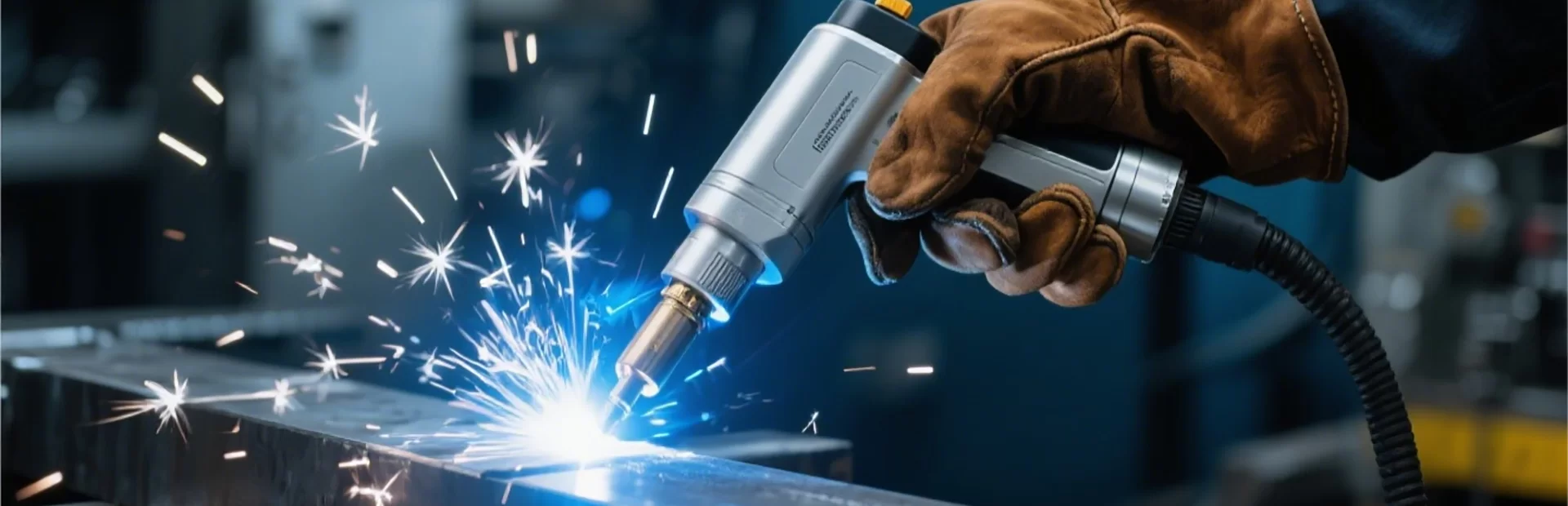
Look, I've been running around construction sites for fifteen years now, and let me tell you, things are changing fast. It used to be, you knew what you were getting. Now? Everyone’s talking about "smart" welding machines, remote monitoring, AI-assisted arc control. Sounds fancy, right? To be honest, most of the guys on the ground just want something that’ll consistently lay down a good bead without giving them a headache. But the pressure’s on to adopt these new technologies, especially with the shortage of skilled welders. It's all about doing more with less, isn’t it? That’s where a good welding machine exporter comes in. They need to understand what’s actually useful and what’s just marketing fluff.
The whole industry’s shifting towards automation, smaller, more portable machines. Everyone’s trying to cut down on weight, improve energy efficiency… it’s a constant battle. And the demand for specialized welding – you know, aluminum, stainless steel, high-strength alloys – is through the roof. But the biggest thing I’ve noticed? Everyone’s obsessed with ease of use. They want machines that are intuitive, even for guys who haven’t been formally trained. It sounds simple, but getting that right is hard.
The need for reliable welding machine exporters is really becoming obvious. These guys don’t just sell equipment; they provide a whole package of support, training, and, crucially, understanding of what actually works in the real world. It’s a complex business, exporting welding machines… the certifications, the logistics, the different voltage standards… it’s a minefield.
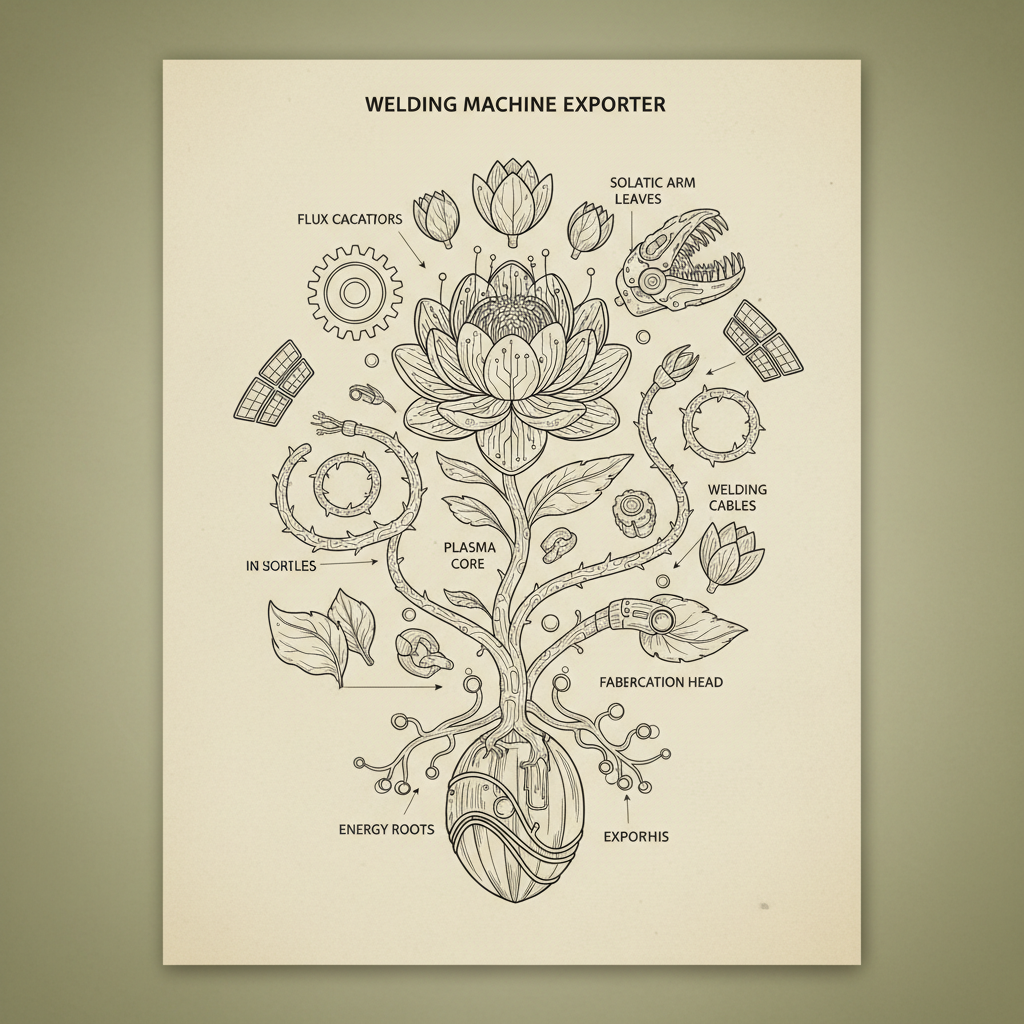
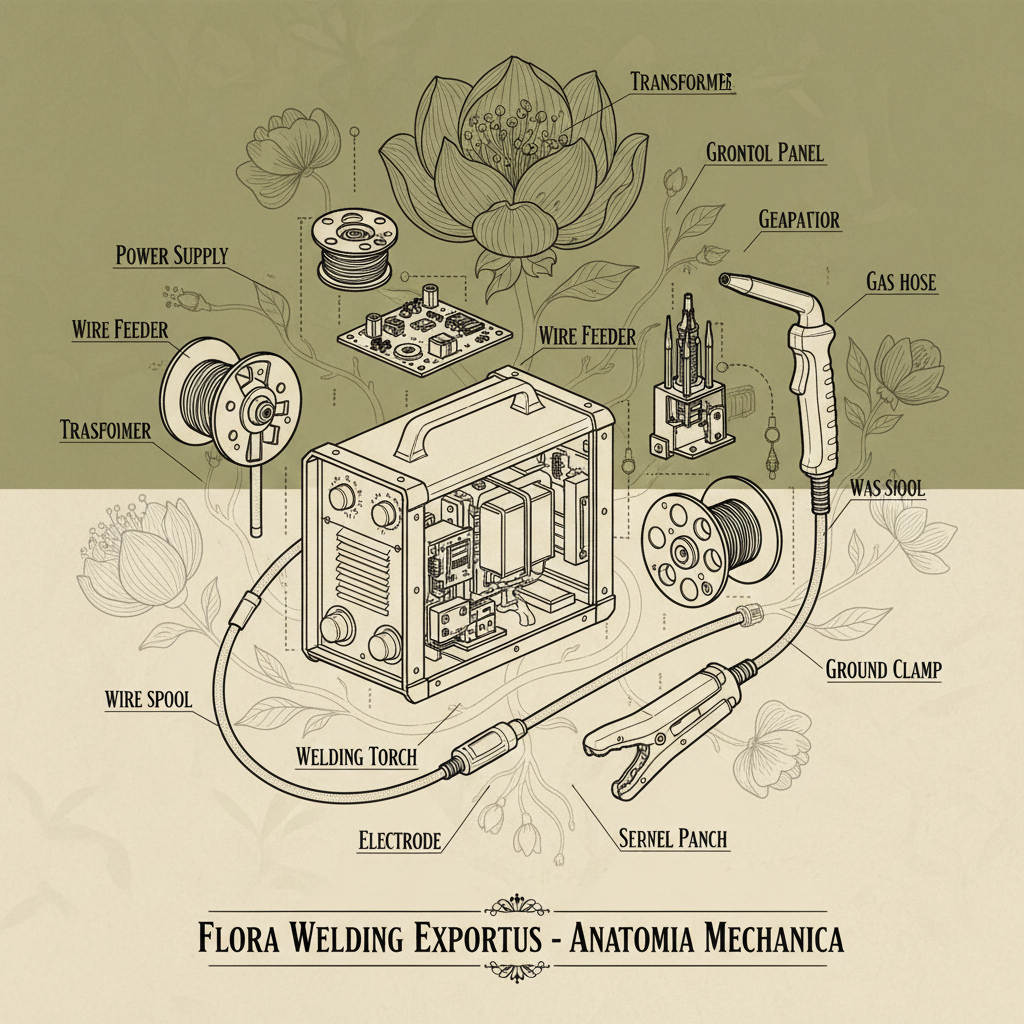
Have you noticed how many small welding machine manufacturers are popping up in China? Seriously, it's like mushrooms after the rain. And most of them are aiming to export. That means a lot of competition, and it drives down prices, which isn’t always a good thing. It also means a lot of… let’s just say “optimistic” quality control. You really need to partner with a welding machine exporter who knows who to trust and who to avoid.
The biggest markets right now, as far as I can tell, are Southeast Asia, South America, and parts of Africa. They're building infrastructure like crazy, and they need reliable, affordable welding equipment. But each market has its own quirks – different voltage standards, different safety regulations, different levels of technical expertise. It’s not as simple as just slapping a sticker on a machine and shipping it off.
Honestly? They focus too much on price. A cheap machine will cost you more in the long run through repairs, downtime, and poor weld quality. You need to consider the total cost of ownership, not just the initial price tag. A good welding machine exporter will help you think about that. It’s about finding the right balance between price and performance, and making sure the machine is fit for purpose.
Crucially important. These machines will break down eventually, it's just a matter of when. You need a supplier who can provide timely and reliable support, spare parts, and technical assistance. A machine is useless if you can’t get it fixed when it fails. A solid welding machine exporter understands this.
Look at the gauge of the metal, the quality of the welds on the housing, and the type of connectors used. The machine should feel solid and well-built. Don’t be afraid to give it a good shake and see if anything rattles. And pay attention to the cooling system – overheating is a major cause of failure.
They have their advantages, for sure – lighter weight, better energy efficiency, and more precise arc control. But they’re also more sensitive to power fluctuations and require more sophisticated maintenance. It depends on the application. For heavy-duty industrial work, a traditional transformer-based machine might still be a better choice.
That depends on the type of metal you’re welding, the thickness of the material, and your skill level. MIG is generally the easiest to learn, but TIG provides the most precise welds. Stick is good for dirty or rusty metal. A good welding machine exporter can help you assess your needs and choose the right process.
The shortage of skilled welders is a huge problem. That’s why there’s so much emphasis on automation and ease of use. Another challenge is keeping up with the rapidly changing technology. And of course, there’s the pressure to reduce costs while maintaining quality. It’s a tough balancing act.
So, there you have it. The world of welding machines is a lot more complex than it seems. It’s not just about specs and features; it's about understanding the real-world challenges faced by the guys on the ground. It’s about building machines that are durable, reliable, and easy to use. It's about providing excellent after-sales support and finding the right balance between price and performance.
Ultimately, whether this thing works or not, the worker will know the moment he tightens the screw. That’s the bottom line. And if you want a machine that passes that test, you need to work with a welding machine exporter who understands that.