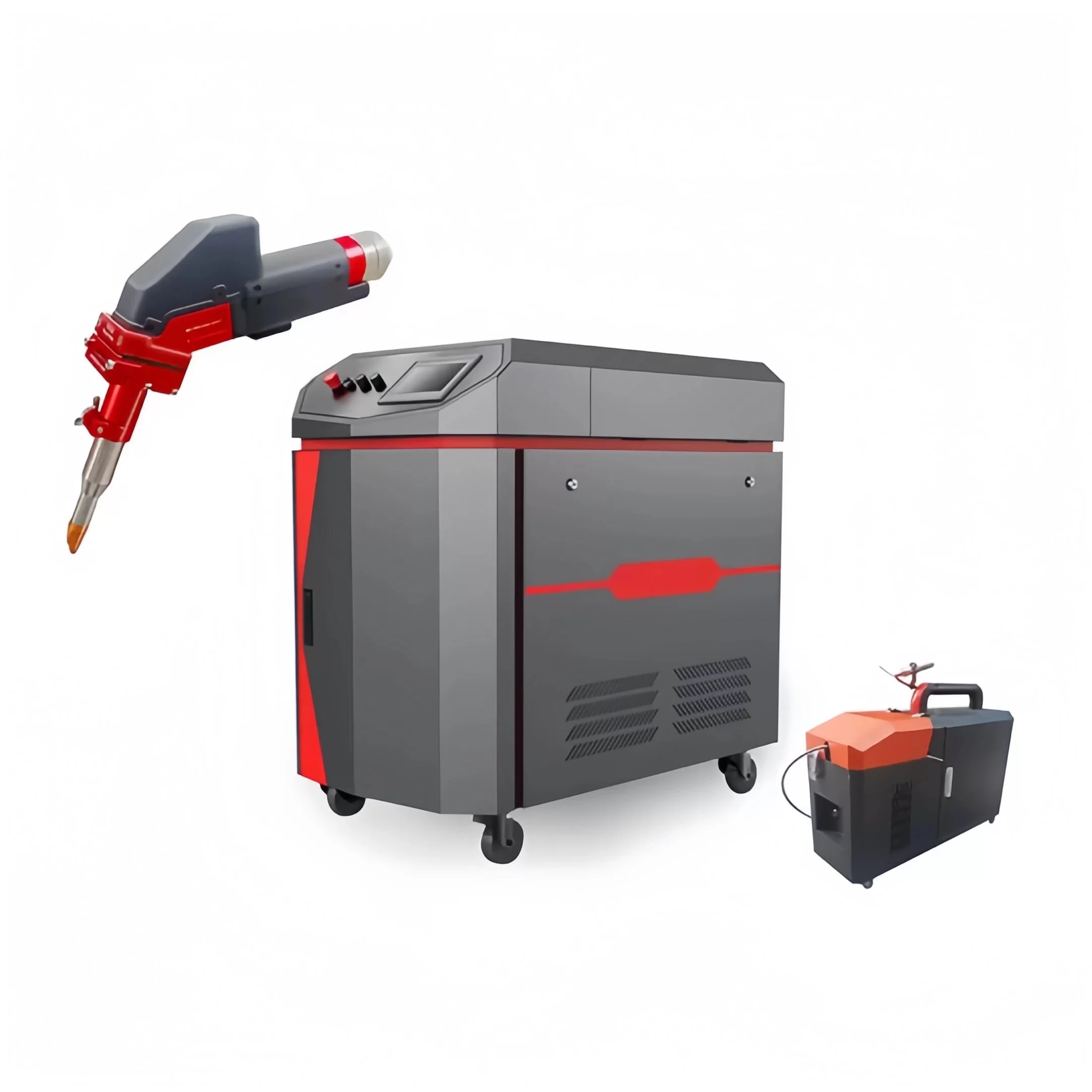


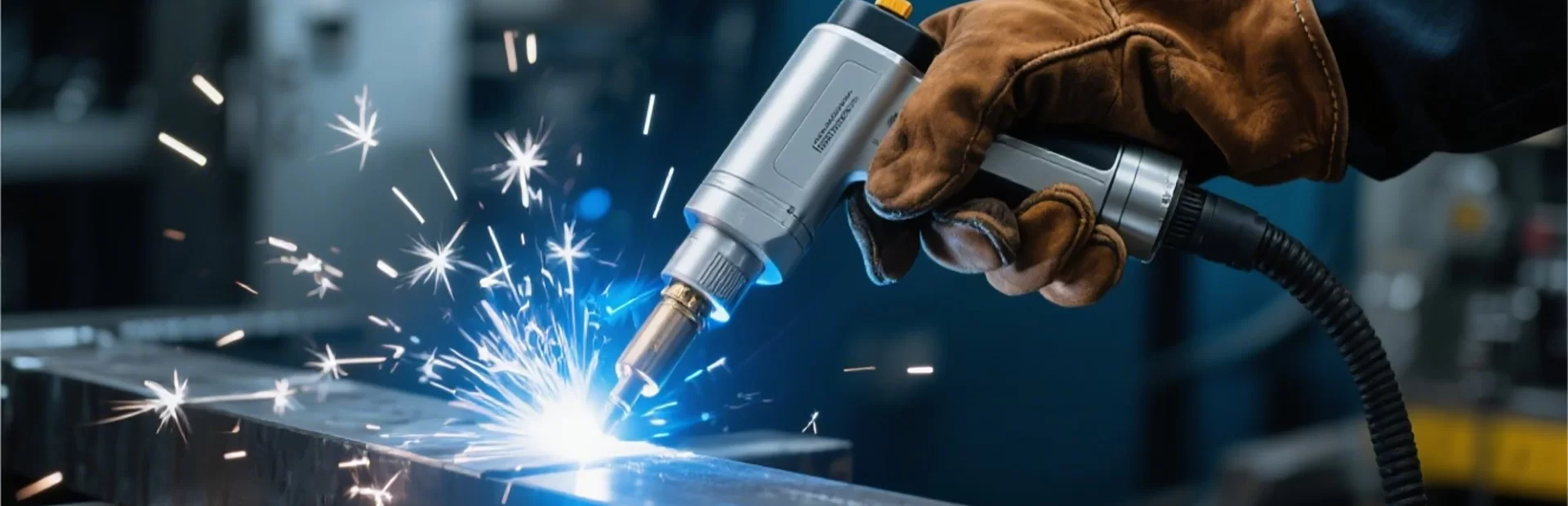


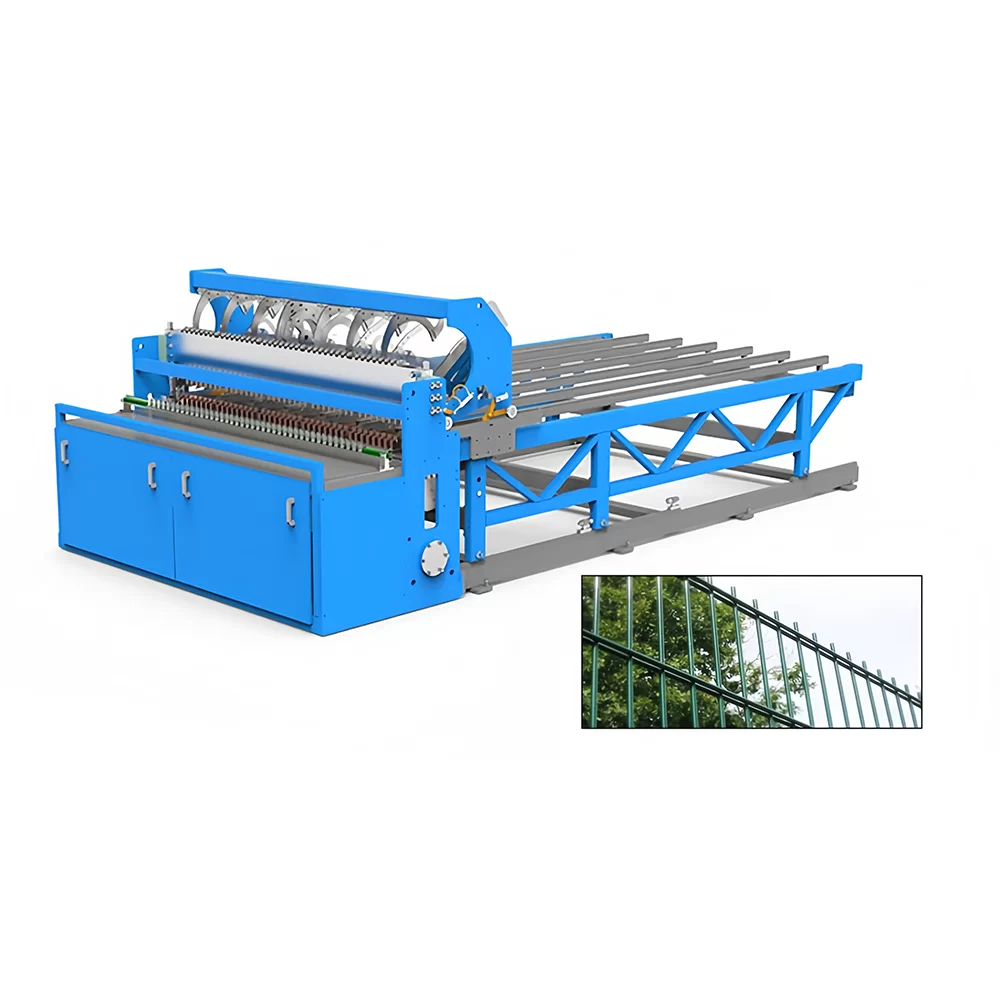
The industrial environment in Equatorial Guinea is characterized by a strong reliance on the energy sector, which creates a significant ripple effect on general manufacturing. To support the maintenance of oil and gas infrastructure, there is a growing demand for a reliable laser cutting machine to fabricate precise components. The intersection of high humidity and coastal salinity in regions like Malabo requires equipment that is not only precise but also durable enough to withstand tropical climates.
As local workshops shift toward higher value-added production, the adoption of an air compressor becomes essential for powering pneumatic tools and ensuring stable air compression across facility lines. The transition from manual labor to semi-automated processes is driving the need for specialized machinery that reduces waste and increases the speed of metal fabrication, allowing local enterprises to compete more effectively in the regional Central African market.
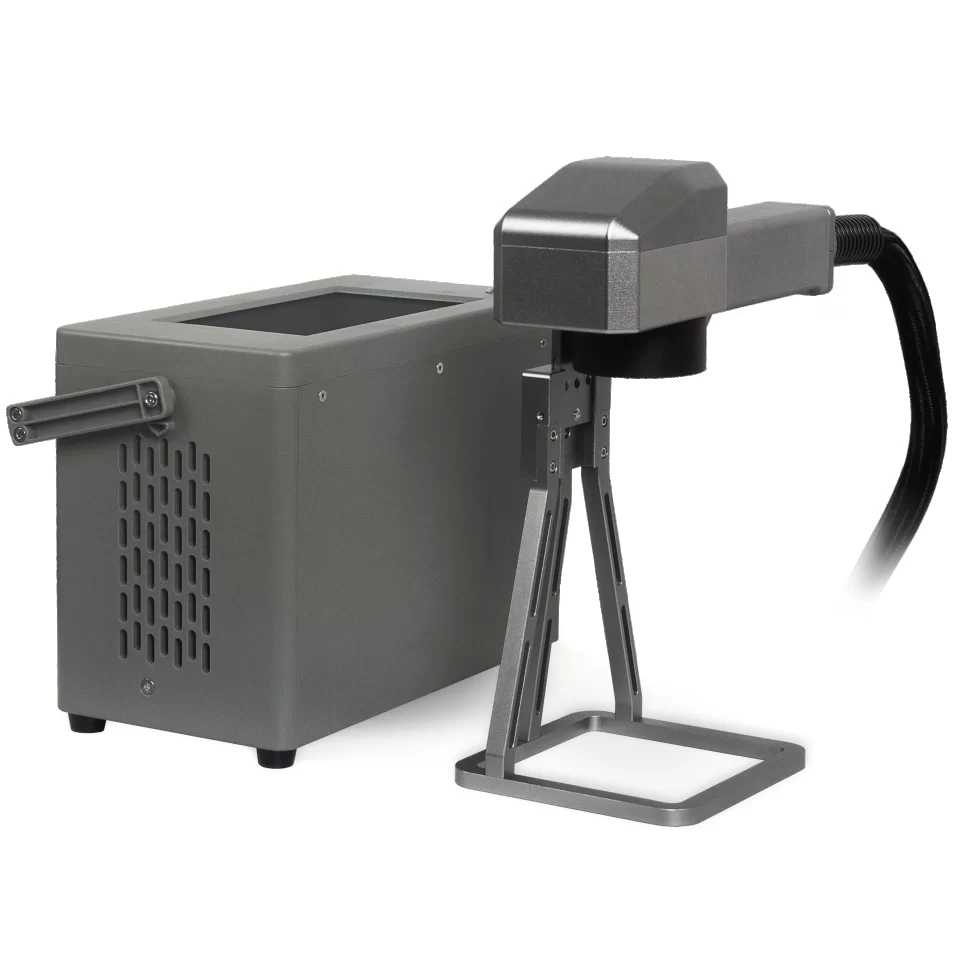
From an industry perspective, the focus is moving toward versatility. Businesses are increasingly seeking multi-functional tools, such as the laser marking machine, to ensure traceability and professional branding on industrial parts. This technical upgrade is supported by a broader trend of industrial diversification, where the goal is to reduce import dependency by strengthening the local capacity for precision machining and assembly.