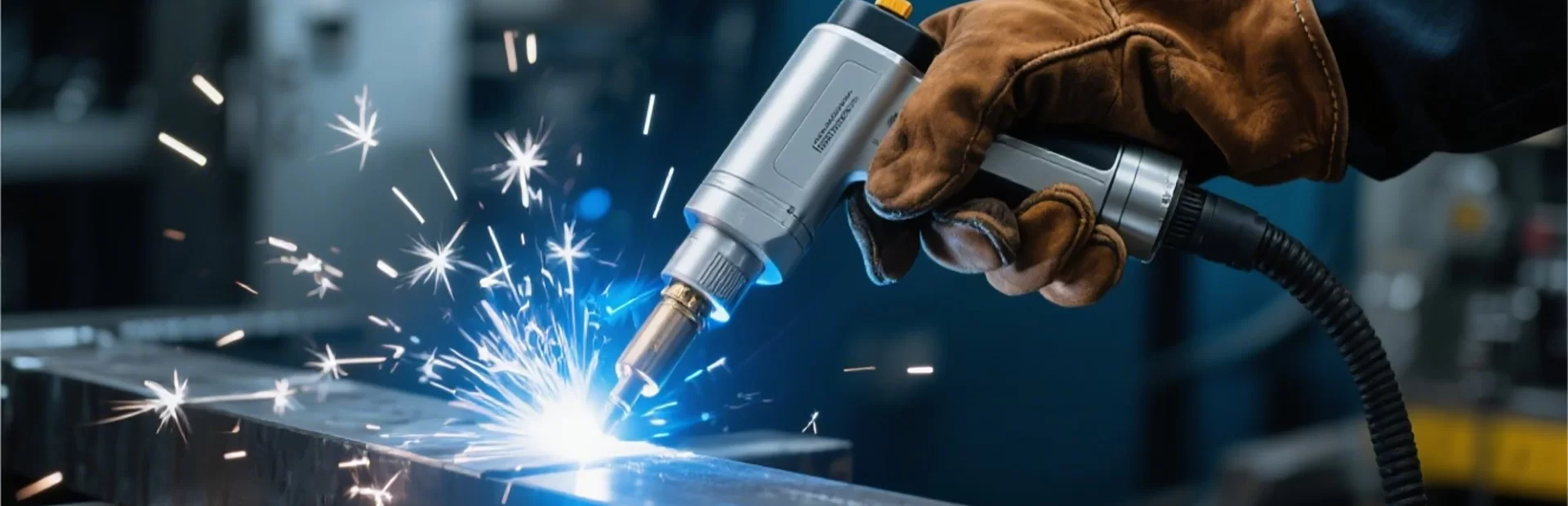
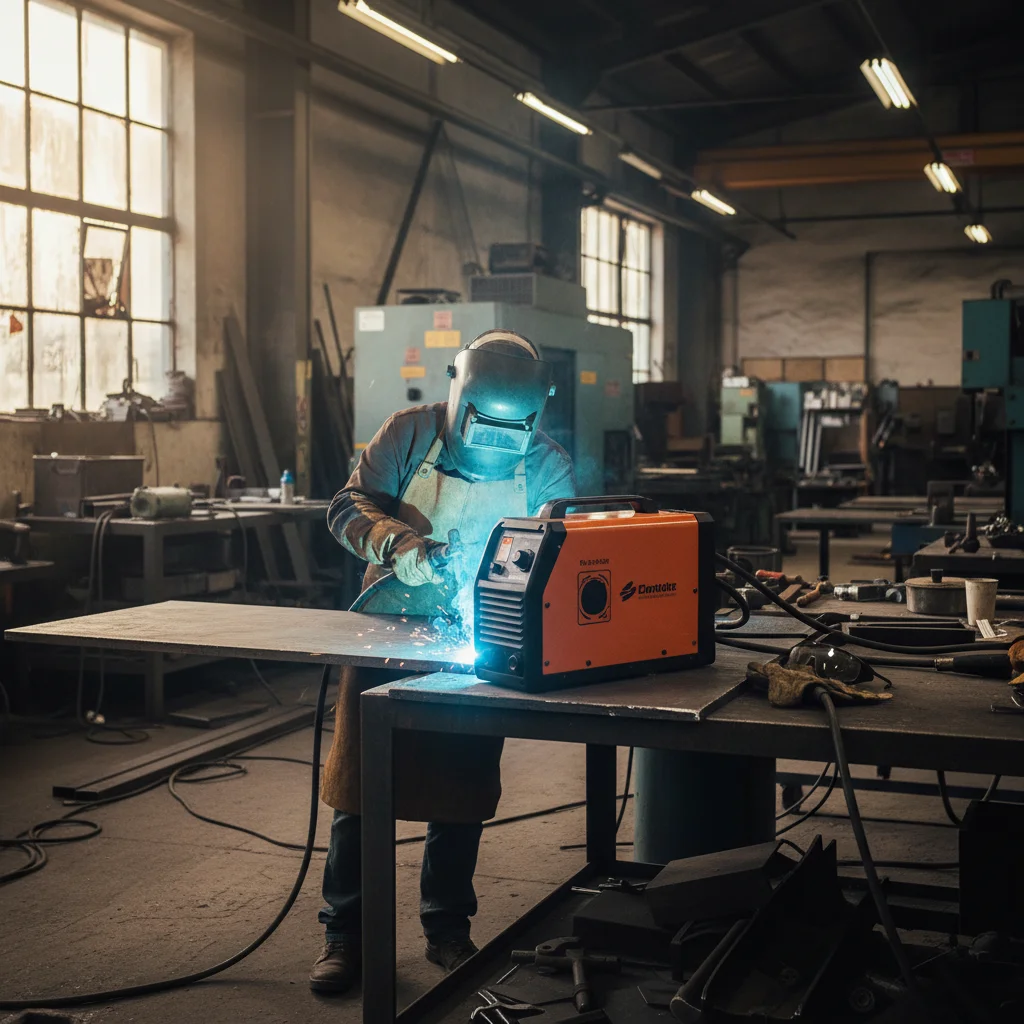
The evolution of industrial fabrication has reached a pivotal juncture where the demand for extreme precision and high-volume output necessitates a departure from traditional mechanical methods. In the realm of high-end metal processing, the integration of automated systems has redefined how we approach the construction of complex tubular structures, ensuring that every joint and cut adheres to rigorous international standards.
Modern manufacturing now relies on the synergy between high-energy-density laser beams and sophisticated Computer Numerical Control (CNC) algorithms to eliminate the inefficiencies of manual sawing and drilling. This transition not only optimizes material usage but also preserves the metallurgical integrity of the components, which is critical for safety-critical applications in the automotive and aerospace sectors.
While some legacy shops still rely on outdated equipment, the adoption of a projection welding machine or advanced CNC laser systems represents a strategic investment in scalability and quality. By minimizing the heat-affected zone and removing the need for secondary deburring, these technologies allow producers to achieve a mirror-like edge quality that was previously unattainable.

Global Relevance of Precision Fabrication
On a global scale, the transition toward Industry 4.0 has placed an unprecedented emphasis on the accuracy of metal fabrication. With ISO standards becoming more stringent, manufacturers in the automotive and structural framing sectors are facing the challenge of reducing waste while increasing the complexity of their designs. Traditional mechanical cutting often fails to meet these requirements, leading to high scrap rates and excessive labor costs for secondary grinding.
The integration of automated CNC systems solves these challenges by providing micrometric accuracy across long workpieces. By implementing these advanced systems, companies can reduce their dependence on manual labor and ensure a consistent quality of output that is compliant with global safety and durability regulations, effectively bridging the gap between prototype design and mass production.
Defining the CNC Laser Tube Paradigm
The CNC Laser Tube Cutting Machine is an automated system that integrates high-energy-density laser beams with precise numerical control to perform cutting, hole opening, notching, and contouring. Unlike traditional methods, this system operates without physical contact, meaning there is no mechanical stress exerted on the tube, which is essential for maintaining the integrity of thin-walled materials.
At its core, this technology replaces the outdated process of manual sawing and drilling. It allows for the processing of round, square, and rectangular profiles with tolerances as tight as 0.05mm. This precision ensures that components fit perfectly during assembly, which is a critical requirement for industries where leak-proof joints and high structural strength are non-negotiable.
By leveraging a non-contact thermal process, the machine significantly minimizes the Heat Affected Zone (HAZ). This prevention of warping and deformation allows manufacturers to work with a broad range of materials, including stainless steel, aluminum, and even non-metals like acrylic, making it a versatile replacement for multiple separate machines in a traditional workshop.
Core Components for High-Volume Production
To achieve industrial-grade output, the system relies on several key technical pillars. The synchronized A-axis drive is perhaps the most critical, as it ensures micrometric synchronization between the rotation of the tube and the movement of the laser head. This allows the machine to execute complex 3D contours with absolute fluidity.
Another essential component is the Dynamic Power Control. When processing square tubes, the laser naturally spends more time at the corners; without automatic adjustment, this would lead to over-burning. By adjusting power in real-time, the system ensures a consistent cut quality, a level of precision often compared to the specialized focus of a projection welding machine in joining applications.
Finally, the intelligent nesting software optimizes the layout of parts on a 6-meter pipe. By calculating the most efficient arrangement, the system maximizes the yield of expensive alloys and reduces raw material waste. This software-driven approach replaces the need for physical molds, allowing for rapid design iterations and a significantly shorter time-to-market.
Efficiency Metrics in Tube Processing
When comparing automated laser cutting to traditional mechanical methods, the difference in productivity is stark. Mechanical cutting requires multiple steps—sawing, drilling, and manual deburring—whereas the CNC system completes these in a single automated pass. This leads to a dramatic reduction in labor costs and an increase in overall throughput.
Furthermore, the edge quality produced by the laser is mirror-like, completely eliminating the need for secondary grinding. This not only saves time but also ensures that the dimensions of the part remain exactly as specified in the CAD drawing, avoiding the "dimensional drift" that often occurs during manual finishing processes.
Comparison of Fabrication Method Performance
Real-World Industrial Applications
In the automotive industry, specifically for exhaust system manufacturing, the ability to cut thin-walled stainless steel with high speed and precision is invaluable. These systems allow for the creation of complex interlocking joints and elliptical holes that facilitate leak-proof welding and significant weight reduction, which is essential for fuel efficiency and emission standards.
Beyond automotive, the technology is widely used in 3D structural framing for architecture and furniture. Because the system can handle round, square, and rectangular tubes up to 6500mm in length, it allows engineers to design intricate, organic frames that would be impossible to fabricate using traditional drilling and sawing, shifting the boundary of what is possible in industrial design.
Strategic Long-Term Value and Sustainability
The long-term value of adopting an automated CNC system lies in its contribution to sustainable manufacturing. By utilizing intelligent nesting logic, material scrap is reduced to an absolute minimum. In an era where the cost of high-grade alloys is volatile, maximizing the yield of every 6-meter pipe directly impacts the bottom line and reduces the environmental footprint of the factory.
From a logical perspective, the reduction in labor intensity—moving from a multi-operator manual process to a single-operator system—allows companies to reallocate human resources to higher-value tasks like quality control and design. This transition increases operational reliability and reduces the risk of human error in critical measurements.
Emotionally and professionally, the shift to such high-precision equipment fosters a culture of innovation. When designers are no longer limited by the constraints of a drill bit or a saw blade, they are encouraged to push the limits of geometry, resulting in products that are not only more functional but also more aesthetically sophisticated.
Future Innovations in Automated Cutting
Looking ahead, the convergence of AI and laser technology is set to further revolutionize tube fabrication. We are seeing the emergence of self-optimizing paths where the machine learns from material variations in real-time, adjusting the focal distance and power to compensate for subtle irregularities in the raw material, ensuring 100% consistency.
Digital transformation is also enabling "Lights-Out Manufacturing," where these machines can operate autonomously for extended periods with minimal human intervention. Integration with cloud-based ERP systems allows for seamless transitions from client order to cutting path, effectively creating a digital thread that connects the customer's vision to the finished metal part.
Sustainability will remain a core driver, with a shift toward lower-energy laser sources and the ability to process recycled alloys without sacrificing precision. This evolution ensures that the industry can meet the growing demand for complex infrastructure while adhering to a green energy transition, maintaining a competitive edge in a global market.
Comparative Analysis of Traditional vs. CNC Laser Tube Cutting
| Performance Metric |
Traditional Mechanical |
CNC Laser System |
Industrial Impact |
| Processing Speed |
Slow (Multi-step) |
Ultra-Fast (Single pass) |
High Volume Output |
| Edge Quality |
Rough (Needs grinding) |
Mirror-like (Clean) |
No Secondary Work |
| Material Waste |
High (Fixed blade) |
Minimal (Nesting) |
Cost Reduction |
| Design Flexibility |
Low (Mold-based) |
Absolute (Software) |
Rapid Prototyping |
| Labor Cost |
High (Manual) |
Low (One operator) |
Operational Efficiency |
| Precision Level |
Low (Manual error) |
±0.05mm Accuracy |
Zero-Defect Production |
FAQS
The machine is highly versatile, capable of processing a wide range of metals such as stainless steel and aluminum, as well as various non-metals including PVC and acrylic. This flexibility makes it suitable for diverse industries, from automotive parts to acrylic displays.
Because laser cutting is a non-contact process, no mechanical stress is exerted on the material. When combined with a minimal Heat Affected Zone (HAZ), it prevents the warping, crushing, or deformation typically caused by mechanical saws or punches.
Yes, the system is specifically designed for round, square, rectangular, and even irregular profiles. It utilizes dynamic power control to ensure that corners of square tubes are not over-burned, maintaining consistent quality across all shapes.
CNC laser cutting offers far higher precision (up to 0.05mm) and eliminates the need for manual deburring. Furthermore, it can create complex interlocking joints and elliptical holes that are physically impossible to achieve with traditional drilling tools.
The machine utilizes high-precision chucks and synchronized motors to maintain micrometric accuracy across the entire length. Real-time sensors monitor any potential tube wobble to maintain a constant focal distance during the rotation and cutting process.
Absolutely. It is ideal for automotive exhaust systems because it can cut thin-walled stainless steel with incredible speed and precision. This ensures a perfect fit for components, facilitating leak-proof welding and contributing to overall vehicle weight reduction.
Conclusion
The shift from manual fabrication to automated CNC laser tube cutting represents more than just a technological upgrade; it is a fundamental shift in industrial efficiency. By integrating high-precision laser beams with intelligent nesting and dynamic power control, manufacturers can achieve mirror-like edge quality and micrometric accuracy while drastically reducing material waste and labor costs.
As we move toward a future defined by Industry 4.0 and sustainable production, the ability to rapidly iterate designs without the need for costly molds will be the primary competitive advantage. We recommend that fabrication shops invest in these automated systems now to ensure their long-term viability and quality standards in an increasingly demanding global market. Visit our website: www.topstarlaser.com