The industrial landscape is witnessing a paradigm shift in joining technologies, where the demand for extreme precision and efficiency has never been higher. In sectors ranging from consumer electronics to aerospace, the ability to create seamless, durable joints in high-reflectivity metals is a critical competitive advantage. The emergence of advanced laser systems has redefined these capabilities, moving beyond the limitations of manual labor to achieve micron-level accuracy.
Traditional welding methods often struggle with material deformation and heat-induced warping, particularly when dealing with delicate components or dissimilar metals. This challenge has paved the way for automated solutions that prioritize thermal control and repeatable precision. As global manufacturing standards evolve, the industry is increasingly turning toward non-contact processes to ensure structural integrity without compromising the aesthetic or functional quality of the workpiece.
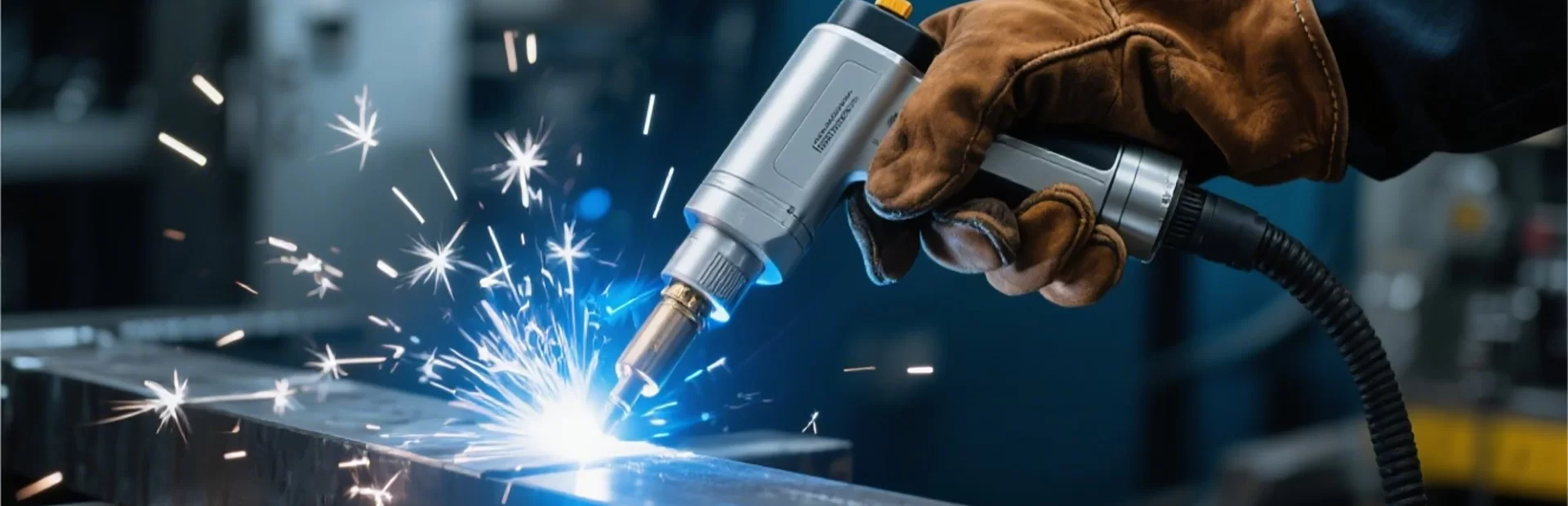
Among these innovations, the integration of CNC automation with laser optics provides a superior alternative to the traditional hand spot welding machine, offering unmatched throughput and consistency. By eliminating human error and minimizing the heat-affected zone, modern automatic platform laser welding machines allow factories to scale production while maintaining the rigorous standards required for medical devices and new energy vehicles.

Evolution from Manual to Automatic Laser Welding
For decades, small-scale joining relied heavily on the operator's skill, often utilizing a hand spot welding machine to secure components. While these tools provided flexibility, they were inherently limited by human variability, leading to inconsistent bead quality and a higher risk of material deformation due to uneven heat application.
The transition to the Automatic Platform Laser Welding Machine marks a leap toward industrial maturity. By replacing manual triggers with CNC-guided trajectories and micron-level beam spots, the process transforms from an art into a science, ensuring that every single weld is an exact replica of the digital design, regardless of the production volume.
Core Technical Components for Precision Joining
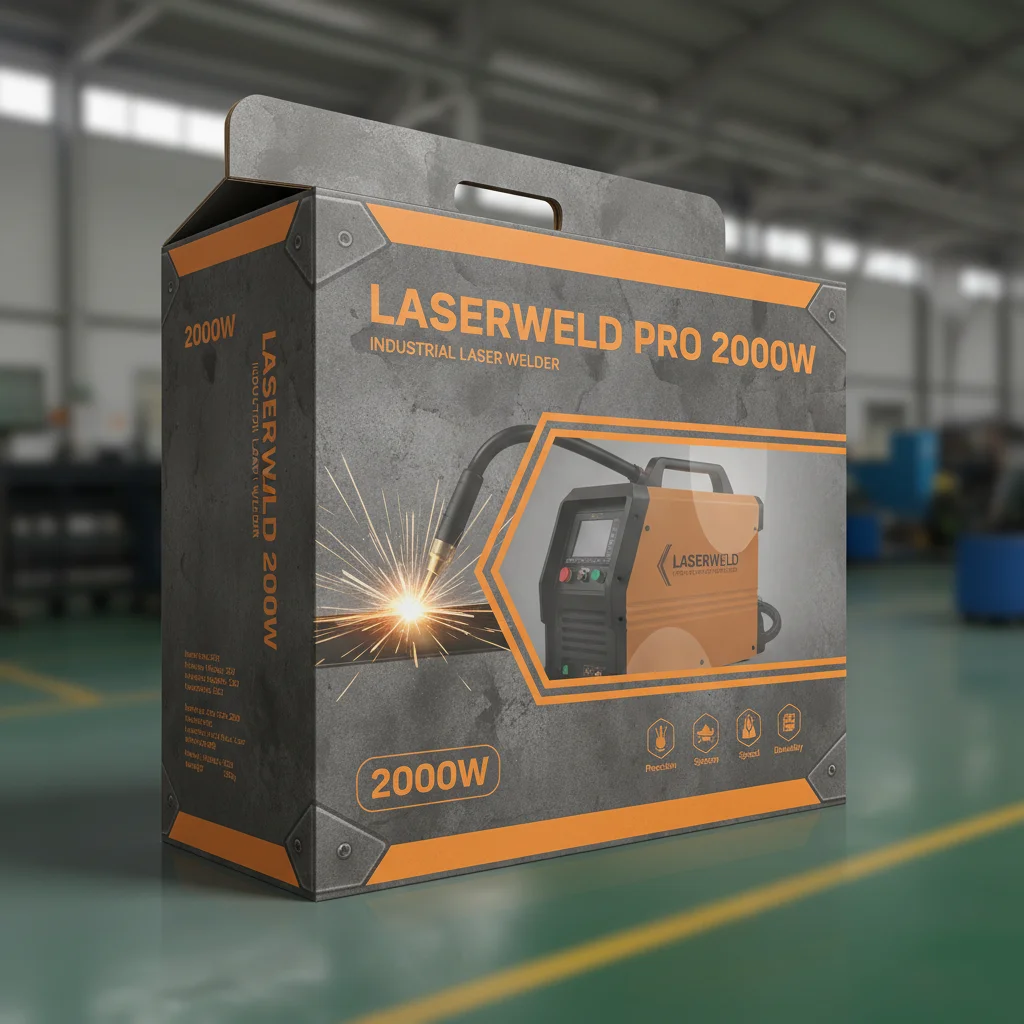
At the heart of this system is a high-power laser source, available in 1500W, 2000W, and 3000W configurations. This power flexibility allows users to tailor the energy density to the specific requirements of the material, ensuring that whether they are welding thin foils or structural plates up to 8mm, the penetration is consistent and the seam is secure.
The integration of an industrial water cooling system is paramount for maintaining microstructural integrity. By aggressively managing thermal loads, the machine prevents overheating of the optics and the workpiece, which is essential for maintaining the high-precision tolerances required in the electronics and medical industries.
Complementing the laser is the CNC automation platform, which utilizes high-precision linear motors. This component ensures that the welding head moves along a pre-optimized path with sub-millimeter repeatability, effectively removing the instability associated with a manual hand spot welding machine.
Material Versatility and High-Reflectivity Processing
One of the most significant challenges in industrial welding is the processing of high-reflectivity metals such as gold, silver, copper, and aluminum. Traditional tools, including the standard hand spot welding machine, often struggle with these materials as the laser energy is reflected away from the surface, leading to unstable melt pools.
Our automatic platform system overcomes this by employing high-density energy focus and optimized power parameters. By utilizing 2000W or higher power settings, the machine can break through the reflectivity barrier of copper and aluminum, achieving a stable, deep-penetration weld that ensures maximum structural integrity.
Beyond single-metal applications, the system excels in dissimilar metal welding. By precisely controlling the cooling rates and energy distribution, it creates strong metallurgical bonds between different materials, a feat that is nearly impossible to achieve consistently with a manual hand spot welding machine.
Productivity Gains via CNC Automation
The shift from manual operation to CNC automation directly impacts a factory's bottom line by increasing throughput and reducing labor overhead. While a operator with a hand spot welding machine is limited by fatigue and manual alignment, the automatic platform can operate 24/7, delivering consistent results across thousands of cycles.
This automation extends to the software level, where intelligent path optimization allows for the design of complex welding trajectories. This ensures that even the most intricate components in new energy vehicles or medical devices are welded with absolute precision and zero contamination.
Performance Comparison: Manual vs. Automatic Systems
Industrial Applications and Sector Impact
In the medical device sector, where contamination is a critical concern, the non-contact nature of automatic laser welding is indispensable. Unlike a hand spot welding machine that may require filler wires or mechanical clamping, this system operates without physical contact, making it ideal for ISO Class 5 cleanrooms used in producing pacemakers and surgical instruments.
Similarly, the new energy vehicle industry relies on this technology for battery tab welding and sensor housing. The ability to weld copper and aluminum with minimal heat-affected zones prevents the degradation of sensitive electronic components, ensuring that the structural integrity of the vehicle's power system is never compromised.
Quality Assurance and Data Traceability
Modern quality standards, such as ISO, require strict traceability for every component produced. While a manual hand spot welding machine leaves no digital footprint, the automatic platform records and stores every process parameter—power, speed, and trajectory—for every single weld.
This data archiving allows quality control managers to review welding logs for each workpiece, facilitating rapid root-cause analysis in the event of a failure. It transforms the welding process from a "black box" into a transparent, auditable workflow.
Furthermore, the use of pre-configured material presets for stainless steel, copper, and aluminum eliminates the "trial and error" phase. This ensures that production starts with the optimal settings, drastically reducing material waste and ensuring a first-pass yield that far exceeds manual methods.
Long-Term Investment Return and Efficiency
When evaluating the return on investment, the initial cost of an automated system is offset by the massive reduction in labor costs and material waste. By eliminating the need for highly skilled manual welders—who are often in short supply—factories can transition to operator-managed systems that maintain sub-millimeter consistency.
The reduction in the heat-affected zone (HAZ) also means fewer secondary finishing processes. Because the laser focuses energy into a micron-level spot, there is virtually no deformation, removing the need for post-weld grinding or straightening that often accompanies traditional methods or the inconsistent application of a hand spot welding machine.
Ultimately, the shift toward automation is a shift toward sustainability. With near-zero material waste (autogenous welding) and lower energy consumption per unit, the automatic platform laser welder is not just a productivity tool, but a strategic asset for the green manufacturing era.
Comparison of Automatic Laser Welding vs. Traditional Methods
| Metric |
Traditional (TIG/MIG) |
Manual Spot Welding |
Automatic Laser |
| Production Speed |
Low / Manual |
Medium |
Ultra-High / Automated |
| Heat-Affected Zone |
Broad (High Warp) |
Moderate |
Minimal (Precision Fit) |
| Labor Requirement |
High Skilled Labor |
Medium Skilled |
Low (Operator Managed) |
| Material Waste |
High (Filler Wire) |
Low |
Near Zero (Autogenous) |
| Repeatability |
Variable |
Inconsistent |
Sub-millimeter Consistency |
| Traceability |
Manual Logs |
None |
Digital Process Logs |
FAQS
For high-reflectivity metals like copper and aluminum, we recommend 2000W or higher. These materials require higher initial power to overcome the reflectivity barrier and achieve a stable melt pool, which is far more effective than what a standard hand spot welding machine can provide.
Yes, the automatic platform laser welding machine is highly capable of joining different metals. By precisely controlling energy density and cooling rates, it ensures a strong metallurgical bond between dissimilar materials with high stability.
CNC automation utilizes high-precision linear motors to ensure sub-millimeter repeatability. This eliminates the human error inherent in using a hand spot welding machine and ensures that every weld in a batch is identical in depth, width, and strength.
Absolutely. Because it is a non-contact process and requires no filler wire, it minimizes contamination. It can be seamlessly integrated into ISO Class 5 cleanrooms for the production of critical tools like surgical instruments or pacemakers.
The 1500W model is ideal for materials with a thickness of up to 3mm. This makes it the "sweet spot" for most automotive sensors and miniaturized consumer electronics where precision is more critical than extreme depth.
By focusing energy into a micron-level spot and utilizing ultra-short pulses, the material reaches its melting point and solidifies almost instantly. This prevents heat from spreading to surrounding areas, a precision unattainable with a traditional hand spot welding machine.
Conclusion
The transition from the manual capabilities of a hand spot welding machine to the sophisticated power of an automatic platform laser welder represents a critical upgrade for any modern factory. By integrating CNC precision, high-power laser optics, and comprehensive data traceability, manufacturers can achieve a level of consistency and quality that was previously impossible. The ability to process high-reflectivity metals with minimal thermal distortion ensures that structural integrity and aesthetic perfection are maintained across all production batches.
As the global industry moves toward Industry 4.0, the adoption of automated, non-contact joining technologies will be the deciding factor in operational scalability and product reliability. We encourage manufacturers in the electronics, medical, and automotive sectors to embrace this digital transformation to reduce waste, lower labor costs, and set new standards for precision. Visit our website to learn more: www.topstarlaser.com