The global packaging landscape is undergoing a seismic shift toward hyper-personalization and rapid fulfillment. In this high-pressure environment, the ability to produce high-definition, double-sided printed packaging without the constraints of traditional plate-making has become a critical competitive advantage for modern enterprises.
Efficiency in the industrial printing sector is no longer just about volume, but about the agility to handle small-batch customization. Transitioning from rigid, days-long setup processes to instantaneous digital imports allows brands to react to market trends in real-time, drastically reducing the time-to-market for new product launches.
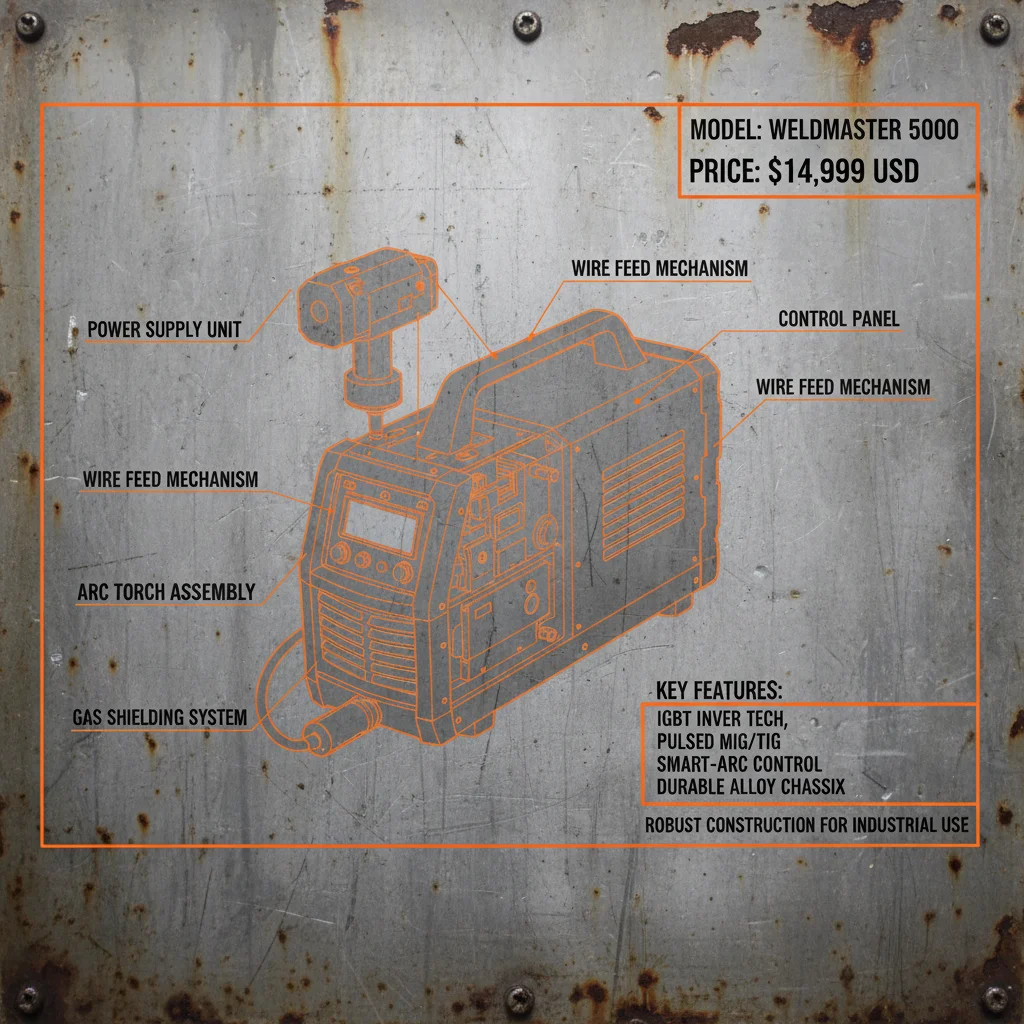
By implementing an advanced one-pass digital solution, businesses can optimize their entire production chain, from labor costs to material waste. This evolution in technology is as transformative for the packaging industry as the handy welding machine has been for portable metal fabrication, bringing precision and flexibility to the fingertips of the operator.

The Evolution of Plate-less Customization
Traditional printing methods have long been plagued by the "plate bottleneck," where the creation of physical printing plates adds significant costs and days of waiting to every new design. The shift toward one-pass digital technology removes this barrier entirely, allowing for direct pattern imports that enable immediate production.
This transition is particularly vital for small-batch orders where plate costs often exceed the value of the print run itself. By digitizing the process, enterprises can now offer bespoke packaging options to clients without sacrificing profitability, effectively democratizing high-end customization.
High-Definition Output and Color Precision
Achieving professional-grade visual appeal requires more than just speed; it requires exacting precision. The integration of HP industrial nozzles ensures that every drop of ink is placed with microscopic accuracy, supporting resolutions up to 1200x1200 dpi for a sharp, vivid finish.
Consistency across double-sided prints is one of the most challenging aspects of packaging. Through advanced color management systems, this technology ensures that the front and back of the paper bag maintain a unified brand identity, eliminating the blurred edges or color shifts common in lower-end systems.
For luxury sectors such as cosmetics and high-end retail, the visual quality of the packaging is an extension of the product itself. High-definition digital output allows for complex gradients and fine text that were previously only achievable through expensive offset printing.
Material Adaptability for Industrial Coils
A printing system is only as effective as the materials it can handle. The current industrial standard demands versatility, requiring the ability to print on various absorbent coils, including kraft paper and carton base paper, without causing ink bleeding or substrate warping.
Much like how a handy welding machine must adapt to different metal gauges, this digital printer is optimized for a wide range of absorbent materials. This ensures that the ink adheres firmly to the surface, providing a durable finish that withstands the rigors of transport and handling.
The use of a custom guide rail system for automatic feeding further enhances material stability. By ensuring the paper moves at a constant speed and alignment, the system prevents registration errors, ensuring that double-sided prints align perfectly every time.
Operational Efficiency and Labor Reduction
The complexity of industrial printing traditionally required a multi-person team to manage plate setup, ink mixing, and machine alignment. Modern digital systems have streamlined this into a single-person operation, where an intuitive control interface manages the entire workflow.
By reducing the manpower required for each run, companies can significantly lower their overhead and operational risk. The automatic feeding system and digital calibration tools eliminate the need for manual adjustments, allowing one operator to manage multiple production cycles.
Operational Efficiency Comparison: Digital vs Traditional
Cost Optimization and TCO Analysis
The Total Cost of Ownership (TCO) in digital printing is drastically lower than in traditional setups due to the elimination of consumable plates. Beyond the initial hardware investment, the removal of plate-making fees transforms the cost structure from a high-fixed-cost model to a variable-cost model.
Material waste is also significantly reduced. In traditional printing, hundreds of sheets are often wasted during the calibration phase to ensure color accuracy. Digital precision allows for "first-print" accuracy, meaning the very first item off the line is production-ready, maximizing substrate utilization.
Versatile Print Layouts for Diverse Sectors
Modern packaging must serve diverse industries, from the fast-paced catering sector requiring takeaway boxes to the sophisticated cosmetics industry needing gift bags. The ability to support multi-image combined printing allows a single roll of material to contain multiple different designs.
This flexibility means that a business can fulfill ten different small orders for ten different clients in one continuous production run. This eliminates the downtime usually associated with switching designs, drastically increasing the daily throughput of the facility.
Furthermore, adjustable print widths (from A4 to A3 dimensions) ensure that the equipment can scale with the business. As a company grows and its product range expands, the hardware remains relevant, supporting a variety of packaging specifications without requiring an equipment overhaul.
Digital Workflow and Production Management
The integration of an intelligent order management system transforms the printer from a piece of machinery into a full-scale production hub. By linking digital design files directly to the print queue, the margin for human error is virtually eliminated.
Real-time monitoring of ink levels and material consumption prevents unexpected downtime. This proactive approach to maintenance ensures that production schedules are met with surgical precision, providing peace of mind for managers handling tight deadlines.
Ultimately, the move toward a digital workflow enables rapid prototyping. Designers can test a new bag layout and have a physical sample in minutes, accelerating the R&D process and allowing for a more iterative and creative approach to packaging design.
Comparative Analysis of Digital vs Traditional Printing Workflows
| Metric |
Traditional Plate Printing |
Our Digital Setup |
Impact on ROI |
| Setup Time |
Days (Plate making) |
Minutes (Direct Import) |
High Speed |
| Minimum Order (MOQ) |
High (Cost barrier) |
Very Low (Single piece) |
Market Expansion |
| Labor Requirement |
Multi-person Team |
One-person Operation |
Reduced Overhead |
| Material Waste |
High (Calibration) |
Minimal (Precision) |
Cost Savings |
| Response Speed |
Slow / Rigid |
Instant / Flexible |
Competitive Edge |
| Color Consistency |
Manual Adjustment |
Digital Calibration |
Brand Trust |
FAQS
The printer is specifically optimized for water-absorbent coils. This includes kraft paper, carton base paper, and various raw materials used for paper cup packaging. This optimization ensures high ink adhesion and prevents ink spreading, resulting in professional, crisp prints.
By utilizing a plate-less system, you completely eliminate the upfront costs of designing and manufacturing physical plates. Additionally, it removes the waste associated with plate setup and calibration, making small-batch, personalized customization economically viable for the first time.
Yes, the equipment supports multi-image combined printing. This allows operators to flexibly place various designs, different logos, or personalized elements on a single substrate, making it ideal for fulfilling multiple small orders in one production run.
The system supports multiple resolution settings to balance speed and quality, with the highest reaching 1200x1200 dpi. This level of detail is essential for high-end cosmetics and luxury retail packaging where fine text and vivid imagery are required.
Absolutely. The system is engineered for one-person independent operation. With an intuitive control interface and a precision automatic feeding guide rail system, the operator can handle the entire process from file import to final output without additional assistance.
The catering industry (for customized takeaway boxes), the cultural and creative sector (for unique souvenirs), and the cosmetics industry (for branded gift bags) benefit most. These sectors typically require high-frequency, low-volume customized packaging to stay relevant.
Conclusion
The transition to one-pass digital double-sided printing represents a fundamental shift in packaging production. By eliminating the plate-making bottleneck, enhancing resolution to 1200 dpi, and enabling single-person operation, this technology solves the most persistent pain points of small-batch customization. The combination of material versatility and digital precision ensures that brands can maintain premium quality while drastically reducing their time-to-market and operational costs.
Looking forward, the integration of digital workflows will only deepen, further blurring the line between design and production. For enterprises aiming to enhance their brand competitiveness in an era of personalization, investing in flexible, plate-less technology is no longer optional—it is a strategic necessity. Embrace the digital revolution to ensure your packaging is as agile as your business goals.