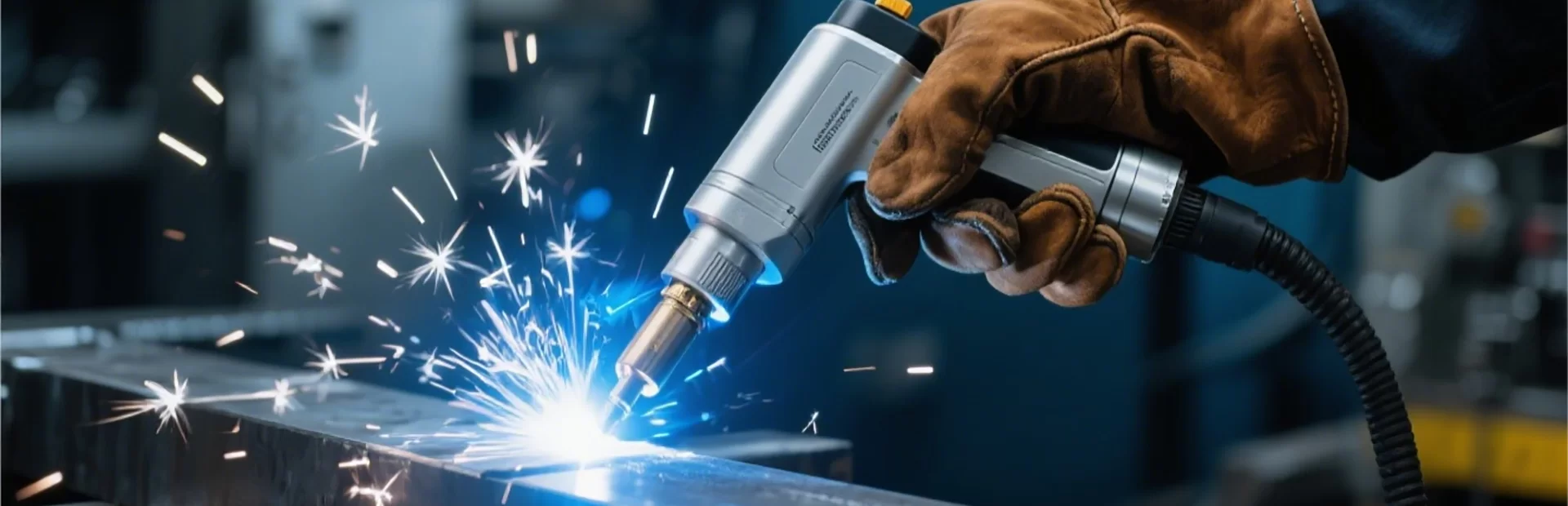
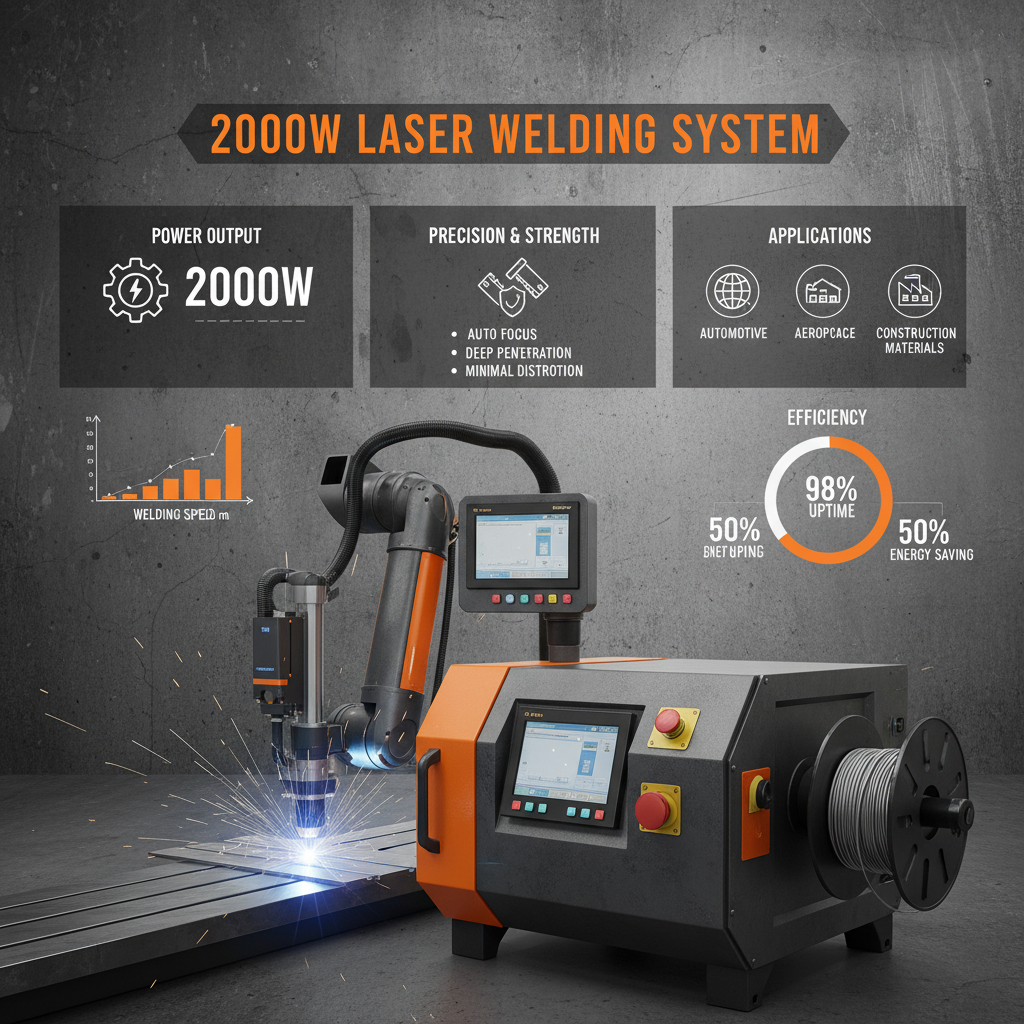
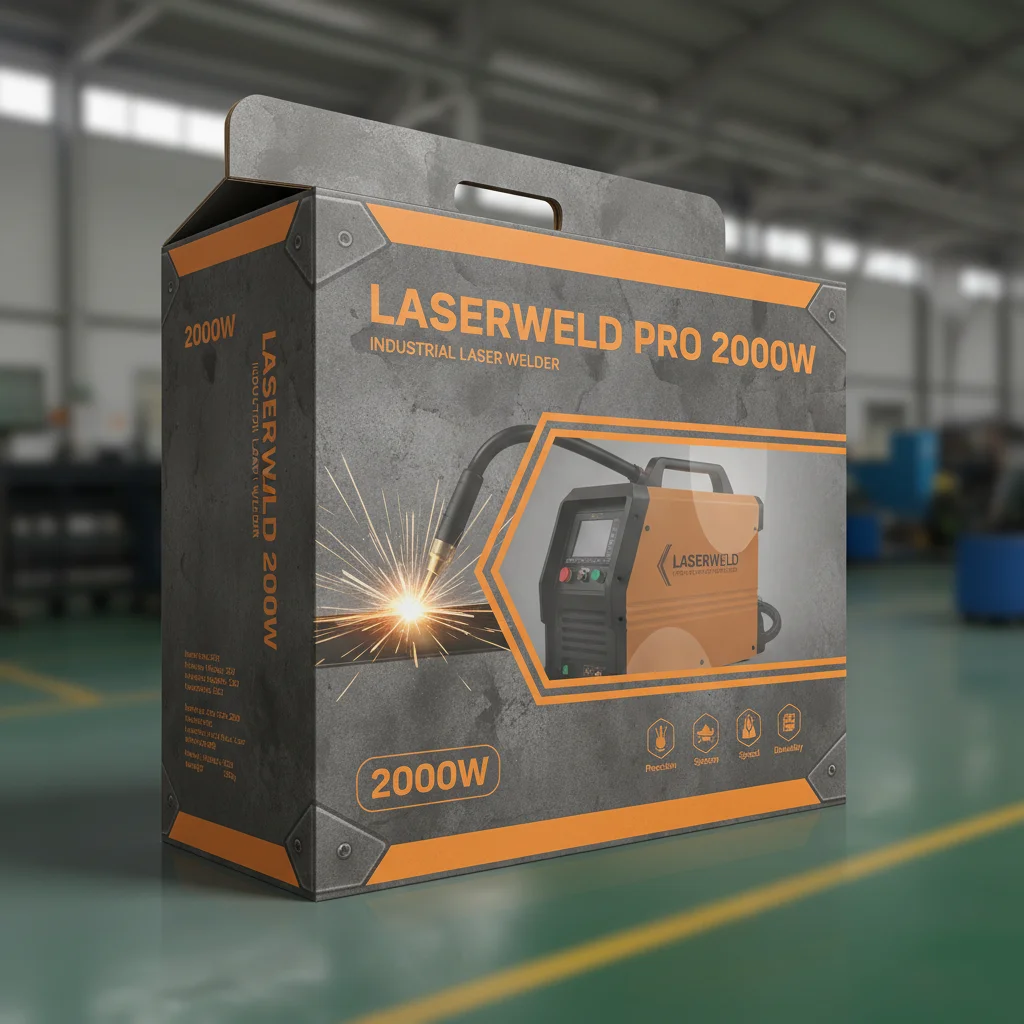
The evolution of precision joining technology has reached a pivotal milestone with the introduction of the 2000w laser welding machine. In an era where industrial efficiency and structural integrity are paramount, this high-power density tool offers a transformative approach to fusing metals, reducing thermal distortion and increasing throughput across various manufacturing sectors.
Integrating a 2000w laser welding machine into a production line is no longer just an upgrade; it is a strategic necessity for companies aiming to meet ISO quality standards while minimizing waste. By utilizing a concentrated beam of light, these machines achieve deep penetration and narrow weld beads, ensuring that joints are both aesthetically clean and mechanically superior.
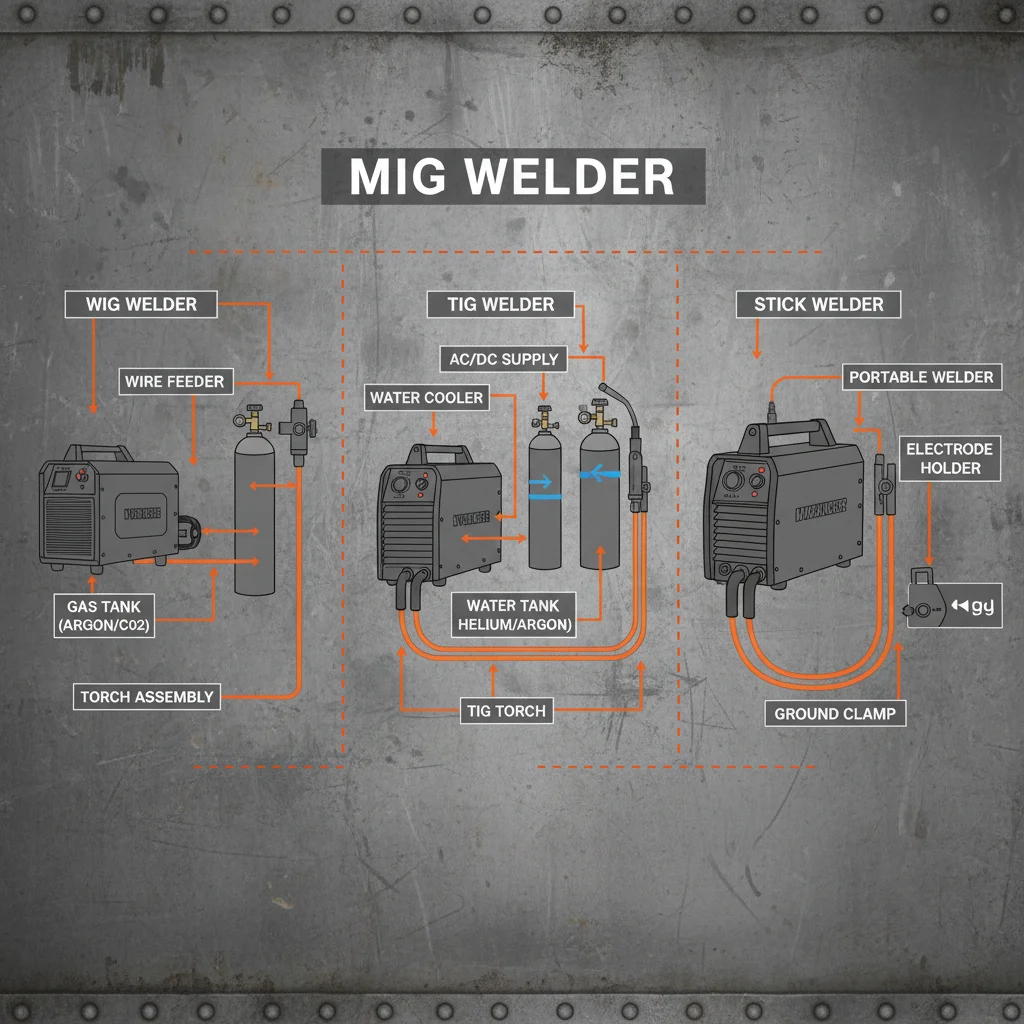
Understanding the capabilities of the 2000w laser welding machine allows manufacturers to transition from traditional TIG or MIG welding to a more automated, consistent process. This shift not only enhances the safety of the operating environment but also opens new possibilities for designing complex geometries that were previously impossible to weld.
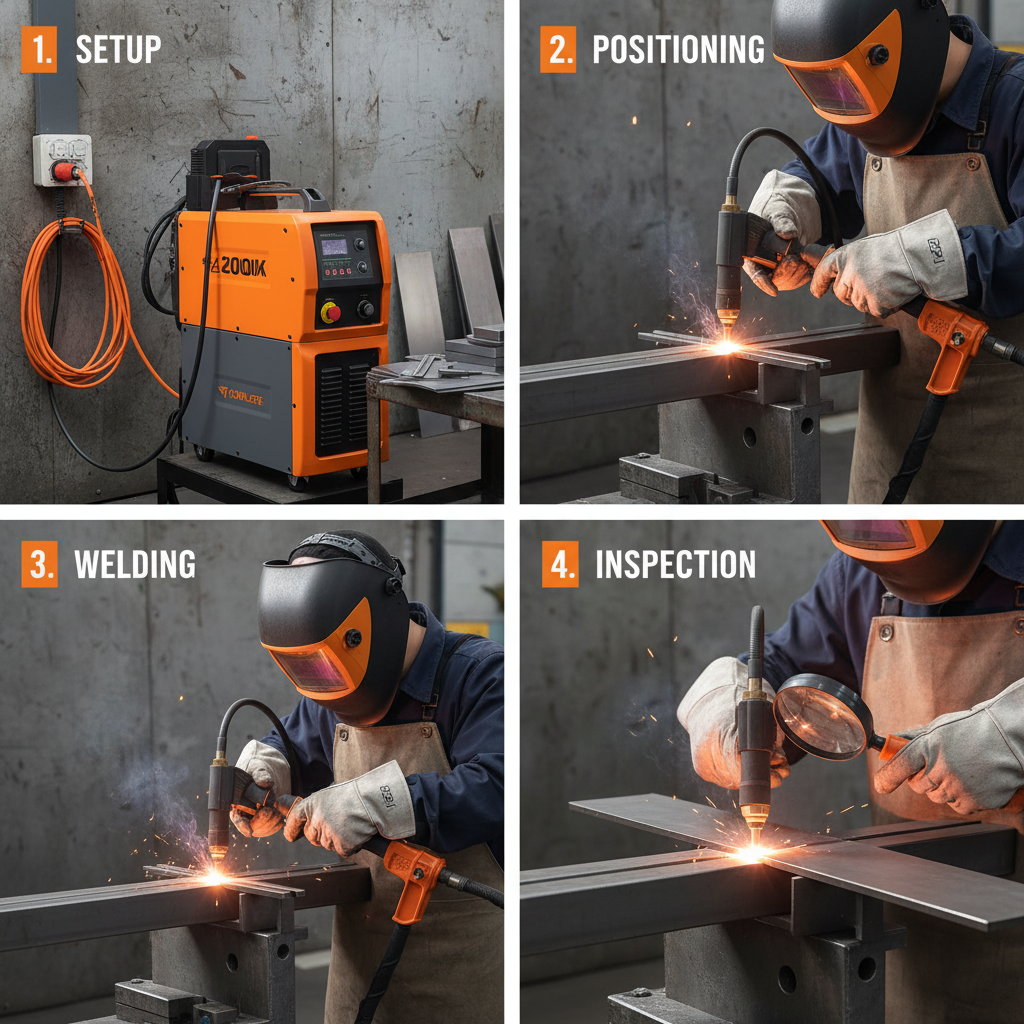
Global Industry Relevance of 2000w Laser Welding
On a global scale, the adoption of the 2000w laser welding machine has become a benchmark for competitiveness in the high-end equipment manufacturing sector. As industries shift toward lightweight materials and miniaturization, the need for a welding source that provides extreme precision without compromising strength has surged. Data from international manufacturing indices suggest that precision laser systems have reduced post-weld grinding time by up to 60% in automotive and aerospace assemblies.
The primary challenge addressed by this technology is the "heat-affected zone" (HAZ) typical of traditional welding. By employing a 2000w laser welding machine, manufacturers can concentrate energy into a microscopic spot, ensuring that the surrounding metal remains stable. This prevents warping and internal stress, which is critical for components used in high-pressure environments or extreme temperature fluctuations.
Technical Definition and Industrial Meaning
A 2000w laser welding machine is an advanced industrial system that utilizes a 2000-watt fiber laser source to melt and fuse metallic materials. Unlike arc welding, which relies on an electric current between an electrode and the workpiece, this machine uses coherent light to create a "keyhole" effect, allowing for deep, narrow welds with an incredibly high aspect ratio.
In the context of modern industry, this machine represents the convergence of optics and metallurgy. It bridges the gap between low-power precision marking and heavy-duty industrial cutting. For the gas compression machinery sector, for example, it allows for the hermetic sealing of valve components and compressor housings with absolute confidence in leak-proof performance.
Beyond the technical specs, the meaning of this technology lies in "precision scalability." It empowers small to medium enterprises (SMEs) to achieve aerospace-grade weld quality without requiring a massive footprint or an army of highly specialized manual welders, effectively democratizing high-precision manufacturing.
Core Components and Performance Factors
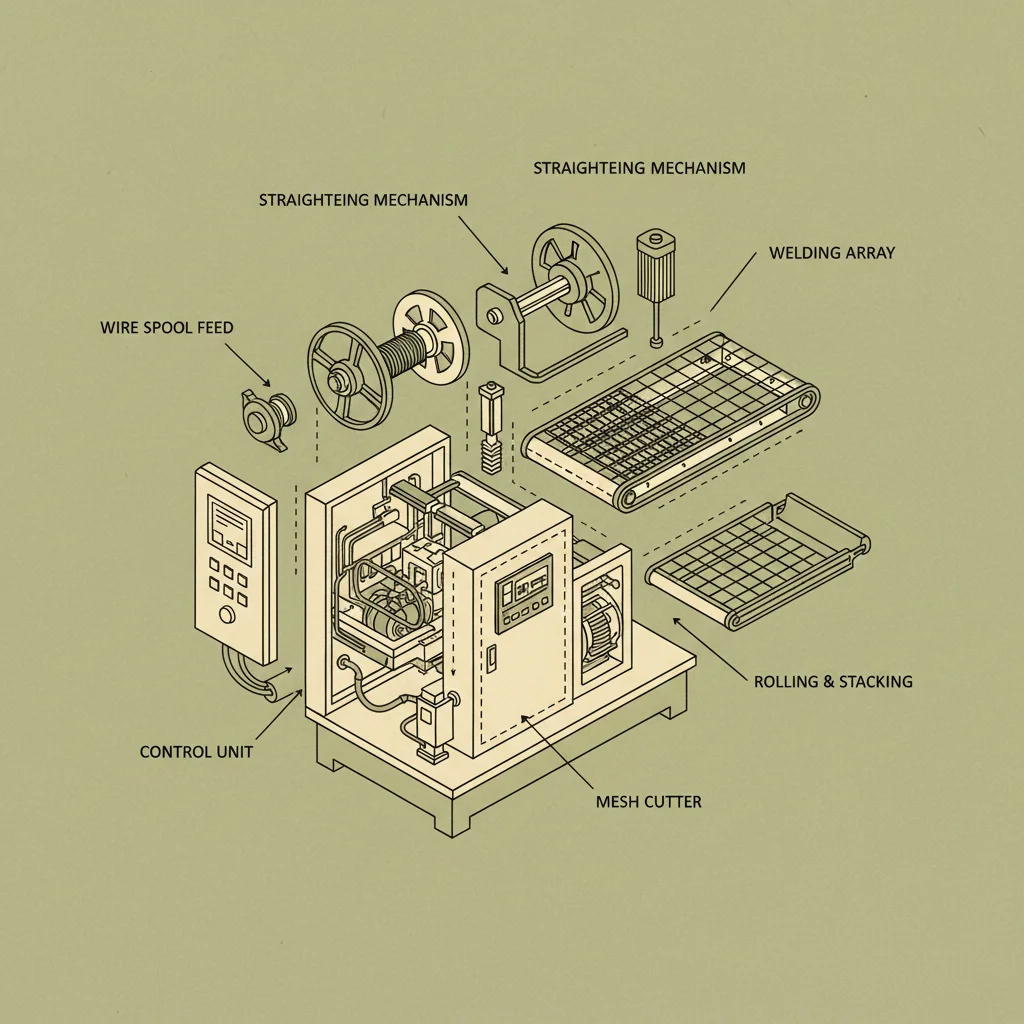
The efficiency of a 2000w laser welding machine is governed by several critical factors, primarily the stability of the laser source and the precision of the optical delivery system. A high-quality fiber laser ensures that the 2000W output remains consistent over thousands of hours of operation, preventing weld porosity and inconsistent penetration depths.
Another pivotal element is the "Focusing Lens and Head Design." The 2000w laser welding machine must maintain a precise focal point to ensure the energy density is sufficient to pierce the material. Any deviation in the focal length can lead to a wider weld bead and increased heat input, which defeats the purpose of using a laser system over traditional methods.
Finally, the integration of advanced cooling systems is essential. Since the 2000w laser welding machine generates significant thermal energy, industrial-grade chillers are used to keep the optics and the laser diode at a constant temperature, ensuring that the beam quality (M2 factor) remains optimal for high-speed production.
Practical Application and Use Case Analysis
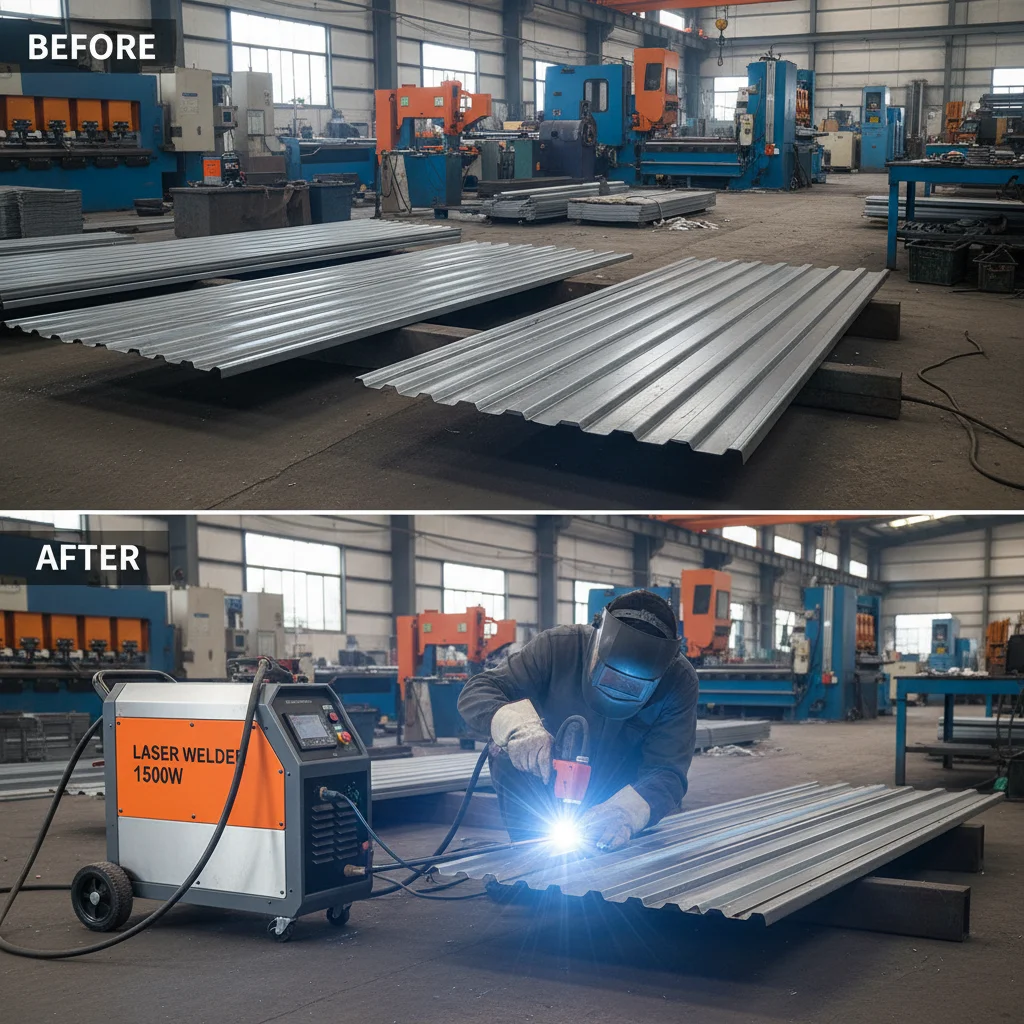
The versatility of the 2000w laser welding machine makes it indispensable across diverse sectors. In the automotive industry, it is widely used for welding battery trays for electric vehicles (EVs), where precision and minimal heat input are required to avoid damaging sensitive battery cells. In medical device manufacturing, these machines create seamless joints in surgical instruments that must withstand rigorous sterilization cycles.
In remote industrial zones or heavy machinery plants, the 2000w laser welding machine is often deployed for the rapid repair of high-wear components. By cladding new material onto a worn surface using laser welding, companies can restore a part to its original specifications without the need for full replacement, significantly reducing downtime in critical infrastructure.
Efficiency Comparison: 2000w Laser Welding vs Traditional Methods
Long-Term Value and Sustainability
Investing in a 2000w laser welding machine provides tangible long-term economic value through the reduction of consumables. Unlike traditional welding, which requires vast amounts of filler wire and shielding gas, laser welding often achieves autogenous joints (welding without filler), which minimizes material costs and simplifies the supply chain.
From a sustainability perspective, the energy efficiency of the 2000w laser welding machine is superior. Because the heat is so targeted, the total energy required to complete a weld is significantly lower than that of an arc welder. This reduction in power consumption, combined with the lack of toxic fumes associated with some filler materials, makes it a "green" choice for the modern factory.
Future Trends in Laser Welding Technology
The future of the 2000w laser welding machine lies in the integration of Artificial Intelligence (AI) and real-time seam tracking. Future iterations will likely feature "adaptive welding," where sensors detect gaps or misalignments in the joint and automatically adjust the laser power and travel speed in milliseconds to ensure a perfect weld every time.
Furthermore, we are seeing a trend toward hybrid systems. By combining the 2000w laser welding machine with other processes, such as cold-metal transfer (CMT), manufacturers can weld thicker materials with the speed of a laser and the gap-filling capability of traditional welding.
Digital transformation, or Industry 4.0, will also play a key role. Connected laser systems will provide telemetry data to the cloud, allowing engineers to monitor weld quality remotely and predict when the laser diode needs maintenance before a failure occurs, moving from reactive to predictive maintenance.
Overcoming Operational Challenges
Despite its advantages, the 2000w laser welding machine faces challenges regarding initial capital expenditure and the requirement for high-precision joint fit-up. Because the beam is so narrow, even a small gap between the two pieces of metal can result in a failed weld. This requires a higher standard of pre-weld machining and clamping.
To overcome this, industry experts recommend the use of "wobble" technology. By oscillating the laser beam in a small circular or zig-zag pattern, the 2000w laser welding machine can effectively "bridge" larger gaps and create a wider weld pool, making the process more forgiving and reducing the need for extreme tolerances.
Another hurdle is operator safety. The high-intensity light of a 2000W laser can cause permanent eye damage. The solution is the implementation of laser-safe enclosures (Class 1) or the use of certified laser safety goggles and specialized fume extraction systems to ensure a healthy and safe working environment.
Comparison of 2000w Laser Welding Performance Across Different Materials
| Material Type |
Weld Penetration (mm) |
Processing Speed |
Strength Rating (1-10) |
| Stainless Steel 304 |
4-6mm |
Very High |
9 |
| Carbon Steel |
5-7mm |
High |
8 |
| Aluminum Alloy |
3-5mm |
Medium |
7 |
| Titanium |
2-4mm |
Medium |
10 |
| Galvanized Steel |
4-6mm |
High |
8 |
| Copper Alloys |
2-3mm |
Low-Medium |
6 |
FAQS
A 2000w laser welding machine typically handles stainless steel and carbon steel up to 5-7mm for full penetration. For thicker materials, the machine can still be used for fillet welds or in a multi-pass configuration, though efficiency may vary depending on the material's reflectivity and thermal conductivity.
The 2000w laser welding machine is significantly faster, often increasing welding speeds by 5 to 10 times compared to TIG. This is due to the high energy density of the laser, which allows for faster travel speeds while maintaining a deep and narrow weld pool.
Modern handheld versions of the 2000w laser welding machine are designed for intuitive use, making the learning curve much shorter than traditional arc welding. However, professional training is still required to understand safety protocols and to optimize parameters for different metals.
Yes, it can. While aluminum is highly reflective, the 2000W power level is generally sufficient to overcome the initial reflection and create a stable keyhole. Using "wobble" functions can further improve the stability and quality of aluminum welds.
Maintenance primarily focuses on the protective lenses and the cooling system. Lenses must be cleaned and replaced regularly to prevent burn-through, and the chiller water must be checked for purity and level to ensure the laser source remains stable.
Safety is ensured by implementing a designated laser-safe zone, utilizing certified OD7+ laser safety glasses for all personnel, and installing a high-efficiency fume extraction system to remove metal vapors and ozone generated during the process.
Conclusion
The 2000w laser welding machine stands as a cornerstone of modern industrial fabrication, offering an unparalleled combination of speed, precision, and structural integrity. By significantly reducing the heat-affected zone and eliminating the need for extensive post-weld processing, it empowers manufacturers to produce higher-quality components with lower operational costs and a smaller environmental footprint.
As we move toward an increasingly automated future, the integration of AI and hybrid technologies will only further enhance the utility of these systems. For any business looking to optimize its production line and ensure long-term scalability, investing in high-power laser technology is the most logical step toward industrial excellence. Visit our website for more information: www.topstarlaser.com