Shijiazhuang Topstar
International Trading Co., Ltd.


Get In Touch
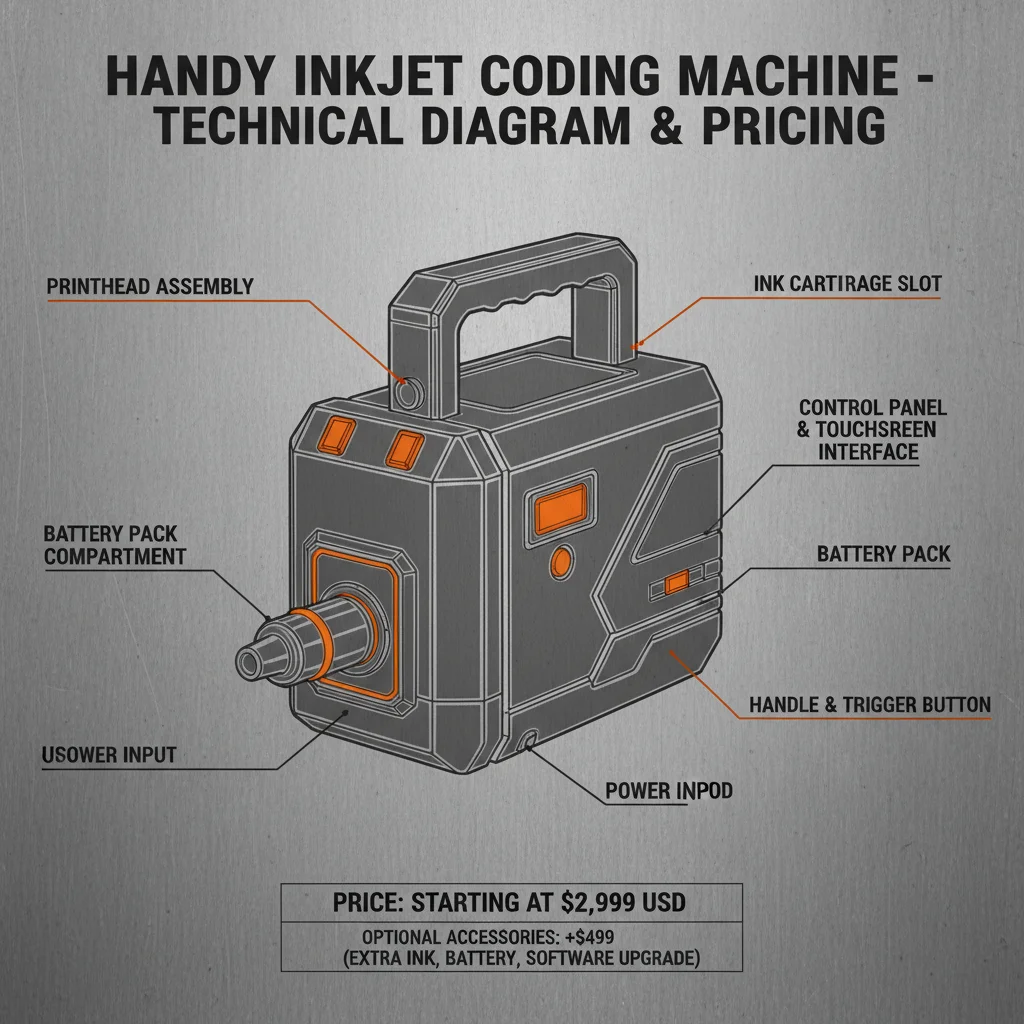
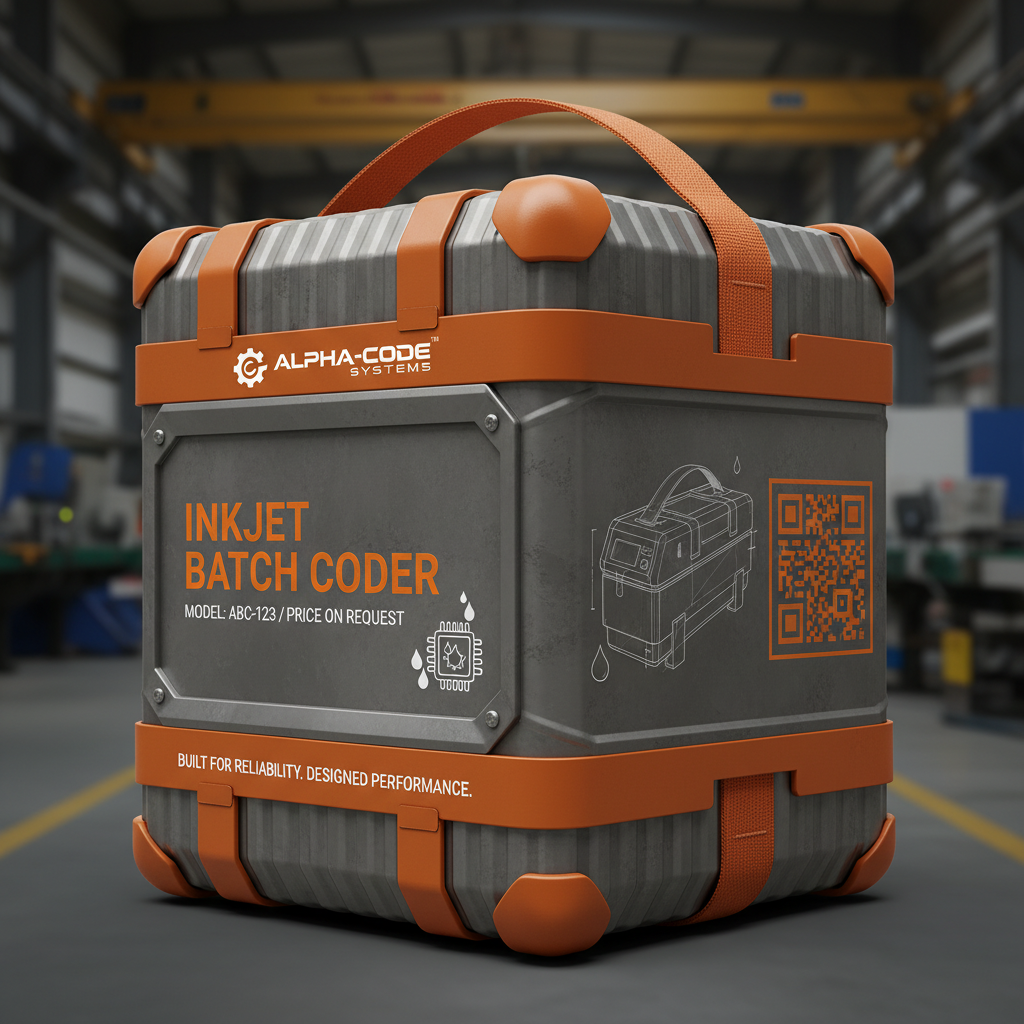
Inkjet batch coding machine price is a critical factor for businesses across numerous industries, impacting production efficiency, product traceability, and ultimately, profitability. The cost isn't merely the upfront investment in the equipment; it encompasses factors like ink consumption, maintenance, integration with existing production lines, and the long-term reliability of the system. Understanding these components is paramount for making informed decisions and optimizing operational costs.
The global market for inkjet batch coding machines is experiencing steady growth, driven by increasing demand for automated coding and marking solutions, particularly in the food & beverage, pharmaceutical, and consumer goods sectors. According to industry reports, the market is projected to reach significant figures in the coming years, reflecting the heightened need for compliance with regulations, consumer safety, and anti-counterfeiting measures. This growth necessitates a detailed evaluation of the various inkjet batch coding machine price points and their associated features.
Choosing the right inkjet batch coding machine involves a careful consideration of specific application requirements. Factors like substrate material, production speed, print resolution, and environmental conditions all play a role. A thorough analysis of the total cost of ownership, including initial purchase, ongoing supplies, and potential downtime, is essential to ensure a positive return on investment and efficient operation. inkjet batch coding machine price varies greatly depending on these parameters.
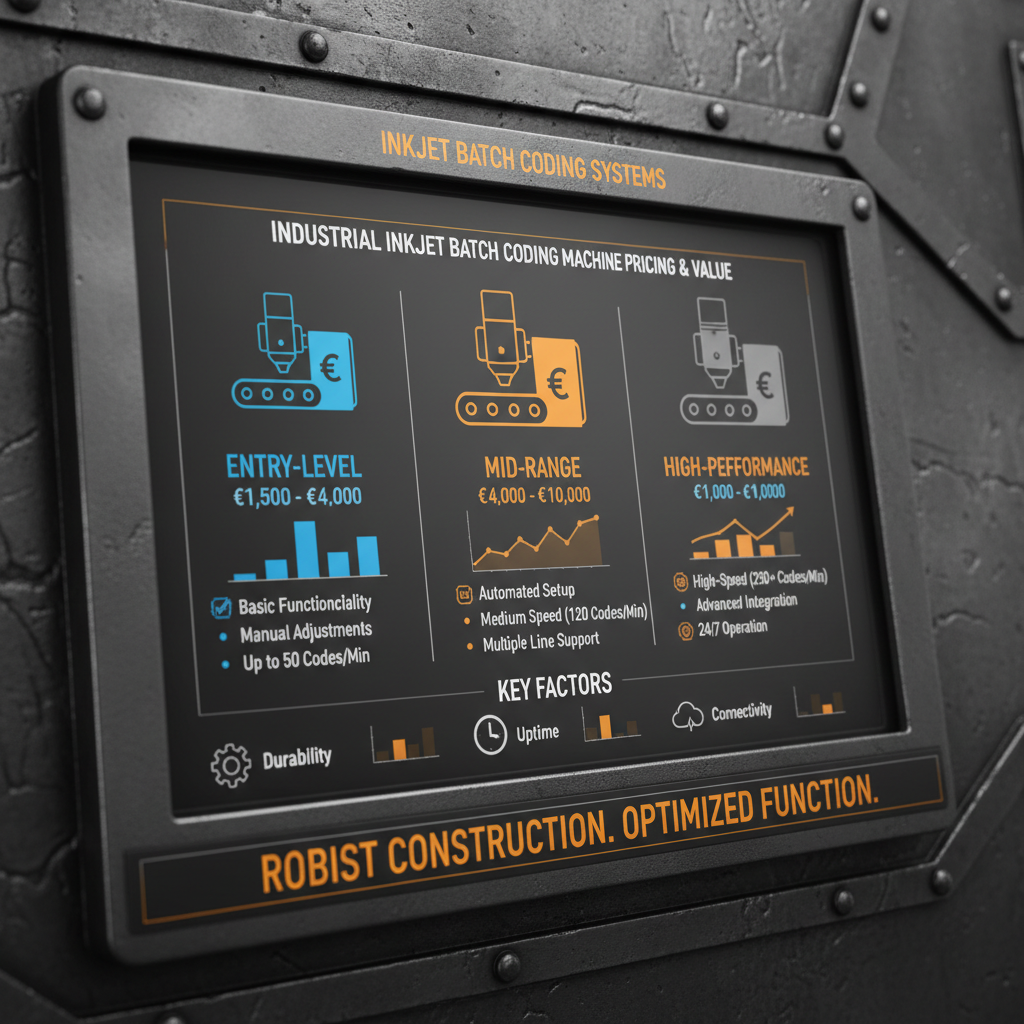
The inkjet batch coding machine price is rarely a simple figure. It's significantly influenced by the technology employed – continuous inkjet (CIJ), thermal inkjet (TIJ), or valve jet. CIJ printers, known for their high speed and ability to print on a wide variety of surfaces, generally command a higher initial price than TIJ printers.
Beyond the core technology, factors such as print resolution, the number of printing heads, the complexity of the control system, and the level of automation all contribute to the overall cost. Machines designed for intricate coding or high-volume production will naturally be more expensive than simpler models intended for basic batch coding.
The technology used (CIJ, TIJ, Valve Jet), print resolution, automation level, software complexity, and required support services are the primary drivers of cost. Consider total cost of ownership including consumables like ink and maintenance when evaluating options. Choosing a system based solely on initial price can be misleading.
Higher print resolution typically requires more sophisticated printheads and control systems, which increase the machine’s price. While high resolution is essential for certain applications (like printing barcodes or small text), it may not be necessary for simpler batch coding, so assessing your specific needs is key.
Yes! Consumable costs (ink, solvents, spare parts), maintenance contracts, training, and potential downtime are often overlooked. Factor these into your budget to get a true picture of the total cost of ownership. Some manufacturers also charge extra for software updates or technical support.
Continuous Inkjet (CIJ) printers generally have a higher upfront cost than Thermal Inkjet (TIJ) printers due to their more complex mechanics and wider range of capabilities. However, TIJ printers might have higher consumable costs and limitations in terms of surface compatibility. The best choice depends on your specific application and volume.
Clearly define your needs (print speed, resolution, substrate types, coding requirements), compare quotes from multiple vendors, factor in total cost of ownership, and consider the vendor’s reputation for support and service. Don’t be afraid to ask detailed questions and request demonstrations.
Software is critical for controlling the printer, creating coding templates, managing data, and integrating with other systems. Advanced software features (like serialization, data matrix generation, and connectivity to databases) can significantly increase the machine's price, but also boost its functionality and efficiency.
In conclusion, the inkjet batch coding machine price is a multifaceted consideration, extending far beyond the initial purchase cost. A thorough understanding of the influencing factors – technology, features, consumables, and long-term maintenance – is crucial for making informed decisions. Optimizing this investment involves balancing upfront costs with long-term value, ensuring compliance with industry regulations, and maximizing operational efficiency.
Looking ahead, embracing innovative technologies, prioritizing sustainability, and carefully evaluating total cost of ownership will be key to unlocking the full potential of inkjet batch coding systems. For businesses seeking reliable and cost-effective coding solutions, exploring the options available at www.topstarlaser.com is a wise step towards ensuring product integrity and achieving operational excellence.