In the demanding world of metal fabrication and continuous industrial production, the seamless transition between material coils is a critical factor for operational uptime. While many focus on the primary machinery, the role of high-quality components and the expertise of air compressor parts suppliers often underpin the pneumatic systems that drive these complex welding and shearing operations. Ensuring that every valve, seal, and fitting is optimized prevents costly downtime in high-pressure environments.
The integration of shearing and welding into a single process, as seen in shear butt welding machines, represents a leap in manufacturing efficiency. These machines eliminate the need for frequent equipment changes and reduce the manual handling of workpieces, thereby streamlining the production of metal plates and strips. However, the reliability of such integrated systems depends heavily on the precision of their mechanical parts and the supporting pneumatic infrastructure provided by reliable industrial partners.
Understanding the technical synergy between material gauge, welding speed, and equipment capacity is essential for any plant manager. By collaborating with experienced air compressor parts suppliers and machinery experts, manufacturers can achieve a "weld efficiency" of nearly 100%, ensuring that the joint is as strong as the parent metal. This technical harmony is what allows continuous annealing lines to operate without the risk of catastrophic strip breaks.

The Integrated Functionality of Shear Butt Welding
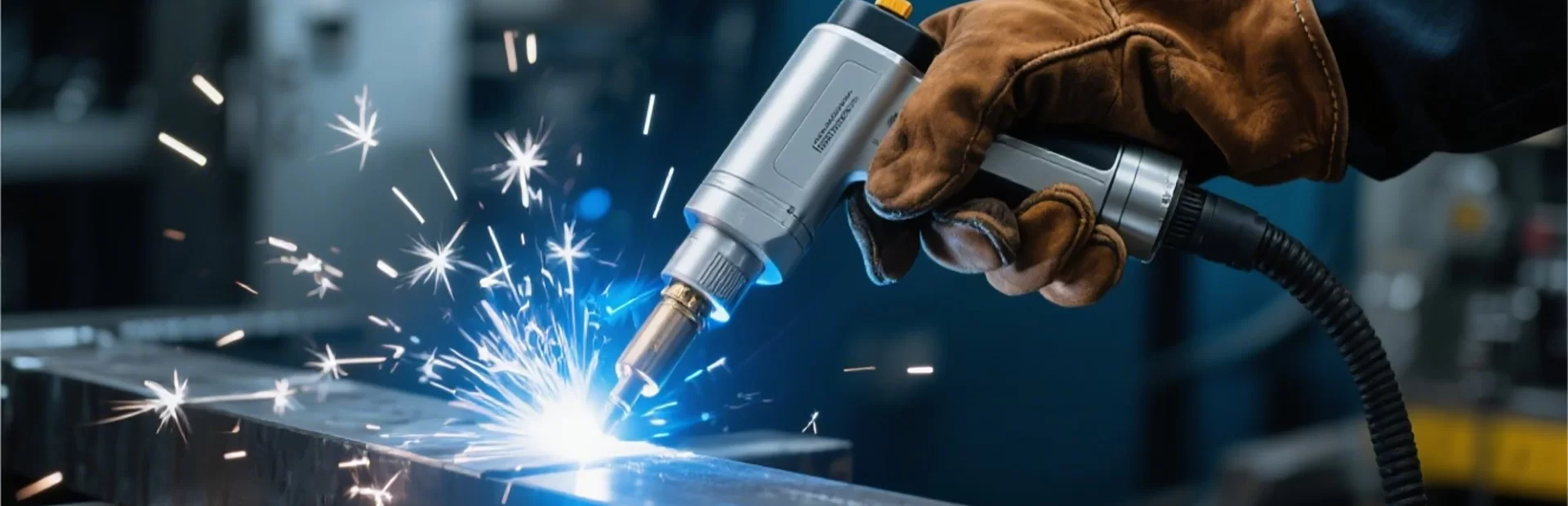
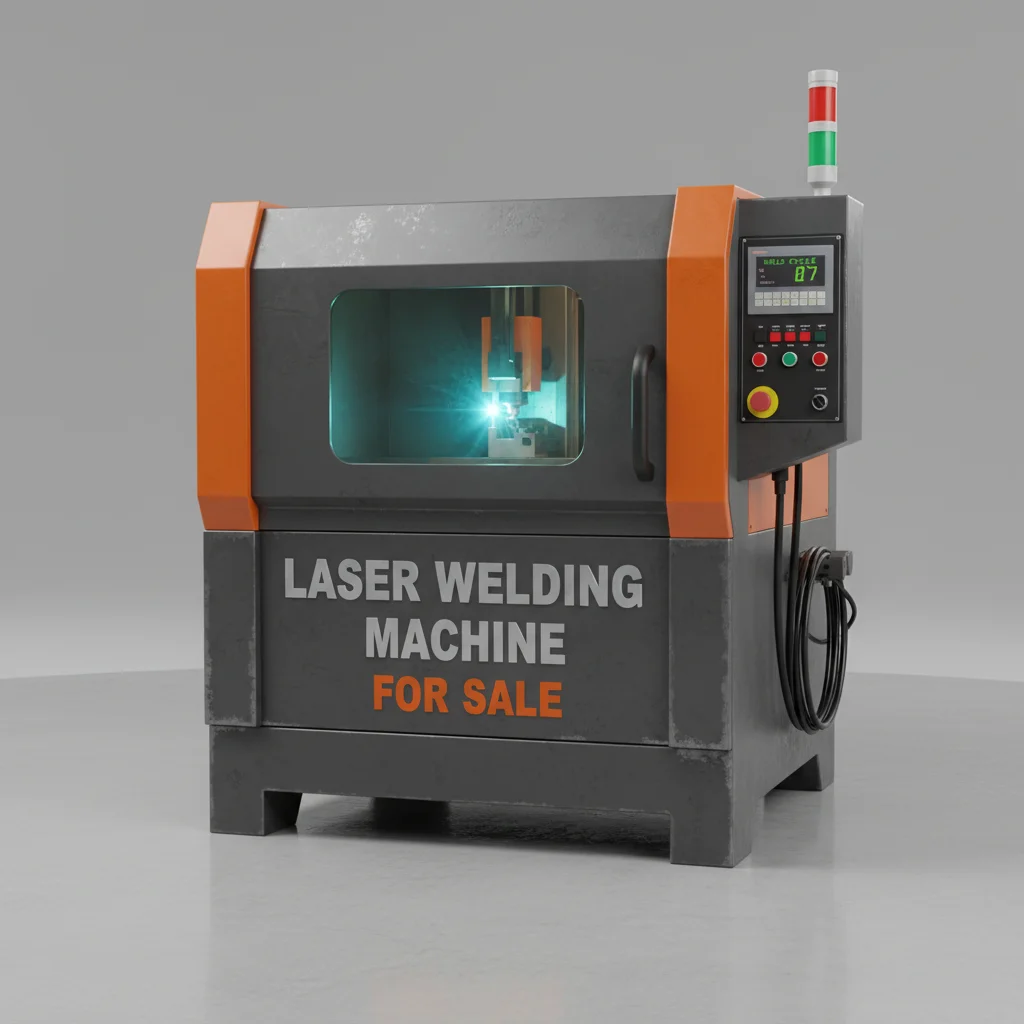
A shear butt welding machine is a specialized piece of equipment designed to merge the cutting and welding processes into one seamless operation. By integrating these functions, the machine significantly reduces process changeover time, eliminating the need for operators to move workpieces between separate shearing and welding stations. This integration is vital for industries handling metal strips and plates where uninterrupted connection is mandatory for throughput.
The efficiency of this process is further enhanced by the precision of the shearing mechanism, which ensures that workpieces are quickly and accurately connected. This accuracy directly improves the flatness and consistency of the welding seam, resulting in superior weld quality. Much like how air compressor parts suppliers provide the precise components needed to maintain pneumatic stability, the integrated design of this welder ensures structural stability across the material joint.
Capacity and Speed Selection Strategies
Selecting the right capacity for a shear butt welder requires a deep understanding of material gauge and metallurgical properties. Capacity is not merely about the maximum width and thickness the machine can handle; it also involves the yield strength of the material. For instance, a machine capable of shearing 5mm mild steel may face challenges with 3mm high-strength low-alloy (HSLA) steel due to the increased shearing force required.
Speed selection is equally critical, balancing "takt time" with the physical requirements of the molten pool. Welding travel speed is determined by material thickness and the power of the welding head. While thin-gauge strips allow for high-speed welding of several meters per minute, thicker materials require a slower pace to ensure complete fusion and avoid internal voids or weak spots in the weld.
Ultimately, the total cycle time—from the moment the material stops for shearing to its release after welding—must be synchronized with the downstream production line. If the welder's cycle time exceeds the capacity of the entry accumulator, the entire production line will stop, leading to significant losses in efficiency and potential thermal imbalances in subsequent processing stages.
Ensuring Weld Strength and Joint Integrity
The strength of a shear butt welded joint begins with the preparation of the edge. Unlike manual preparation, which often leads to inconsistent gaps, the integrated design of the shear butt welding machine creates perfectly parallel edges. This consistency is the foundation of high tensile strength, as it ensures that welding energy is distributed evenly across the fusion zone.
To maintain the metallurgical temper of the strip, specialized clamping systems act as heat sinks, wicking away excess heat to limit the Heat-Affected Zone (HAZ). This precision is similar to the high standards maintained by professional air compressor parts suppliers, where the quality of a single seal can determine the efficiency of an entire system. By preventing the HAZ from becoming too large, the joint remains ductile and resistant to brittle fractures.
For high-carbon steels or complex alloys, some systems incorporate pre-heating or post-weld annealing induction units. The ultimate goal is to achieve a weld efficiency of nearly 100%, meaning that during a tensile test, the parent metal will fail before the weld joint does. This level of reliability is essential for materials that must pass through cold rolling mills or stamping presses.
Optimizing Cycle Time for Production Efficiency
Cycle time optimization is the core advantage of the shear butt welding system. By minimizing "dead time," manufacturers can ensure that the downstream processes—such as annealing or rolling—receive a constant flow of material. A high-speed system minimizes the reliance on large accumulators, reducing the physical footprint of the production line while maximizing output.
Effective optimization requires a balance between the mechanical speed of the shear and the electrical ramp-up of the welding head. When these components are perfectly synchronized, the transition between coils becomes nearly invisible to the rest of the production chain, ensuring that the plant operates at peak capacity without intermittent stoppages.
Efficiency Ratings of Various Component Integration Methods
Application in Continuous Annealing Lines
In a Continuous Annealing Line (CAL), the shear butt welding machine is the critical link that ensures thermal equilibrium. Because the material must move through the furnace at a constant speed, any stop can cause the strip to overheat or melt, leading to catastrophic downtime and expensive cleanup operations.
The system utilizes an entry accumulator to provide the necessary time for the automatic welder to shear the tail of the expiring coil and the lead of the new coil. The resulting weld must withstand high "hot-tension" as it is pulled through the furnace rollers, making the precision of the components provided by air compressor parts suppliers and machinery vendors vital for safety and continuity.
Reducing Material Waste and Operational Costs
One of the most tangible benefits of using an integrated shear butt welder is the significant reduction in material waste. Traditional splicing often requires larger overlap sections or manual trimming, which results in substantial scrap metal over thousands of coils. The precise "cut-to-length" and weld process minimizes the gap and overlap, saving raw material costs.
Furthermore, the reduction in floor space is a major economic advantage. By combining two machines into one, plants can optimize their layout, reducing the distance material travels and decreasing the energy required for transport. This lean approach to manufacturing lowers indirect costs and improves the overall ROI of the production line.
Operating costs are also lowered through reduced manual intervention. The integrated design simplifies the operating process, meaning fewer skilled laborers are needed to manage the transition between coils, and the risk of human error—which often leads to weld failure—is dramatically decreased.
Technical Specifications for Various Model Types
Different industrial applications require different machine capacities. The selection typically depends on the maximum width and thickness of the strip being processed. For light-duty applications, models like the DXJ165C provide sufficient power for strips under 180mm in width and thicknesses up to 2.0mm, making them ideal for precision components.
Mid-to-heavy duty requirements are met by models such as the DXJ285B and DXJ440A, which can handle widths up to 445mm and thicknesses up to 3.0mm. These machines are built with higher structural rigidity to prevent deflection during the shearing process, ensuring that the butt joint remains perfectly square.
Maintaining these machines requires a steady supply of precision parts. Just as air compressor parts suppliers ensure the longevity of pneumatic systems through high-grade seals and valves, the longevity of a shear butt welder depends on the quality of its cutting blades and welding electrodes.
Technical Comparison of Shear Butt Welder Models
| Model Type |
Max Welding Width |
Thickness Range |
Application Suitability |
| DXJ165C |
<180mm |
0.4-2.0mm |
Light-gauge strips/Precision |
| DXJ285B |
<300mm |
0.4-3.0mm |
Medium-duty industrial use |
| DXJ440A |
<445mm |
0.4-3.0mm |
Heavy-duty wide strips |
| Custom-H1 |
<600mm |
0.5-5.0mm |
Specialized alloy plates |
| Custom-L2 |
<1000mm |
0.4-3.0mm |
Large scale CAL systems |
| Precision-P1 |
<100mm |
0.1-1.0mm |
Ultra-thin foil splicing |
FAQS
The primary advantage is the integration of shearing and welding. This eliminates the need for manual material handling and separate equipment, which significantly reduces process changeover time and ensures a perfectly square butt joint, leading to higher weld strength and production efficiency.
Yield strength determines the amount of force required to shear the material. A machine rated for a certain thickness of mild steel may not be strong enough for the same thickness of a high-strength alloy. It is crucial to match the machine's mechanical capacity to the metallurgical properties of the material.
Yes, but high-carbon steels often require additional measures to prevent brittleness in the weld joint. Some advanced units include pre-heating or post-weld annealing induction to maintain ductility and ensure the joint can withstand downstream tension.
The HAZ is the area of base metal that hasn't melted but has had its microstructure altered by heat. A large HAZ can lead to weakness or brittleness. High-quality machines use specialized clamps to wick away heat, keeping the HAZ small and preserving the material's temper.
If the cycle time exceeds the capacity of the entry accumulator, the downstream production line will run out of material and come to a complete stop. This causes significant downtime and can disrupt thermal processes in annealing furnaces.
The choice depends primarily on the width of your material. The DXJ165C is for strips under 180mm, while the DXJ440A handles up to 445mm. You should also consider the maximum thickness; while both handle up to 3.0mm in some configurations, the larger model offers more structural rigidity for wider plates.
Conclusion
The integration of shearing and welding into a single, high-precision operation is a cornerstone of modern metal processing. By optimizing capacity, speed, and joint integrity, manufacturers can virtually eliminate the bottlenecks associated with material splicing. The synergy between robust machinery and high-quality support components—much like those provided by leading air compressor parts suppliers—ensures that continuous production lines operate with maximum uptime and minimal waste.
Looking forward, the trend toward automation and digital synchronization will further refine the precision of shear butt welding. For companies aiming to increase their throughput in continuous annealing or rolling processes, investing in integrated welding technology is no longer optional but a strategic necessity. We encourage you to evaluate your current line efficiency and explore how integrated splicing can transform your operational costs. Visit our website: www.topstarlaser.com