In the modern industrial landscape, the mig welding machine stands as a cornerstone of efficient metal fabrication. From the automotive assembly lines to the construction of heavy-duty infrastructure, the ability to create strong, clean, and rapid welds is what separates high-output manufacturing from artisanal slow-paced production. Understanding the nuances of Gas Metal Arc Welding (GMAW) allows businesses to optimize their workflows and ensure structural integrity across diverse projects.
Globally, the demand for high-precision joining technologies has surged as industries transition toward more complex alloys and tighter tolerances. The versatility of the mig welding machine makes it an indispensable tool for those seeking a balance between ease of use and professional-grade results. Whether it is for thin-gauge sheet metal or thick industrial plates, the right equipment minimizes waste and maximizes the lifespan of the final product.
For procurement managers and engineers, selecting the right welding solution is not just about technical specs but about long-term scalability and reliability. By integrating advanced power sources and precision wire feeders, a modern mig welding machine can significantly reduce post-weld cleaning time and labor costs, directly impacting the bottom line of the manufacturing plant.
Global Industry Context of MIG Welding
On a global scale, the adoption of the mig welding machine has revolutionized how we approach mass production. According to industrial standards aligned with ISO quality management, the consistency provided by semi-automatic wire feeding allows for a level of repeatability that manual TIG or Stick welding simply cannot match. This is particularly evident in the rapid growth of the automotive and aerospace sectors in Asia and North America, where cycle time reduction is a primary KPI.
However, the industry faces a critical challenge: the widening skills gap. As experienced welders retire, there is an urgent need for equipment that lowers the barrier to entry without sacrificing weld quality. This is where modern inverter-based mig welding machine technology steps in, offering synergistic controls that automatically adjust voltage and wire speed, effectively "teaching" the operator the ideal parameters for different metal thicknesses.
Understanding the MIG Welding Machine Definition
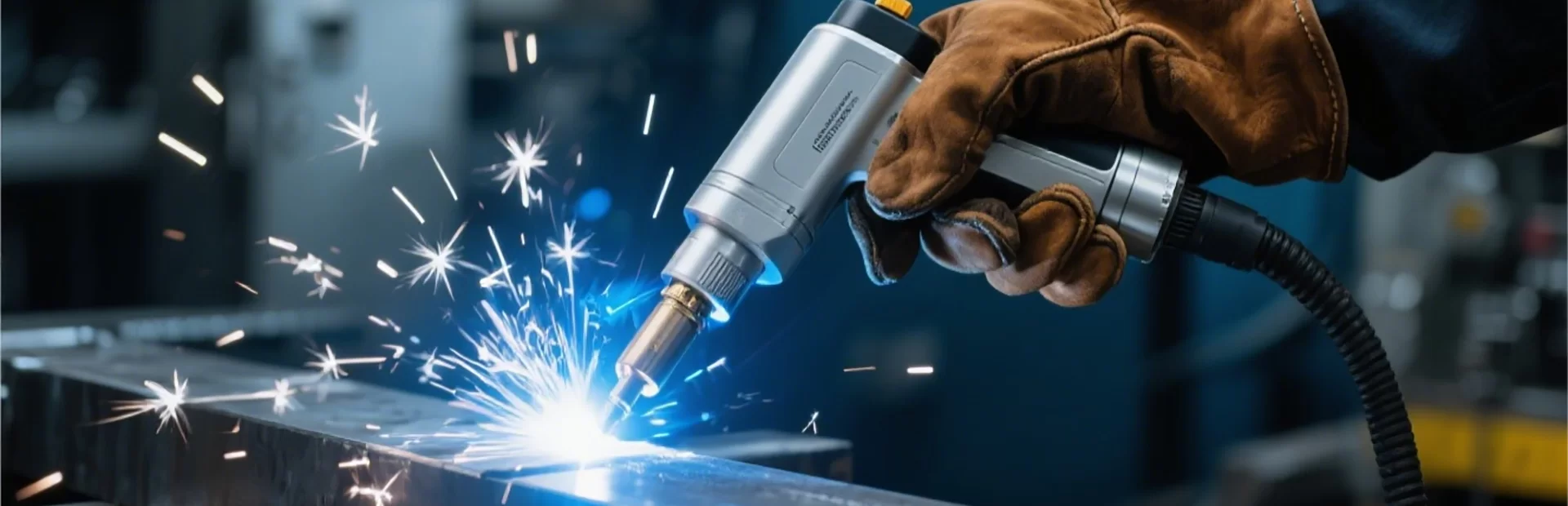
In simple terms, a mig welding machine (Metal Inert Gas) is a tool that creates an electrical arc between a consumable wire electrode and the metal workpiece. This process uses a shielding gas—typically argon or a CO2 mix—to protect the weld pool from atmospheric contaminants like oxygen and nitrogen, which would otherwise cause porosity and weaken the joint.
Beyond the technical definition, these machines represent the intersection of electrical engineering and metallurgy. By providing a continuous feed of filler material, they eliminate the need to stop and replace electrodes, making them the "workhorse" of modern fabrication shops. This efficiency is vital for humanitarian and infrastructure projects, such as rebuilding bridges or assembling modular housing in disaster-stricken regions.
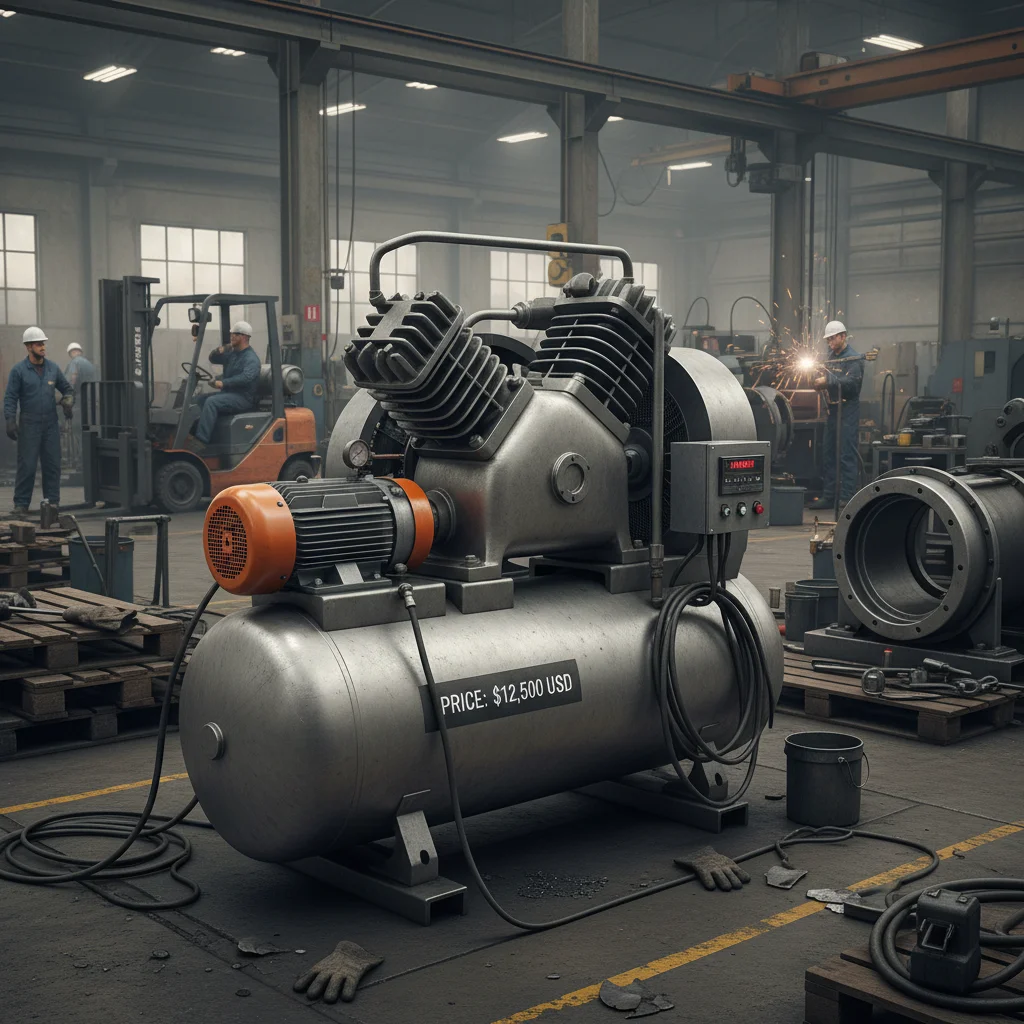
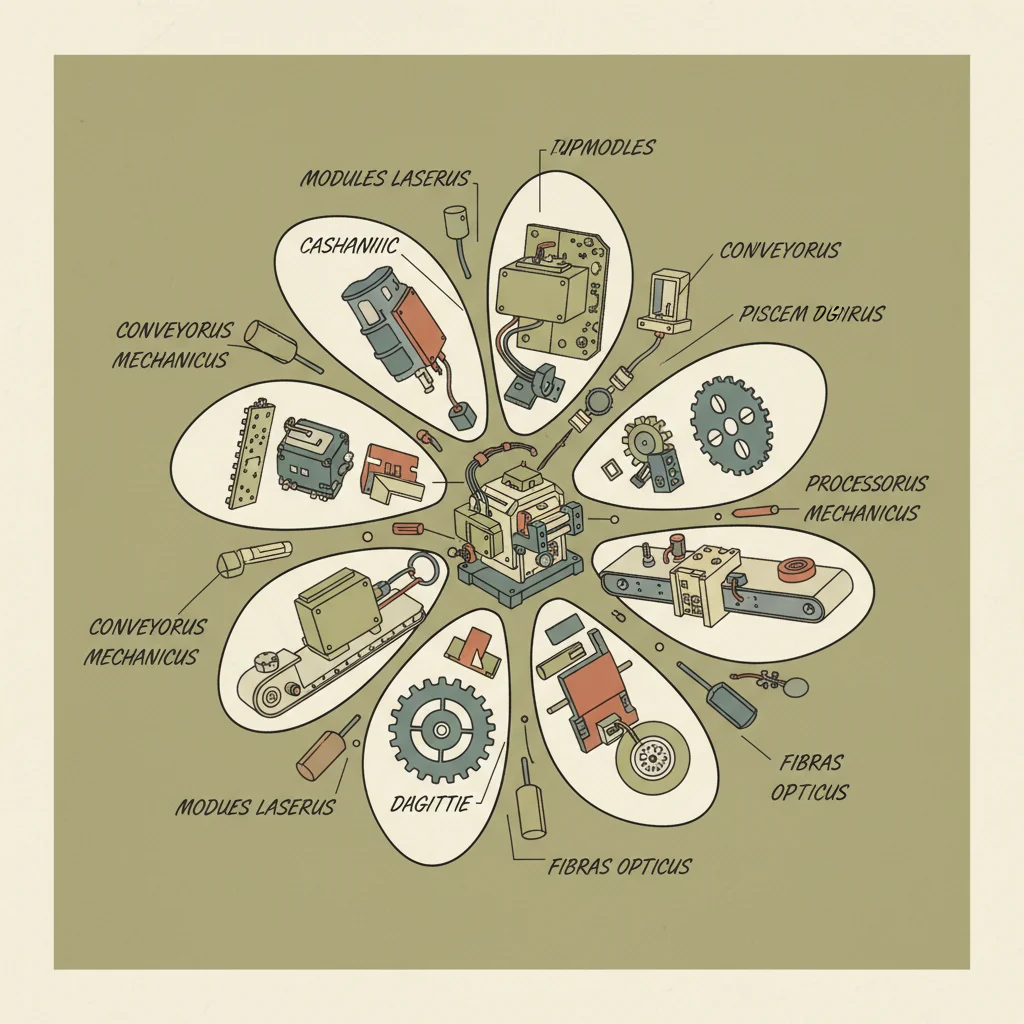
The connection to modern industry is profound; the mig welding machine enables the rapid prototyping and assembly of complex machinery, including the very compressors and laser systems used in high-tech manufacturing. It is the foundational technology that allows us to move from a digital design to a physical, structural reality in the shortest possible timeframe.
Core Components and Technical Factors
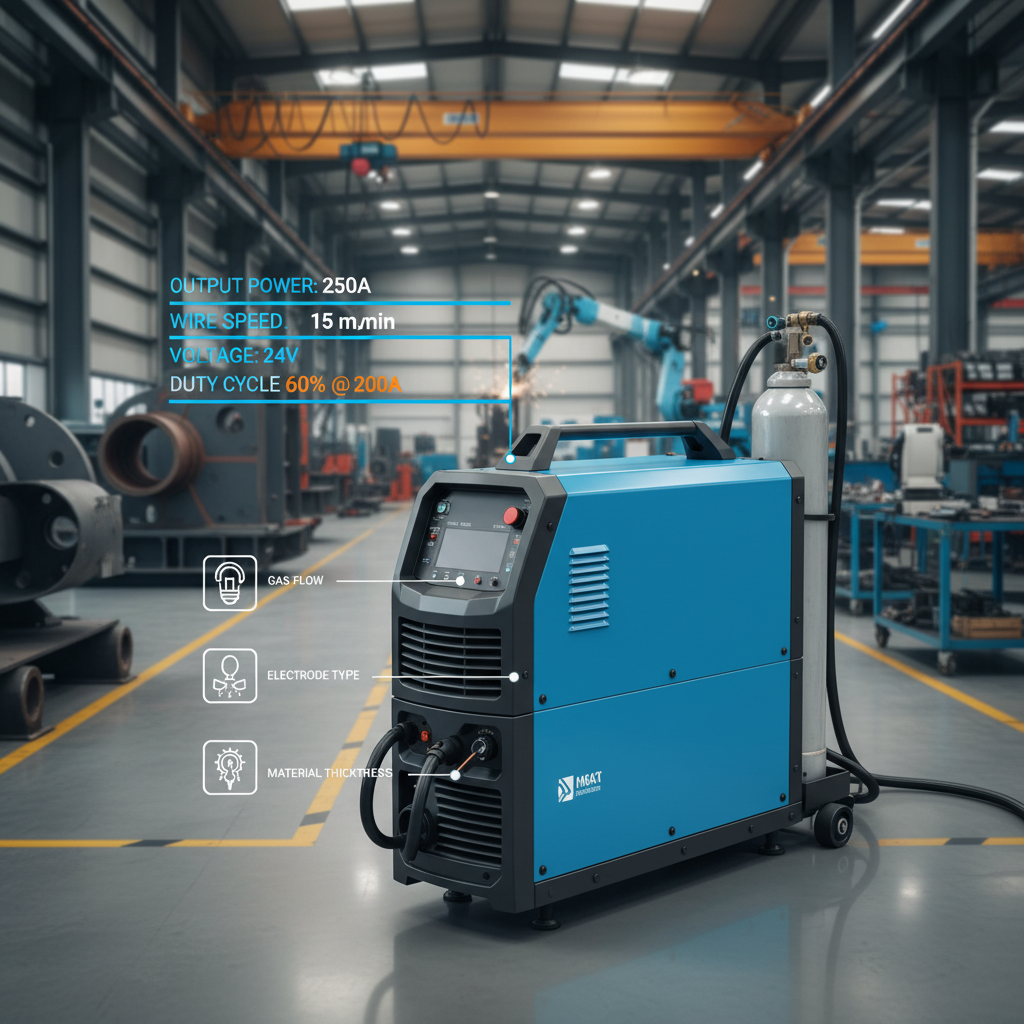
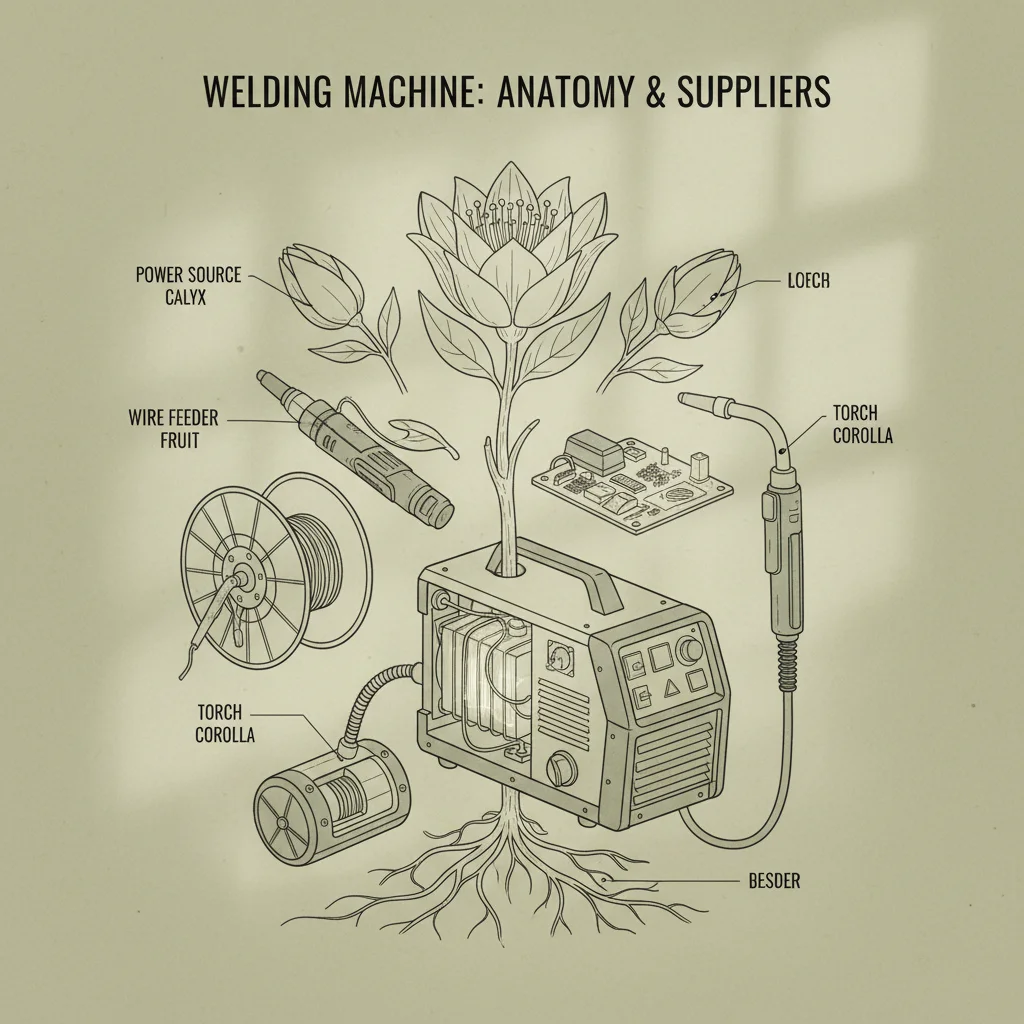
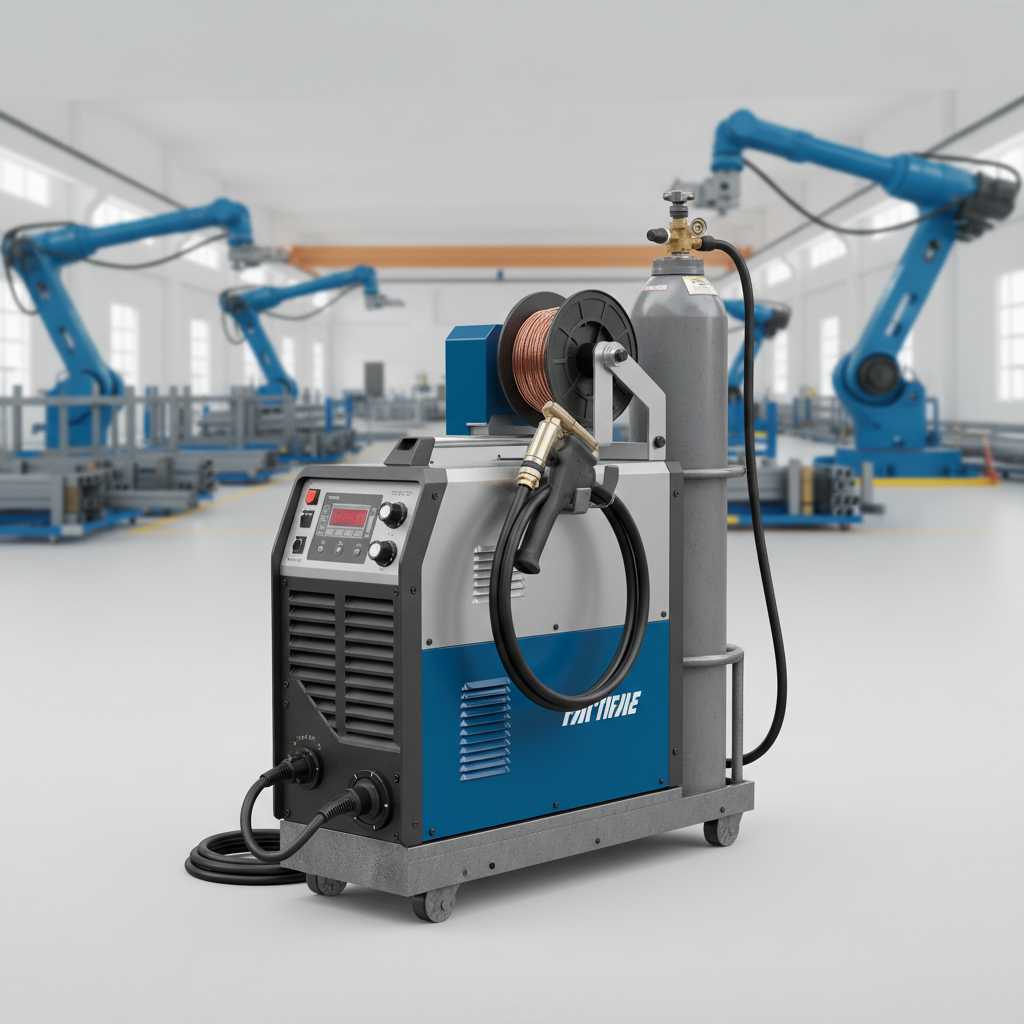
The performance of a mig welding machine is primarily determined by its power source. Modern inverter technology has replaced bulky transformers, offering a more stable arc and significantly lower energy consumption, which is crucial for reducing operational overhead in large factories.
Equally important is the wire feed system. A high-quality mig welding machine must ensure a constant, jitter-free delivery of the filler wire. Any fluctuation in wire speed can lead to "burn-through" or lack of fusion, compromising the safety of the welded structure.
Finally, the shielding gas regulator and torch assembly define the precision of the application. The ability to maintain a steady gas flow ensures that the mig welding machine produces welds that are not only strong but visually clean, reducing the need for grinding and finishing.
Comparative Performance Metrics
When evaluating different configurations of a mig welding machine, operators typically look at duty cycle and penetration depth. A higher duty cycle means the machine can operate for longer periods without overheating, which is essential for 24/7 production environments where downtime equals lost revenue.
Furthermore, the choice between flux-cored and solid-wire MIG setups changes the utility of the equipment. While solid wire requires external gas, flux-cored options allow the mig welding machine to be used outdoors in windy conditions, making it a favorite for site-based construction and heavy equipment repair.
Efficiency Ratings of Different MIG Welding Configurations
Global Applications and Use Cases
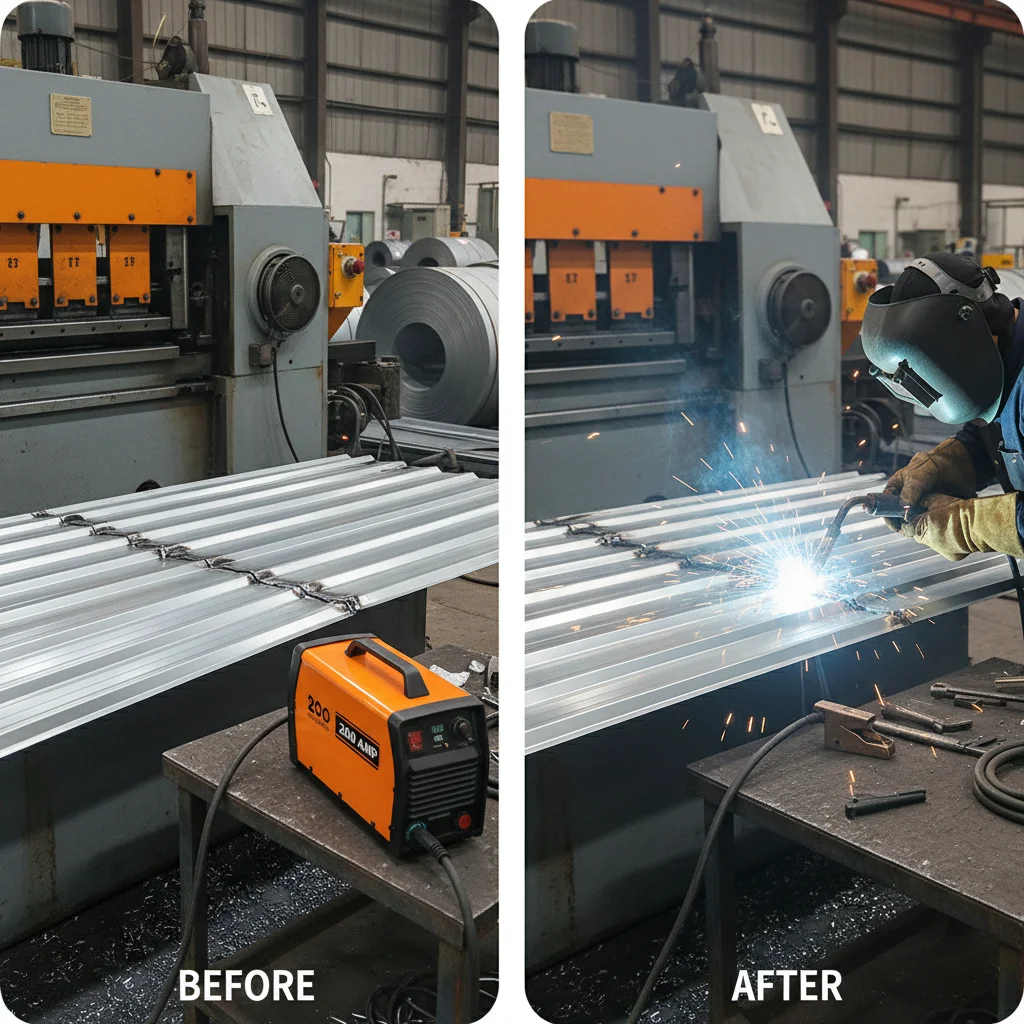
The application of the mig welding machine spans almost every industrial sector. In the automotive industry, these machines are used for chassis assembly and exhaust systems, where speed is paramount. In the shipping industry, they are used to fabricate massive hull sections, ensuring watertight seals that can withstand the immense pressure of the deep ocean.
Beyond heavy industry, we see a rise in the use of compact mig welding machine units in remote industrial zones for maintenance and repair. For example, in oil and gas pipeline maintenance in remote regions of Central Asia, the portability and ease of a MIG setup allow engineers to perform critical structural repairs quickly, preventing environmental leaks and ensuring energy security.
Long-Term Value and Economic Advantages
Investing in a high-end mig welding machine provides tangible economic benefits through the reduction of consumables and labor hours. Because MIG welding is faster than TIG and requires less cleanup than Stick welding, the cost per linear inch of weld is significantly lower. This efficiency translates directly into more competitive bidding for contractors and higher margins for manufacturers.
From a sustainability perspective, modern machines are designed with energy-saving modes and highly efficient power conversion. By reducing the carbon footprint of the fabrication process, companies can align themselves with global green initiatives while maintaining a high production volume. The reliability of these machines also means fewer replacements, reducing industrial waste over a ten-year operational cycle.
Emotionally, the use of a precise mig welding machine empowers the workforce. When a welder can trust their equipment to deliver a consistent bead without spatter, their confidence increases, and the risk of workplace accidents due to structural failure is minimized. This trust in the tool fosters a culture of excellence and innovation within the workshop.
Future Trends and Technological Innovations
The future of the mig welding machine is inextricably linked to automation and the "Industry 4.0" movement. We are seeing the integration of cobots (collaborative robots) that work alongside human operators, where the robot handles the long, repetitive seams while the human manages the complex corners and quality inspection.
Digital transformation is also introducing IoT connectivity to the welding floor. Future mig welding machine units will be able to stream real-time telemetry data to a cloud dashboard, allowing managers to monitor gas consumption, wire usage, and weld quality remotely, predicting when a machine needs maintenance before it actually breaks down.
Furthermore, the shift toward lightweight materials like aluminum and high-strength alloys is driving the development of advanced pulsed-MIG technology. This innovation allows for lower heat input, reducing distortion in thin materials—a critical requirement for the next generation of electric vehicle (EV) battery enclosures and lightweight aerospace frames.
Core Analysis of MIG Welding Machine Technical Specifications and Value
| Machine Variant |
Primary Application |
Ease of Use Score (1-10) |
Cost Efficiency |
| Entry-Level Inverter |
Home Workshop/Repair |
9 |
High (Initial Cost) |
| Industrial Synergic |
Automotive Assembly |
8 |
Very High (Output) |
| Heavy-Duty Pulsed |
Aerospace/Aluminum |
6 |
Moderate (Specialized) |
| Flux-Cored Portable |
Outdoor Construction |
7 |
High (Versatility) |
| Robot-Integrated |
Mass Production Line |
10 (Automated) |
Maximum (Long-term) |
| Multi-Process Hybrid |
Custom Fabrication |
7 |
High (Multi-use) |
FAQS
A mig welding machine is generally easier for beginners because it uses a continuous wire feed, eliminating the need to manually feed a filler rod with one hand while controlling the torch with the other. The semi-automatic nature of the process reduces the coordination required, allowing new users to achieve acceptable beads much faster than the precise, manual control required for TIG welding.
Yes, but with a caveat. A standard mig welding machine using shielding gas is susceptible to wind, which can blow the gas away and cause porosity. For outdoor work, it is recommended to use a flux-cored wire, which creates its own shielding gas through a chemical reaction, making it ideal for field repairs and windy environments.
The gas choice depends on the material. For carbon steel, a mix of 75% Argon and 25% CO2 is the industry standard for a balance of penetration and smooth finish. For aluminum, 100% pure Argon is required to prevent oxidation. High-production shops may use higher CO2 percentages for deeper penetration in thick plates, though this increases spatter.
A synergic mig welding machine features an intelligent control system where the user selects the material thickness and wire diameter, and the machine automatically calculates and sets the ideal voltage and wire feed speed. This removes the guesswork and reduces the likelihood of errors, making it highly efficient for shops with varying project types.
Standard gas-shielded MIG welding produces very little slag compared to Stick or Flux-cored welding. You may encounter small "silica islands" on the surface, which are easily brushed away. This lack of slag is one of the primary reasons why a mig welding machine is preferred for high-speed production where post-weld cleaning must be kept to a minimum.
Contact tips are consumables and should be replaced whenever you notice irregular wire feeding or excessive spatter buildup. In a high-volume industrial setting, tips might be replaced daily or weekly. Regular maintenance of the mig welding machine torch ensures a stable arc and prevents costly downtime during critical production phases.
Conclusion
The mig welding machine remains an unrivaled asset in the manufacturing world, combining speed, strength, and versatility. By understanding the critical roles of the power source, wire feed system, and gas shielding, businesses can significantly optimize their production efficiency. From the ability to handle diverse metals to the integration of synergistic controls, these machines empower operators to produce high-quality joints that meet the most rigorous international safety standards.
As we look toward a future of automated fabrication and sustainable industry, the role of the MIG welder will only expand. Integrating these tools with robotic systems and IoT monitoring will lead to a new era of "smart welding," where waste is minimized and precision is absolute. For any business looking to scale its metal fabrication capabilities, investing in a professional-grade mig welding machine is not just a purchase, but a strategic upgrade for long-term growth. Visit our website: www.topstarlaser.com