The global fabrication landscape is undergoing a significant transformation as traditional joining methods are replaced by high-precision optical technologies. For any modern welding machine factory, the shift toward handheld laser systems represents a move toward extreme efficiency, allowing manufacturers to bypass the long training cycles required for TIG or MIG welding.
Integrating fiber laser technology into the workshop floor addresses a critical industrial pain point: the shortage of highly certified technicians. By lowering the entry barrier for operators while increasing the speed of production, the modern welding machine factory enables businesses to scale their volumetric throughput without compromising on the structural integrity of the final product.
Whether dealing with stainless steel, aluminum alloys, or galvanized sheets, the ability to achieve industrial-grade accuracy with minimal thermal distortion is now a competitive necessity. Choosing a partner from a reputable welding machine factory ensures that your facility is equipped with a system that balances power, portability, and long-term operational stability.

The Core Technology of Laser Fabrication
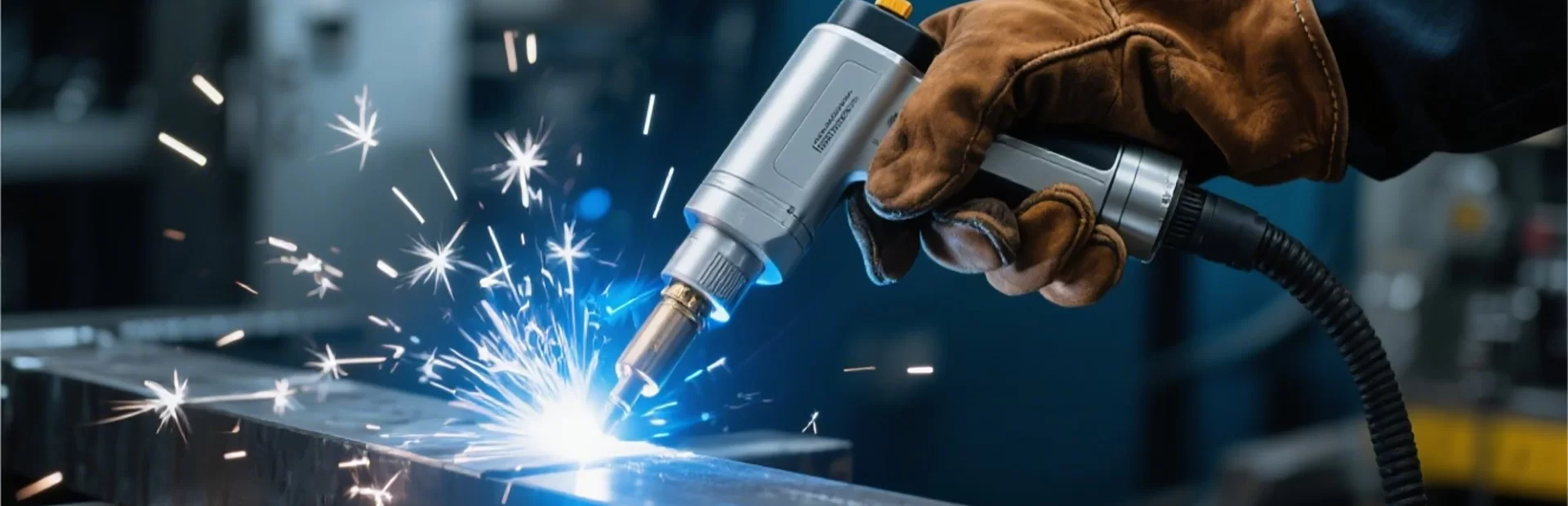
The handheld laser welding system utilizes a precision BWT fiber laser source to create a high-energy density beam that melts metal instantaneously. Unlike traditional arc welding, this technology allows for a focused heat application, which significantly minimizes the Heat Affected Zone (HAZ) and prevents the warping or "oil-canning" often seen in thin-gauge materials.
By offering power options ranging from 1500W to 3000W, these systems provide the flexibility needed for various material thicknesses. The integration of a wobble function further enhances the process by oscillating the beam to create wider weld widths, effectively filling gaps in misaligned parts and ensuring a robust structural bond.
Defining the Modern Welding Machine Factory
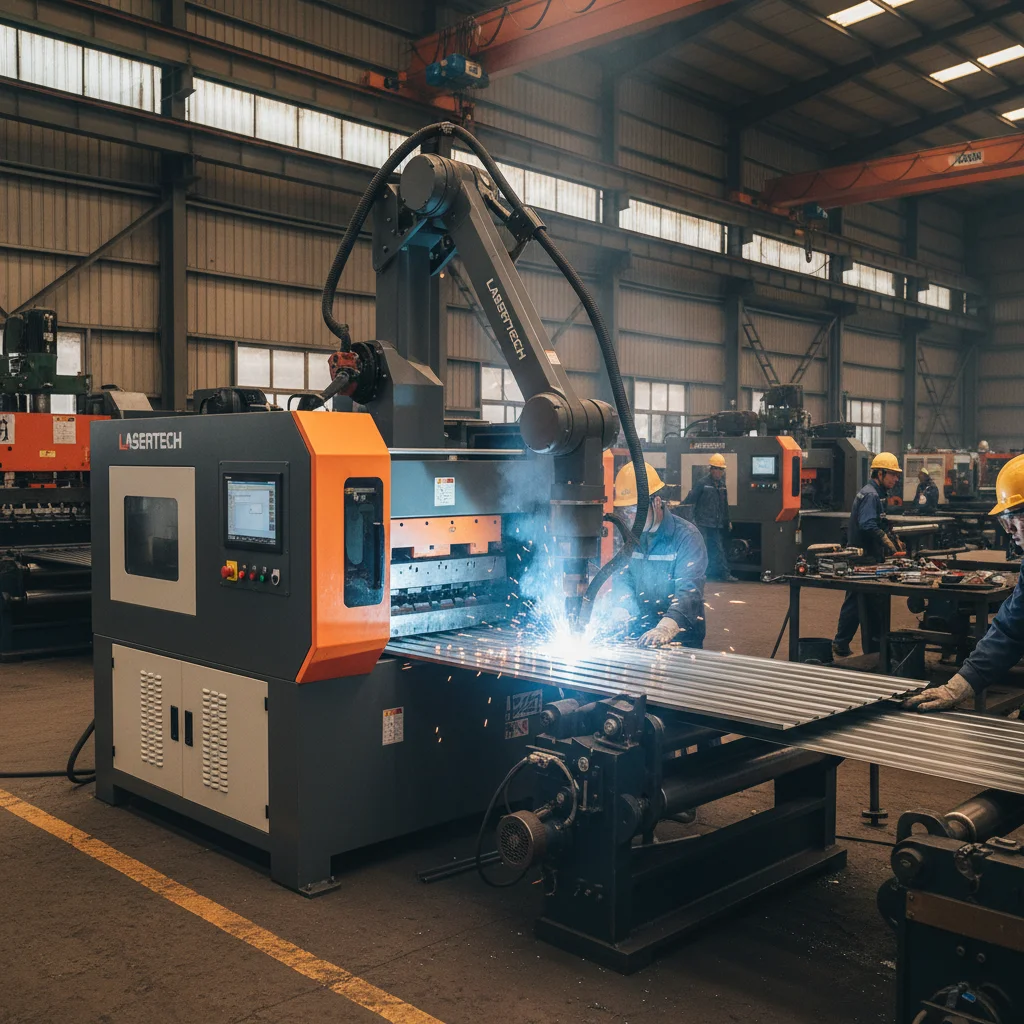
A contemporary welding machine factory is no longer just a place of assembly, but a center of precision engineering that blends optical physics with industrial design. These facilities focus on developing systems that transition complex welding tasks from highly specialized skills to intuitive, operator-friendly processes.
In the context of modern industry, this means producing equipment that supports a wide array of materials—including carbon steel, aluminum alloys, and galvanized sheets—while maintaining strict quality standards. The goal is to provide a tool that achieves industrial-grade accuracy and seamless aesthetics without the need for extensive post-processing.
Furthermore, such factories are driving the digital transformation of fabrication by incorporating red light positioning and precise power adjustment (10% to 100%), ensuring that every weld is consistent and reproducible across different production shifts.
Key Technical Components for High-Energy Welding
The foundation of any high-performance system from a welding machine factory is the laser source. BWT Fiber Lasers are utilized for their exceptional stability and a lifespan exceeding 100,000 hours, ensuring that the capital investment provides value over decades of operation.
Critical to the operation is the industrial water-cooling system, which prevents mineral buildup through deionized water channels. This keeps the laser source and welding head within rated operating temperatures, a standard requirement for any professional welding machine factory to ensure machine longevity.
Precision is further enhanced by the fiber optic delivery cable and the targeting system. With optional fiber core diameters of 25μm or 50μm and an integrated red light positioning system, operators can ensure perfect alignment before the laser is engaged, reducing waste and rework.
Performance Metrics and Productivity Gains
When comparing handheld laser technology to traditional TIG or MIG processes, the productivity leap is staggering. Laser welding typically operates 2 to 10 times faster, which drastically compresses production cycles and allows for higher volumetric throughput in a smaller physical footprint.
The reduction in labor costs is equally significant. Because the system is intuitive, the reliance on highly certified technicians is reduced, allowing a more flexible workforce to maintain professional-grade weld seams with minimal training.
Production Efficiency Comparison by Welding Machine Factory Standard
Global Industrial Applications and Use Cases
In the automotive and aerospace sectors, the need for lightweight but strong joints is paramount. Handheld laser welders are increasingly used for complex geometries and large-scale workpieces that were previously impossible to weld on-site, providing a portable solution that does not sacrifice industrial-grade accuracy.
From remote industrial zones to high-tech fabrication hubs in Asia and Europe, these machines are being deployed to handle a variety of materials. The ability to seamlessly process aluminum alloys and stainless steel makes them indispensable for the construction of pressure vessels, medical equipment, and custom architectural metalwork.
Strategic Advantages of Laser Integration
The most immediate advantage is the superior aesthetic quality of the weld. Laser welding produces smooth, beautiful seams that require minimal polishing or post-processing, which significantly reduces the total cost per part and speeds up the delivery timeline.
Logistically, the transition to laser technology reduces operational overhead. By utilizing a system with a low entry barrier, companies can train novice users quickly, effectively decoupling their growth from the scarcity of certified master welders.
Additionally, the thermal stability offered by the concentrated laser beam ensures that materials maintain their original dimensions. This is critical for high-precision components where even a millimeter of warping could lead to assembly failure.
Maintenance Protocols for Long-Term Value
To maximize the ROI of equipment from a welding machine factory, a strict maintenance regimen is required. Daily inspection and cleaning of the protective lens using high-purity alcohol is the most critical step to prevent spatter buildup and ensure beam quality.
Cable management also plays a vital role in system longevity. Operators must strictly control the bending radius of the fiber optic delivery cable to prevent micro-fractures, which could otherwise lead to power loss or complete fiber failure.
Finally, weekly filter cleaning and the use of deionized water in the cooling system protect the power electronics from metallic particulates and mineral deposits, ensuring the machine operates at peak efficiency for its full 100,000-hour source lifespan.
Technical Comparison of Laser Welding vs. Traditional Methods
| Metric | Traditional TIG/MIG | Handheld Laser | Impact on ROI |
|---|
| Processing Speed | Standard / Slow | 2x to 10x Faster | Higher Volume |
| Skill Requirement | High Certification | Low / Intuitive | Lower Labor Cost |
| Thermal Distortion | Significant Warping | Minimal / Stable | Less Scrap Rate |
| Post-Processing | Heavy Polishing | Minimal Polishing | Faster Lead Time |
| Material Versatility | Material Specific | Multi-Material | Expanded Market |
| Operating Cost | High (Labor) | Low (Efficiency) | Improved Margin |
FAQS
The system is highly versatile and can be used for stainless steel, aluminum alloys, carbon steel, and galvanized sheets, making it a comprehensive tool for most metal fabrication needs.
No, the machine is designed to be intuitive. Even novice operators can achieve industrial-grade weld seams after minimal training, significantly lowering the labor barrier for your facility.
Because the laser beam is highly concentrated, the Heat Affected Zone (HAZ) is significantly smaller than in arc welding. This reduces thermal expansion and distortion, keeping parts stable.
High-quality BWT fiber laser sources are solid-state and can operate for over 100,000 hours under optimal maintenance conditions, ensuring long-term reliability.
Protective lenses should be inspected and cleaned daily using high-purity alcohol to prevent spatter buildup and prevent lens cracking, which maintains beam quality.
Yes, industrial water-cooling is essential to keep the laser source and welding head within rated operating temperatures, ensuring stability and preventing premature hardware failure.
Conclusion
The integration of handheld laser welding technology represents a paradigm shift for the fabrication industry. By combining a 100,000-hour fiber laser source with intuitive handheld controls, a professional welding machine factory provides tools that drastically increase production speed, reduce the need for specialized certifications, and eliminate the common issue of thermal warping.
As industry 4.0 continues to evolve, the move toward more flexible and precise welding solutions will be the primary driver of competitiveness. Investing in high-energy laser systems today not only reduces operational overhead but also ensures that your production line is capable of meeting the most stringent aesthetic and structural standards of the future. Visit our website for more information: www.topstarlaser.com