




Regional Analysis
Egypt's Industrial Landscape
Analyzing the shift towards automation in North African manufacturing sectors.
Egypt is currently undergoing a significant industrial transformation, focusing on diversifying its manufacturing base beyond traditional textiles and agriculture. The growth of automotive assembly, electronics, and heavy machinery in regions such as the Suez Canal Economic Zone has increased the demand for high-precision metal processing. The current market environment is characterized by a strong push for localization, where Egyptian firms are seeking to transition from importing finished components to producing them locally using advanced machinery, necessitating a reliable supply of industrial equipment from global manufacturing hubs like China.
Market trends indicate a rapid transition from traditional arc welding and manual marking to laser-based technologies. This shift is driven by the need for higher throughput and stricter quality standards required for international export markets. Furthermore, there is a growing emphasis on energy efficiency within pneumatic systems, as rising electricity costs in Egypt drive factories to invest in high-efficiency air compressors. The integration of CNC-controlled laser cutting is also becoming a standard for small to medium enterprises (SMEs) looking to reduce material waste and improve the precision of their industrial components.
While the opportunities for growth are vast, Egyptian manufacturers face constraints related to the availability of technical expertise and the complexity of importing specialized machinery. The outlook remains positive, with a projected increase in the adoption of handheld laser technology due to its lower barrier to entry compared to fully robotic systems. For Egyptian businesses, the primary strategic advantage now lies in adopting flexible manufacturing equipment that can handle diverse batches of production, allowing them to pivot quickly to meet fluctuating regional demands in the Middle East and Africa.
Technology Shift
Evolution of Metal Processing
The transition from manual craftsmanship to automated precision in the regional industry.
Early Adoption
Traditional Methods
Dependence on manual TIG/MIG welding and mechanical marking, characterized by high labor intensity and variable quality.
Recent Development
Laser Integration
Introduction of fiber laser systems for cutting and marking, reducing processing time and eliminating consumables like inks.
Current Phase
Handheld Optimization
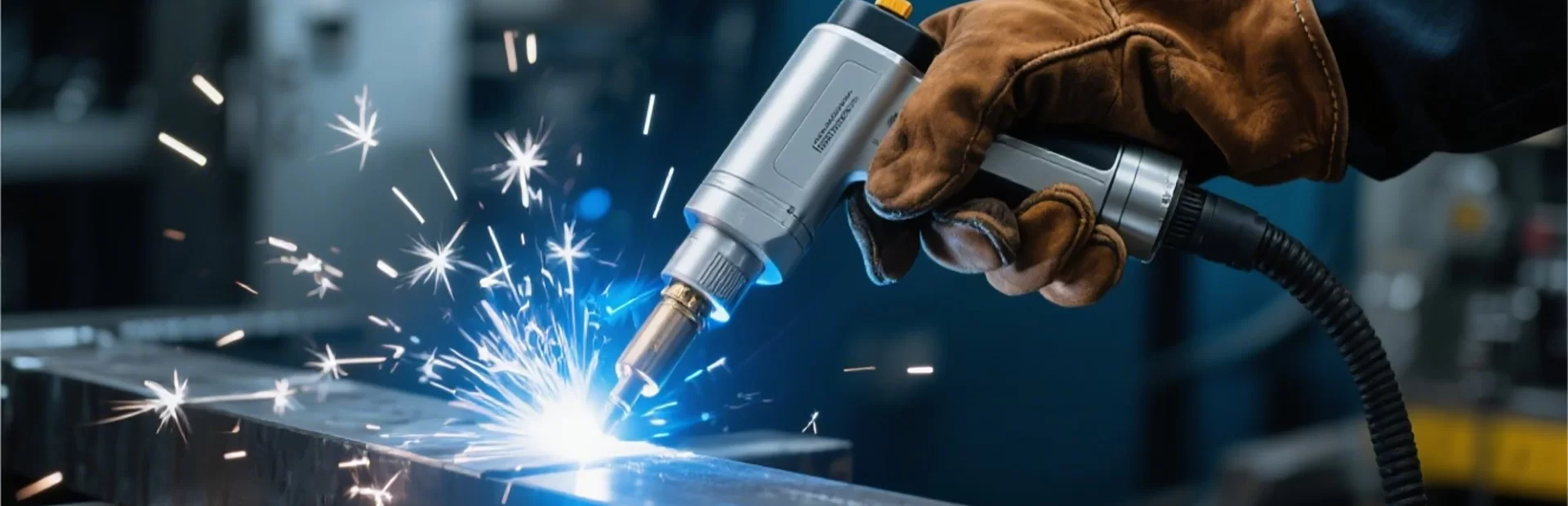
Shift toward ergonomic handheld laser welders, combining the precision of lasers with the flexibility of manual operation.
Digitalization of Pneumatics
The move from simple air tanks to intelligent pneumatic systems that monitor pressure in real-time to prevent tool failure and optimize power consumption in Egyptian workshops.
Customization in Mesh Production
Transitioning from standardized wire mesh to highly specific industrial weaves tailored for Egyptian agricultural filters and chemical processing plants.
Hybrid Manufacturing Workflows
Combining automated laser cutting with manual finishing to balance high-volume efficiency with the detailed craftsmanship required for specialized industrial projects.
Future Outlook
Global Trends in Equipment Manufacturing
Key drivers shaping the next generation of industrial machinery.
Fiber Laser Efficiency
The shift toward high-power fiber lasers reduces electricity consumption while increasing the speed of metal penetration for thicker industrial plates.
Human-Machine Synergy
Handheld devices are replacing complex robotics in SMEs, allowing operators to apply laser precision to non-standardized parts without expensive programming.
Pneumatic Modularization
Modular air compressor systems are becoming popular, allowing factories to scale their pneumatic capacity as their production lines grow.
Sustainable Fabrication
Low-waste laser cutting and energy-saving compression are now key requirements for companies aiming for ISO environmental certifications.
The broader movement toward "Industry 4.0" is manifesting in the Egyptian market through the adoption of smarter, more intuitive equipment. Rather than fully automated factories, which require massive capital and technical overhead, the current trend favors "assisted automation." This means providing workers with handheld laser tools and modular pneumatic systems that enhance human capability without replacing the need for operational oversight. This approach lowers the risk for Egyptian SMEs while providing an immediate jump in output quality.
Additionally, global supply chain shifts are encouraging a move toward diverse equipment sourcing. By integrating high-quality Chinese manufacturing with localized technical support and distribution, companies can avoid the pitfalls of over-reliance on a single vendor. The focus is shifting from merely purchasing a machine to investing in a "lifecycle solution," which includes initial sourcing, rigorous quality inspection at the origin, and a structured after-sales support system to ensure maximum equipment uptime.
Application Guide
Real-World Industrial Applications
How our equipment solves specific operational challenges in Egyptian settings.
01
Cairo Metalwork Shop: Rapid Prototype Welding
A small fabrication shop in Cairo needs to weld complex stainless steel frames for furniture. Traditional welding causes warping and requires extensive grinding. By implementing a handheld laser welder, the operator achieves precise, low-heat joints in seconds, eliminating the need for post-weld grinding and reducing the production cycle per unit by half.
02
Alexandria Port Logistics: Durable Asset Marking
A logistics provider in Alexandria requires permanent identification on heavy-duty shipping containers and pallets. Inkjet markers fade under the salty coastal air. A fiber laser marking machine is deployed to etch deep, indelible QR codes and serial numbers, ensuring 100% traceability and reducing manual auditing errors in the port.
03
Industrial Zone Factory: Stable Pneumatic Power
A plastics manufacturer in 6th of October City suffers from erratic tool performance due to unstable air pressure. Replacing aging compressors with an industrial-grade air compressor system ensures a steady flow of high-pressure air, reducing machine downtime by 15% and extending the lifespan of pneumatic actuators.
04
Delta Region Agrotech: Custom Mesh Filtration
An irrigation equipment provider in the Delta region requires specific stainless steel mesh filters to prevent silt clogging. Using a customized wire mesh making machine, they produce varying aperture sizes that perfectly match the sediment profile of local Nile water, improving filter efficiency and reducing client maintenance costs.
05
Giza Automotive Parts: Precision Component Cutting
An auto-parts supplier in Giza produces complex brackets. Manual cutting leads to high material waste and inconsistent fits. Implementing a CNC laser cutting machine allows for nested part layouts that maximize sheet metal utilization and ensures every part fits perfectly into the assembly, reducing rejection rates.
Operational Evidence
Representative Deployment Contexts
Illustrative outcomes based on typical industrial equipment implementations.
The transition from manual TIG welding to handheld laser technology typically allows small fabrication shops to onboard new operators in days rather than months. The immediate reduction in weld splatter and deformation directly translates to lower finishing costs and faster delivery times for the end customer.
Integrating a fiber laser marking system into a production line removes the constant need for ink cartridges and cleaning. For companies exporting to Europe, the precision of these marks ensures compliance with international marking standards, which is critical for avoiding shipment delays at customs.
Upgrading to high-efficiency air compressors provides a noticeable difference in the stability of pneumatic tools. In high-heat environments like Egypt, the ability of the compressor to maintain steady pressure without overheating is the primary factor in preventing unplanned production halts.
About Topstar
Bridging Manufacturing Excellence
Our commitment to precision, innovation, and global partnership.
2024
Company Establishment
SHIJIAZHUANG TOPSTAR INTERNATIONAL TRADING CO., LTD. was founded in Hebei province, China, with a mission to bridge high-quality Chinese manufacturing with international markets, focusing on laser and pneumatic equipment.
Operational Focus
Comprehensive Solution Development
We developed a specialized trade scope encompassing handheld laser welders, full-service mesh equipment supply, laser marking systems, and air compressor solutions to provide one-stop procurement for global clients.
Corporate Vision
Global Trust Bridge
Our vision is to become the trusted partner between Chinese manufacturing excellence and global markets, redefining industry standards through quality, professionalism, and a win-win philosophy with all partners.

High Precision Laser Cutting Machine Factory Leading China Suppliers of CNC Equipment

High Precision CNC Laser Tube Cutting Machine China Suppliers and Factory

CNC Automatic Platform Laser Welding Machine Suppliers in China Factory
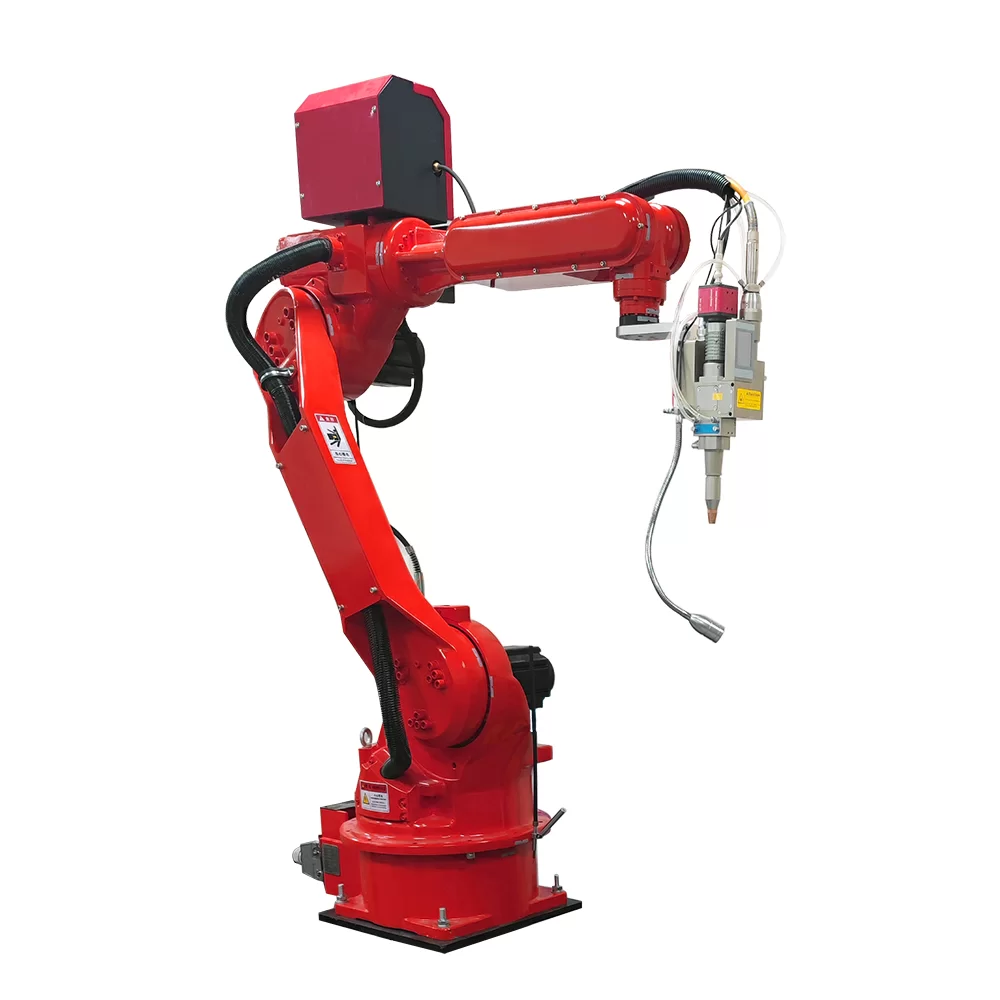
Robot Arm Welding Machine
Technical FAQ
Industrial Equipment Insights
Answers to common questions from Egyptian industrial procurement managers.
What are the primary advantages of handheld laser welding over traditional TIG welding?
Handheld laser welding offers significantly higher speeds, a much smaller heat-affected zone (reducing distortion), and an easier learning curve for operators. Unlike TIG welding, which requires years of specialized skill, laser welding allows for consistent results with minimal training. This is particularly beneficial for Egyptian shops looking to increase throughput without a large increase in highly skilled labor costs.
How do I choose the right air compressor for a factory in a high-temperature climate like Egypt?
In high-temperature environments, cooling efficiency is the most critical factor. You should prioritize compressors with robust cooling systems and oversized heat exchangers to prevent overheating. Additionally, ensure the system includes a high-quality air dryer to remove moisture, as high humidity in coastal regions like Alexandria can lead to corrosion in pneumatic lines and tools. We recommend evaluating the total CFM requirement and adding a 20% buffer for peak loads.
Can laser marking machines work on all types of industrial metals used in Egypt?
Fiber laser marking machines are highly versatile and work effectively on most metals, including stainless steel, aluminum, carbon steel, and titanium. The effectiveness depends on the wavelength and power of the laser. For reflective metals like aluminum, specific settings are used to ensure high contrast. These machines are ideal for the diverse range of components produced in Egyptian industrial zones, from automotive parts to medical equipment.
What is the typical maintenance cycle for a wire mesh making machine?
Maintenance generally falls into three tiers: daily lubrication of moving parts, monthly inspection of wire guides and tensioners, and semi-annual calibration of the weaving mechanism. In dusty industrial environments common in some Egyptian regions, daily cleaning of the guides is essential to prevent wire friction and breakage. Regular maintenance ensures the aperture precision of the mesh remains consistent over years of operation.
How does Topstar ensure quality control when sourcing machinery from Chinese manufacturers?
We implement a rigorous one-stop trade service that includes multi-stage quality inspections. This begins with supplier auditing, followed by a pre-shipment inspection where machines are tested against specific technical benchmarks. We verify the precision of laser output, the stability of pneumatic pressure, and the build quality of mechanical frames. This ensures that the equipment arriving in Egypt meets the exact specifications requested by the client.
What are the first steps for an Egyptian company to import a customized laser cutting system?
The process starts with a technical requirement analysis, where we define the materials, thickness, and precision levels needed. Once the specifications are locked, we provide a tailored equipment proposal. Following the order, we handle the sourcing and quality verification in China. The final step involves coordinated logistics to ensure the machine is delivered to your site in Egypt and commissioned correctly for your specific production workflow.
Ready to Upgrade
Optimize Your Production with Precision Equipment in Egypt
Whether you are scaling a workshop in Cairo or managing a factory in Alexandria, upgrading to advanced laser and pneumatic systems is the fastest way to increase quality and reduce waste. Our team provides the technical expertise and reliable sourcing needed to navigate the global procurement process. Contact us today to discuss your specific industrial requirements and receive a tailored equipment solution.
Discuss Your Requirements


