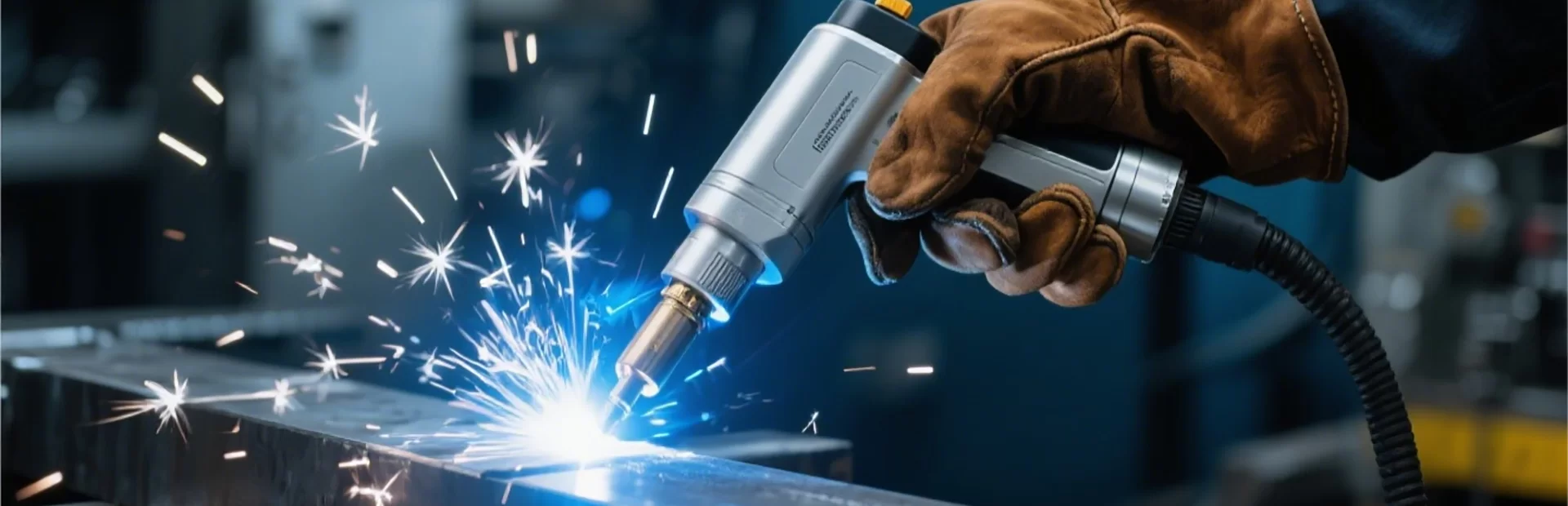
Welding machine types represent a cornerstone of modern manufacturing, construction, and repair across a vast spectrum of industries. From the automotive sector to aerospace, shipbuilding to pipeline construction, the ability to reliably and efficiently join metals is paramount. Understanding the nuances of different welding machine types is therefore critical for professionals seeking optimal results, cost-effectiveness, and safety. The evolution of welding technology has been rapid, with advancements continually improving precision, speed, and the range of materials that can be effectively joined.
The global demand for skilled welders and advanced welding equipment continues to grow, fueled by infrastructure development in emerging economies and increasingly stringent quality control standards in established markets. According to data from the International Institute of Welding (IIW), global welding production is estimated to be worth hundreds of billions of dollars annually. This makes the selection and application of appropriate welding machine types a significant economic factor. However, the challenge lies in choosing the right machine for a specific application, considering factors such as material type, thickness, joint design, and production volume.
The importance of understanding welding machine types extends beyond purely economic considerations. Effective welding plays a crucial role in ensuring the structural integrity of critical infrastructure, safeguarding public safety, and reducing environmental impact through optimized material usage and minimized waste. Consequently, ongoing research and development in welding technology are focused on creating more sustainable, efficient, and user-friendly welding solutions.
The Significance of Welding Machine Types
The selection of appropriate welding machine types has a profound impact on the quality, durability, and cost-effectiveness of welded structures. Different types excel in specific applications, based on the materials being joined, the required weld characteristics, and the production environment. Ignoring these factors can lead to defects, premature failure, and increased maintenance costs. Understanding the core principles behind each type is crucial for maximizing productivity and ensuring the longevity of welded assets.
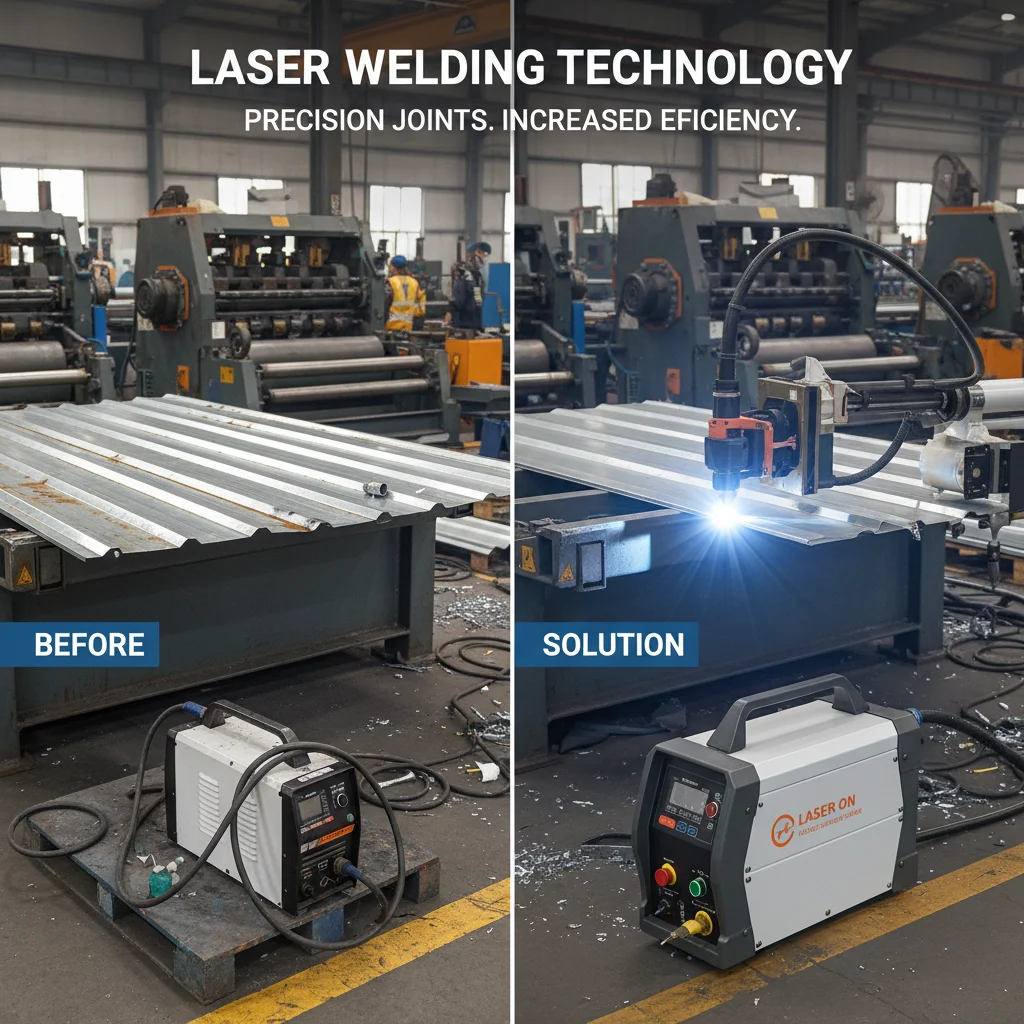
The choice of welding machine type isn’t merely a technical one; it’s a strategic decision impacting overall project success. For instance, in high-precision applications like aerospace engineering, advanced machines like laser welding systems or electron beam welding are often preferred due to their ability to create narrow, high-quality welds. Conversely, in heavy construction, more robust and portable machines like stick welding or flux-cored arc welding (FCAW) machines are commonly employed.
Defining Welding Machine Types
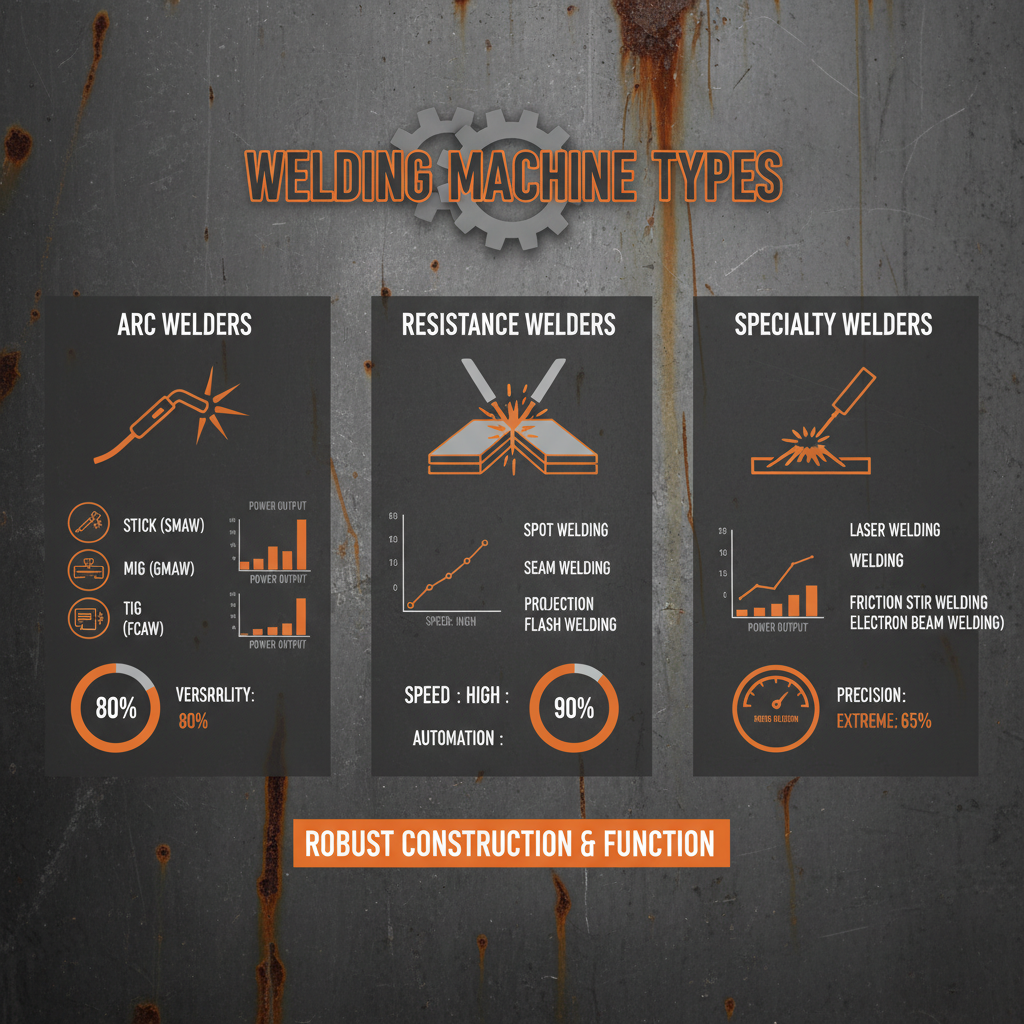
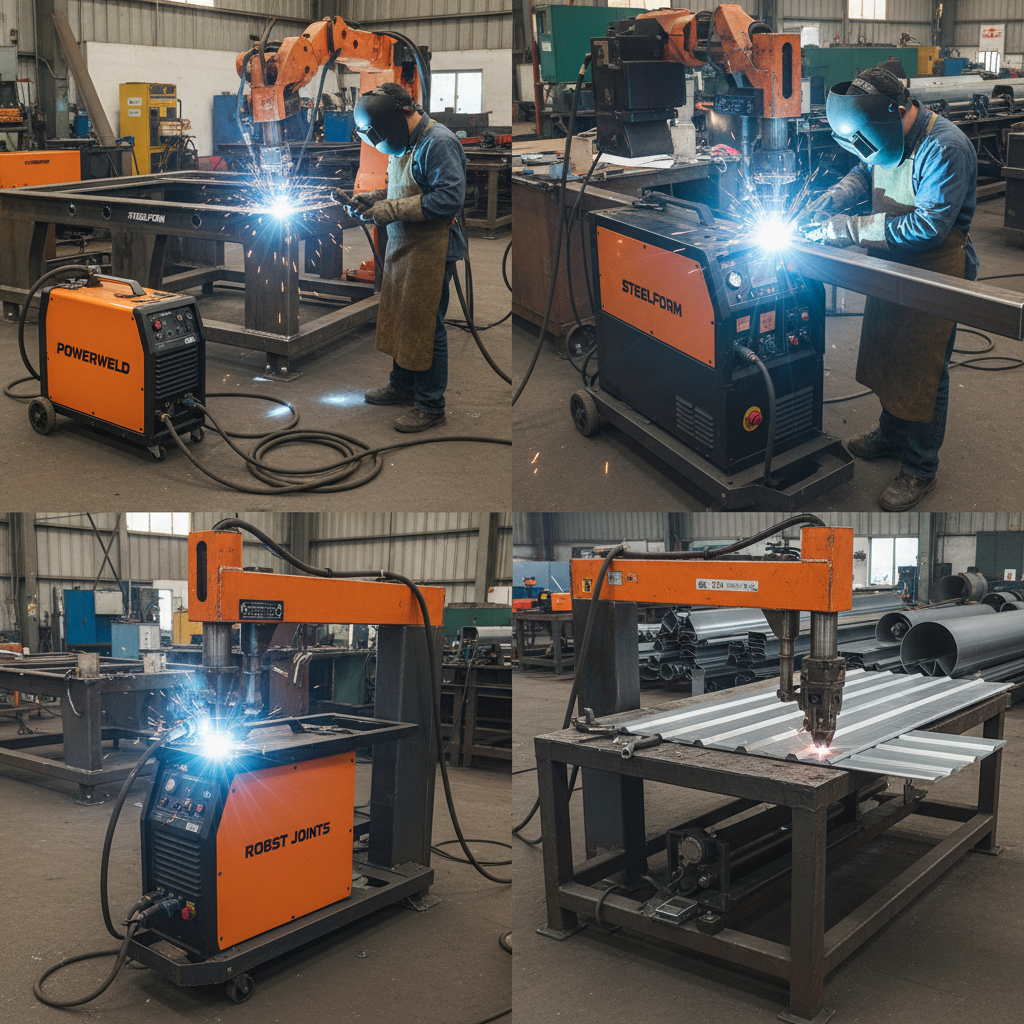
Welding machine types encompass a range of technologies used to fuse materials, typically metals, by applying heat, pressure, or both. The fundamental process involves creating a molten pool of material at the joint, which then solidifies to form a strong, permanent bond. Different welding machine types achieve this in various ways, resulting in unique weld characteristics and suitability for different applications. Common types include Shielded Metal Arc Welding (SMAW), Gas Metal Arc Welding (GMAW), Gas Tungsten Arc Welding (GTAW), Flux-Cored Arc Welding (FCAW), Submerged Arc Welding (SAW), and Laser Beam Welding (LBW).
The connection to modern industry is undeniable. Welding is a foundational process in manufacturing everything from automobiles and airplanes to bridges and pipelines. It's integral to the construction of infrastructure, the fabrication of machinery, and the repair of countless components. The efficiency and quality of these processes directly influence the competitiveness of industries globally.
In humanitarian contexts, welding machine types play a vital role in rapid prototyping, disaster relief, and infrastructure rebuilding. Mobile welding units can be deployed to repair damaged structures or fabricate essential components in remote locations, enabling faster recovery efforts and providing critical support to affected communities.
Key Factors in Welding Machine Selection
Several core aspects influence the selection of the optimal welding machine type. Material Compatibility is paramount – some machines are better suited for specific metals like aluminum, stainless steel, or carbon steel. For instance, GTAW excels with aluminum, while SMAW is versatile for carbon steel.
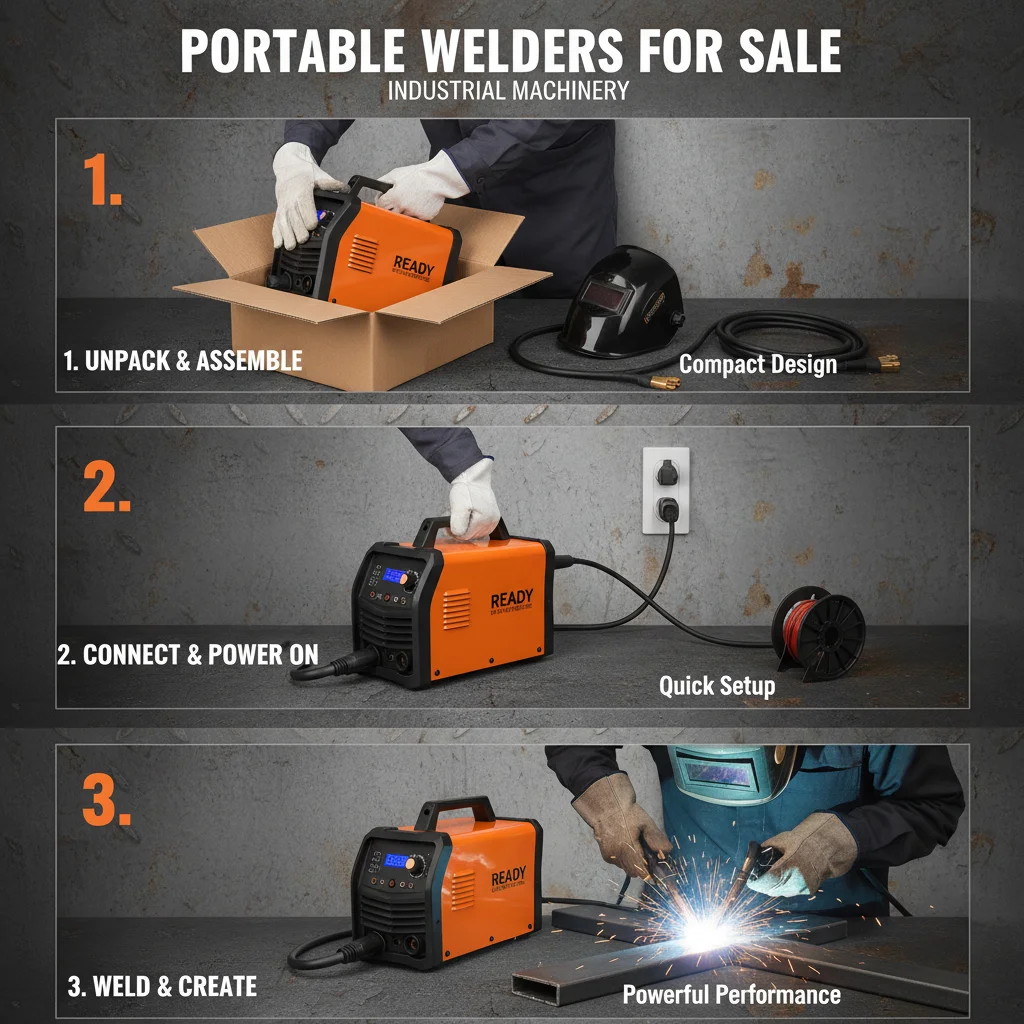
Weld Quality requirements dictate the precision and control needed. Processes like GTAW and LBW provide superior weld quality for critical applications. Production Speed & Efficiency also come into play; GMAW and SAW offer higher deposition rates for large-scale projects. Another important factor is Portability & Accessibility, especially for field work where you might need a smaller and more mobile machine.
Finally, Cost Efficiency is crucial. Initial investment, operating costs (consumables, energy), and maintenance expenses all contribute to the overall cost of welding. While some machines offer higher performance, they may have significantly higher upfront and ongoing costs. Careful evaluation of these factors is essential for making an informed decision.
Global Applications of Welding Machine Types
Welding machine types are ubiquitous across diverse industries worldwide. In the automotive industry, resistance spot welding is extensively used for assembling car bodies. The aerospace sector relies heavily on GTAW and LBW for creating high-strength, lightweight components. Shipbuilding employs SAW and FCAW for constructing large hull structures. The oil and gas industry utilizes various techniques, including SMAW, GMAW, and GTAW, for pipeline construction and maintenance.
In regions undergoing rapid infrastructure development, such as Southeast Asia and Africa, welding machine types are essential for building roads, bridges, and power plants. In remote industrial zones, portable welding machines provide on-site repair and fabrication capabilities. In post-disaster relief operations, welding units are deployed to repair damaged infrastructure and create temporary shelters.
Organizations like the American Welding Society (AWS) and the International Institute of Welding (IIW) play a crucial role in establishing welding standards and promoting best practices globally, ensuring the safety and reliability of welded structures across all applications.
Comparison of Welding Machine Types
Advantages and Long-Term Value of Proper Selection
Selecting the right welding machine types delivers tangible benefits including reduced operating costs through improved efficiency and minimized rework. The long-term value extends to increased structural integrity, enhancing safety and reducing the risk of costly failures. The choice also impacts sustainability, with modern machines offering lower energy consumption and reduced emissions.
Emotionally, proper welding selection fosters trust and confidence in the quality of the finished product. Logically, it drives innovation by enabling the use of advanced materials and techniques. Investing in high-quality welding equipment demonstrates a commitment to excellence, enhancing a company’s reputation and attracting skilled welders.
Future Trends in Welding Machine Technology
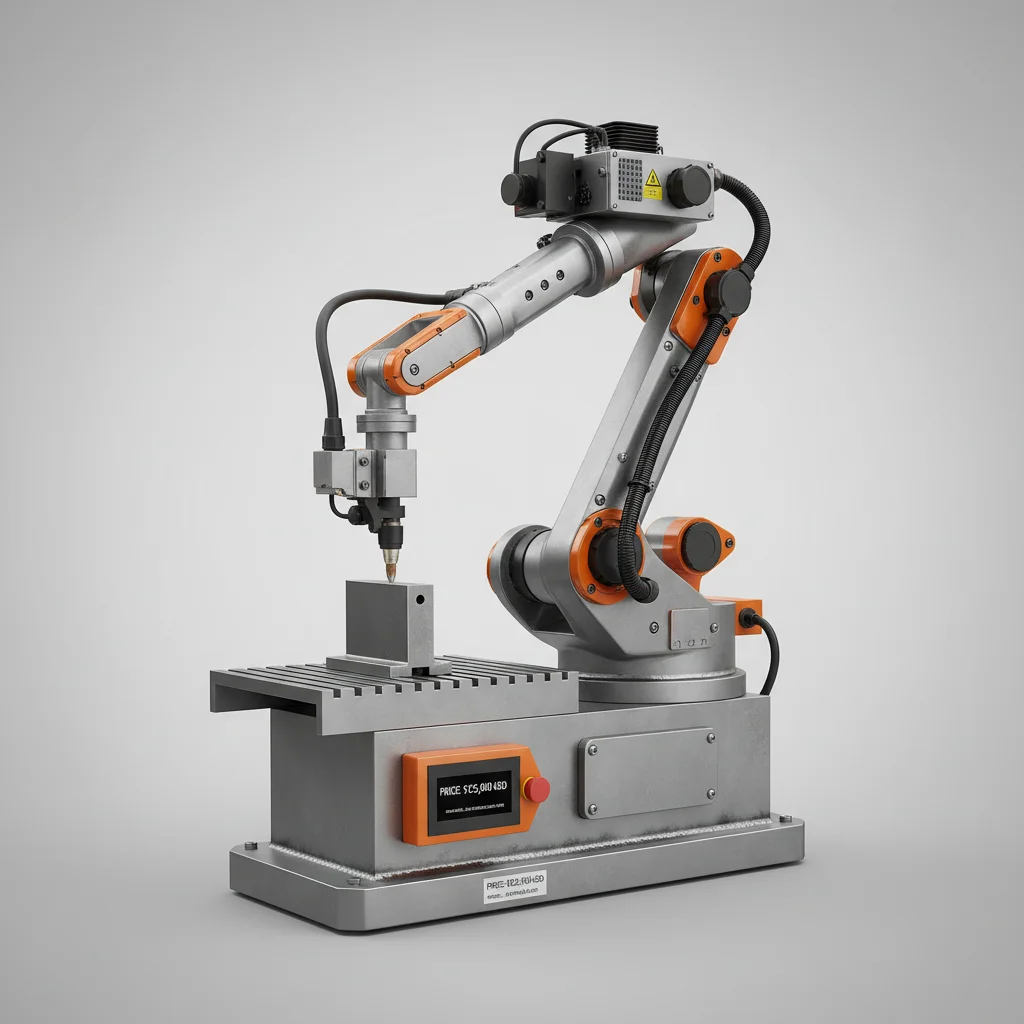
The future of welding machine types is being shaped by advancements in automation, digital control, and materials science. Robotic welding systems are gaining traction, offering increased precision, repeatability, and efficiency. Digital welding machines with real-time monitoring and feedback capabilities are improving weld quality and reducing defects. The development of new welding consumables and techniques is expanding the range of materials that can be effectively joined.
A significant trend is the integration of artificial intelligence (AI) and machine learning (ML) into welding processes. AI-powered systems can analyze weld parameters, predict potential defects, and optimize welding procedures in real-time. Furthermore, there’s a growing focus on sustainable welding practices, including the development of energy-efficient machines and environmentally friendly consumables.
Challenges and Innovative Solutions
Despite advancements, several challenges remain in the welding industry. Skilled welder shortages are a global concern, requiring increased investment in training and education. The cost of advanced welding equipment can be prohibitive for small businesses. Ensuring weld quality and consistency in complex applications remains a technical hurdle.
Innovative solutions include the development of user-friendly welding machines that require less training, the adoption of remote welding technologies to address skilled labor shortages, and the implementation of advanced quality control systems using non-destructive testing methods. Collaborative robotics—where humans and robots work together—are also emerging as a promising approach to improve efficiency and overcome skill gaps.
Continued research and development in areas such as hybrid welding (combining different welding processes) and additive manufacturing (using welding to build up structures layer by layer) offer further opportunities to address these challenges and unlock new possibilities in welding technology.
Summary of Welding Machine Type Characteristics
| Welding Process |
Material Suitability |
Skill Level Required |
Typical Applications |
| SMAW (Stick Welding) |
Carbon Steel, Low Alloy Steel, Cast Iron |
Beginner to Intermediate |
Construction, Repair Work, Heavy Fabrication |
| GMAW (MIG Welding) |
Carbon Steel, Stainless Steel, Aluminum |
Intermediate |
Automotive, Manufacturing, Sheet Metal Fabrication |
| GTAW (TIG Welding) |
Aluminum, Stainless Steel, Magnesium, Copper |
Intermediate to Advanced |
Aerospace, Precision Welding, Exotic Metals |
| FCAW (Flux-Cored Arc Welding) |
Carbon Steel, High-Strength Steel |
Intermediate |
Heavy Construction, Shipbuilding, Structural Steel |
| SAW (Submerged Arc Welding) |
Carbon Steel, Low Alloy Steel |
Advanced |
Large-Scale Fabrication, Pressure Vessels, Pipe Welding |
| LBW (Laser Beam Welding) |
Stainless Steel, Aluminum, Titanium |
Advanced |
Aerospace, Medical Devices, High-Precision Applications |
FAQS
MIG (GMAW) welding is generally faster and easier to learn, making it ideal for thicker materials and production environments. It uses a continuously fed wire electrode and a shielding gas. TIG (GTAW) welding offers greater precision and control, resulting in higher-quality welds, especially on thinner materials and non-ferrous metals. It requires more skill and uses a non-consumable tungsten electrode.
SMAW (Stick welding) is often recommended for beginners due to its relative simplicity, affordability, and portability. It requires minimal setup and can be used on a variety of materials. However, it produces more spatter and requires more cleanup than other processes. MIG welding is also a viable option for beginners with the right instruction and equipment.
Aluminum requires specific welding techniques and equipment. GTAW (TIG) welding is the most common and effective method for welding aluminum, as it provides precise control and minimizes heat input. GMAW (MIG) welding can also be used with a spool gun and specialized aluminum wire. Ensure your machine has the appropriate settings and consumables for aluminum.
Welding involves inherent hazards. Always wear appropriate personal protective equipment (PPE), including a welding helmet, gloves, long sleeves, and safety glasses. Ensure proper ventilation to avoid inhaling fumes. Be aware of fire hazards and have a fire extinguisher readily available. Follow all safety guidelines provided by the welding machine manufacturer.
DC (Direct Current) welding provides a consistent polarity and is often used for welding steel and other ferrous metals. AC (Alternating Current) welding alternates the polarity, making it suitable for welding aluminum and other non-ferrous metals. Some machines offer both AC and DC capabilities for versatility.
Regular maintenance is crucial for ensuring the longevity and performance of a welding machine. This includes cleaning the machine, checking cables and connections for damage, replacing worn-out consumables (electrodes, nozzles, contact tips), and inspecting cooling systems. Refer to the manufacturer's manual for specific maintenance recommendations.
Conclusion
In conclusion, understanding welding machine types is not merely a technical pursuit but a strategic imperative for success across a multitude of industries. From selecting the optimal process for a specific application to ensuring safety and quality, a thorough grasp of the nuances of each type is essential. The ongoing evolution of welding technology, driven by advancements in automation, digital control, and materials science, promises to further enhance the efficiency, precision, and sustainability of welding operations.
Looking ahead, investing in training and education, embracing innovative technologies, and fostering a culture of continuous improvement will be critical for staying ahead in the rapidly changing welding landscape. By prioritizing these aspects, businesses and individuals alike can unlock the full potential of welding machine types and drive progress in manufacturing, construction, and beyond. For more information on specific welding solutions, visit our website: www.topstarlaser.com.