Shijiazhuang Topstar
International Trading Co., Ltd.


Get In Touch
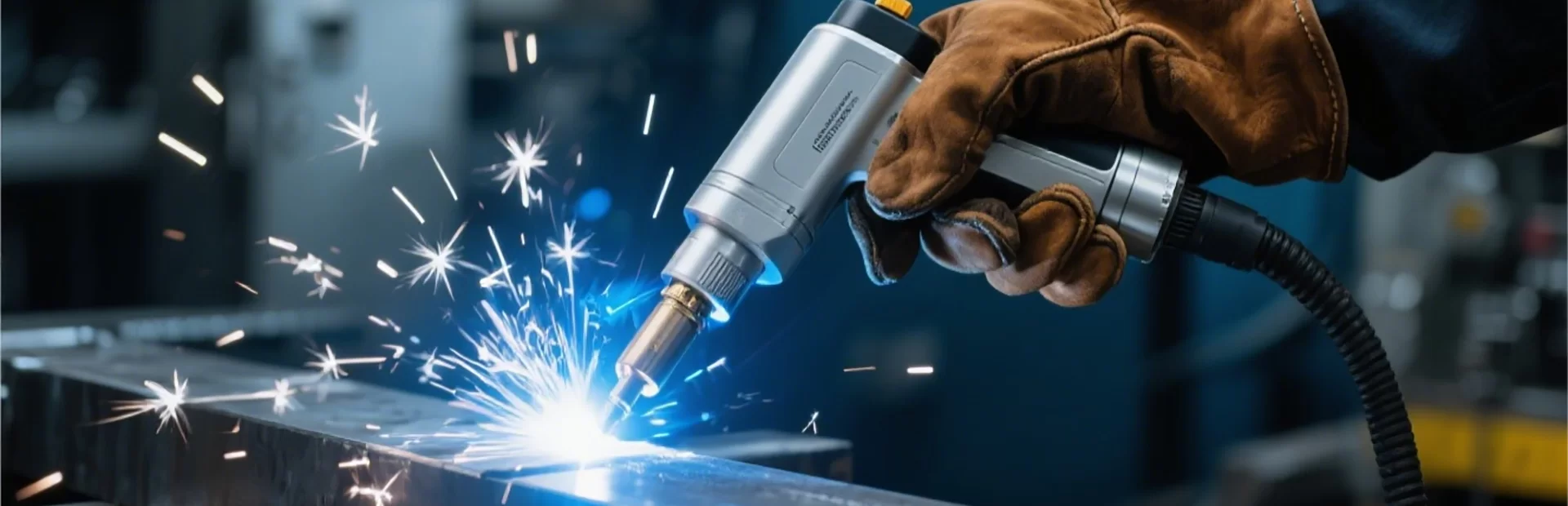
Honestly, things are moving fast. Everyone’s talking about automation, right? Remote monitoring, IoT integration… you name it. It’s all about getting more done with less manpower. But to be honest, a lot of these “smart” solutions, they just add another layer of complexity. I was at a welded wire mesh machine factory in Jiangsu last month, and they had this fancy AI-powered quality control system. Looked great on the brochure, but on the shop floor? It kept misidentifying perfectly good mesh as flawed because of the lighting. Lighting! You’d think they’d test that.
It’s a constant battle, you know? Designers drawing up these elaborate machines, engineers focusing on efficiency, and then us, the folks actually using them, realizing things don’t always translate to the real world. Have you noticed how everyone wants everything thinner, lighter? That’s great for shipping, but it also means less material, less durability. We’re always trying to find that sweet spot between cost and quality. It's a tricky balancing act.
And the materials… that’s a whole other story. We primarily work with Q235 steel for the frames. It’s got a decent tensile strength, easy to weld, smells… well, like steel, you know? That metallic tang. Sometimes they try to substitute it with cheaper stuff, and you can tell immediately. It just doesn't feel right. The welding beads look different, the surface is rougher. The wire itself, usually galvanized low-carbon steel. The coating quality varies wildly. Sometimes it's nice and even, sometimes it's patchy. It impacts the corrosion resistance, obviously. I’ve seen mesh rust within weeks if the galvanization is poor. It’s frustrating.

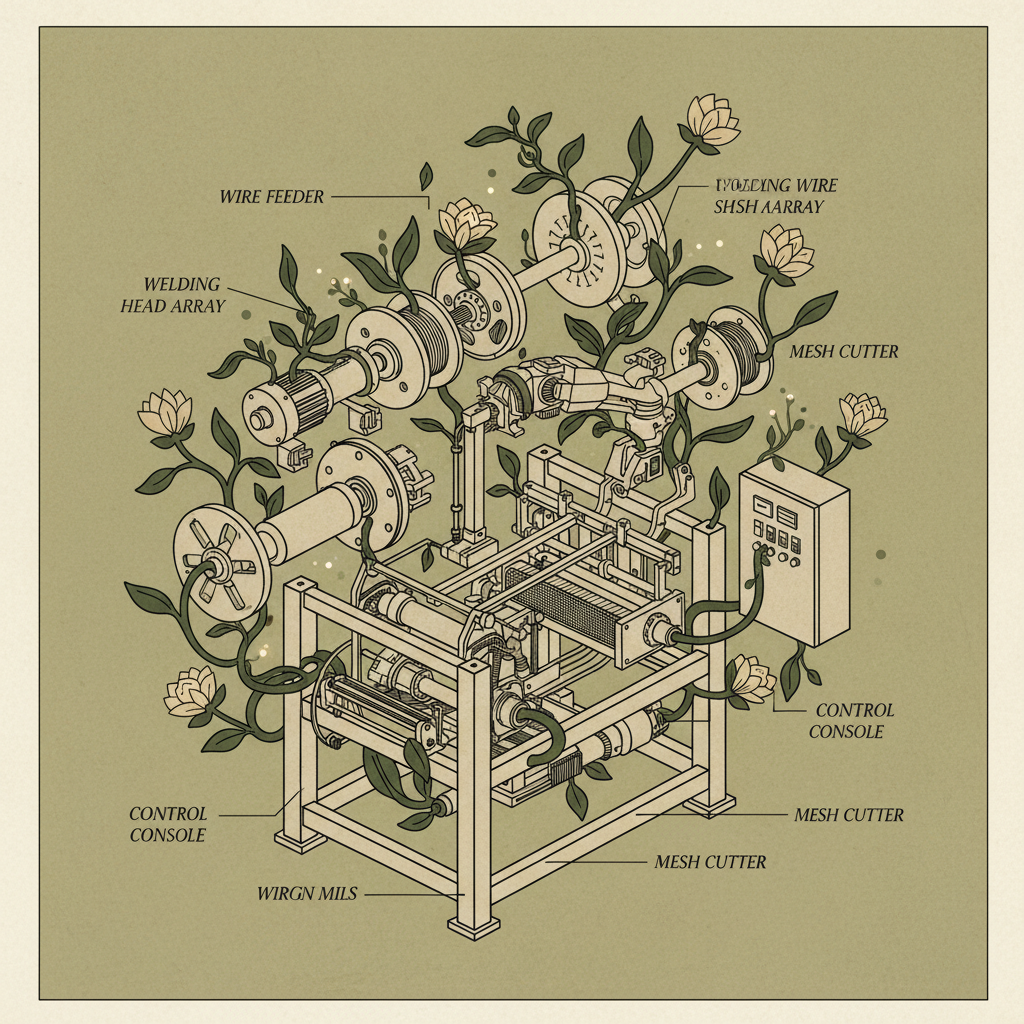
Strangely enough, the biggest trend I'm seeing isn’t about more complex machinery, it’s about making things more adaptable. Everyone needs machines that can switch between different mesh sizes, different wire gauges, quickly. Because no one wants to be stuck with a machine that can only produce one thing. But that adaptability comes at a cost. It means more moving parts, more adjustments, and more potential points of failure.
A common design trap? Overcomplicating the wire feeding system. You need a reliable, consistent feed, but some manufacturers try to get too clever with servo motors and intricate pathways. It ends up jamming more often than a simple roller system. Keep it simple, that’s my motto. You want to spend less time fixing the machine and more time making mesh. I encountered this at a factory in Hebei last time – they were using this elaborate pneumatic system, and it was down half the time. Absolute nightmare.
Wire jamming is usually caused by a few things: inconsistent wire feed, dirty or corroded feed rollers, or improper tension. Sometimes, the welding head isn't aligned correctly, causing the wire to bunch up. It's often a combination of factors, and it takes a bit of troubleshooting to pinpoint the exact cause. Regular cleaning and maintenance of the feed system are crucial to prevent jamming. And check the wire itself – damaged or kinked wire can also cause problems.
That depends on the type of electrode and the amount of use, but generally, you should replace them when you start to notice a decrease in weld quality. Look for signs of wear, like rounded edges or a pitted surface. Also, if the arc becomes unstable, that's a sign the electrode is worn out. As a rule of thumb, we recommend replacing them every 8-12 hours of continuous operation, but always inspect them visually before each use. Don’t be stingy with electrodes – a fresh electrode makes a huge difference.
Prevention is key! Store the wire in a dry environment, protected from moisture. Avoid stacking it directly on the ground. When handling the wire, wear gloves to prevent oils from your skin from corroding the coating. If you need to cut the wire, use a clean, sharp blade to minimize damage to the coating. And if you notice any areas of corrosion, treat them immediately with a zinc-rich primer. Regular inspection is crucial.
Inconsistent aperture sizes usually point to a problem with the wire feeding system or the welding timing. Check the wire feed rollers for wear or damage. Make sure the wire tension is consistent. And verify that the welding timer is accurately controlling the weld duration. Sometimes, the issue is simply a variation in the wire diameter. If you’re still having problems, try adjusting the welding parameters, like the current and voltage, in small increments.
Safety first! Always wear appropriate personal protective equipment, including safety glasses, gloves, and a welding helmet. Make sure the machine is properly grounded. Never operate the machine with wet hands. Keep the work area clean and free of clutter. And be aware of the potential hazards associated with welding, such as fumes and sparks. Always follow the manufacturer’s safety instructions.
Absolutely. We offer a range of customization options. We can modify the welding head to create different mesh patterns, like square, rectangular, or hexagonal. We can also adjust the wire spacing and the mesh width. The extent of customization depends on the specific requirements, but we're always willing to work with customers to find a solution that meets their needs. One customer, a landscape architect, wanted a unique diamond-patterned mesh for a park installation. It was a challenge, but we delivered.
So, where does that leave us? We’ve talked about the trends, the pitfalls, the materials, the testing, and everything in between. The welded wire mesh machine industry is constantly evolving, but the core principles remain the same: build it strong, build it reliable, and build it to meet the needs of the user. It’s about finding that balance between innovation and practicality.
And looking ahead? I think we’ll see even more automation, more integration with IoT, and a greater focus on sustainability. But ultimately, the success of any machine, no matter how sophisticated, depends on the skill and experience of the operator. It all comes down to craftsmanship. And ultimately, whether this thing works or not, the worker will know the moment he tightens the screw.