


When procurement managers evaluate the air compressor price, they often encounter a deceptive gap between the initial purchase cost and the long-term operational expenditure. In the gas compression machinery sector, the sticker price is merely the entry point to a complex ecosystem of energy consumption, maintenance cycles, and pneumatic efficiency.
Understanding the true cost of compressed air requires shifting the focus from capital expenditure (CAPEX) to total cost of ownership (TCO). From small-scale workshops using handheld tools to massive industrial lines integrating laser welding and cutting machines, the pricing logic varies based on the required pressure stability and air quality standards.
This analysis explores the variables that drive pricing in the modern compressor market, providing a strategic framework for buyers to balance performance requirements with budgetary constraints without compromising industrial productivity.

Analyzing the Primary Drivers of Industrial Compressor Pricing

The price of an air compressor is rarely a fixed value; instead, it is a reflection of the engineering complexity required to meet specific industrial atmospheric demands. The most fundamental driver is the compression method—whether the system utilizes reciprocating pistons, rotary screws, or centrifugal impellers—each commanding a different price bracket based on its flow capacity and pressure range.
Beyond the core mechanism, the materials used in the construction of the pressure vessel and the cooling system significantly impact the final cost. High-grade alloys designed to resist corrosion in humid environments or high-temperature endurance for continuous 24/7 operation add a premium to the baseline price but reduce the frequency of critical failures.
Furthermore, the integration of smart controls and Variable Speed Drive (VSD) technology has shifted the pricing landscape. While a VSD-equipped unit has a higher upfront cost, it allows the machine to adjust its output to match real-time demand, effectively reducing electricity waste and providing a faster return on investment (ROI).
Technical Specifications That Influence Capital Investment
Technical precision is the primary determinant of cost in gas compression machinery. The required CFM (Cubic Feet per Minute) and PSI (Pounds per Square Inch) dictate the physical size of the motor and the robustness of the compression chamber, directly scaling the equipment price.
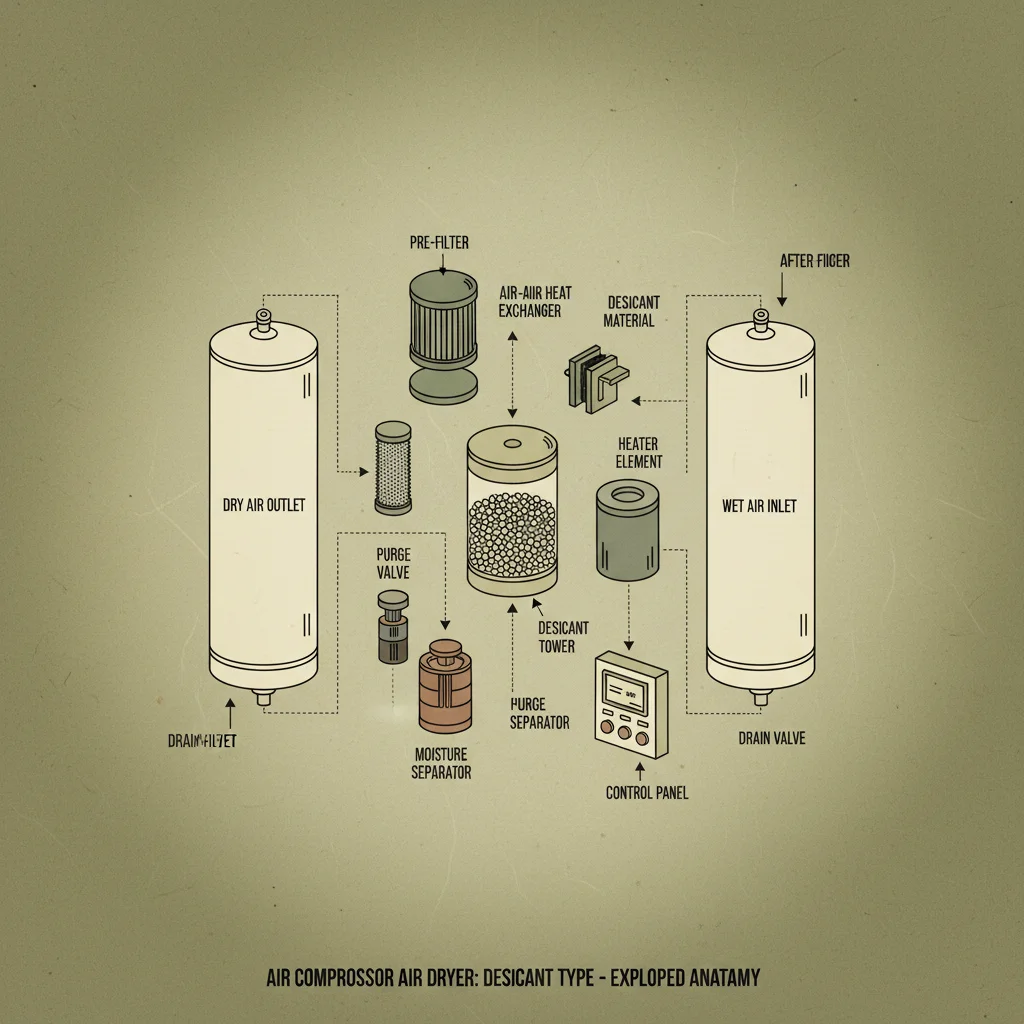
Air quality requirements also introduce significant cost variables. For industries requiring "oil-free" air—such as pharmaceutical packaging or high-precision electronic assembly—the cost increases because the compressor must employ specialized seals and filtration systems to prevent hydrocarbon contamination.
Additionally, the capacity of the air receiver tank influences the pricing. A larger tank reduces the number of start-stop cycles the motor undergoes, extending the lifespan of the electrical components and stabilizing the downstream pressure for sensitive equipment like laser marking machines.
Operational Scenarios and Their Impact on Equipment Cost
The environment in which a compressor operates defines its necessary specifications and, consequently, its price. In heavy manufacturing plants where dust and heat are prevalent, a standard unit will fail prematurely; therefore, buyers must invest in units with advanced cooling radiators and heavy-duty filtration intake systems.
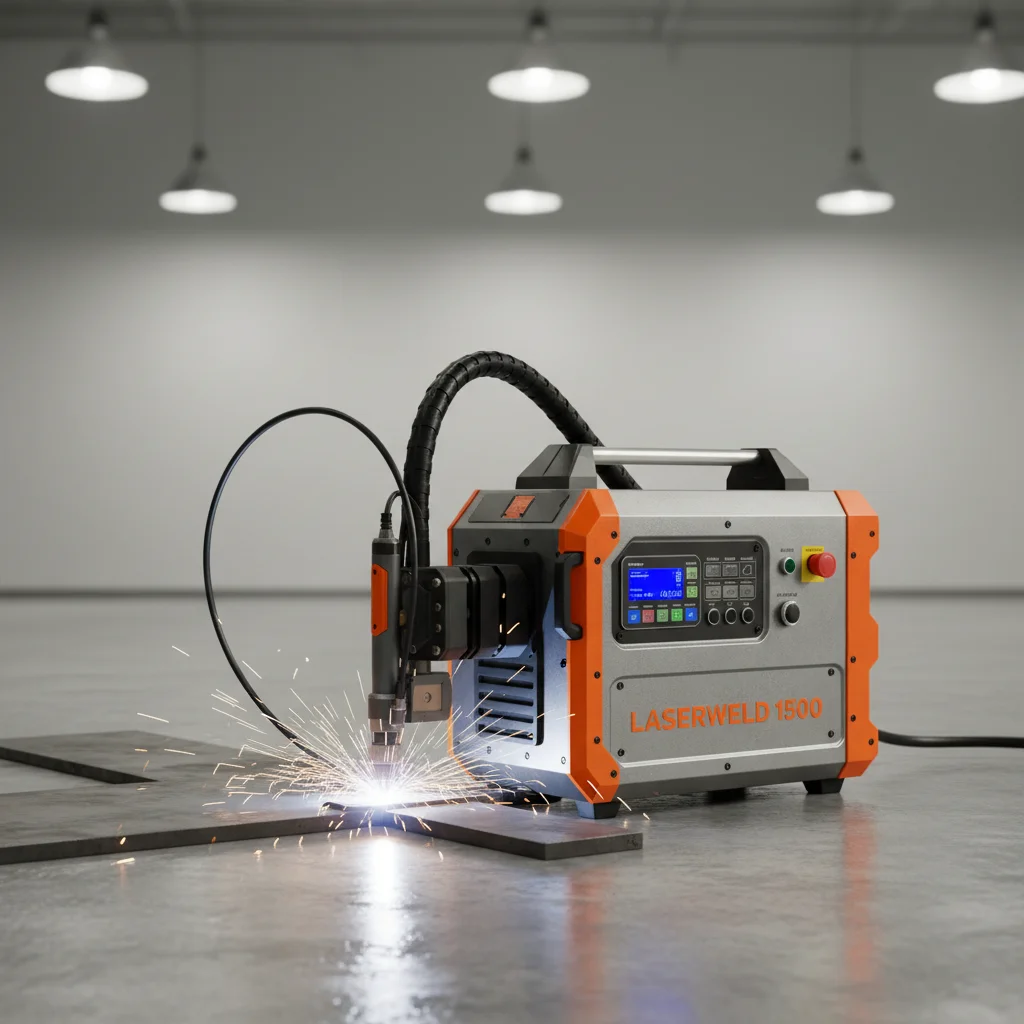
In contrast, light industrial settings or workshops focusing on handheld laser welding may only require intermittent air flow. In these scenarios, smaller reciprocating compressors are cost-effective, offering a low entry price while meeting the basic pneumatic needs of the operation.
For high-volume production lines, the requirement for "constant pressure" becomes critical. Any fluctuation in air supply can cause defects in automated processes. This necessitates the purchase of high-end rotary screw compressors with integrated sequencers, which manage multiple units to ensure a seamless supply of compressed air.
Evaluating Efficiency Benchmarks Against Purchase Price
When comparing different compressor tiers, the relationship between the purchase price and the Specific Energy Consumption (SEC) becomes evident. High-efficiency machines utilize optimized aerodynamics and superior motor insulation to produce more air per kilowatt-hour of electricity consumed.
By analyzing industry benchmarks, it becomes clear that investing in a premium-tier compressor can significantly lower the monthly utility bills, often offsetting the higher initial cost within the first 18 to 24 months of operation.
air compressor price Performance Metrics
The data indicates that while standard units have a lower acquisition cost, their energy efficiency is considerably lower than that of VSD-enabled systems. For a facility operating 8,000 hours per year, the gap in operational cost can be ten times the difference in the initial purchase price.
Strategic Procurement Guidelines for Pneumatic Systems
Successful procurement begins with a comprehensive audit of the facility's air demand. Many businesses overspend on compressors that are too large for their needs or underspend on units that cannot maintain the required pressure during peak loads, leading to costly production downtime.
Buyers should evaluate the "Total Cost of Ownership" by calculating the sum of the purchase price, the estimated 5-year energy cost, and the cost of scheduled consumables such as oil filters and separators. A machine with a 20% higher price tag may result in a 30% lower TCO.
Additionally, verifying the after-sales support and the availability of spare parts is essential. A cheap compressor from a supplier with no local technical support can become a liability the moment a critical component fails, resulting in losses that far exceed the original savings.
Future Trends in Energy-Efficient Compression Technology
The gas compression industry is currently moving toward greater intelligence and integration. We are seeing a rise in IoT-enabled compressors that can predict their own maintenance needs through vibration analysis and thermal monitoring, reducing the risk of unplanned outages.
Energy recovery systems are also becoming more common, where the heat generated during the compression process is captured and repurposed for facility heating or water heating. This transformation effectively turns a waste product into a resource, further improving the overall ROI of the installation.
Furthermore, the development of new lubricant materials and frictionless compression technologies is likely to extend service intervals and reduce the environmental impact of industrial pneumatic systems, making them more sustainable and compliant with stricter global emissions standards.
Comparative Analysis of Compression Technology Cost-Benefits
Choosing the right system requires a side-by-side comparison of the available technologies. Each category of air compressor serves a specific purpose and carries a distinct pricing structure based on its mechanical design and intended duty cycle.
The following table provides a decision-making matrix to help procurement officers align their technical needs with the appropriate investment level.
| Technology Type | Initial Investment | Primary Use Case | Maintenance Profile |
|---|---|---|---|
| Small Reciprocating | Low | Intermittent Tool Use | Frequent / Manual |
| Industrial Piston | Moderate | High-Pressure/Low-Flow | Moderate / Scheduled |
| Fixed-Speed Screw | High | Continuous Baseline Load | Predictable / Periodic |
| VSD Rotary Screw | Very High | Fluctuating Demand | Low / Automated |
| Oil-Free Screw | Premium | Medical / Food Grade | Specialized / High-Cost |
| Centrifugal | Enterprise | Massive Scale Industry | Complex / Professional |
Ultimately, the selection should be based on the specific air quality and volume requirements of your production line. Those evaluating these options can review relevant technical solutions and company information through www.topstarlasers.com to ensure their equipment matches their operational scale.
Frequently Asked Questions
Conclusion
Determining the right air compressor price is not a matter of finding the lowest number, but of calculating the most sustainable cost per unit of air. By focusing on total cost of ownership and aligning technical specifications with actual operational demands, businesses can avoid the twin traps of over-investment and under-performance.
As industrial automation continues to integrate laser and pneumatic technologies, the role of the compressor as a stable power source becomes even more critical. For those seeking a balance of precision and reliability in their industrial equipment, exploring the comprehensive solutions at www.topstarlasers.com provides a pathway to optimized operational efficiency.