Shijiazhuang Topstar
International Trading Co., Ltd.


Get In Touch
The modern industrial landscape relies heavily on the precision and strength of metal joining technologies, where the arc welding machine stands as a cornerstone of fabrication. By utilizing an electric arc to create intense heat, these machines allow for the fusion of metals with exceptional structural integrity, making them indispensable in everything from skyscraper construction to automotive assembly. Understanding the nuances of this technology is essential for any business aiming to optimize production efficiency and ensure the longevity of their manufactured components.
Globally, the demand for high-quality welding infrastructure is surging as emerging economies expand their urban centers and industrial zones. The versatility of an arc welding machine allows it to handle various materials and thicknesses, providing a scalable solution for both small-scale workshops and massive industrial plants. As global standards for safety and structural durability (such as ISO and AWS) become more stringent, the shift toward advanced, inverter-based welding systems has become a priority for maintaining competitive edges in the international market.
Despite its ubiquity, the industry faces significant challenges, including the need for skilled labor and the drive toward reducing energy consumption. The evolution of the arc welding machine from basic transformers to intelligent, digitally controlled systems addresses these pain points by lowering the barrier to entry for operators and increasing the precision of every bead. This guide explores the technical depth, practical applications, and future trajectory of arc welding technology to help you make an informed investment.


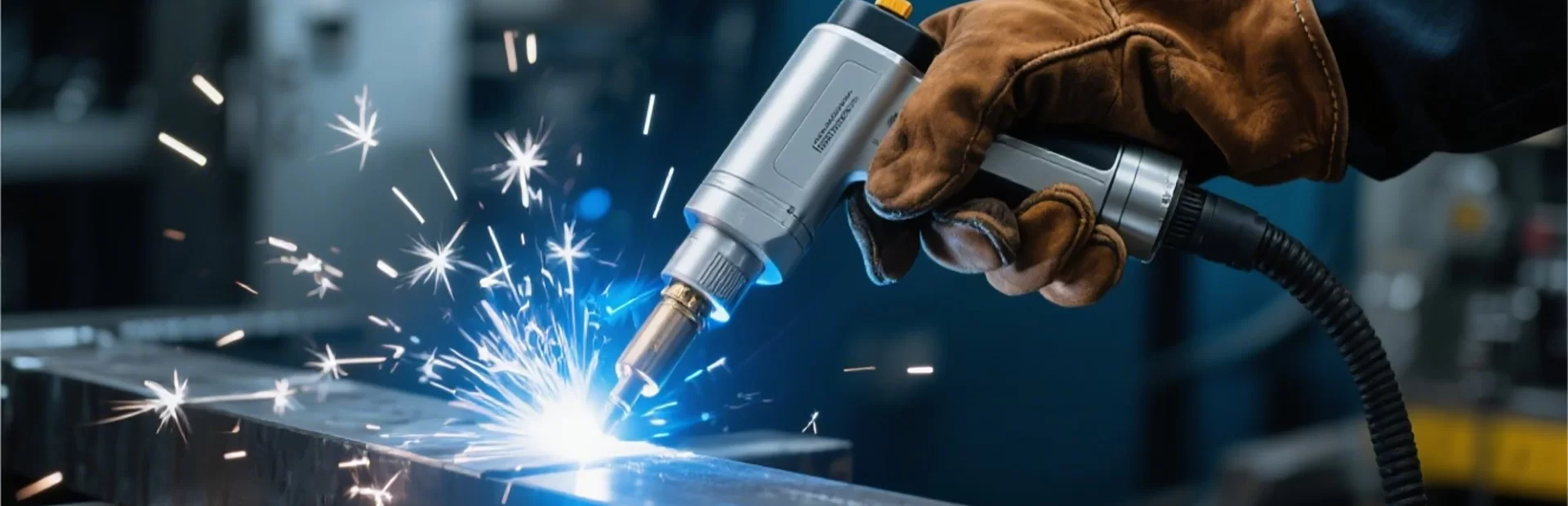
At its most basic level, an arc welding machine functions by creating an electric arc between an electrode and the base material to be joined. This arc generates concentrated heat, often exceeding 3,500 degrees Celsius, which melts the edges of the metal and any filler material provided. As the molten pool cools and solidifies, it forms a powerful metallurgical bond that is often stronger than the base metal itself.
The process is governed by the control of voltage and current, which determines the penetration depth and the width of the weld bead. Modern machines utilize sophisticated power sources to maintain a stable arc, reducing spatter and ensuring a smooth finish. Whether using a consumable electrode or a non-consumable tungsten rod, the goal remains the same: achieving a clean, void-free fusion that can withstand extreme mechanical stresses.
For beginners, a MIG (GMAW) welder is highly recommended. Unlike TIG or Stick welding, MIG is often described as a "hot glue gun for metal" because it feeds the wire automatically, making it much easier to maintain a stable arc and create a clean weld without years of specialized training. Most modern MIG machines also feature "synergic" settings that automatically adjust voltage based on the wire speed, further simplifying the learning curve.
Porosity is usually caused by atmospheric contamination. To prevent this, ensure your shielding gas flow rate is set correctly for your environment—if you are welding outdoors, use a wind screen to prevent the gas from being blown away. Additionally, thoroughly clean your base metal using a wire brush or acetone to remove oil, rust, and paint, as these contaminants vaporize during the process and create gas bubbles in the weld pool.
Many modern multi-process machines can handle Steel, Stainless Steel, and Aluminum. However, the key is using the correct consumables. For example, welding aluminum usually requires a TIG machine with AC (Alternating Current) capability or a MIG machine with a spool gun to prevent the soft aluminum wire from tangling. Always check if your machine supports the specific current type (AC/DC) required for the metal you are joining.
A transformer welder uses a large copper coil to step down voltage; it is heavy and consumes more power but is nearly indestructible. An inverter welder uses electronic circuitry to switch power at high frequencies, making the machine lightweight, energy-efficient, and far more precise in arc control. For most modern industrial and mobile applications, inverter technology is the preferred choice due to its versatility and portability.
For high-duty cycle industrial use, a quarterly inspection is recommended. This should include blowing out internal dust with compressed air to prevent overheating, checking all electrical connections for signs of wear or carbon buildup, and inspecting the torch/electrode holder for insulation failure. Regular maintenance prevents unexpected downtime and ensures that the machine remains compliant with safety regulations.
Traditional arc welding has a significant energy footprint, but the shift toward inverter technology and AI-optimized parameters is drastically reducing waste. By minimizing spatter and reducing the need for multiple passes, modern machines use fewer consumables and less electricity. When compared to mechanical fastening (which requires drilling and bolts), welding often provides a more material-efficient and structurally sustainable solution for heavy industry.
The arc welding machine remains a fundamental pillar of global manufacturing, evolving from a crude tool of the industrial revolution into a high-precision instrument of modern engineering. By balancing power, precision, and efficiency, these machines enable the creation of the infrastructure that defines our world—from the bridges we cross to the ships that transport global trade. The transition toward inverter technology and digital integration has not only lowered costs but has elevated the standard of safety and structural reliability across the board.
Looking forward, the integration of AI and robotics will continue to democratize high-quality welding, allowing companies to achieve aerospace-grade precision at a commercial scale. For businesses seeking to optimize their production lines, investing in the latest arc welding technology is no longer an option but a necessity for staying competitive in a sustainable, automated future. To explore the best equipment for your specific industrial needs, visit our website: www.topstarlaser.com.