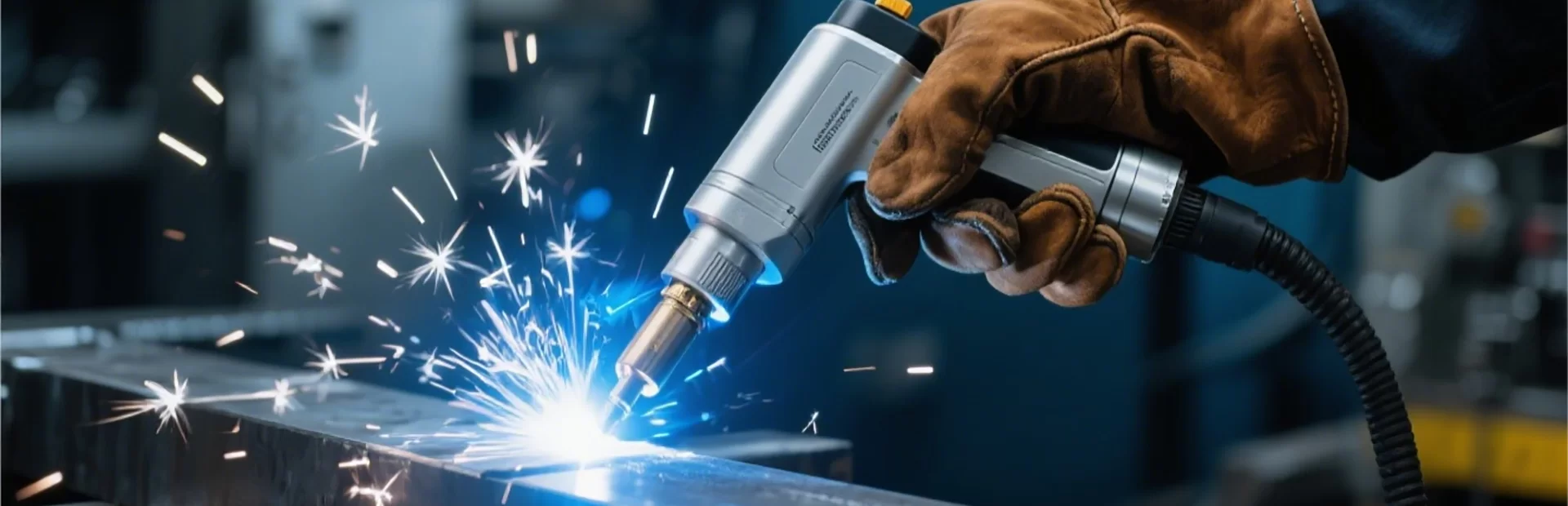
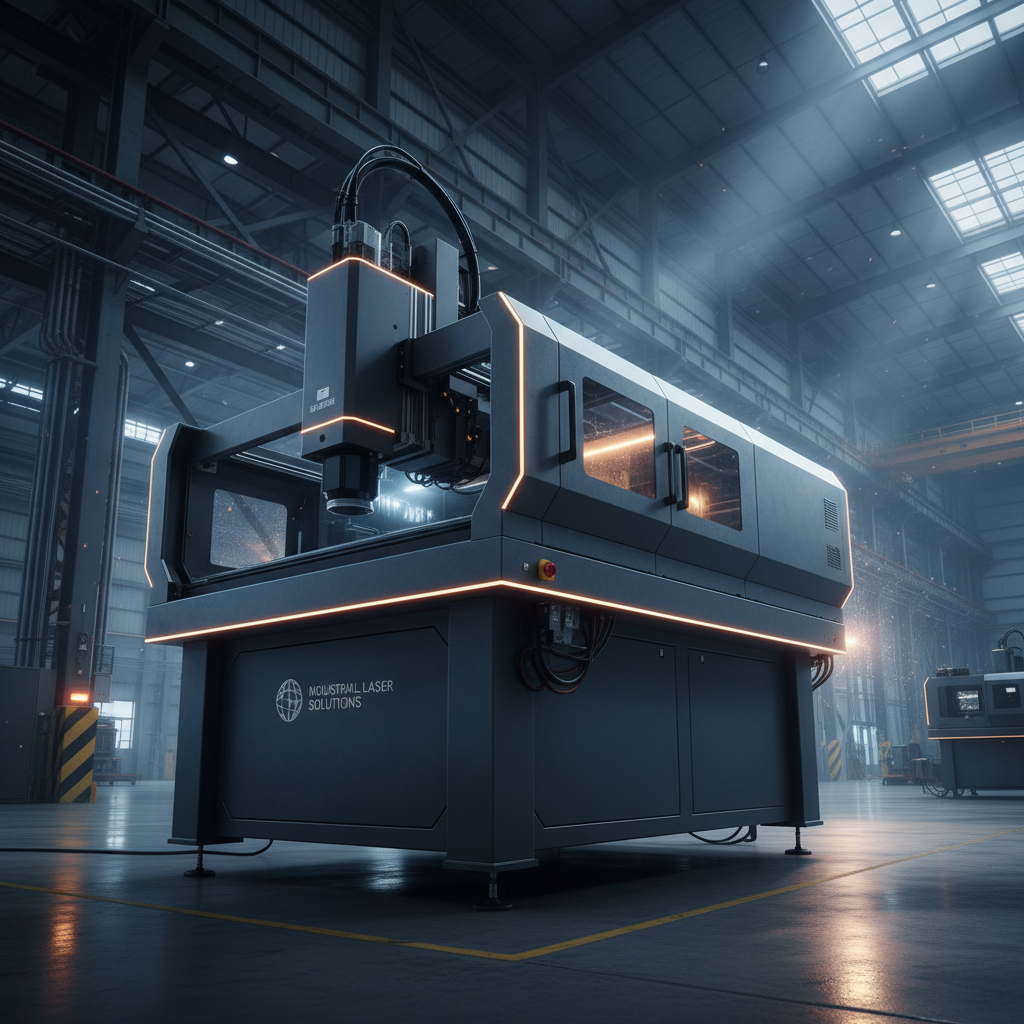
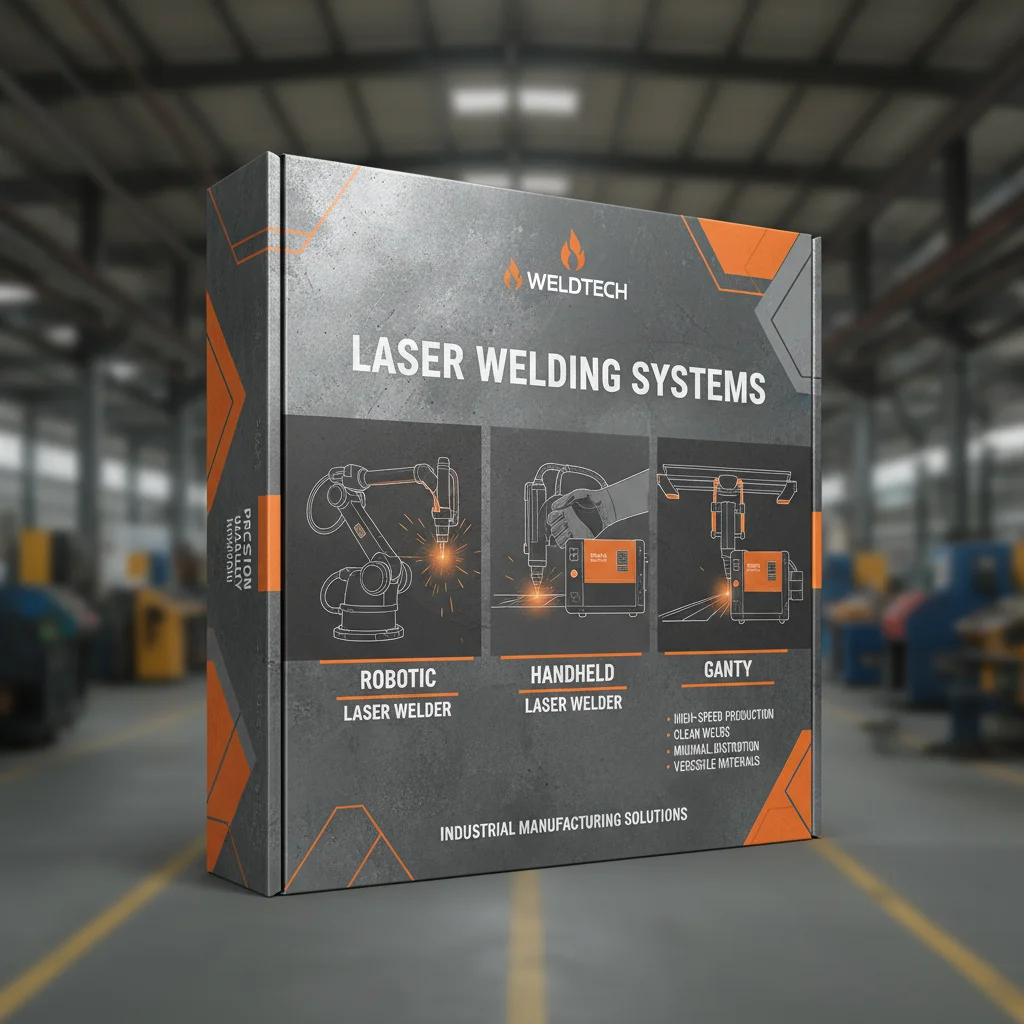
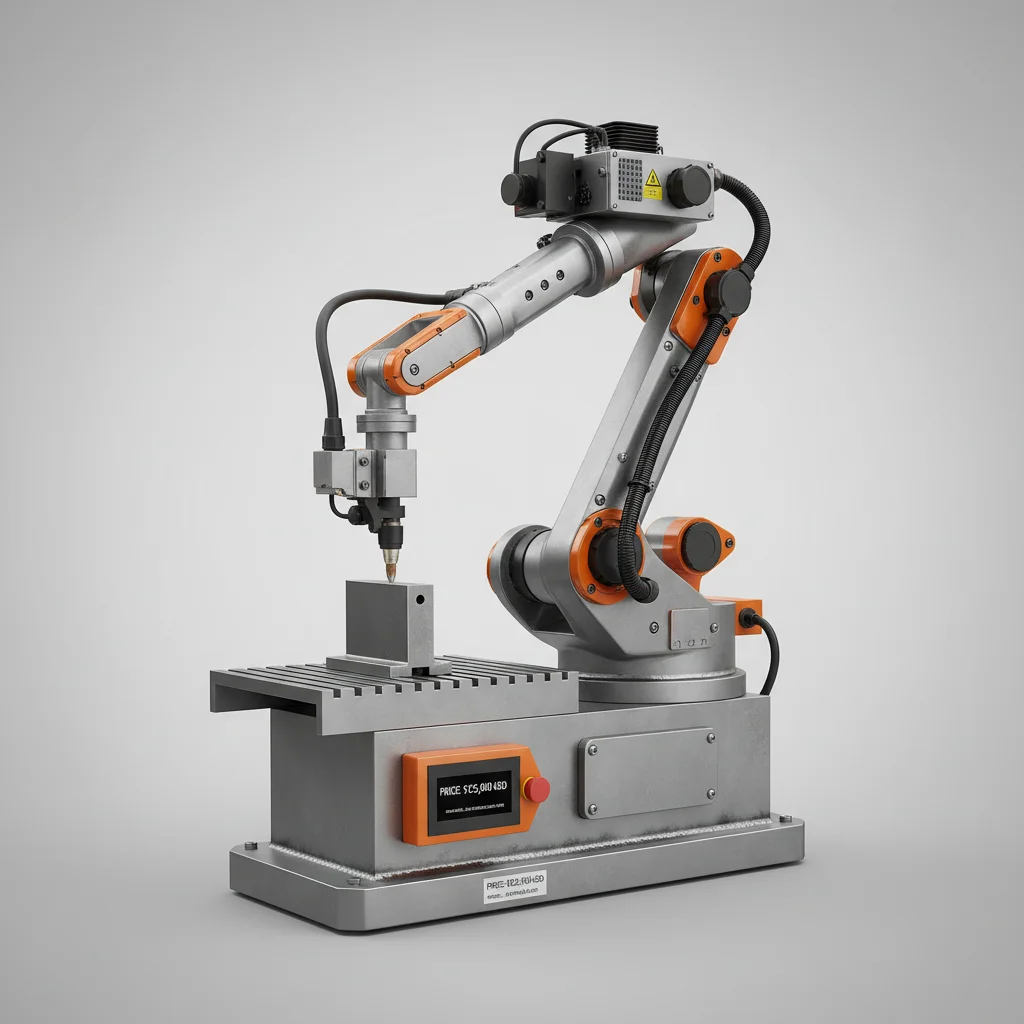
Fiber laser marking machine technology has revolutionized numerous industries, offering a precise, efficient, and versatile solution for permanent material marking. From intricate serial numbers on sensitive electronics to durable branding on industrial components, these machines are becoming indispensable for manufacturers worldwide. Their ability to work with a vast range of materials—metals, plastics, ceramics, and more—makes them uniquely adaptable to evolving production needs. Understanding the principles and capabilities of a fiber laser marking machine is critical for businesses looking to improve product traceability, enhance brand identity, and meet stringent industry regulations.
The global market for laser marking systems, including fiber laser marking machines, is experiencing significant growth, driven by the increasing demand for automation, customization, and anti-counterfeiting measures. According to recent reports, the laser marking market is projected to reach billions of dollars in the coming years, with fiber lasers representing the fastest-growing segment. This expansion is particularly noticeable in sectors such as automotive, aerospace, medical devices, and consumer electronics, where precision and reliability are paramount. The need to combat counterfeiting, particularly in luxury goods and pharmaceuticals, is also fueling the adoption of these advanced marking technologies.
Investing in understanding fiber laser marking machine technology allows businesses to enhance their production processes, improve product quality, and stay competitive in a rapidly changing market. Furthermore, the environmental benefits of laser marking – reduced material waste and elimination of harmful chemicals often associated with traditional marking methods – align with growing sustainability concerns and regulatory pressures.
Introduction to Fiber Laser Marking Machine
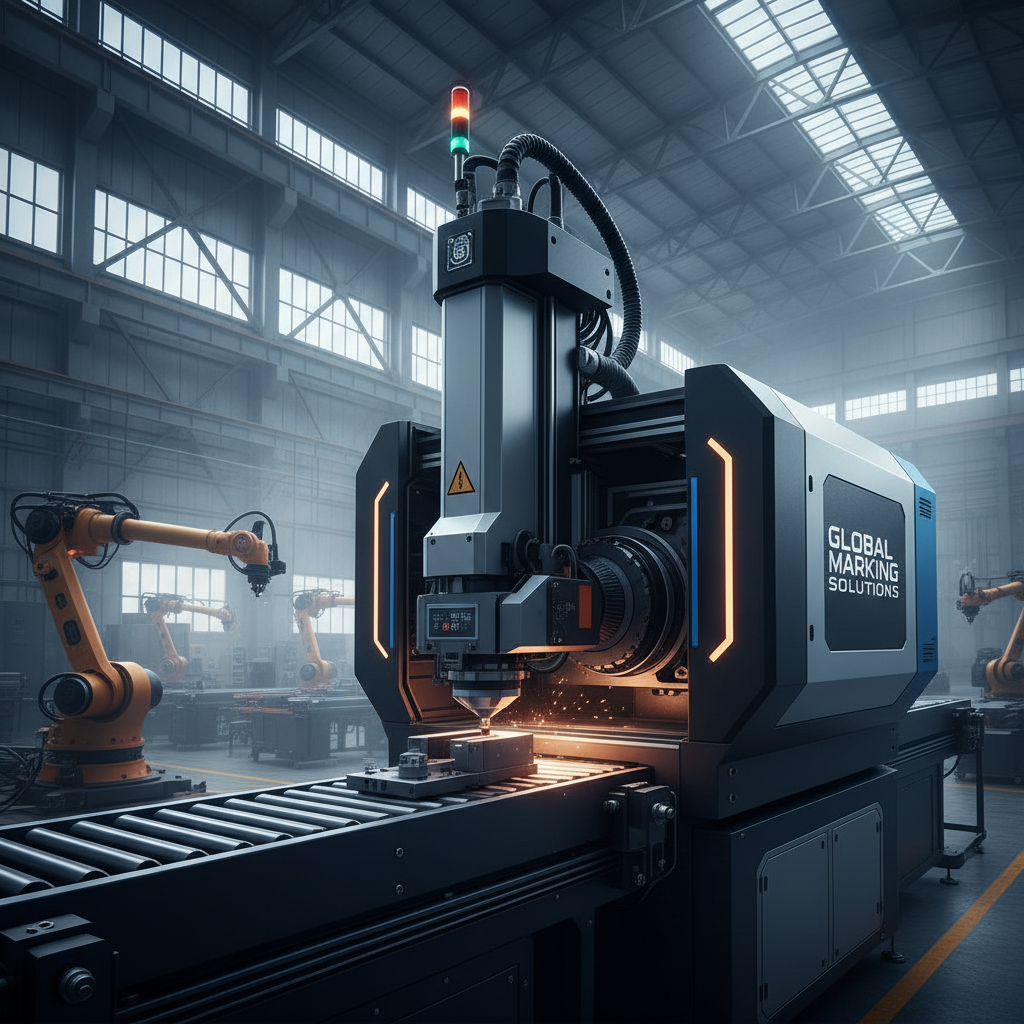
A fiber laser marking machine utilizes a fiber laser source to engrave or mark materials. Unlike traditional marking methods, it doesn't rely on inks or mechanical abrasion, making it ideal for creating permanent, high-contrast marks. This technology is particularly well-suited for applications demanding precision and durability, like marking serial numbers, barcodes, or logos directly onto products.
The growing demand for traceability and authenticity across various industries—from aerospace and automotive to medical and consumer goods—has made fiber laser marking a critical component in modern manufacturing processes. Fiber laser marking machine systems offer a cost-effective and efficient solution for meeting these requirements.
Understanding the Core Technology
At the heart of a fiber laser marking machine lies the fiber laser source. This source generates a highly focused beam of light, typically in the near-infrared spectrum, which is then directed onto the material's surface. The laser energy vaporizes, melts, or changes the color of the material, creating a permanent mark. The core technology revolves around the amplification of light through a fiber doped with rare-earth elements, such as ytterbium.
The focused laser beam interacts with the material through several mechanisms, including thermal, mechanical, and photochemical ablation. The specific process depends on the material properties, laser power, and scanning speed. Careful control of these parameters allows for fine-tuning the marking process to achieve the desired contrast and depth.
The flexibility of fiber laser technology means it can be used on a wide range of materials including metals (steel, aluminum, titanium), plastics, ceramics, and even some organic materials. This broad compatibility, combined with the high precision, makes it an invaluable tool for modern manufacturing.
Key Components and Functionality
A typical fiber laser marking machine consists of several key components working in harmony. These include the fiber laser source, a laser scanning head (galvanometer scanner), a control system, and often, a fume extraction system to remove any byproducts created during the marking process. The scanning head uses mirrors to precisely direct the laser beam across the material’s surface.
The control system is the brain of the operation, translating digital designs into laser movements. Software packages often allow for the import of various file formats (e.g., DXF, PLT, BMP) and provide precise control over parameters like laser power, speed, and frequency. Modern systems also feature autofocus capabilities and automatic height adjustment to ensure consistent marking quality.
Furthermore, safety features are integrated into the design of these machines, including protective enclosures and interlock systems, to prevent accidental exposure to the laser beam. Regular maintenance and calibration are essential for ensuring optimal performance and longevity of the system.
Performance Metrics of Fiber Laser Marking Machines
Several key performance metrics define the capabilities of a fiber laser marking machine. These include laser power (measured in watts), marking speed, resolution, and depth of engraving. Higher laser power generally allows for faster marking speeds and the ability to engrave deeper into materials.
Resolution, typically measured in DPI (dots per inch), determines the level of detail that can be achieved in the marking. The finer the resolution, the more intricate the designs that can be produced. The depth of engraving is often critical for applications requiring permanent identification or traceability.
Fiber Laser Marking Machine Performance Comparison
Global Applications Across Industries
The applications of fiber laser marking machine technology are incredibly diverse. In the automotive industry, they're used for marking VIN numbers, engine components, and safety-critical parts. The aerospace sector relies on them for traceability of components and marking of serial numbers on aircraft parts.
Medical device manufacturers utilize fiber laser marking for marking surgical instruments, implants, and packaging with unique identification codes. In the consumer electronics industry, they are used for branding, serializing products, and marking date codes on components. Moreover, the jewelry and giftware sectors benefit from the ability to create intricate designs and personalize items with high precision.
Advantages and Return on Investment
Fiber laser marking machines offer several significant advantages over traditional marking methods. They provide superior mark quality, durability, and versatility. The non-contact nature of the process minimizes the risk of damage to delicate components. They also reduce operational costs by eliminating the need for consumables like inks and etching solutions.
The return on investment (ROI) for a fiber laser marking machine can be substantial. Increased production efficiency, reduced waste, improved product traceability, and enhanced brand image all contribute to long-term cost savings and increased revenue. Furthermore, the low maintenance requirements and long lifespan of these machines make them a sound investment for businesses of all sizes.
From an environmental perspective, fiber laser marking offers a cleaner, more sustainable solution compared to methods involving harsh chemicals or abrasive processes. This aligns with growing corporate social responsibility (CSR) initiatives and helps businesses minimize their environmental impact.
Future Trends and Innovations in Fiber Laser Marking
The field of fiber laser marking is continually evolving. Ongoing research and development efforts are focused on improving laser power, resolution, and speed. New laser sources and beam delivery systems are being developed to expand the range of materials that can be marked and engraved.
Integration with automation and robotics is another key trend, allowing for fully automated marking processes. Artificial intelligence (AI) and machine learning are also being incorporated to optimize marking parameters, improve quality control, and enable more complex designs.
The development of environmentally friendly laser marking solutions, such as those using pulsed lasers to minimize heat-affected zones, is gaining momentum. The adoption of Industry 4.0 principles and the Internet of Things (IoT) will further enhance the connectivity and efficiency of fiber laser marking systems.
Table Summarizing Key Future Trends in Fiber Laser Marking Technology
| Trend Category |
Description |
Impact on Fiber Laser Marking |
Projected Timeline |
| Laser Source Development |
Advancements in fiber laser technology, including higher power and wavelength control. |
Increased marking speed, depth, and material compatibility. |
Ongoing (Next 5 Years) |
| Automation Integration |
Seamless integration with robotic arms and automated production lines. |
Increased efficiency, reduced labor costs, and improved throughput. |
Short-Term (1-3 Years) |
| AI-Powered Optimization |
Use of AI algorithms to optimize marking parameters in real-time. |
Enhanced mark quality, reduced waste, and improved process control. |
Medium-Term (3-7 Years) |
| Sustainable Marking Solutions |
Development of laser marking techniques that minimize environmental impact. |
Reduced energy consumption, elimination of harmful chemicals, and minimized waste generation. |
Ongoing (Long-Term) |
| IoT Connectivity |
Connecting laser marking machines to the Industrial Internet of Things (IIoT). |
Remote monitoring, predictive maintenance, and improved data analytics. |
Medium-Term (3-5 Years) |
| Multi-Material Marking |
Techniques enabling efficient marking across diverse material types in a single process. |
Reduced setup times, increased flexibility, and broader application scope. |
Long-Term (5+ Years) |
FAQS
Fiber laser marking machines are incredibly versatile and can mark a wide variety of materials, including metals (steel, aluminum, titanium, brass), plastics, ceramics, and some composites. The specific material properties will dictate the optimal laser settings for achieving the desired marking result. Unlike some other marking methods, fiber lasers generally don't require consumables and can create high-contrast, permanent marks on even challenging materials.
A high-quality fiber laser source typically has a very long lifespan, often exceeding 25,000 to 50,000 hours of operation with minimal degradation in performance. This makes fiber laser marking machines a reliable and cost-effective solution for long-term production needs. Regular maintenance and proper cooling are essential for maximizing the lifespan of the laser source.
Yes, fume extraction is highly recommended, and often required, when using a fiber laser marking machine, especially when working with materials like plastics or coated metals. The laser marking process can generate fumes and particulate matter that can be harmful to both the operator and the environment. A properly designed fume extraction system captures and filters these emissions, ensuring a safe and clean working environment.
Most fiber laser marking machines come with dedicated software that allows users to create and edit marking designs, control laser parameters, and manage the marking process. Common software options include EZCAD, LightShape, and RDWorks. These software packages typically support various file formats like DXF, PLT, BMP, and AI, providing flexibility in design creation and import.
While often used interchangeably, engraving and etching refer to slightly different processes. Engraving typically removes material to create a noticeable depth, while etching creates a more superficial mark without significant material removal. The depth of the mark is controlled by laser power, speed, and number of passes. Fiber lasers can perform both engraving and etching depending on the desired outcome.
The cost of a fiber laser marking machine can vary significantly depending on its power, features, and manufacturer. Entry-level machines might start around $5,000, while more advanced systems with higher power and automation capabilities can cost upwards of $30,000 or more. Factors to consider when evaluating cost include the machine’s capabilities, warranty, and after-sales support.
Conclusion
Fiber laser marking machine technology represents a significant advancement in material marking and engraving, offering a versatile, precise, and cost-effective solution for a wide range of industries. Its ability to create durable, high-quality marks on diverse materials, coupled with its low maintenance requirements and long lifespan, makes it a valuable investment for businesses seeking to enhance their production processes and product traceability. The rise in automation and demand for unique identification has positioned fiber laser marking machines as a foundational technology for modern manufacturing.
Looking ahead, continued innovation in laser source development, AI-powered optimization, and sustainable marking solutions will further expand the capabilities and applications of this technology. Businesses that embrace fiber laser marking will be well-positioned to meet the evolving demands of the market and maintain a competitive edge. To learn more about how a Fiber laser marking machine can benefit your operations, visit our website today!